


Missouri, often called the "Show-Me State," offers a rich tapestry of natural landscapes, from rolling prairies and dense forests to expansive river systems. This diverse geography makes it a prime destination for birdwatching, boasting over 435 documented bird species. For residents and visitors alike, the opportunity to observe these avian wonders extends right into their own backyards. This article delves into the common backyard birds that grace Missouri’s homes, providing insights into their identification, habits, and how to encourage their visits.
The state’s strategic location along major migratory flyways and its varied habitats—including deciduous woodlands, open fields, and riparian zones—create a haven for a wide array of birdlife. Many species are permanent residents, while others are seasonal visitors, adding to the dynamic nature of Missouri’s bird populations throughout the year. Setting up a bird feeder is a popular way to attract these feathered creatures, offering a convenient window into the vibrant world of local ornithology. From the common European Starling to the diminutive chickadee, the diversity is remarkable.
Understanding Missouri’s Common Backyard Birds
Attracting birds to your backyard is more than just a pleasant pastime; it’s an opportunity to connect with nature and contribute to local biodiversity. By understanding the common species, their preferred food sources, and their unique characteristics, birdwatchers can create a welcoming environment for a variety of avian visitors. Missouri’s bird population is a testament to its ecological richness, and with a little knowledge, anyone can become a backyard ornithologist.
Here are some of the most frequently observed backyard birds in Missouri, along with details to help you identify them:
1. Dark-eyed Junco (Junco hyemalis)
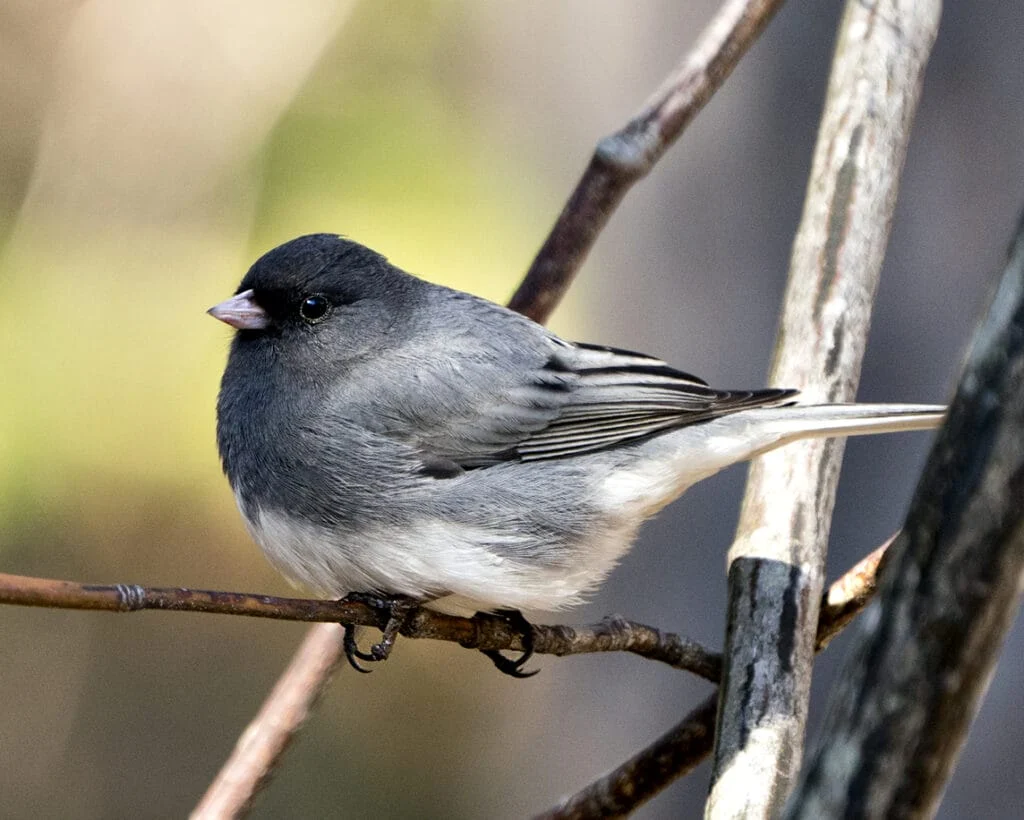
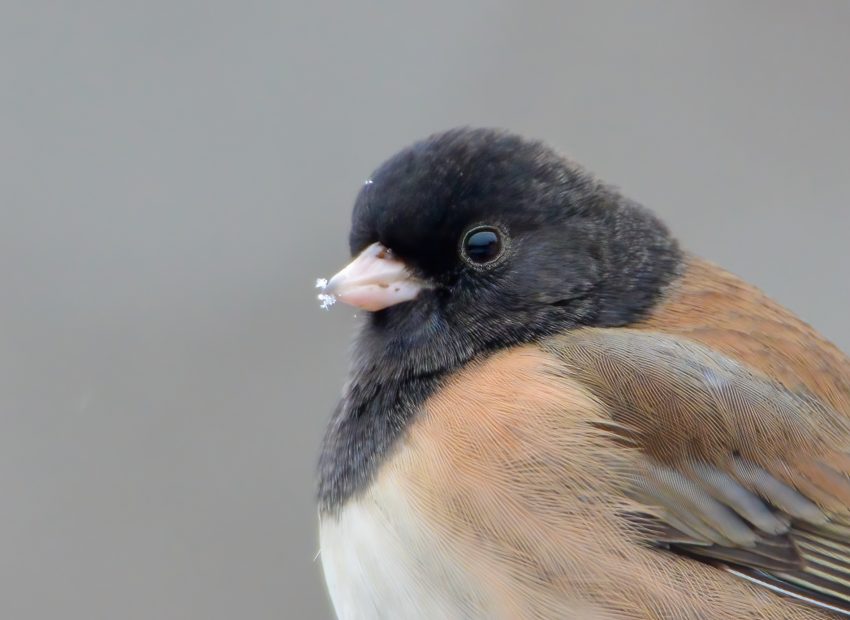
The Dark-eyed Junco is a familiar sight, particularly during the colder months. While some populations are year-round residents, their numbers significantly increase in Missouri during winter as they move down from their breeding grounds in northern forests. These small, plump birds are easily recognizable by their generally dusky gray plumage, though variations exist. Their bodies are stocky, with short necks and rounded heads and bellies. A distinctive feature is their tail, which appears proportionally long for their size.
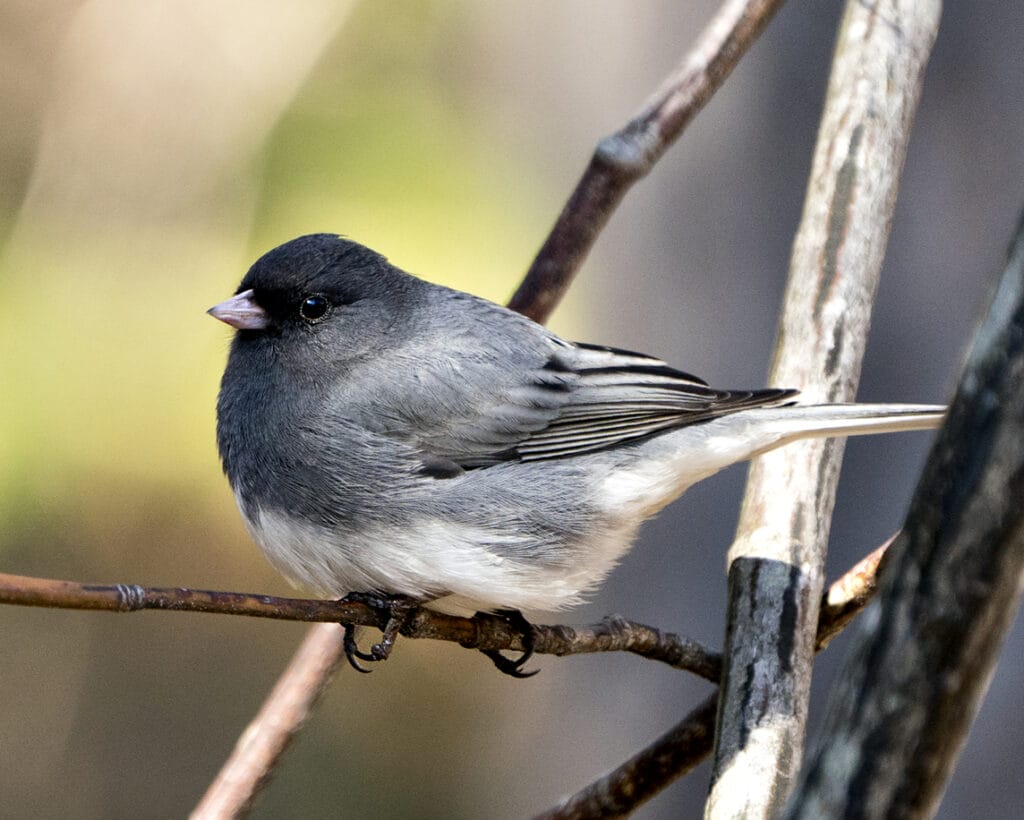
The most striking identifying characteristic of the Dark-eyed Junco is its slate-gray coloration, which sets it apart from many other common backyard birds. Some individuals exhibit a "hooded" appearance, with a dark gray or black head that contrasts sharply with their lighter underparts. This distinct coloring makes them relatively easy to spot.
Top Tip for Attraction: To encourage Dark-eyed Juncos to visit your feeders, offer seeds on a tray feeder or scatter them directly on the ground. They are ground feeders and appreciate accessible food sources.
2. Mourning Dove (Zenaida macroura)
Mourning Doves are ubiquitous across the United States, and Missouri is no exception. These larger birds, typically exceeding the size of Blue Jays and American Robins, are characterized by their graceful, tan bodies adorned with small black spots on their lower wings. Their plump, rounded bodies and short legs, combined with a noticeably long tail, make them easy to identify.
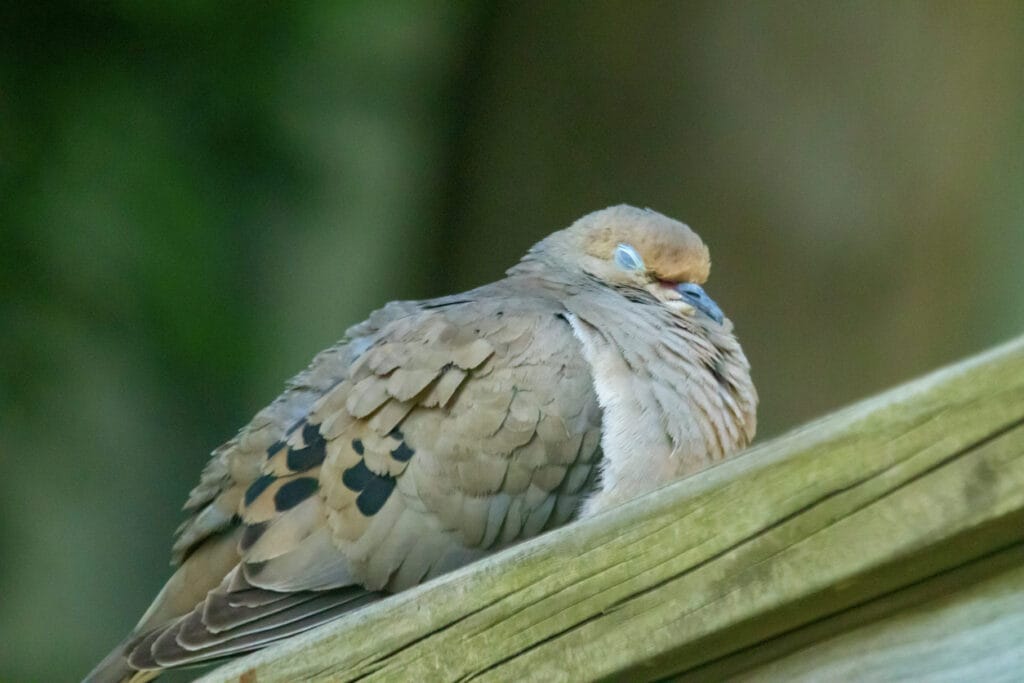
These doves are often found in or near wooded areas and agricultural lands, frequently perching on telephone wires or fence posts. Their common name, "mourning" dove, derives from their distinctive, melancholic cooing sound, often described as a mournful call.
Favorite Foods: Mourning Doves are attracted to seed feeders, with a particular fondness for black oil sunflower seeds.
3. Black-capped Chickadee (Poecile atricapillus)
The Black-capped Chickadee is a diminutive and energetic bird, often a delight to watch. Slightly larger than hummingbirds, these birds are a charming blend of black, gray, and white. Their distinctive features include a black bib and the back of their head, contrasting with gray wings and white underparts.

These active birds are frequently observed in trees, flitting from twig to twig in their constant search for insects. They often join mixed-species flocks, foraging alongside woodpeckers and nuthatches. Their small size allows them to access a wide variety of feeders.
Author Note: Black-capped Chickadees are drawn to backyard feeders seeking dried fruits, seeds, and insects. Their agility allows them to feed from nearly any type of feeder.
4. Red-bellied Woodpecker (Melanerpes carolinus)
Despite their name, Red-bellied Woodpeckers are not primarily recognized for a bright red belly. The "red-bellied" moniker refers to a subtle, rosy blush that appears on their underside, often visible only at close range. The most prominent red coloration is found on their heads, particularly in males.

These woodpeckers are larger than most common backyard birds but are still occasional visitors to feeders. They are larger than Blue Jays but slimmer than Mourning Doves. Their distinctive behavior involves clinging to tree trunks and branches with their strong legs as they forage for food.
Habitat and Diet: Red-bellied Woodpeckers can be found in a variety of habitats, from oak woodlands to suburban lawns. They feed on a diet of nuts, insects, and seeds, making them relatively easy to attract to feeders.
5. American Goldfinch (Spinus tristis)
The American Goldfinch is a burst of sunshine in any backyard. The males, in particular, are a brilliant yellow, making them instantly recognizable as they flit among feeders. Their small size, only slightly larger than hummingbirds, often makes them appear as small balls of yellow.

Female Goldfinches are less vibrant, exhibiting a more olive-toned yellow. Their coloration can also vary seasonally, becoming paler and less intense during the winter months.
Preferred Feed: American Goldfinches have a strong preference for thistle seeds and various weed seeds. While they utilize tube feeders, they will happily feed from any available bird feeder.
6. Northern Cardinal (Cardinalis cardinalis)
The Northern Cardinal is a beloved and iconic bird found throughout much of the United States, including Missouri. Its vibrant red plumage makes it unmistakable. Cardinals are small birds with a slightly rounded body, a prominent crest, and a long tail that appears quite tall relative to their body size.
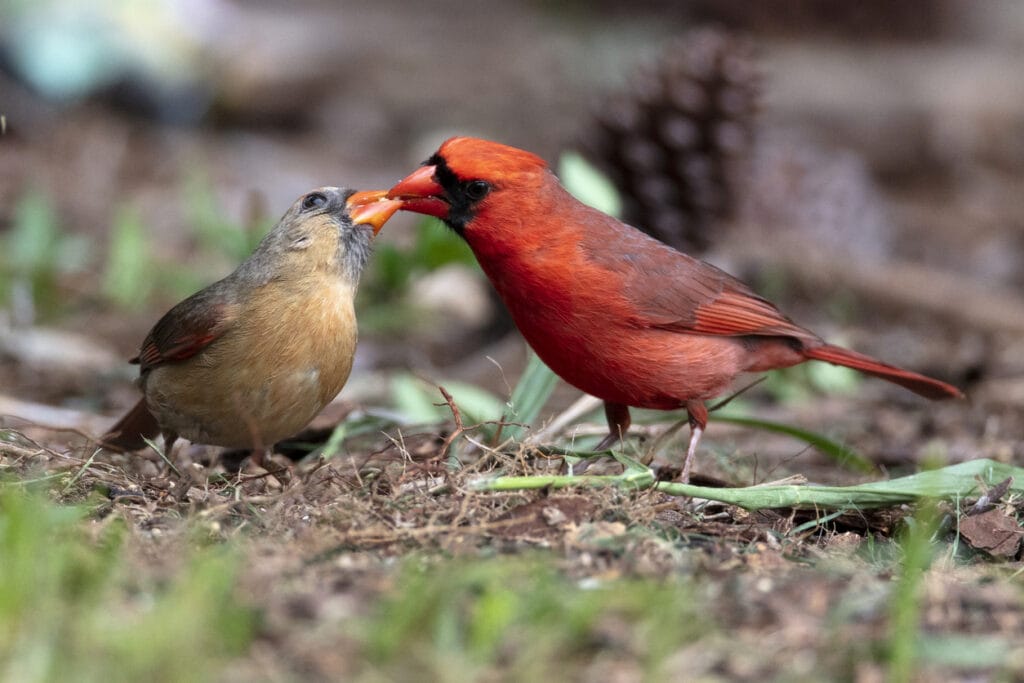
Male Northern Cardinals are entirely bright red, while females are a paler, grayish-brown with subtle red tinges on their bodies. This sexual dimorphism is common in many bird species.
Dietary Preferences: Northern Cardinals are particularly fond of seeds, with sunflower seeds being a favorite.
7. Blue Jay (Cyanocitta cristata)
Blue Jays are striking birds known for their vibrant blue plumage, prominent crests, and distinctive calls. Common in the eastern half of the United States, they are a frequent sight in Missouri. They possess long legs and tall tails marked with black barring. A white collar and belly are characteristic, along with a black line extending from their neck to their crest. Some individuals also display white patches on their wings.
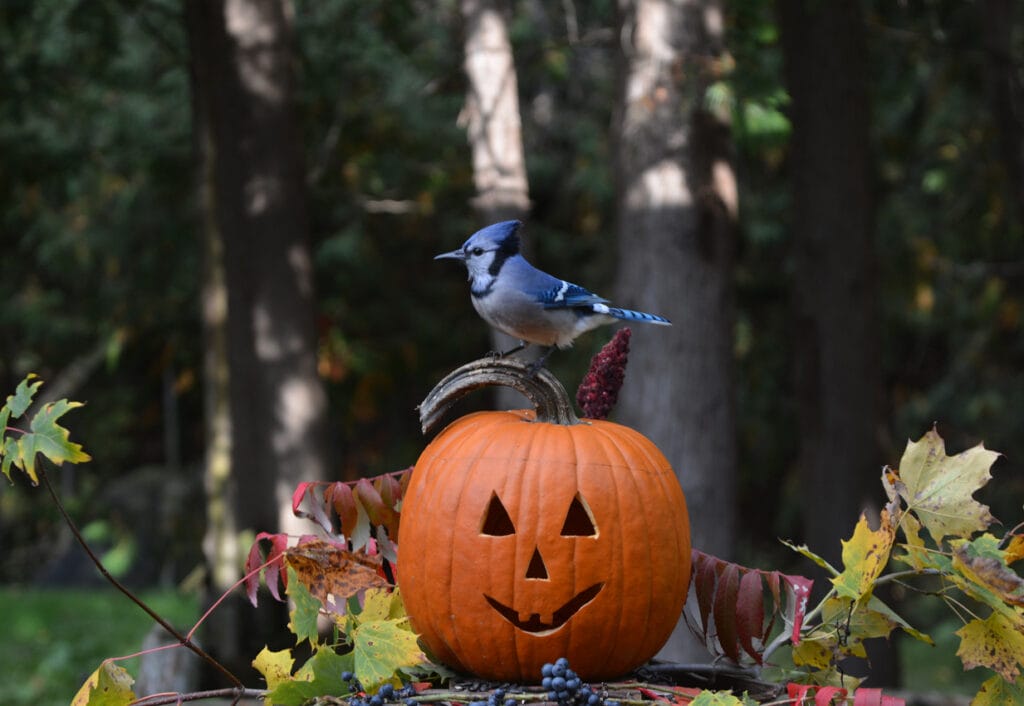
It is worth noting that Blue Jays can be quite boisterous and may sometimes intimidate smaller bird species at feeders.
Feeding Habits: Blue Jays are opportunistic feeders and will readily consume any seeds offered at backyard feeders.
8. Tufted Titmouse (Baeolophus bicolor)
The Tufted Titmouse shares some similarities with chickadees but is distinguished by its prominent crest. They are also slightly larger than chickadees, though this difference might be subtle from a distance. Titmice have rounded bodies, long tails, and relatively short bills. Their plumage is often described as blue-gray, with the blue hue being more apparent in males. Females tend to be more purely gray.

Attracting Titmice: These small birds feed on seeds and insects. Offering suet or sunflower seeds is an effective way to attract them to your feeder.
9. Downy Woodpecker (Dryobates pubescens)
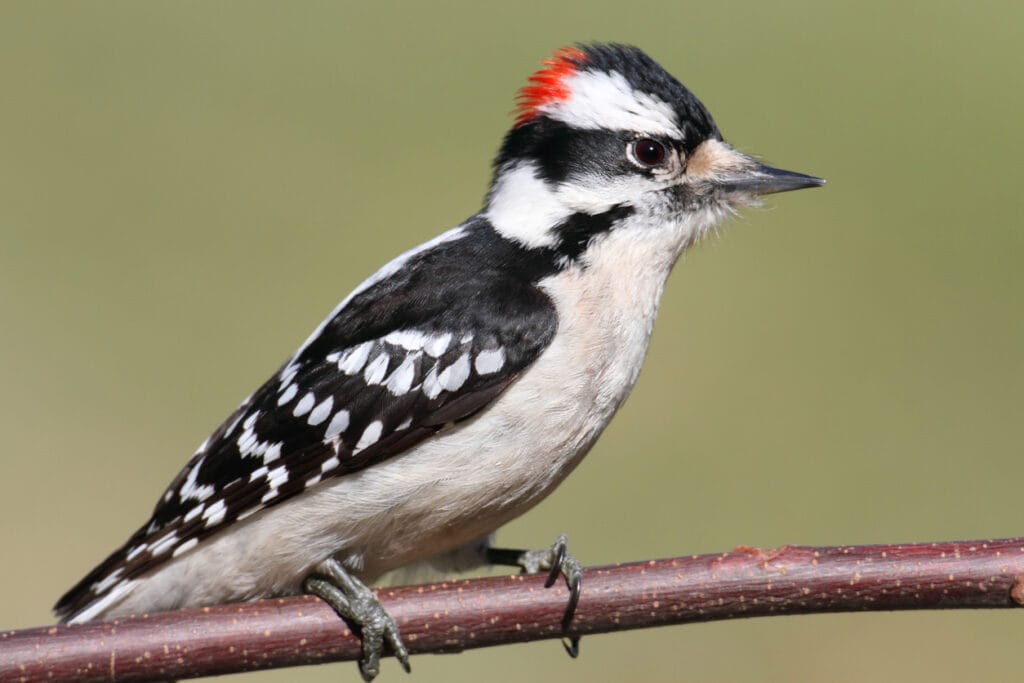
The Downy Woodpecker is another common woodpecker species found in Missouri, often visiting backyard feeders. They are characterized by their short tails, large heads, and stocky bodies. Their plumage is predominantly black and white, with a distinctive red patch on the back of their crest.
Habitat and Diet: Downy Woodpeckers are typically found near water sources and in deciduous forests. They forage on tree trunks and branches, seeking out insects and larvae. To attract them to feeders, offer seeds, insects, and fruits.
10. Carolina Wren (Thryothorus ludovicianus)
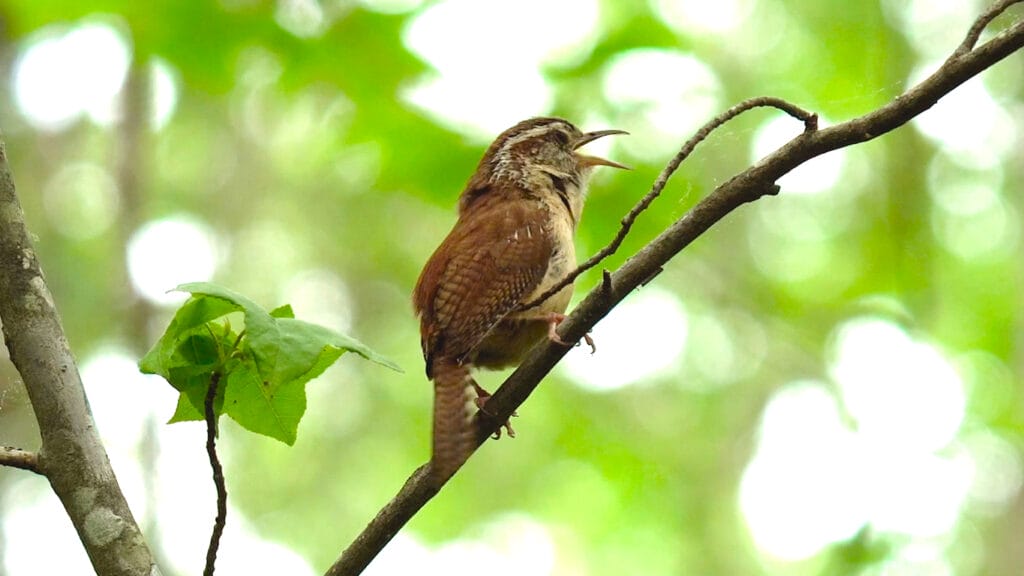
Carolina Wrens are year-round residents in Missouri and are a common sight in backyards. These fairly small birds have plumage that can be confused with American Robins, but they are distinctly rusty brown and beige, rather than orange. They possess round bodies and long, often cocked-up tails.
Vocalization and Diet: Carolina Wrens are known for their loud, distinctive calls, which seem surprisingly robust for their size. They feed on insects and suet. If they seem hesitant to use a feeder, scattering seeds on the ground may encourage them.
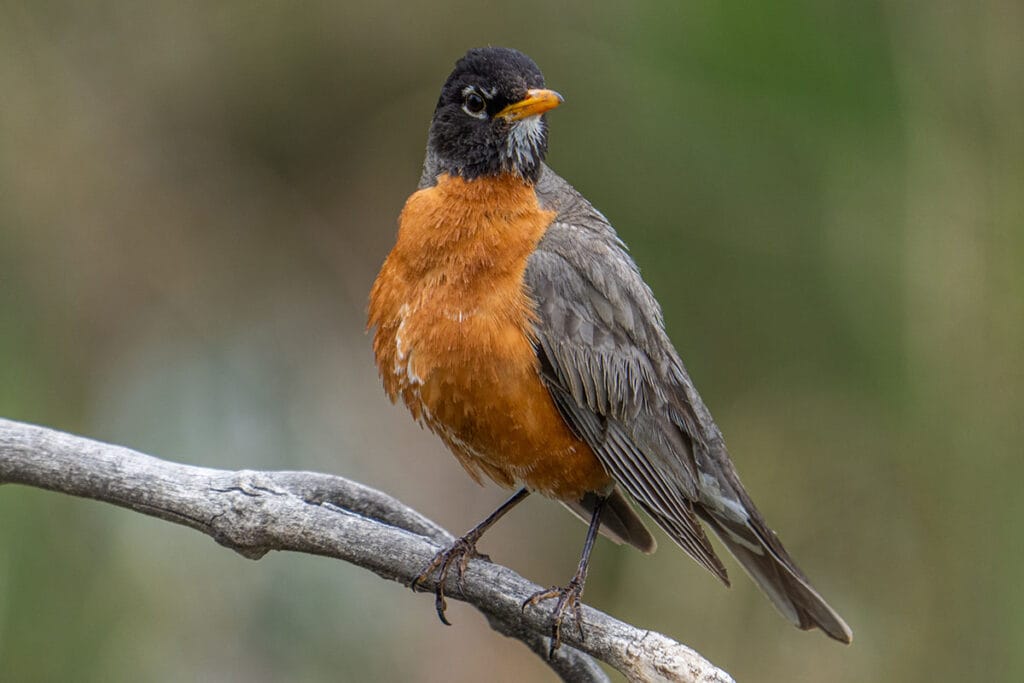
11. American Robin (Turdus migratorius)
American Robins are familiar throughout Missouri and are present year-round. They are similar in size to Blue Jays and have plump, round bodies. Their most recognizable feature is their deep orange breast, which contrasts with their gray-brown wings and head.
Preferred Environment: While often found in open woodlands and parks, robins readily visit backyard feeders and lawns. They are primarily insectivores, foraging for worms and other invertebrates in the soil. For feeders, dried fruits and small berries are suitable alternatives.
12. Eastern Bluebird (Sialia sialis)
The Eastern Bluebird is celebrated for its stunning coloration. Their bodies are a beautiful combination of blue, peachy orange, and white. They feature blue heads and wings, white underbellies, and vibrant peachy chests. This distinct color pattern makes them easy to identify.
While they resemble House Finches, Eastern Bluebirds are larger. They have short tails, flat wings, and slim, straight bills. Their populations have been on the rise in Missouri, making them increasingly common backyard visitors.
Sexual Dimorphism: Male Eastern Bluebirds exhibit brilliant blue plumage, while females are more subdued, with predominantly gray bodies. They feed on insects and fruits, and mealworms are a particular favorite.
13. European Starling (Sturnus vulgaris)
The European Starling is a visually striking bird, particularly renowned for its iridescent plumage. Depending on the angle of light, their feathers can appear purple, black, or blue, creating a dazzling display in sunlight. While they can resemble American Crows from a distance, their larger heads and sharper bills are distinguishing features up close.
Behavioral Note: European Starlings can be aggressive at feeders and may displace smaller birds. They primarily feed on insects but will also consume seeds.

Tip for Feeders: Due to their weaker legs, European Starlings struggle to cling to tube feeders. Tray feeders are a more suitable option for attracting them.
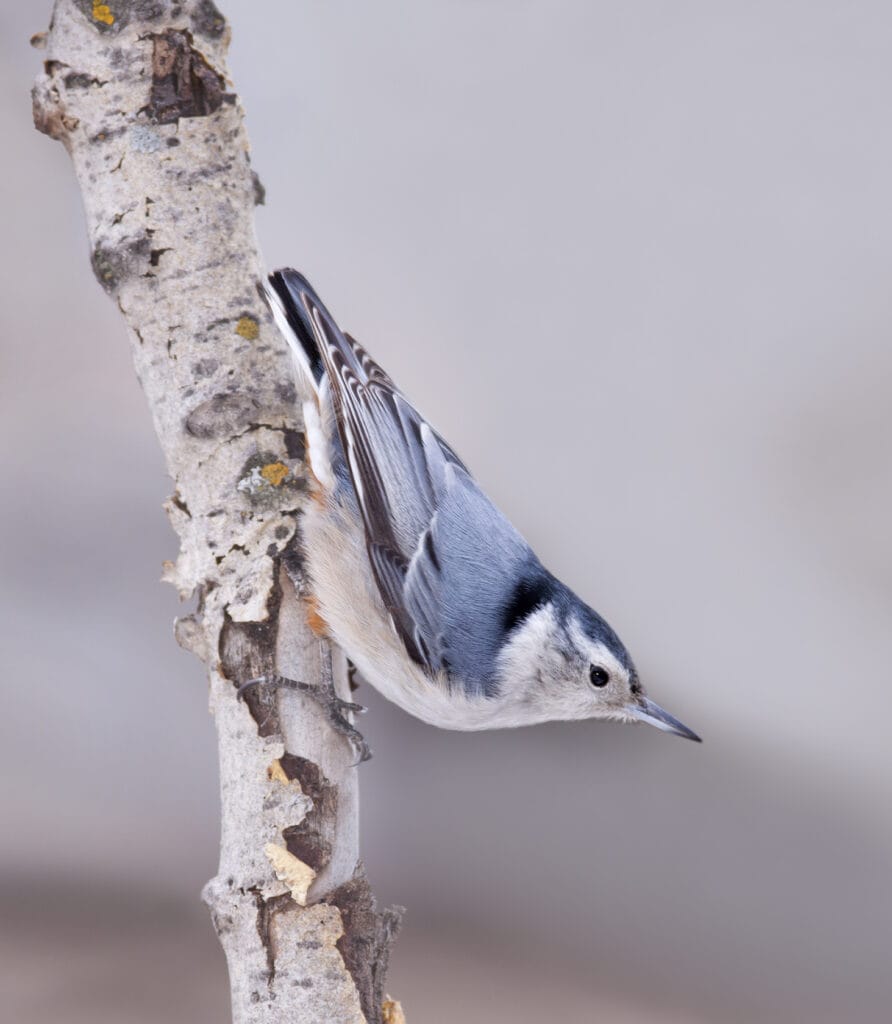
14. White-breasted Nuthatch (Sitta carolinensis)
The White-breasted Nuthatch is the largest of its family in the United States, though still a relatively small bird. Its size is comparable to a chickadee, and it appears almost neckless. Key identification features include a large head, a round belly, and blue-gray plumage that can exhibit bluish hues in sunlight or during spring.
Foraging Habits: White-breasted Nuthatches are often observed crawling head-first down tree trunks in search of insects. They visit feeders for seeds, insects, and nuts.

15. White-throated Sparrow (Zonotrichia albicollis)
White-throated Sparrows occupy a size niche between finches and starlings. They have moderate body sizes, round heads, and virtually invisible necks. Their tails are notably long in proportion to their bodies, and they possess a distinctive yellow patch above their bills.
Habitat and Diet: These sparrows are typically found in woodland edges and deciduous forests, and they are less common on the West Coast. They often forage on the ground in flocks, seeking seeds in the winter and berries in the summer. If feeders are not readily accessible, scattering food on the ground can attract them.
The Takeaway: A Year-Round Avian Spectacle
Missouri’s diverse habitats and strategic location ensure a constant parade of birdlife in backyards throughout the year. From the summer presence of Eastern Bluebirds to the winter influx of Dark-eyed Juncos and the year-round residency of Northern Cardinals, there is always something to observe.
To foster a thriving backyard bird sanctuary, consider offering a variety of food sources, including seeds, dried fruits, berries, and occasionally mealworms. This variety will cater to the diverse dietary needs of Missouri’s avian population, ensuring a continuous stream of visitors and enriching your connection with the natural world.
Frequently Asked Questions
What is the prettiest bird in Missouri?
While beauty is subjective, the Eastern Bluebird is frequently cited for its stunning coloration, with its vibrant blue, peachy orange, and white plumage making it a standout in any garden.
What is the small black and white bird in Missouri?
The Yellow-rumped Warbler, predominantly black and white, is a common sight in Missouri, particularly during the winter months.

What is the common bright blue bird in Missouri?
The Indigo Bunting is a striking summer visitor to Missouri, known for its brilliant blue coloration. While the Blue Jay also features blue, the Indigo Bunting is renowned for its intense, uniform blue.

