


Published On: Dec 21, 2025
Last updated on: Dec 21, 2025
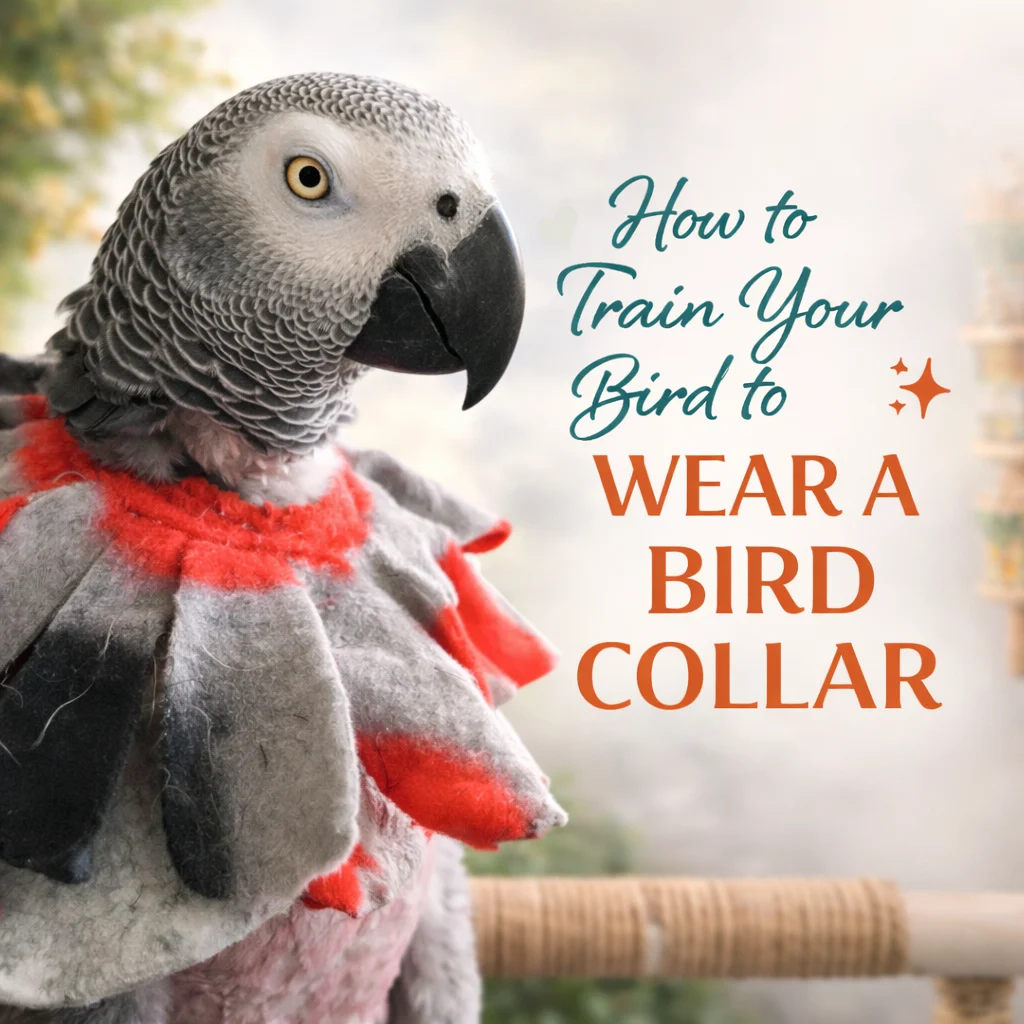
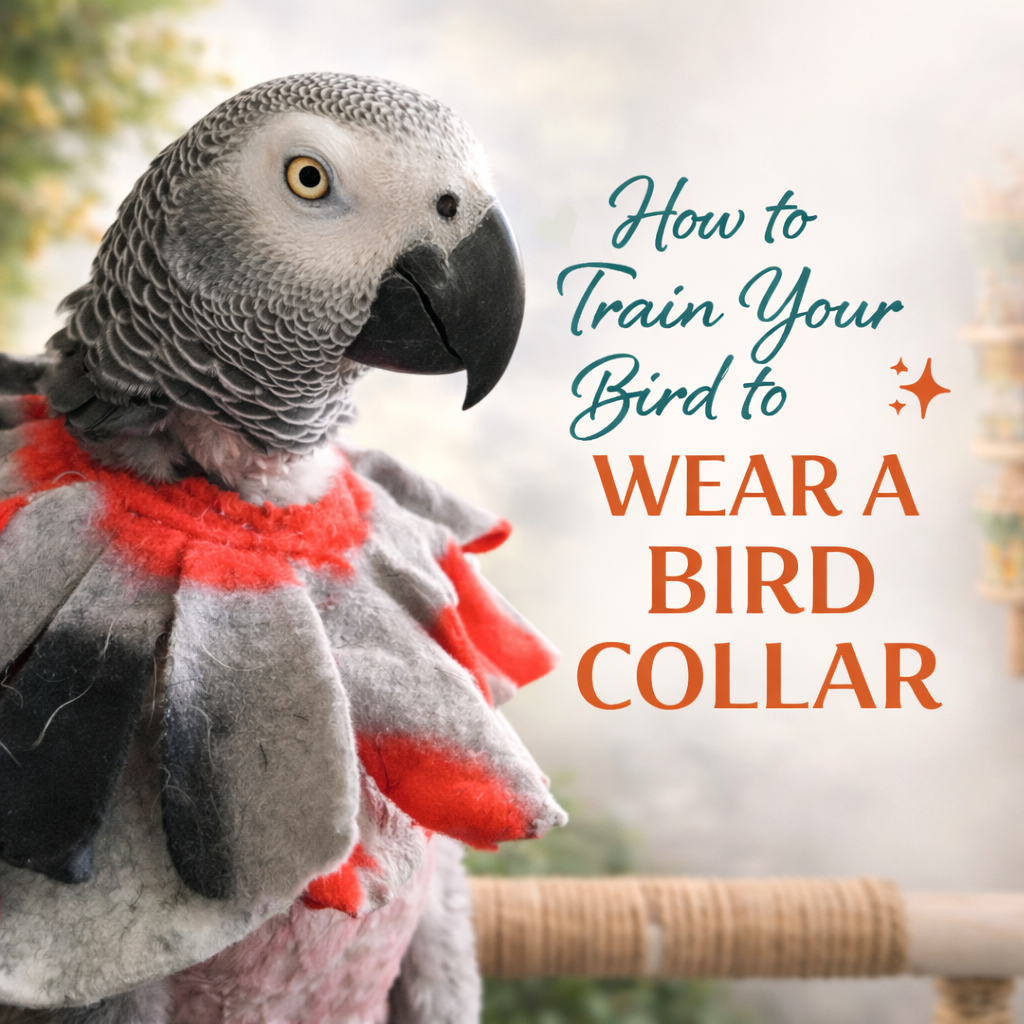
The use of collars in avian care, particularly for managing feather destructive behaviors (FDB), is a topic frequently debated among bird owners and veterinary professionals. While often viewed as a last resort, the consensus from avian health experts, including seasoned behaviorist Diane Burroughs, is that birds can wear collars safely and effectively, provided they are introduced thoughtfully and utilized for appropriate medical or behavioral reasons. This approach prioritizes the bird’s well-being and aims to mitigate escalating physical harm while underlying issues are addressed.
Understanding Feather Destructive Behavior (FDB) in Avian Companions
Feather destructive behavior (FDB), often colloquially termed "feather plucking," represents a complex spectrum of abnormal behaviors where birds damage their own feathers. This can range from mild feather chewing or barbering (where the feather shaft is damaged but not removed) to severe plucking, skin mutilation, and even self-inflicted wounds. FDB is a prevalent and distressing issue in captive psittacine species (parrots), with some studies indicating that up to 10-15% of pet parrots may exhibit some form of feather-damaging behavior during their lifetime. Species such as African Grey Parrots, Cockatoos, and Eclectus Parrots are frequently identified as being particularly predisposed due to their high intelligence, social complexity, and sensitivity to environmental stressors.
The etiology of FDB is multifactorial, encompassing a broad range of potential causes that often interact. These can be broadly categorized into:
- Medical Causes: A thorough veterinary examination is paramount to rule out physiological issues. These include skin infections (bacterial, fungal, parasitic), allergies, internal organ diseases (liver, kidney), nutritional deficiencies (e.g., Vitamin A deficiency, imbalances in calcium:phosphorus), heavy metal toxicities (e.g., lead, zinc), metabolic disorders, and certain viral infections (e.g., Psittacine Beak and Feather Disease – PBFD, Polyomavirus). Pain from orthopedic issues, internal masses, or even chronic sinusitis can also prompt birds to self-mutilate in an attempt to alleviate discomfort.
- Environmental Causes: Stressors within the bird’s environment are significant contributors. These include inadequate cage size, lack of appropriate enrichment (toys, foraging opportunities, perches of varying textures and diameters), insufficient light spectrum (lack of full-spectrum UV lighting crucial for psychological well-being and vitamin D synthesis), low humidity, exposure to irritants (smoke, air fresheners, cleaning chemicals), or social stressors such as boredom, isolation, or inappropriate social interaction (e.g., over-handling, perceived threats from other pets or household members).
- Behavioral and Psychological Causes: Once medical and environmental factors are mitigated, psychological components often become primary. These include anxiety, fear, phobias, obsessive-compulsive disorders, attention-seeking behaviors, and displacement behaviors. A bird experiencing chronic stress or lack of control over its environment may develop FDB as a coping mechanism, which can then become a deeply ingrained habit. The act of plucking itself can release endorphins, creating a self-reinforcing cycle that makes the behavior difficult to interrupt.
The urgency for intervention arises when FDB progresses beyond cosmetic damage to the feathers, leading to compromised skin integrity. Open wounds are highly susceptible to secondary bacterial or fungal infections, which can rapidly become life-threatening if left untreated. Chronic plucking also prevents the growth of new feathers, leaving areas of skin permanently bare and vulnerable to temperature fluctuations, direct injury, and chronic irritation. Early intervention is therefore critical to prevent a downward spiral of physical and psychological decline.
The Role of Collars in Avian Care: A Veterinary Perspective
Avian collars, often referred to as Elizabethan collars (E-collars) or protective collars, serve as a temporary physical barrier to prevent a bird from accessing specific areas of its body. As highlighted by Diane Burroughs, a specialist in anxiety-driven behaviors and feather destructive disorders, their primary function is protective rather than punitive. Veterinary professionals advocate for collars as a crucial tool in specific scenarios, not as a blanket solution for all plucking birds. These collars come in various materials and designs, including soft fabric, rigid plastic cones, or even custom-fitted devices, chosen based on the bird’s size, the extent of self-mutilation, and the area needing protection.
When is a Collar Indicated? Clinical Guidelines
The decision to employ a collar is typically made after a comprehensive diagnostic workup and a thorough assessment of the bird’s current condition and the progression of its FDB. Collars become particularly helpful and often necessary when:
- Active Feather Destruction is Escalating Rapidly: If a bird is quickly plucking out feathers, barbering them down to the skin, or creating bare patches at an alarming rate, a collar can interrupt this destructive cycle. This provides immediate physical protection and prevents further damage, buying time for diagnostic tests and long-term treatment strategies to be initiated.
- Skin Integrity is Severely Compromised: The presence of open wounds, lacerations, severe abrasions, or areas where the skin is becoming thin and irritated due to constant plucking necessitates a collar. This prevents the bird from reopening wounds, allows for proper healing, and significantly reduces the risk of secondary bacterial or fungal infections, which can be difficult to treat in avian patients.
- Post-Surgical Recovery or Wound Healing: Similar to their widespread use in mammalian veterinary medicine, avian collars are invaluable after surgery to prevent the bird from picking at sutures, bandages, or surgical sites. They are also used to protect wounds, burns, or other injuries during the critical healing process, ensuring the integrity of medical interventions.
- Repetitive Plucking Loops and Self-Reinforcement: When FDB has become a deeply ingrained habit, often driven by psychological factors and endorphin release, a collar can serve as an interruptor, breaking the learned behavioral loop. This "breathing room" allows owners and veterinarians to implement other long-term solutions related to diet, environment, medical treatment, and behavioral modification without the constant threat of immediate self-injury, giving therapies a chance to take effect.
- Periods of Heightened Anxiety Leading to Acute Self-Mutilation: In some cases, extreme stress or anxiety can lead to acute, severe episodes of self-mutilation, where a bird may cause significant harm in a short period. A collar can temporarily prevent severe injury during these crisis periods, allowing for the identification and management of the underlying stressors with less immediate danger to the bird.
When introduced correctly and in conjunction with a holistic treatment plan, bird collars can significantly reduce physical injury, slow the rehearsal of damaging habits, and provide critical time for owners to address the multifactorial causes of FDB. This integrated approach is consistently endorsed by organizations like the Association of Avian Veterinarians (AAV), which emphasizes that physical restraint, when necessary, should always be part of a broader behavioral and medical strategy aimed at long-term welfare improvement.
Avoiding Unnecessary Interventions: When Collars Are Not the Answer
While beneficial in specific circumstances, collars are not a universal panacea and can induce stress if misused. It is crucial to discern when a collar is genuinely necessary versus when other, less invasive interventions might suffice or be more appropriate. Over-reliance on a collar without addressing root causes can lead to prolonged use, increased stress, and a potentially diminished quality of life for the bird.
A collar may be unnecessary if:
- Plucking is Mild, Seasonal, or Improving: If the feather damage is minor, occurs seasonally (e.g., during molting, which can cause temporary itchiness), or shows clear signs of improvement with basic enrichment, dietary adjustments, or routine changes, a collar could be an overreaction. In these cases, consistent positive environmental management might be sufficient.
- Skin is Undamaged: If the bird is only damaging feathers without any compromise to the underlying skin, the immediate urgency for a collar is reduced. While feather damage can be concerning, the primary driver for collar use is preventing self-mutilation and infection. In such cases, focusing on environmental enrichment, stress reduction, and dietary improvements may be the primary course of action, with careful monitoring.
- "More" Isn’t Always Better: Introducing a restrictive device without a clear, clinical need can exacerbate a bird’s stress levels, potentially leading to new behavioral problems (e.g., aggression, lethargy, refusal to eat) or increased anxiety. Sometimes, the most effective strategy involves refining existing positive interventions rather than layering on something new that could itself become a source of stress. This aligns with a conservative approach, minimizing potential stressors on an already vulnerable animal.
Common Pitfalls in Collar Implementation
Even with the best intentions, owners can make common mistakes when considering or implementing collars. These errors, though understandable, can hinder the collar’s effectiveness and increase stress for the bird, potentially undermining the entire intervention strategy.
- Trying to Fix Everything at Once: A bird’s environment and routine should be adjusted slowly and predictably. Overhauling everything simultaneously with the introduction of a collar can overwhelm the bird, making it resistant to the collar and less receptive to other positive changes. Collars are most effective when paired with gradual, thoughtful adjustments to diet, enrichment, and routine.
- Following Advice Without Context: Online forums and anecdotal evidence can offer valuable insights, but every bird is an individual with a unique history, personality, and underlying health status. What worked for one species or one bird’s specific situation may be ineffective or even detrimental to another. A tailored approach, developed in consultation with an avian veterinarian or certified avian behaviorist, is essential. Understanding the specific triggers and underlying causes for your bird’s FDB is far more valuable than blindly replicating someone else’s solution.
- Viewing the Collar as a Cure: A collar is a management tool, not a definitive solution. It provides a protective barrier and an interruption to self-mutilation, but it does not address the root cause of the FDB. Neglecting the underlying medical, environmental, or psychological factors while relying solely on the collar will likely result in the FDB resuming, often with renewed intensity, once the collar is removed.
- Lack of Preparation and Training: Rushing the collar onto a bird without proper acclimatization and positive reinforcement training is a significant error. This can traumatize the bird, leading to fear, aggression, and a strong aversion to the collar, making subsequent attempts even more challenging. Proper preparation is crucial for minimizing stress and maximizing the chances of successful adaptation.
A Phased Approach to Safe Collar Introduction: Best Practices
Successfully introducing a collar requires patience, positive reinforcement, and a methodical, step-by-step approach. The goal is to minimize stress and help the bird adapt to this new sensation, transforming a potentially negative experience into a manageable one. Diane Burroughs emphasizes that training itself is more critical than the device, focusing on regulation and gradual learning. This systematic approach fosters trust and reduces the likelihood of trauma.
-
Initial Acclimatization (1-3 Days): Let the Collar Exist, No Pressure.
- Place the collar visibly but at a safe distance from the bird’s cage or preferred resting spots. The collar should simply be part of the environment, not a direct threat.
- Allow the bird to observe it without forced interaction. The objective is to normalize its presence, demonstrating that it is not immediately harmful.
- Reward calm behavior in the collar’s vicinity with favorite treats or praise, creating a positive association with its presence.
-
Integrating into Routine (1-2 Days): Make the Collar Part of Normal Routines.

- During routine interactions (e.g., feeding, preening, training sessions, or simply spending time together), place the collar on your shoulder, lap, or close to you, but still not directly on the bird.
- This further builds familiarity, associating the collar with positive experiences and the owner’s comforting presence, without direct physical interaction. The bird observes the owner handling the collar nonchalantly.
-
Encouraging Voluntary Interaction (Variable Duration): Invite Exploration.
- Place the collar on a surface near the bird, allowing it to approach, investigate, and even manipulate it at its own pace. Offer it as if it were a new toy, without pressure.
- Reward any positive interaction, such as touching, sniffing, or even gently nibbling the collar, with high-value treats and verbal praise.
- This step harnesses the bird’s natural curiosity and ensures that interaction is self-initiated, fostering a sense of control and reducing apprehension.
-
Building Physical Tolerance (Ongoing): Build Tolerance to Touch.
- While engaging in positive reinforcement training sessions or gentle handling, gradually practice touching and gently manipulating the bird’s wings, shoulders, and torso, particularly around the neck area where the collar will sit.
- This familiarizes the bird with being touched in the areas where the collar will sit and around the neck, reducing the novelty and potential stress of the first fitting.
- Keep sessions short, positive, and always end on a successful note, even if progress is minimal, to build confidence and prevent negative associations.
-
Environmental Adjustments (Pre-Fitting): Prepare the Cage.
- Before the first fitting, modify the bird’s cage to ensure safety and accessibility. A bird with a collar will have altered balance and depth perception.
- Lower perches and food/water bowls to make them easily reachable, as the collar may initially impair mobility. Consider wider, flatter bowls for easier access.
- Remove any toys, ropes, or cage accessories that could snag on the collar, preventing entanglement and potential injury.
- Ensure plenty of soft, non-abrasive perches are available to prevent pressure sores or discomfort.
-
First Supervised Application (1-3 Hours): First Fitting.
- When both the bird and owner are calm and ready, carefully place the collar on the bird. This should ideally be done by an avian veterinarian or experienced handler.
- Ensure the collar is properly sized and fitted – snug enough to prevent removal but loose enough not to restrict breathing or cause chafing.
- Closely supervise the bird for 1-3 hours. Initial awkward movements, attempts to remove the collar, or increased preening efforts are normal.
- Offer favorite treats and reassurance. Do not leave the bird unsupervised during this initial period, as panic or entanglement can occur.
-
Gradual Wear Time Increase (Ongoing): Build Strength and Confidence.
- Incrementally increase the duration the bird wears the collar by 30-60 minute intervals each day, as tolerated. Observe the bird closely for signs of undue stress, lethargy, or inability to eat/drink.
- This gradual increase allows the bird to build the necessary physical strength and coordination to carry the collar comfortably, adapting to the altered balance and restricted movement.
- Continue to provide positive reinforcement and monitor for signs of excessive stress or discomfort. Short, positive breaks from the collar may be considered if recommended by an avian vet.
-
**Rest

