


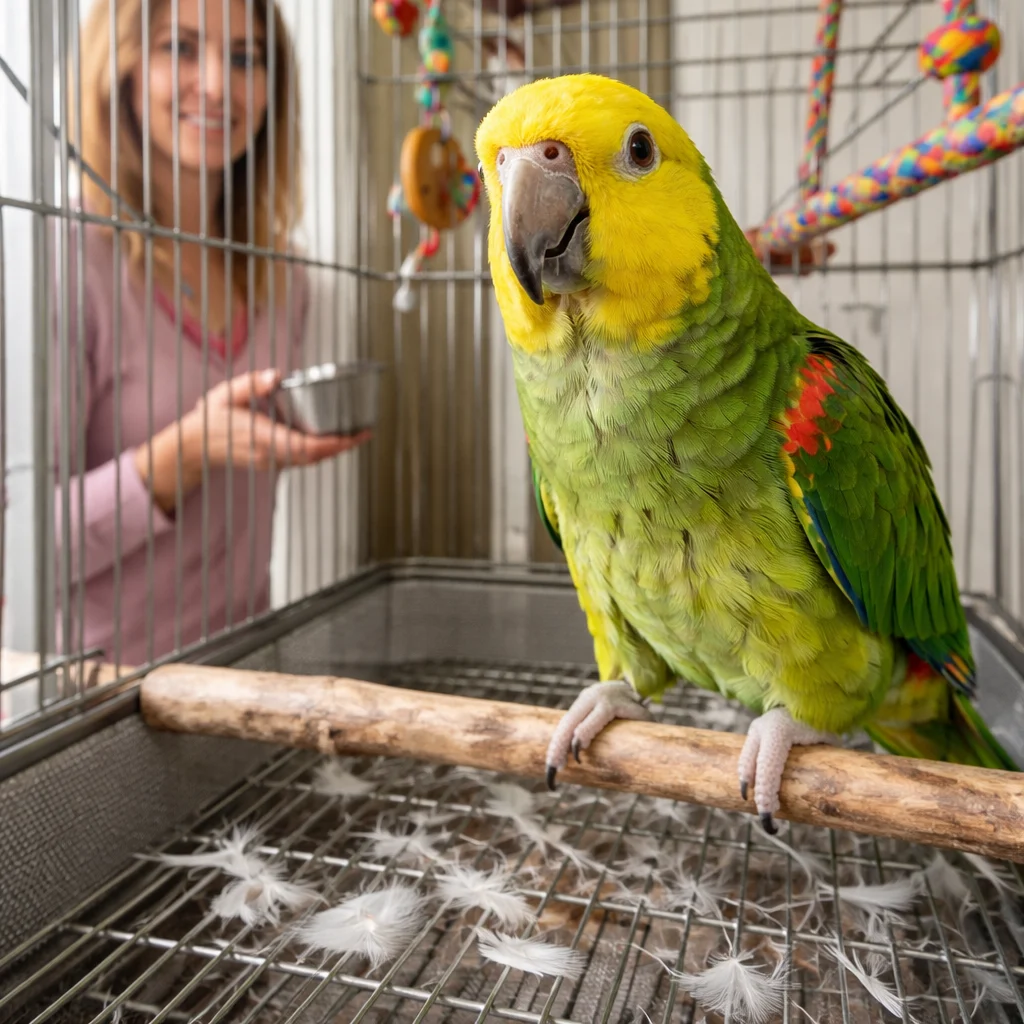
The sudden discovery of a significant quantity of feathers scattered across a bird’s enclosure can be an alarming experience for any avian caregiver, immediately prompting concerns about the animal’s health. This common scenario, often characterized by a "pillow exploded" appearance within the cage, frequently triggers a cascade of questions: Is the bird ill? Is it engaging in self-mutilation through plucking? While the initial panic is a natural reaction, a systematic approach to evaluating the situation, often termed "feather forensics," can quickly differentiate between a normal physiological process and a concerning behavioral or medical issue. Most instances of substantial feather loss in a healthy bird are attributed to molting, a natural and essential biological cycle, rather than disease or psychological distress. Understanding the nuances of this process, and recognizing the critical indicators that distinguish it from problematic feather loss, is paramount for responsible pet bird ownership.
Understanding the Biological Imperative: The Molting Process
Molting is a fundamental biological process in birds, involving the periodic shedding of old, worn-out feathers and their replacement with new ones. This cyclical renewal is crucial for maintaining flight efficiency, insulation, waterproofing, and overall plumage health. Feathers, being dead structures once fully grown, cannot repair themselves and are subject to wear and tear from daily activities, preening, environmental exposure, and even parasitic infestations.
The timing and duration of molting vary significantly among species, influenced by factors such as age, reproductive cycles, seasonal changes, and environmental conditions like photoperiod (light exposure) and temperature. For many species, molting is an annual event, often occurring after breeding season when energy demands for reproduction have decreased. Some species may undergo partial molts more frequently, replacing only certain feather tracts. Juvenile birds experience a "first molt" to replace their downy or immature feathers with adult plumage.
The process is hormonally regulated, primarily by thyroid hormones, which respond to environmental cues. A healthy molt is typically a gradual process, ensuring the bird is never left with large bare patches that would compromise its ability to fly or regulate body temperature. Flight feathers (remiges) and tail feathers (rectrices) are usually shed symmetrically, one or two at a time on each side, to maintain balance and flight capability. Body feathers are replaced more diffusely.
During a molt, birds may exhibit several behavioral changes. It is common for them to be less active, more irritable, and have a reduced appetite. The growth of new feathers, particularly the "pin feathers" or "blood feathers," can be uncomfortable or even itchy. These new feathers emerge encased in a keratin sheath, which the bird meticulously preens off as the feather matures. This preening action, combined with the shedding of old feathers and the waxy debris from new ones, often results in a significant amount of dander and feather material accumulating in the cage, a sight that often triggers owner concern. The presence of these developing pin feathers, often appearing as small, spiky protrusions on the skin, is a definitive sign of active molting.
The Alarming Reality: Feather Plucking and Its Causes
In stark contrast to the natural process of molting, feather plucking, or pterotillomania, is a complex and often distressing behavioral disorder where a bird damages or removes its own feathers. This behavior can range from mild over-preening to severe self-mutilation, leading to bare patches, skin irritation, and even open wounds. Unlike molting, where feathers are shed naturally from the follicle, plucking involves tearing, chewing, or breaking feathers, often leaving jagged edges, damaged quills, or bare skin.
The etiology of feather plucking is multifactorial, encompassing a broad spectrum of medical, environmental, and psychological factors. Identifying the root cause is crucial for effective treatment, as misdiagnosis can lead to prolonged suffering for the bird and frustration for the owner.
1. Medical Causes:
A thorough veterinary examination is the first step in diagnosing feather plucking, as underlying medical conditions can often manifest as feather destruction. These include:
- Parasites: External parasites like mites and lice can cause intense itching, leading to over-preening and plucking. Internal parasites, though less common, can also contribute to discomfort.
- Bacterial, Fungal, and Viral Infections: Skin infections, folliculitis, or systemic infections can cause irritation and feather loss. Psittacine Beak and Feather Disease (PBFD) and Polyomavirus are serious viral diseases that directly affect feather growth and health.
- Nutritional Deficiencies: Inadequate diets lacking essential vitamins (especially Vitamin A), minerals, proteins, or fatty acids (Omega-3 and Omega-6) can result in poor feather quality, dry skin, and chronic itching, predisposing birds to plucking.
- Organ Disease: Liver disease, kidney disease, and other systemic illnesses can impact overall health, metabolism, and feather quality, leading to discomfort and plucking.
- Allergies: While less common, some birds can develop allergies to environmental allergens (dust, pollen) or food components, causing skin irritation.
- Pain: Any source of chronic pain, such as arthritis, internal injuries, or tumors, can cause a bird to focus excessively on the affected area, leading to plucking.
2. Environmental Factors:
The captive environment often fails to replicate the complexity and stimulation of a bird’s natural habitat, leading to stress and behavioral issues.
- Boredom and Lack of Stimulation: Wild birds spend significant time foraging, socializing, and flying. In captivity, without adequate enrichment (toys, puzzles, foraging opportunities, social interaction), birds can become bored and channel their energy into feather destruction.
- Inadequate Lighting: Birds require full-spectrum lighting, including UVA and UVB, for proper vitamin D synthesis and to perceive colors correctly. Poor lighting can disrupt circadian rhythms, hormonal balance, and contribute to stress.
- Dry Air: Low humidity, especially in heated homes, can lead to dry, itchy skin, prompting birds to preen excessively or pluck.
- Allergens and Irritants: Exposure to cigarette smoke, air fresheners, cleaning products, or even certain types of bedding can irritate a bird’s respiratory system and skin.
- Cage Size and Placement: An inappropriately small cage restricts movement and can cause stress. A cage placed in a high-traffic area or one that offers no sense of security can also be detrimental.
3. Behavioral and Psychological Factors:
Even with a clean bill of health and an enriched environment, psychological factors can drive plucking.
- Stress and Anxiety: Changes in routine, new pets, household conflict, loneliness, or perceived threats can induce chronic stress, manifesting as plucking.
- Learned Behavior: Once initiated, plucking can become a compulsive, self-reinforcing habit, even if the original trigger is removed. The act of plucking can release endorphins, providing a temporary sense of relief.
- Sexual Frustration/Hormonal Imbalance: Captive birds, especially those without a mate, can experience chronic hormonal fluctuations leading to heightened sexual frustration, aggression, and plucking.
- Attention-Seeking: Birds are highly intelligent and observant. If plucking elicits a strong reaction from their owners, they may learn to use it as a way to gain attention, even negative attention.
- Trauma: Past abuse, neglect, or sudden frightening events can leave lasting psychological scars that contribute to feather plucking.
The consequences of chronic feather plucking extend beyond mere aesthetics. It can lead to severe skin infections, thermal dysregulation (inability to maintain body temperature), increased vulnerability to injury, and a compromised immune system. The emotional toll on both the bird and its owner can be substantial, underscoring the urgency of accurate diagnosis and intervention.
Diagnostic Techniques: The "Feather Forensics" Approach
Distinguishing between a healthy molt and problematic plucking requires careful observation and specific diagnostic tests that can be performed initially by the owner, often referred to as "feather forensics." This preliminary assessment can help guide decisions on whether immediate veterinary intervention is required.
1. The 10-Second "Shaft Test":
This is the most immediate and accessible diagnostic tool. Carefully examine one of the fallen feathers:
- If it’s a Molt: The "quill" (the calamus, the part that was embedded in the skin) will appear smooth, clear, and slightly pointed or rounded at the tip. It should look as though it detached cleanly and naturally from the follicle. The feather itself will typically be intact. Accompanying this, you might observe white, powdery flakes, which are bird dander and the keratin sheaths from emerging new feathers, further indicating a healthy molt.
- If it’s Plucking: The feather will exhibit signs of trauma. The quill may be chewed, jagged, bent, or snapped off. In severe cases, the tip of the quill might be bloody or ragged, indicating it was forcibly removed or damaged. If you find only the feather shaft (rachis) without the full quill, or if the feather appears frayed or broken mid-shaft, it strongly suggests plucking rather than natural shedding.
2. The "Mist & Part" Test:
Dry feathers can conceal underlying skin conditions and the presence of new feather growth. This test allows for a clearer view of the skin:
- Lightly mist your bird with plain water or an avian-safe aloe vera spray. This dampens the feathers and makes them less opaque.
- Gently part the feathers in areas of concern (e.g., chest, underwings, back).
- Look for New "Spikes" (Pin Feathers): The presence of numerous small, developing pin feathers pushing through the skin, resembling tiny porcupine quills, is a definitive sign of molting. These pin feathers, particularly if they are still encased in their waxy sheath, indicate active feather regeneration.
- Look for Bare, Red, or Damaged Skin: If, instead of pin feathers, you observe areas of bare, red, inflamed, scratched, or broken skin, it strongly points towards plucking or another dermatological issue. The absence of new feather growth in an area of feather loss is also a red flag.
3. The "Hot Spot" Species Check:
Behavioral plucking often follows a predictable pattern depending on the species, as birds tend to target areas they can easily reach with their beaks or feet.
- African Greys: Frequently target feathers under their wings or on their inner thighs. These birds are renowned for their intelligence and sensitivity, making them particularly susceptible to stress-induced plucking.
- Cockatiels: Commonly pluck feathers on their shoulders or the center of their chest. Their relatively small size and high energy levels mean boredom can quickly escalate into feather destruction.
- Cockatoos: Often focus on the chest, belly, and even the head. Cockatoos are highly social and prone to separation anxiety, often using their strong feet to reach areas their beaks cannot, making head plucking a possibility.
- Rule of Thumb: In a normal molt, head feathers typically appear as "spikes" (pin feathers) rather than totally bare, raw, or scratched skin. The presence of bare skin on the head, especially if the bird cannot reach that area with its own beak, may indicate plucking by a cage mate or a severe underlying condition that inhibits feather growth.
These initial "feather forensics" steps provide valuable information. However, if any signs of plucking are identified, or if the owner remains uncertain, a visit to an avian veterinarian is imperative for a definitive diagnosis and treatment plan.
Veterinary Perspectives and Intervention
When initial "feather forensics" suggest plucking or when the owner observes other signs of illness, consulting an avian veterinarian is crucial. Avian medicine is a specialized field, and general practitioners may not possess the specific expertise required for complex feather issues.
1. Comprehensive Veterinary Examination:
The vet will conduct a thorough physical examination, assessing the bird’s overall condition, weight, muscle mass, and examining the skin and feather follicles. This often includes:
- Blood Work: To check for systemic infections, organ function (liver, kidney), nutritional deficiencies, and inflammation.
- Fecal Analysis: To screen for internal parasites.
- Skin Scrapes/Biopsies: To identify external parasites, bacterial, fungal, or yeast infections, or other dermatological conditions.
- Feather Follicle Biopsies: To assess the health of the feather follicles and detect diseases like PBFD.
- Radiographs (X-rays): To rule out internal masses, organ enlargement, or skeletal abnormalities that could cause pain.
- Endoscopy: In some complex cases, a minimally invasive endoscopic procedure may be used to visualize internal organs.
2. Treatment Modalities:
Treatment is tailored to the underlying cause:
- Medical Treatment: For parasitic infestations, appropriate antiparasitic medications are prescribed. Bacterial or fungal infections require antibiotics or antifungals. Nutritional deficiencies are addressed through dietary modifications and supplementation.
- Environmental Enrichment: If boredom or stress is implicated, the vet or an avian behaviorist will recommend changes to the bird’s environment, including more toys, foraging opportunities, social interaction, and appropriate lighting.
- Behavioral Modification: For psychologically driven plucking, behavioral therapy strategies may be employed, such as positive reinforcement for non-plucking behaviors, reducing stressors, and addressing attention-seeking behaviors.
- Pharmacological Interventions: In severe cases, and typically as a last resort, medications like anxiolytics (anti-anxiety drugs) or antidepressants may be prescribed to help manage compulsive plucking behaviors, always in conjunction with environmental and behavioral changes.
- Protective Collars: Elizabethan collars (e-collars) may be used temporarily to prevent further self-mutilation and allow skin to heal, but these are not a long-term solution and should be used under strict veterinary guidance.
The avian veterinarian plays a pivotal role not only in diagnosing and treating the physical manifestations but also in educating the owner about the complexities of avian behavior and welfare.
Preventative Measures and Management for Feather Health
Proactive measures are far more effective than reactive treatments for feather problems. A holistic approach that addresses nutrition, environment, and psychological well-being is essential for preventing both abnormal molting issues and feather plucking.
1. Optimal Nutrition:
A balanced and varied diet is the cornerstone of feather health.
- Pelleted Diet: High-quality commercial pellets should form the majority (60-80%) of a parrot’s diet, as they are formulated to provide complete nutrition.
- Fresh Fruits and Vegetables: A wide variety of fresh, avian-safe fruits and vegetables should supplement the pelleted diet, providing essential vitamins, minerals, and antioxidants. Dark leafy greens, bell peppers, carrots, and berries are excellent choices.
- Healthy Fats: Sources of Omega-3 and Omega-6 fatty acids (e.g., flaxseed, chia seeds, walnuts, specialized avian supplements) are crucial for skin integrity and feather luster.
- Protein: Adequate protein intake, from sources like legumes, cooked eggs, or lean cooked meats (in moderation), supports feather growth, which is primarily protein-based.
- Avoid: Excessive seeds (high in fat, low in nutrients), sugary treats, avocado, chocolate, and caffeine.
2. Environmental Enrichment:
A stimulating environment is crucial for mental and physical health.
- Foraging Opportunities: Encourage natural foraging behaviors by hiding food in toys, shreddable materials, or puzzle feeders. This keeps birds mentally engaged and reduces boredom.
- Variety of Toys: Rotate a diverse selection of toys made from different textures (wood, rope, plastic, paper) to prevent boredom. Ensure toys are bird-safe and appropriate for the species.
- Social Interaction: Birds are highly social creatures. Regular, positive interaction with their owners (training, talking, playing) is vital. For single birds, providing adequate social interaction can mitigate loneliness.
- Adequate Cage Size: Provide the largest cage possible that allows the bird to fully extend its wings and move comfortably, with plenty of perching and climbing opportunities.
- Perch Variety: Offer perches of varying diameters, materials (natural branches, rope, concrete), and textures to promote foot health and prevent pressure sores.
3. Proper Lighting and Humidity:
- Full-Spectrum Lighting: Install a bird-specific full-spectrum UVA/UVB lamp positioned correctly above the cage. This is vital for Vitamin D3 synthesis, calcium metabolism, and overall well-being. Maintain a consistent light-dark cycle (e.g., 12 hours light, 12 hours dark).
- Humidity: Provide regular opportunities for bathing (misting with water, shallow water dish, bird bath) to keep feathers clean and skin hydrated, especially in dry climates. A humidifier can also be beneficial.
4. Routine and Stress Reduction:
- Consistent Schedule: Birds thrive on routine. Maintain consistent feeding times, interaction times, and bedtimes.
- Minimize Stressors: Identify and minimize potential stressors in the bird’s environment (e.g., loud noises, sudden movements, presence of predators like cats/dogs if not safely introduced).
- Quiet Time: Ensure the bird has a designated quiet, dark place for uninterrupted sleep (10-12 hours per night).
5. Regular Veterinary Check-ups:
Even seemingly healthy birds should have annual check-ups with an avian veterinarian to detect any underlying health issues early and receive guidance on preventative care.
The Role of Specialized Supplements and Therapies
While a balanced diet is primary, certain supplements can play a supportive role, especially during molting or when recovering from plucking-related skin irritation.
- Avian-Specific Multivitamins: Can help ensure all essential nutrients are met, particularly during periods of high demand like molting.
- Omega Fatty Acid Supplements: Formulations rich in Omega-3 and Omega-6 fatty acids are crucial for maintaining healthy skin and glossy feathers. These often come in liquid form to be added to food.
- Aloe Vera Sprays: Topical aloe vera sprays can soothe dry, itchy skin and reduce irritation, which can be beneficial during a heavy molt or for birds with mild skin discomfort from plucking.
- Herbal Remedies: Some herbal blends are marketed to help calm anxious birds or support skin health, but their efficacy should be discussed with an avian vet. Products containing ingredients like chamomile or passionflower are sometimes used.
- Probiotics: Supporting gut health with avian-specific probiotics can indirectly improve overall health and nutrient absorption, which benefits feather quality.
It is critical to consult an avian veterinarian before introducing any supplements, as excessive amounts of certain vitamins (e.g., fat-soluble vitamins A, D, E, K) can be toxic.
Broader Implications for Avian Welfare
The prevalence of feather plucking and other feather-related issues in captive birds highlights broader implications for avian welfare. It underscores the profound responsibility inherent in pet bird ownership and the challenges of providing an environment that truly meets the complex needs of these intelligent, sensitive creatures.
- Responsible Ownership: Owners must educate themselves on species-specific requirements, including diet, environmental enrichment, social needs, and behavioral patterns. This includes recognizing early signs of distress and seeking professional help promptly.
- Research and Development: Continued research into avian nutrition, behavior, and veterinary medicine is essential to develop better diagnostic tools, treatment protocols, and preventative strategies for feather disorders. Understanding the neurobiological underpinnings of compulsive behaviors in birds, similar to obsessive-compulsive disorders in humans, could lead to more targeted therapies.
- Advocacy and Education: Avian welfare organizations play a critical role in advocating for improved standards of care for pet birds, educating the public about the commitment involved, and discouraging impulse purchases of exotic birds without adequate preparation.
- Conservation Connection: The challenges faced by captive birds also draw parallels to conservation efforts for wild populations. Understanding the impact of environmental stressors on captive birds can provide insights into how wild birds cope with habitat degradation and climate change.
In conclusion, distinguishing between a normal molt and problematic feather plucking is a critical skill for bird owners. While the initial sight of abundant feathers can be alarming, a calm, methodical approach using "feather forensics" can often provide clarity. A healthy molt is a natural, albeit sometimes uncomfortable, process of renewal, whereas plucking signals an underlying issue—medical, environmental, or psychological—that demands prompt attention. Vigilance, a commitment to optimal care, and timely veterinary consultation are the cornerstones of ensuring the well-being and vibrant plumage of our feathered companions.

