


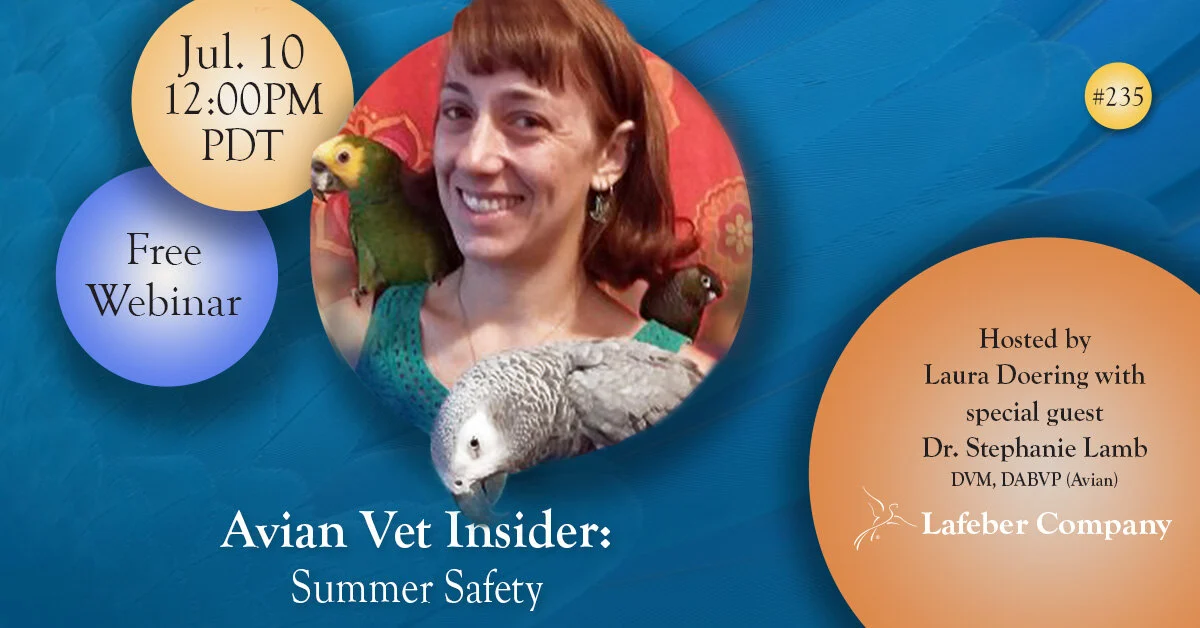
As the Northern Hemisphere anticipates the peak of summer, a critical online educational event is set to address the unique challenges and imperative safety measures for avian companions. On Friday, July 10, 2026, at 12:00 p.m. PDT, pet bird owners and enthusiasts worldwide are invited to participate in the "Avian Vet Insider – Summer Safety" webinar. This timely session, featuring the distinguished expertise of Stephanie Lamb, DVM, DABVP (Avian Practice), aims to equip attendees with practical knowledge and actionable strategies to ensure their feathered friends remain healthy and comfortable during the warmer months. The webinar’s focus is particularly pertinent as it coincides with National Pet Hydration Month, underscoring the vital importance of proper hydration for avian health.
Contextualizing Avian Summer Safety
The advent of summer brings with it a host of environmental changes that can significantly impact the well-being of pet birds. Rising temperatures, increased humidity, longer daylight hours, and an altered outdoor environment all pose distinct challenges that require proactive management from caregivers. Unlike many mammals, birds possess a highly efficient respiratory system but lack sweat glands, making them particularly susceptible to overheating. Their primary mechanisms for thermoregulation include panting, gular fluttering (rapid vibration of the floor of the mouth and upper throat), and behavioral adaptations like seeking shade. When these mechanisms are overwhelmed by excessive heat, birds can quickly suffer from heat stress or, more severely, heatstroke, which can be fatal.
The timing of this webinar in early July, a period typically marking the onset of the hottest part of summer in many regions, is strategically chosen. It provides an opportune moment for pet owners to review and implement safety protocols before extreme heat waves become prevalent. Educational initiatives like this are crucial for bridging the knowledge gap between general pet care and the specialized needs of avian species, which are often misunderstood or overlooked compared to more common pets like cats and dogs.
Dr. Stephanie Lamb: A Beacon of Avian Expertise
The webinar’s central figure, Dr. Stephanie Lamb, brings a wealth of specialized knowledge to the discussion. Her designation as a Doctor of Veterinary Medicine (DVM) signifies her fundamental training in veterinary science. Crucially, her additional credential, Diplomate of the American Board of Veterinary Practitioners (DABVP) in Avian Practice, elevates her status to that of a board-certified specialist. This certification is a rigorous process involving extensive post-doctoral training, advanced clinical experience, and a demanding examination, signifying a profound level of expertise in the diagnosis, treatment, and prevention of diseases in avian species.
The DABVP (Avian Practice) credential is a testament to Dr. Lamb’s commitment to advanced avian medicine and her capacity to provide the highest standard of care and advice for pet birds. Her participation ensures that the information disseminated during the webinar is not only accurate and evidence-based but also delivered with the nuanced understanding of a clinician dedicated solely to avian health. Her insights are invaluable for navigating the complexities of avian physiology and behavior, particularly concerning environmental stressors like heat and dehydration.
National Pet Hydration Month: A Timely Focus
The webinar’s dual emphasis on summer safety and hydration is particularly relevant given its alignment with National Pet Hydration Month. While the exact origins and widespread promotion of this observance can vary, its intention is clear: to raise awareness among pet owners about the critical importance of adequate water intake for their animals. For birds, hydration is fundamental to virtually every physiological process, including nutrient transport, temperature regulation, waste elimination, and joint lubrication.
Dehydration in birds can manifest rapidly and lead to serious health complications. Signs can be subtle and easily missed by an untrained eye, making expert guidance essential. Dr. Lamb’s discussion will delve into recognizing these crucial signs, which may include lethargy, sunken eyes, dry mucous membranes, increased thirst (though sometimes birds hide this), and changes in droppings. Furthermore, she will provide practical, simple strategies to encourage consistent water intake, such as offering multiple water sources, ensuring water is fresh and clean, considering electrolyte supplements in specific situations, and incorporating moisture-rich foods into their diet. The emphasis here is on proactive prevention rather than reactive treatment, highlighting the critical role of daily hydration in maintaining a bird’s resilience against summer’s heat.
The Perils of Summer: Beyond Heat and Hydration
While heat stress and dehydration are paramount concerns, summer presents a broader spectrum of risks for pet birds that will likely be addressed in the webinar. These include:
- Pesticides and Herbicides: Increased outdoor activity in gardens and yards often involves the use of chemicals. Birds, with their sensitive respiratory systems and tendency to explore with their beaks, are highly vulnerable to toxic exposure from contaminated surfaces, plants, or even airborne particles.
- Open Windows and Doors: With warmer weather, windows and doors are often left open for ventilation, creating escape opportunities for pet birds. An escaped bird faces immediate dangers from predators, traffic, and starvation, often struggling to survive outside its accustomed environment.
- Fans and Air Conditioning: While beneficial for cooling, improper placement of fans can create drafts that stress birds, and some birds might become entangled in uncovered fan blades. Air conditioning, while necessary, can also lead to overly dry air, which can affect a bird’s respiratory system if humidity levels are not monitored.
- Outdoor Encounters: Birds housed outdoors or those taken outside for supervised enrichment can come into contact with wild birds, which may carry diseases such as West Nile Virus, Avian Pox, or various parasites. This risk underscores the importance of proper enclosure design and hygiene.
- Dietary Changes and Food Spoilage: Warm temperatures accelerate the spoilage of fresh foods like fruits, vegetables, and sprouts. Owners must be diligent about removing uneaten fresh foods quickly to prevent bacterial growth and potential gastrointestinal issues.
- Sunlight Exposure: While natural sunlight is vital for vitamin D synthesis and overall well-being, excessive, unfiltered exposure can lead to heatstroke or sunburn, especially for birds with less feathering. Providing shaded areas is crucial.
- Travel Safety: Many families travel during the summer. If birds accompany them, ensuring safe, stress-free transport in appropriate carriers with access to water and ventilation is paramount. Leaving birds unattended in hot vehicles, even for short periods, can be fatal.
The Broader Impact of Avian Veterinary Education
The "Avian Vet Insider" series and similar educational initiatives play a pivotal role in advancing pet welfare. Historically, avian veterinary medicine was a niche field, with many general practitioners having limited specific training in bird care. However, with the increasing popularity of birds as companion animals and a growing appreciation for their complex needs, there has been a corresponding rise in specialized avian veterinary practices and educational resources.
Webinars, in particular, leverage digital platforms to democratize access to expert knowledge. Geographic barriers are removed, allowing pet owners from diverse locations to benefit from specialists like Dr. Lamb. This accessibility fosters a more informed pet-owning community, leading to better preventive care, earlier recognition of health issues, and improved overall quality of life for pet birds. The implications extend beyond individual pets; a more knowledgeable public can contribute to broader advocacy for avian welfare and responsible pet ownership.
Moreover, these events highlight the commitment of organizations like Lafeber Company, which is known for its high-quality avian nutrition products, to not only provide essential dietary needs but also to educate the community. By hosting such a webinar, Lafeber reinforces its position as a holistic partner in avian health, understanding that nutrition is just one component of comprehensive care. This collaborative approach between veterinary professionals and industry leaders significantly strengthens the ecosystem of support available to pet bird owners.
Chronology of Proactive Care
The progression of summer demands a continuous and adaptive approach to pet bird care.
- Early Summer (June): This period often sees the initial rise in temperatures. Owners should begin assessing their bird’s environment, ensuring proper ventilation, access to fresh water, and reviewing emergency plans for potential power outages or extreme heat events. This is also a good time to schedule routine veterinary check-ups before the peak heat.
- Mid-Summer (July – August): These months typically present the highest risk for heat-related illnesses. Vigilance regarding water intake, temperature monitoring, and identifying subtle signs of distress becomes critical. The webinar on July 10, 2026, is perfectly positioned to reinforce these practices at the height of the risk period.
- Late Summer (September): As temperatures gradually recede, owners should continue to monitor their birds closely, as fluctuating weather can still pose challenges. Attention to diet and feather health, which can be impacted by summer stressors, remains important.
This chronological framework underscores that summer safety is not a one-time consideration but an ongoing commitment requiring constant awareness and adjustment.
Anticipated Discussions and Practical Takeaways
Attendees of the "Avian Vet Insider – Summer Safety" webinar can expect a comprehensive session covering various facets of avian care during warm weather. Dr. Lamb is anticipated to provide detailed guidance on:
- Environmental Management: Optimal cage placement (away from direct sun, drafts), ventilation techniques, and the use of misting or bird baths to encourage natural cooling.
- Hydration Strategies: Creative ways to encourage water consumption, types of water dishes, cleanliness protocols, and when to consider veterinary-approved electrolyte solutions.
- Recognizing Distress: A thorough explanation of the signs of heat stress, dehydration, and other summer-related ailments, emphasizing early detection.
- Emergency Preparedness: Steps to take in case of an avian emergency, including immediate first aid and knowing when to seek urgent veterinary care.
- Dietary Considerations: Adjusting diets for summer, managing perishable foods, and the role of fresh fruits and vegetables in hydration.
- Outdoor Safety: Safe ways to allow birds outdoor time, predator prevention, and minimizing exposure to environmental toxins.
The interactive nature of a live webinar often allows for Q&A sessions, providing participants with the invaluable opportunity to directly ask specific questions related to their birds or unique circumstances. This direct engagement with a board-certified avian veterinarian is a significant draw for many attendees.
Registration and Accessibility
The webinar is scheduled for Friday, July 10, 2026, at 12:00 p.m. PDT. Recognizing the global nature of pet ownership, participants are strongly encouraged to utilize the provided time zone converter link (https://www.timeanddate.com/worldclock/converter.html) to accurately determine the local start time in their respective regions. This attention to detail ensures maximum accessibility for a worldwide audience. Registration is facilitated through a dedicated Zoom link (https://us02web.zoom.us/webinar/register/WN_HFBTTMyITByTDwuACEkvQg), making the process straightforward and accessible to anyone with an internet connection.
In conclusion, the "Avian Vet Insider – Summer Safety" webinar represents a vital educational opportunity for anyone caring for pet birds. By addressing the critical issues of summer heat, hydration, and a range of other seasonal risks, and by leveraging the expertise of Dr. Stephanie Lamb, the event stands to significantly enhance the safety and well-being of countless feathered companions. It underscores the ongoing commitment within the avian veterinary community and among pet care providers to empower owners with the knowledge necessary for responsible and compassionate care, fostering a healthier future for pet birds worldwide.

