


A groundbreaking scientific study has unveiled a sobering reality for wildlife conservation: returning rescued animals to their natural habitats does not always guarantee a successful reintegration. In a significant number of cases, creatures that have spent time in captivity face perilous challenges upon release, transforming what should be a sanctuary into what researchers are now describing as a "death trap." This research, published in the esteemed journal Global Ecology and Conservation, casts a critical light on the effectiveness and potential pitfalls of contemporary wildlife rescue and release programs, particularly for highly territorial and vulnerable species.
The Hidden Dangers of Reintroduction: A Case Study of Bengal Slow Lorises
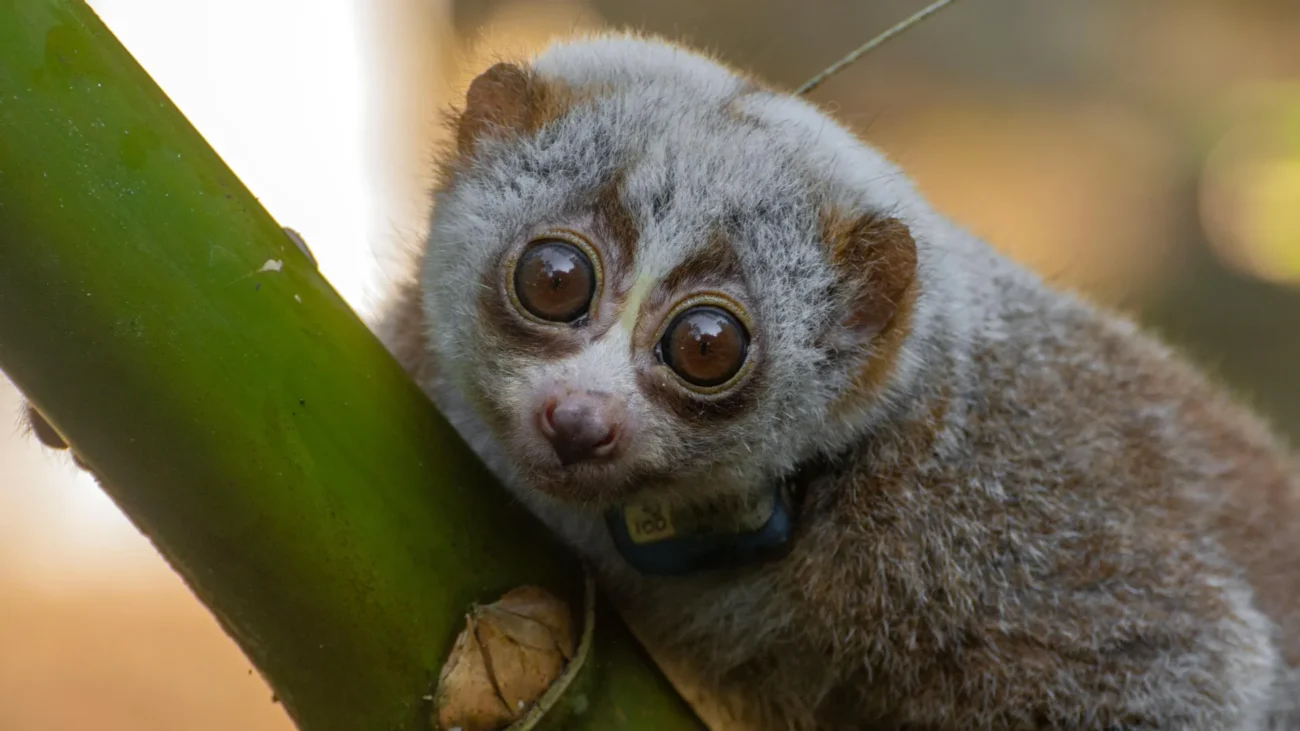
The study, a collaborative effort involving primatologist Professor Anna Nekaris OBE from Anglia Ruskin University, alongside experts from the conservation group Plumploris e.V. and the University of Western Australia, focused on the fate of Bengal slow lorises (Nycticebus bengalensis) following their release in Bangladesh. These elusive primates, characterized by their large, captivating eyes and seemingly gentle demeanor, have unfortunately become highly sought after in the illegal wildlife trade. This demand has placed them among the most trafficked primates globally, pushing all slow loris species to the brink, with classifications ranging from Critically Endangered to Vulnerable by the International Union for Conservation of Nature (IUCN). Their threatened status necessitates frequent rescue operations and subsequent release initiatives aimed at bolstering wild populations. However, this new research suggests that these well-intentioned efforts can, in some instances, lead to tragic outcomes.
A Critical Examination of Release Protocols
The research team meticulously tracked nine Bengal slow lorises after fitting them with radio collars and releasing them into a national park in northeastern Bangladesh, a location previously utilized for wildlife reintroductions. The findings were stark and deeply concerning. Of the nine animals released, a mere two survived. Three individuals perished within a mere ten days of their return to the forest, and an additional four died within the subsequent six months. Post-release investigations by the researchers allowed for the recovery of four of the seven deceased animals. Autopsies and examination of these remains revealed a consistent and disturbing cause of death: fatal injuries inflicted by other slow lorises.
Territorial Aggression and the Deadly Bite: Understanding the Slow Loris’s Defense
The study’s results underscore the critical importance of understanding species-specific behaviors when planning reintroductions. Slow lorises are inherently territorial creatures. Compounding this is their unique biological characteristic: they are the world’s only venomous primates. They possess specialized teeth capable of delivering a potent toxin. The recovered lorises exhibited clear signs of severe bite wounds on their heads, faces, and digits, providing undeniable evidence that deadly territorial conflicts were the primary reason for their demise.
Further analysis revealed a correlation between the duration of captivity and survival rates post-release. Animals that had spent longer periods in captivity tended to survive for significantly shorter durations in the wild. Moreover, the released lorises displayed behavioral anomalies; they exhibited increased movement and appeared more alert than their wild counterparts typically do. This heightened vigilance and restlessness may be indicative of stress or an inability to navigate their new environment effectively.
The two lorises that did survive had a notable pattern in common: they traveled across considerably larger territories than those that succumbed. This observation suggests that successful survival in this context was contingent upon the ability to establish new territories, moving away from established resident populations and thus avoiding direct confrontations. This highlights a crucial aspect of reintroduction: the capacity of the individual animal to adapt and find suitable, unoccupied space within a potentially already saturated ecosystem.
Reassessing Conservation Strategies: Beyond the Rescue
The disparity in monitoring efforts between large, charismatic species and smaller, less conspicuous ones is a significant concern. While big cats, for example, often benefit from intensive post-release tracking, the outcomes for many smaller species frequently remain undocumented. This lack of follow-up means that conservationists may be unaware of the true success rates of their release programs, potentially continuing practices that are ineffective or even detrimental.
Professor Anna Nekaris OBE, a Senior Author on the study and a leading figure in primate conservation, emphasized the need for a paradigm shift in how rescued animals are handled. "It’s assumed that returning confiscated or rescued animals to the wild is always a positive conservation story," she stated. "Our research shows that for highly territorial species like slow lorises, releasing them into areas that are already densely populated can be a death trap."
Professor Nekaris further elaborated on the public perception versus scientific reality. "Many rescued endangered species are often released because the public expects it, but for animals such as the Bengal slow loris, this is not always the best course of action. Without fully understanding the animal’s behaviour, its time spent in captivity, and the density of resident populations at the release site, reintroductions may do more harm than good." This sentiment underscores the ethical imperative for conservation efforts to be guided by rigorous scientific data rather than solely by public sentiment or logistical ease.
Hassan Al-Razi, the lead author of the study and the team leader of Plumploris e.V. Bangladesh, echoed these concerns, pointing to the widespread, yet often inappropriate, implementation of rescue and release programs in Bangladesh. "Rescue and release have become an increasingly common practice in Bangladesh," Al-Razi noted. "Many wild animals, including slow lorises, are rescued and subsequently released back into the wild. However, in many cases, these releases are conducted inappropriately. For forest-dwelling species, release sites are often selected based on logistical convenience rather than ecological suitability. As a result, certain forests have effectively become dumping grounds for rescued animals and are no longer appropriate release sites."
Al-Razi concluded with a broader implication of the research: "Although our research has focused on the Bengal slow loris and demonstrated the consequences of such practices, we believe similar patterns likely affect many other species." This suggests that the issues identified in the Bengal slow loris reintroduction may be indicative of systemic problems within wildlife conservation practices globally, particularly for species with complex social structures and territorial behaviors.
The Critical Factors for Successful Reintroduction
The researchers have put forth several key recommendations to improve the success rates of wildlife release programs. Paramount among these is the need for meticulous planning. This includes a thorough evaluation of the suitability of the proposed release site, taking into account factors such as habitat quality, food availability, and the presence and density of existing wild populations. Equally crucial is a comprehensive assessment of the physical and psychological condition of each individual animal slated for release. Animals that have been in captivity for extended periods may require specialized rehabilitation programs to re-acclimate them to natural foraging, predator avoidance, and social interactions.
Long-term monitoring of released animals is another vital component that has been largely overlooked for many species. This ongoing observation allows conservationists to assess survival rates, understand post-release behavior, identify challenges, and adapt conservation strategies accordingly. Tailored rehabilitation guidelines, developed with a deep understanding of each species’ unique biology and ecology, are essential. These guidelines should address not only the physical health of the animal but also its behavioral readiness for life back in the wild.
Broader Implications for Global Conservation Efforts
The findings of this study have profound implications for the broader field of wildlife conservation. They highlight a critical need for a shift from a reactive "rescue and release" mentality to a more proactive and scientifically informed approach. This involves:
- Species-Specific Risk Assessments: Before any release, a thorough assessment of the species’ social structure, territoriality, and any unique biological traits (like venom) must be conducted.
- Habitat Suitability Analysis: Release sites must be chosen based on ecological criteria, not convenience. This includes ensuring adequate resources and minimizing competition with resident populations.
- Individual Animal Readiness: The rehabilitation process needs to be tailored to the individual animal’s history in captivity and its specific needs to thrive in the wild.
- Post-Release Monitoring: Implementing robust, long-term monitoring programs is essential to gather data on the actual success of reintroductions and to learn from failures.
- Public Education: It is crucial to educate the public about the complexities of wildlife rescue and release, managing expectations and fostering support for science-based conservation practices.
The illegal wildlife trade continues to be a major driver of species decline. While rescuing animals from this trade is a necessary first step, the subsequent release process demands a level of scientific rigor and ethical consideration that appears to be lacking in many current practices. The Bengal slow loris case serves as a stark warning: a failed release can not only fail to help the individual animal but can also negatively impact the existing wild population and misdirect valuable conservation resources. As Professor Nekaris and Al-Razi suggest, the lessons learned from this study are likely applicable to numerous other species facing similar threats, urging a global re-evaluation of how we approach the critical task of returning wildlife to their natural homes. The goal of conservation is recovery, and achieving that goal requires understanding the full spectrum of challenges, not just the initial rescue.

