


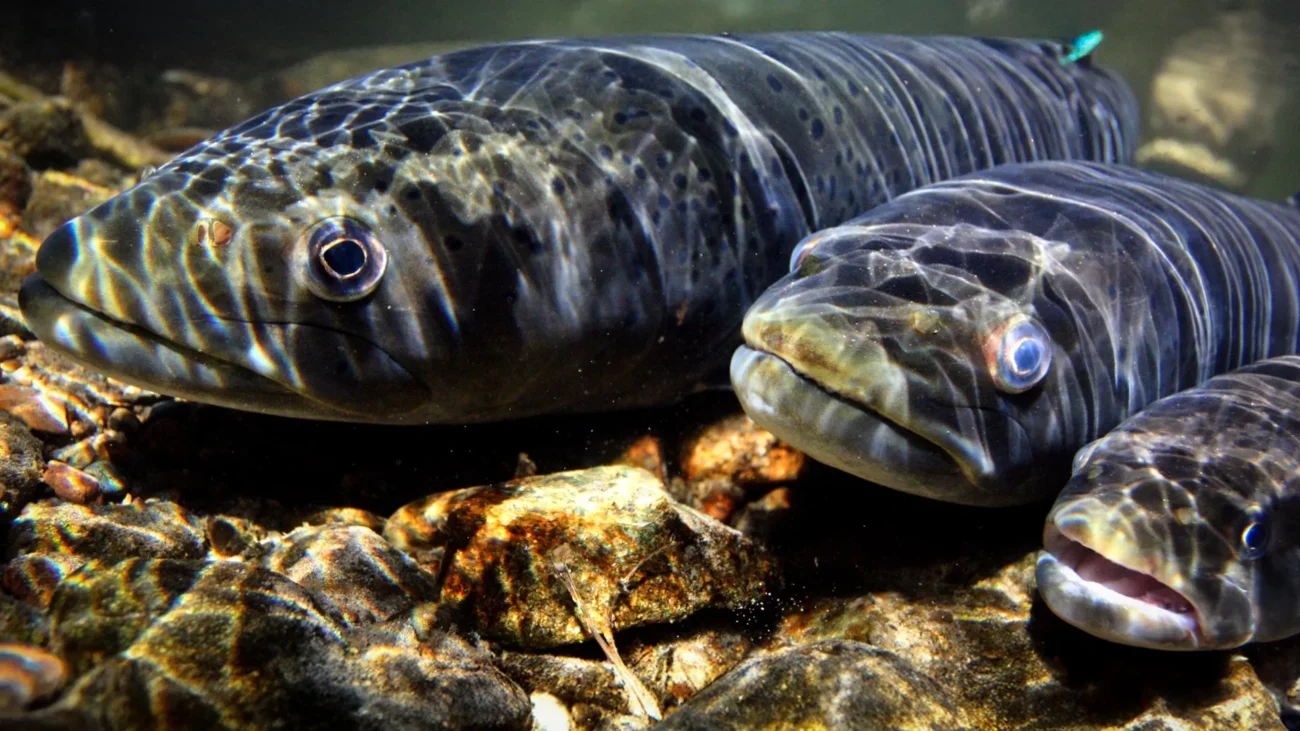
The silent journeys of the world’s most vital aquatic travelers are in peril. A groundbreaking report released by the Convention on the Conservation of Migratory Species of Wild Animals (CMS), a United Nations environmental treaty, paints a stark picture of rapidly disintegrating underwater highways. The "Global Assessment of Migratory Freshwater Fishes," unveiled at the CMS 15th Meeting of the Conference of the Parties (COP15) in Brazil, reveals that migratory freshwater fish, critical to the health of river systems, global food security, and the livelihoods of hundreds of millions, are among the planet’s most threatened species.
The assessment, a culmination of extensive global data analysis and IUCN evaluations of nearly 15,000 freshwater fish species, identifies a staggering 325 migratory freshwater fish species as candidates for international conservation efforts. This number, in addition to the 24 species already listed under the Convention’s Appendices I (requiring strict protection) and II (needing international cooperation), underscores a profound and largely overlooked biodiversity crisis unfolding within shared river systems worldwide. The report unequivocally states that these aquatic nomads, reliant on connected waterways that often traverse national borders, are experiencing precipitous declines. The primary culprits identified are dam construction, pervasive habitat fragmentation, escalating pollution, unsustainable fishing practices, and the increasingly disruptive impacts of climate change on delicate aquatic ecosystems.
Hundreds of Migratory Fish Species Demand Global Action
The findings of the Global Assessment are a clarion call for coordinated international action. The report meticulously details the dire conservation status of hundreds of species that undertake epic migrations. These journeys are not mere biological curiosities; they are essential for maintaining the ecological balance of rivers, supporting robust inland fisheries that feed communities, and providing sustenance and economic opportunities for vast populations.
The sheer scale of the challenge is highlighted by the regional breakdown of the 325 species identified as potential candidates for international protection. While specific numbers per continent are complex due to species overlapping across regions, key river systems flagged as high-priority areas for conservation intervention include South America’s mighty Amazon and La Plata-Paraná basins, Europe’s iconic Danube River, Asia’s vital Mekong, Africa’s historic Nile, and the Ganges-Brahmaputra system on the Indian subcontinent. These vital arteries of freshwater life are the arteries of human civilization and biodiversity.
A Freshwater Biodiversity Crisis Largely Ignored
While declines in terrestrial and marine species often capture public and political attention, the collapse of migratory freshwater fish populations has remained a significantly under-addressed issue. Yet, the data is unequivocal: animals inhabiting freshwater ecosystems are disappearing at a faster rate than their counterparts on land or in the oceans. These species are uniquely vulnerable due to their dependence on long, unimpeded river pathways that connect crucial life stages – from spawning grounds to feeding areas and vital nursery habitats in floodplains.
The disruption of these essential aquatic corridors, often spanning multiple countries, has devastating consequences. The construction of dams, alterations in natural water flow regimes, and widespread habitat degradation sever these vital connections, leading to rapid and often irreversible population collapses. The report estimates a staggering decline of approximately 81% in migratory freshwater fish populations globally since 1970. The situation is so dire that nearly all (97%) of the 58 migratory fish species already listed by CMS, encompassing both freshwater and saltwater species, are now facing extinction.
The Amazon Basin: A Last Bastion Under Threat
Brazil, as the host nation for COP15, has taken a leading role in proposing critical conservation measures, particularly for South America’s immense Amazon and La Plata-Paraná river systems. The Amazon Basin, a recognized stronghold for migratory freshwater fish, is increasingly succumbing to mounting development pressures, jeopardizing its status as a vital refuge.
A supplementary case study released alongside the global assessment focuses on the Amazon, identifying 20 migratory fish species that meet the criteria for inclusion in CMS Appendix II. These long-distance migrants are foundational to regional fisheries, accounting for an estimated 93% of total fish landings and underpinning an industry valued at approximately US$436 million annually.
Among these remarkable travelers is the dorado (gilded) catfish (Brachyplatystoma rousseauxii). This bottom-dwelling species, distinguished by its metallic gold or silver sheen and substantial size, capable of reaching up to 2 meters (6.5 feet) in length, undertakes the longest known freshwater migration of any fish. Its life cycle necessitates an astonishing journey of 11,000 kilometers, from the headwaters of the Andes mountains all the way to coastal nursery areas.
To bolster conservation efforts for these critical species, Brazil, in collaboration with other nations, is championing a Multi-species Action Plan for Amazonian Migratory Catfish, slated for implementation between 2026 and 2036. This initiative exemplifies the regional cooperation necessary to address the transboundary nature of these ecological challenges.
Furthermore, Brazil has proposed the addition of the spotted sorubim catfish (Pseudoplatystoma corruscans) to CMS Appendix II. This proposal highlights the urgent need for coordinated action within the La Plata Basin, where these fish are facing severe threats from dam construction, altered water flow regimes, and intense fishing pressure. These proposed actions represent some of the most ambitious international endeavors to date aimed at safeguarding migratory freshwater fish, reinforcing the core CMS principle that conservation strategies must encompass the entire geographic range of migratory species and depend on robust inter-country collaboration.
Experts Sound the Alarm: Urgent Call for Global Cooperation
The urgency of the situation has been underscored by leading scientists and conservationists. Dr. Zeb Hogan, the lead author of the assessment, emphasized the critical importance of transboundary cooperation. "Many of the world’s great wildlife migrations take place underwater," he stated. "This assessment shows that migratory freshwater fish are in serious trouble, and that protecting them will require countries to work together to keep rivers connected, productive, and full of life."
Amy Fraenkel, Executive Secretary of CMS, highlighted the report’s significance in bringing a neglected conservation priority to the forefront. "This new assessment highlights a major priority for the conservation of migratory species and their habitats, that has not had adequate focus to date," she remarked. "By aligning science, policy and international cooperation, governments can safeguard the world’s remaining great freshwater fish migrations and the communities and ecosystems that depend on them."
Michele Thieme, Vice President and Deputy Lead of Freshwater at World Wildlife Fund-US, articulated the fundamental challenge: "Rivers don’t recognize borders — and neither do the fish that depend on them. The crisis unfolding beneath our waterways is far more severe than most people realize, and we are running out of time. Rivers need to be managed as connected systems, with coordination across borders, and investments in basin-wide solutions now before these migrations are lost forever."
By the Numbers: The Scale of Global Migratory Fish Decline
The Global Assessment of Migratory Freshwater Fishes provides stark quantitative evidence of the crisis:
- 81% decline: Migratory freshwater fish populations have decreased by an average of 81% worldwide since 1970.
- 97% threatened: Of the 58 migratory fish species already listed by CMS (freshwater and saltwater combined), 97% are threatened with extinction.
- 325 species identified: An additional 325 migratory freshwater fish species have been identified as candidates for international conservation efforts, highlighting the vast scale of the crisis.
- Economic significance: Migratory fish in the Amazon alone contribute approximately US$436 million annually to regional fisheries.
Pathways Forward: Practical Steps for Governments
The report outlines concrete, actionable steps that governments can implement immediately to reverse the alarming trend. These include:
- Establishing and enforcing protected areas: Creating and effectively managing marine, freshwater, and terrestrial protected areas that encompass critical migratory corridors and habitats.
- Restoring river connectivity: Prioritizing the removal of obsolete dams and the implementation of fish-friendly passage solutions to reconnect fragmented river systems.
- Reducing pollution: Strengthening regulations and enforcement mechanisms to curb pollution from agricultural, industrial, and urban sources that degrade aquatic habitats.
- Sustainable fisheries management: Implementing science-based fishing quotas, gear restrictions, and seasonal closures to prevent overfishing.
- Climate change adaptation: Developing and implementing strategies to mitigate the impacts of climate change on freshwater ecosystems and migratory species, such as managing water flows and protecting riparian habitats.
- International cooperation: Fostering strong partnerships between nations to manage shared river basins and migratory species as integrated systems, transcending national boundaries.
The convention’s COP15 meeting, which convened in Brazil, served as a crucial platform for discussing and adopting these vital conservation measures. The discussions and proposed actions emanating from this gathering signal a growing recognition of the interconnectedness of freshwater ecosystems and the urgent need for a unified global response to protect these imperiled aquatic travelers. The fate of these magnificent creatures, and the health of the planet’s vital freshwater systems, hinges on the swift and decisive action of governments worldwide. The time to act is now, before these essential migrations are silenced forever.

