


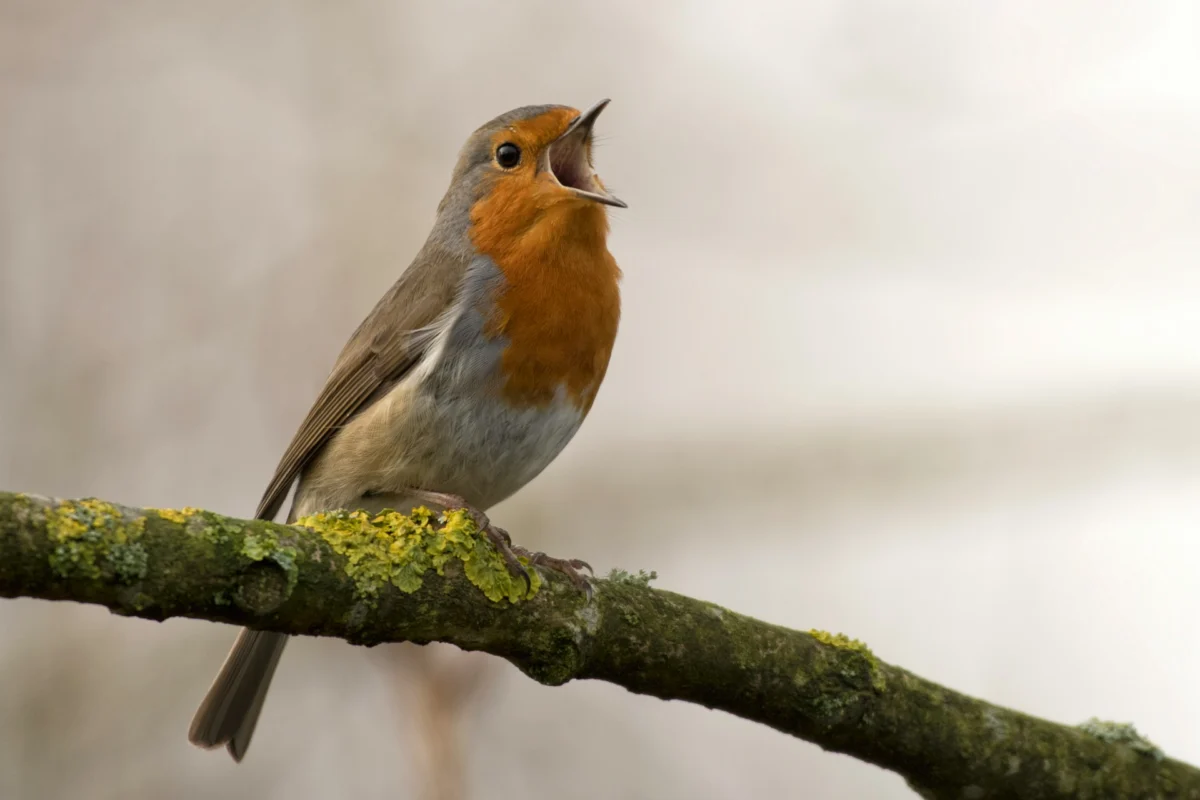
The diversity of avian plumage is a cornerstone of evolutionary biology, serving functions that extend far beyond simple aesthetics. Among the most recognizable patterns in the bird world is the combination of brown or muted upperparts paired with a distinct orange or reddish-orange breast. While bird enthusiasts often seek out these specific colorations for identification, the underlying biological mechanisms—pigmentation and light refraction—offer a deeper insight into how species adapt to their environments. A survey of global avian species reveals that this specific color profile is not merely a random occurrence but a strategic adaptation influenced by habitat, diet, and reproductive necessity.

The Biological Mechanism of Feather Coloration
To understand why a bird displays a specific color, one must examine the two primary ways feathers achieve their hue: chemical pigmentation and physical structure. Pigments are chemical compounds that absorb specific wavelengths of light and reflect others. In the context of brown and orange birds, the most significant pigment is melanin. Melanin is synthesized internally by the bird and is responsible for the spectrum of blacks, browns, grays, and even certain dull orange tones. Because melanin is biologically "cheaper" to produce than other pigments—requiring less energy and no specialized diet—it is the most common coloration found in nature.
Conversely, brighter, more vivid colors often rely on carotenoids. Unlike melanin, birds cannot synthesize carotenoids internally; they must ingest them through their diet, typically by consuming fruits, seeds, or insects rich in these compounds. This makes the intensity of an orange or red breast a "signal of quality." In many species, a brighter breast suggests the male is an efficient forager and in good physical health, which in turn influences female mate selection.
It is essential to distinguish these from structural colors, such as blue. There is no blue pigment in bird feathers. Instead, blues are created by the scattering of light through the microscopic structure of the feather barbs, a phenomenon known as Tyndall scattering. Because the brown and orange birds featured here rely on pigment, their colors are generally more stable and less dependent on specific lighting conditions than the iridescent hues of structural colors.
The Evolutionary Rationale for Muted Tones
The predominance of brown in these species is largely attributed to the necessity of camouflage. In evolutionary terms, birds that are more effectively camouflaged are less likely to be predated, thereby increasing their chances of reaching reproductive age. Females, who often bear the responsibility of incubation and brooding, are frequently more muted than their male counterparts to avoid drawing the attention of predators to the nest. This sexual dimorphism—a physical difference between the sexes—is a critical survival strategy. While the male may sport a flash of color to attract a mate, the female remains the anchor of the species’ continuity, protected by the earthy, blending tones of her plumage.
Notable Species and Their Ecological Niches
While the American Robin (Turdus migratorius) is the most familiar representative of this color profile in the Western Hemisphere, the global distribution of "brown-and-orange" birds spans multiple continents and specialized environments.
-
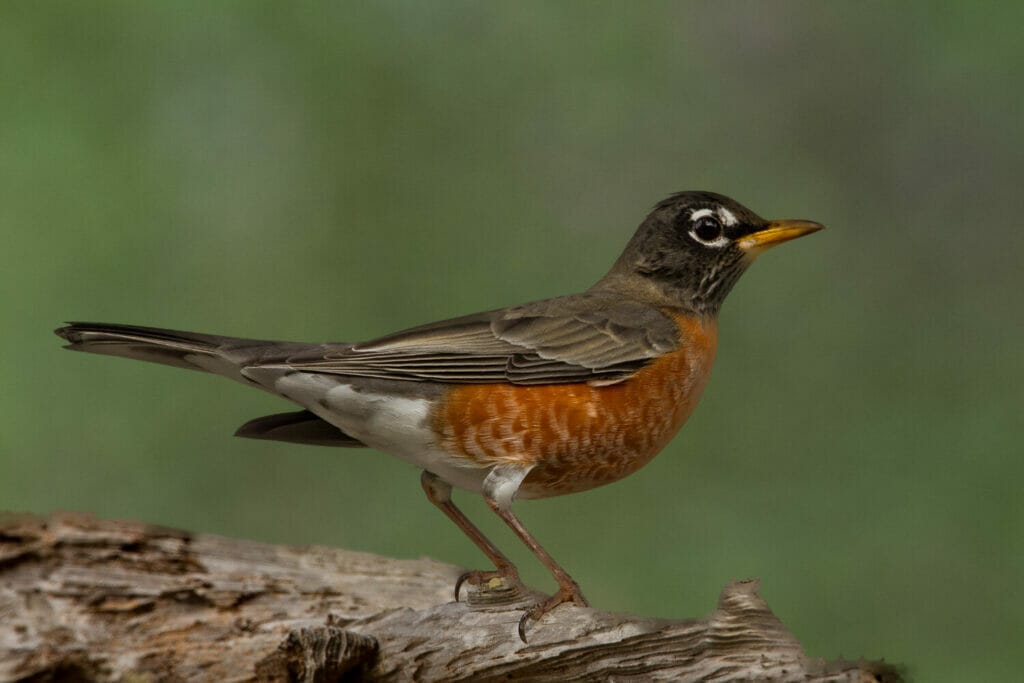
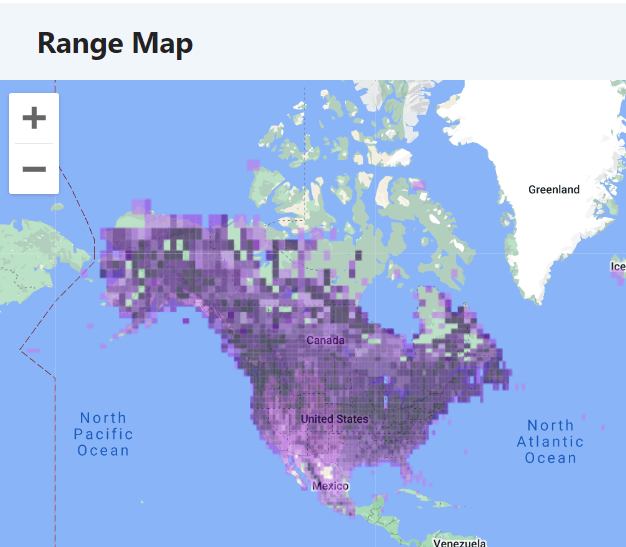
American Robin (Turdus migratorius): A member of the thrush family, this species is widespread across North America. Its success is attributed to its highly adaptable diet, which transitions from earthworms and insects in the spring to berries in the winter. Contrary to popular belief, they are not strictly migratory in the traditional sense; many remain in their breeding territories throughout the winter, provided there is a sufficient food supply.

-
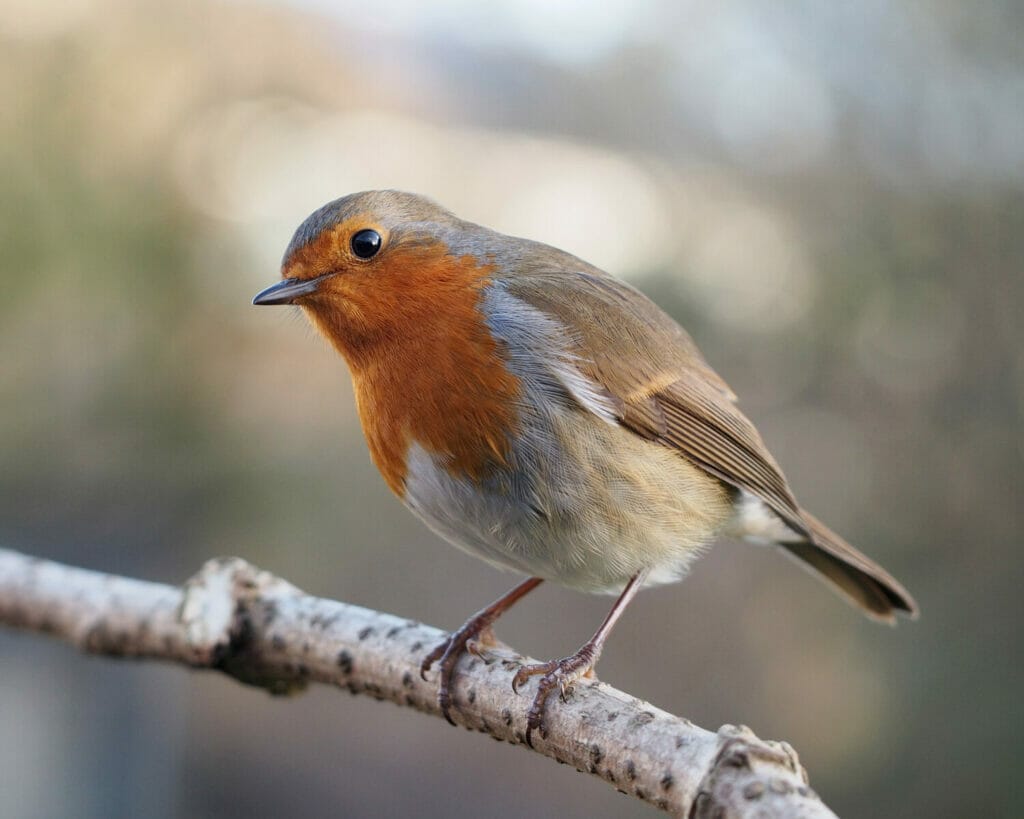
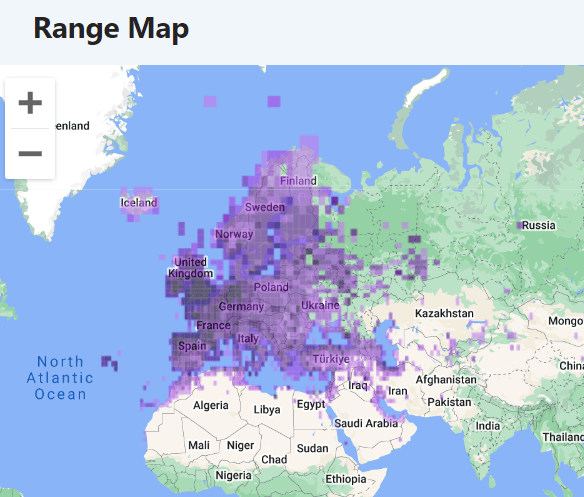
European Robin (Erithacus rubecula): Distinguishable by its smaller, rounder frame compared to its American cousin, the European Robin is a fixture of European folklore and literature. Its orange-red plumage extends from the breast up to the face, a feature that makes it highly territorial. Its vocalizations are complex, with songs that vary in frequency and melody depending on the season.
-
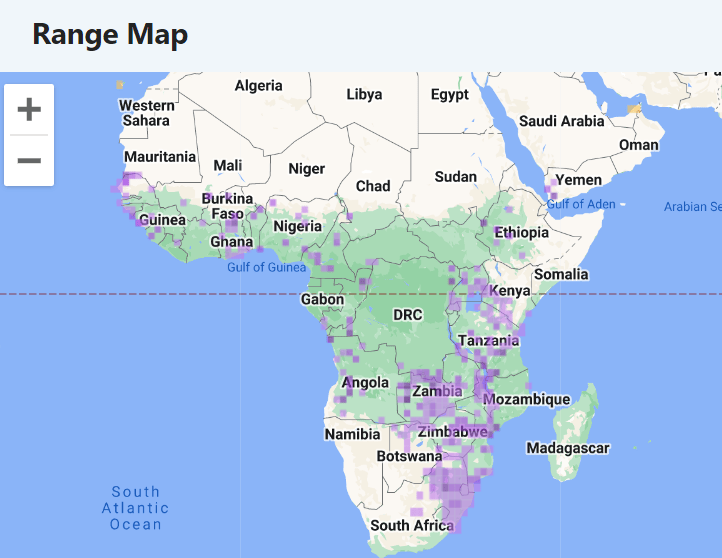
Zebra Waxbill (Amandava subflava): Found in sub-Saharan Africa, this small, rare bird serves as a case study in the importance of carotenoid-based signaling. The male’s vivid orange breast and red rump are essential during their formal, ritualized courtship displays, which involve precise bowing and preening movements.
-
Sharp-shinned Hawk (Accipiter striatus): As a raptor, the presence of orange on this bird serves a different purpose. The streaky orange breast is a byproduct of its plumage development as it matures. As a forest-dwelling predator, its brown back provides necessary concealment as it navigates dense canopy to hunt smaller birds.
-
Orange-breasted Trogon (Harpactes oreskios): Located in the low-level forests of Southeast Asia, this bird employs a unique hunting technique known as "sally-stalling." It maneuvers with high agility, stalling in front of prey before pouncing, an activity for which its specific coloration—a blend of cinnamon brown and orange—provides minimal distraction to the insects it hunts.
-
Russet-bellied Spinetail (Synallaxis zimmeri): Endemic to the Andean regions of Peru, this species highlights the precarious nature of specialized habitats. Currently classified as Vulnerable, its survival is threatened by habitat fragmentation. Its brown and russet coloration allows it to vanish into the scrubby, high-altitude vegetation of the Andes.
-
Orange-breasted Thornbird (Phacellodomus ferrugineigula): Native to the wetlands of South America, this elusive species remains under-studied. Its name reflects its color, but its behavior—nesting in complex, thorny structures—remains a subject of significant interest for ornithologists tracking the adaptation of marsh-dwelling birds.
-
European Stonechat (Saxicola rubicola): Named for its distinctive call, which mimics the sound of two stones being clicked together, the female of this species exhibits the classic brown and orange-buff patterning that serves as an effective disguise in the heathlands and meadows of Europe.
-
Brambling (Fringilla montifringilla): A finch that showcases the seasonal variability of plumage. During the non-breeding season, these birds display a warm orange breast that stands in stark contrast to their intricate, patterned wings. They are known for their spectacular migratory behavior, occasionally forming flocks that number in the millions across the European and Asian continents.

Data Trends and Conservation Implications
The distribution of these species provides a snapshot of avian health across different biomes. Ornithological data indicates that while species like the American Robin remain highly resilient due to their ability to thrive in human-altered landscapes, others, like the Russet-bellied Spinetail, are in decline. The primary driver for these declines is the loss of "habitat corridors." Birds that require specific, uninterrupted ecosystems cannot migrate or expand their ranges when those areas are broken up by agriculture or urban development.
Furthermore, research into the diet of these birds—specifically the transition from insectivorous to frugivorous diets—suggests that climate change is altering the availability of seasonal food sources. For instance, if insect populations peak earlier in the spring due to warming temperatures, birds that rely on these insects for their chicks may face a "phenological mismatch," where their breeding cycle no longer aligns with the peak availability of food.

Official Responses and Research Directions
Conservation bodies, such as the International Union for Conservation of Nature (IUCN), continue to monitor the status of these populations. The consensus among conservationists is that protecting these birds requires a focus on landscape-level management rather than just protecting individual species. By maintaining wetlands, preserving old-growth forests, and creating green corridors in urban environments, local and national governments can assist in stabilizing populations that are currently under pressure.
Conclusion: The Broader Impact
The study of birds with brown and orange plumage offers more than just a guide for birdwatchers; it provides a window into the evolutionary history and environmental stability of our planet. These birds represent a diverse range of survival strategies, from the generalist nature of the American Robin to the highly specialized, endangered existence of the Andean spinetails. Understanding the biological, dietary, and habitat needs of these species is a vital component of modern conservation. As we look to the future, the ability of these birds to adapt—or their failure to do so—will serve as a primary indicator of the health of the ecosystems they inhabit. The preservation of these species is not merely a matter of maintaining biodiversity; it is a necessity for the long-term ecological balance of the regions they call home.

