


As avian veterinary medicine continues to advance, pet bird ownership has evolved significantly, bringing a greater focus on specialized avian healthcare. While welcoming a companion parrot into a household offers immense companionship, it also demands rigorous preparation for medical emergencies. Because companion birds are delicate prey animals that naturally conceal signs of distress, minor injuries or sudden illnesses can quickly escalate into life-threatening crises. Establishing an emergency protocol before an incident occurs is widely recognized by avian specialists as the single most critical factor in ensuring a positive prognosis.
The Anatomy of Avian Vulnerability and Emergency Prevention
To understand the necessity of rapid intervention, one must examine the physiological makeup of psittacines. According to data from avian medical associations, a healthy parrot’s total blood volume accounts for approximately 10 percent of its overall body weight. For instance, a standard 100-gram cockatiel possesses roughly 10 milliliters of circulating blood. Veterinary toxicologists and clinicians emphasize that a loss exceeding 10 percent of this total volume—mere milliliters in smaller species—poses an immediate, severe threat to the animal’s life.
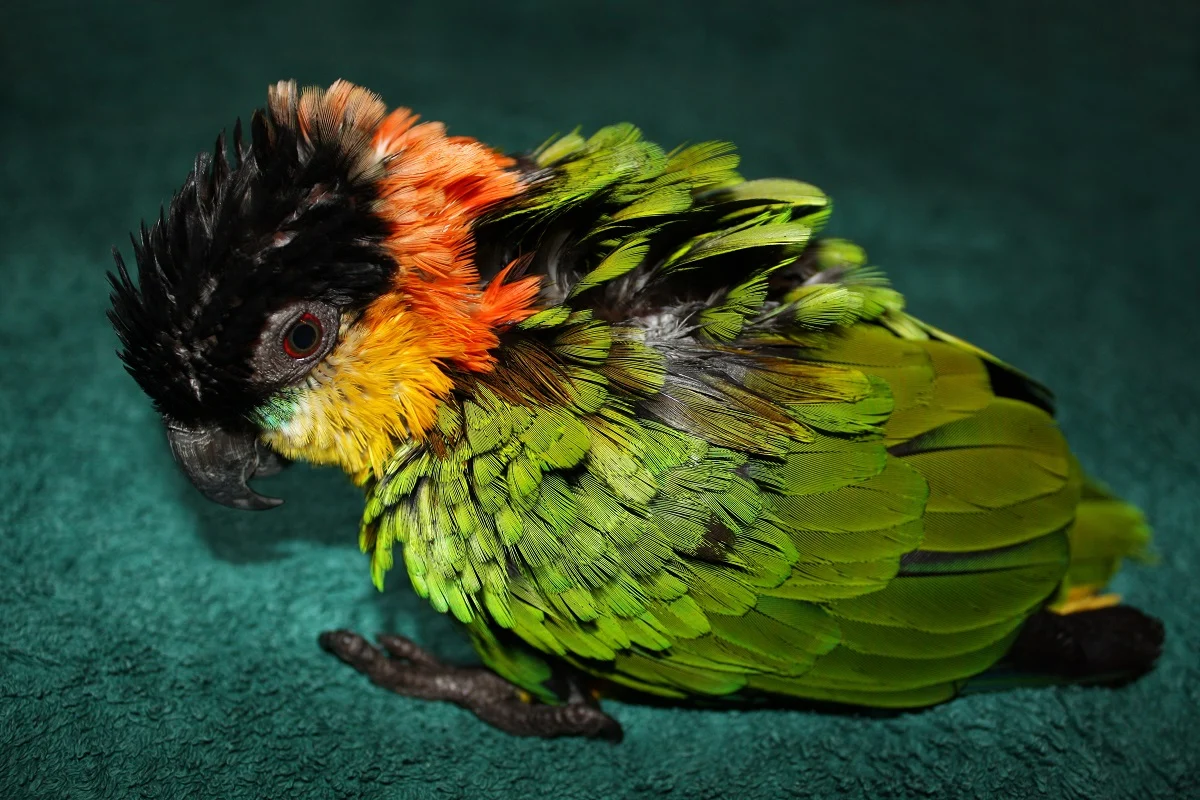
Compounding this physiological fragility is the evolutionary survival mechanism inherent to birds: masking symptoms of pain or weakness. In the wild, showing vulnerability marks an individual as a target for predators. Domesticated parrots retain this instinct, meaning that by the time an owner visually registers overt signs of illness, such as a fluffed posture, droopy head, or bottom-of-the-cage resting, the disease process is often critically advanced.
Veterinary epidemiologists stress that preventive management remains the cornerstone of avian health security. This involves strict environmental controls to eliminate household hazards. Curious and highly intelligent, parrots frequently investigate electrical wiring, toxic botanicals (such as common houseplants like Dieffenbachia), and open windows. Comprehensive "parrot-proofing" requires designated, secure living zones where toxic materials, non-avian-safe metals, and volatile chemical fumes—such as those emitted by polytetrafluoroethylene (PTFE) cookware—are entirely absent.
Establishing Veterinary Protocols and Chronology of Care
When an emergency strikes, the chronology of response dictates survival rates. Avian practitioners consistently recommend a phased approach that separates pre-planning from active crisis management.

Phase One: Pre-Emergency Networking
Long before any health crisis arises, bird owners are advised to establish a direct relationship with a certified avian veterinarian. Standard feline and canine practitioners frequently lack the specialized pharmacological and surgical training required for avian patients. Securing a reliable point of contact, saving emergency clinic telephone numbers, and establishing an emergency veterinary fund or specialized pet insurance policy are foundational steps. Avian medical procedures, diagnostic imaging, and critical oxygen therapy can incur significant costs, making financial preparedness a vital component of animal welfare.
Phase Two: Immediate Triage and Assessment
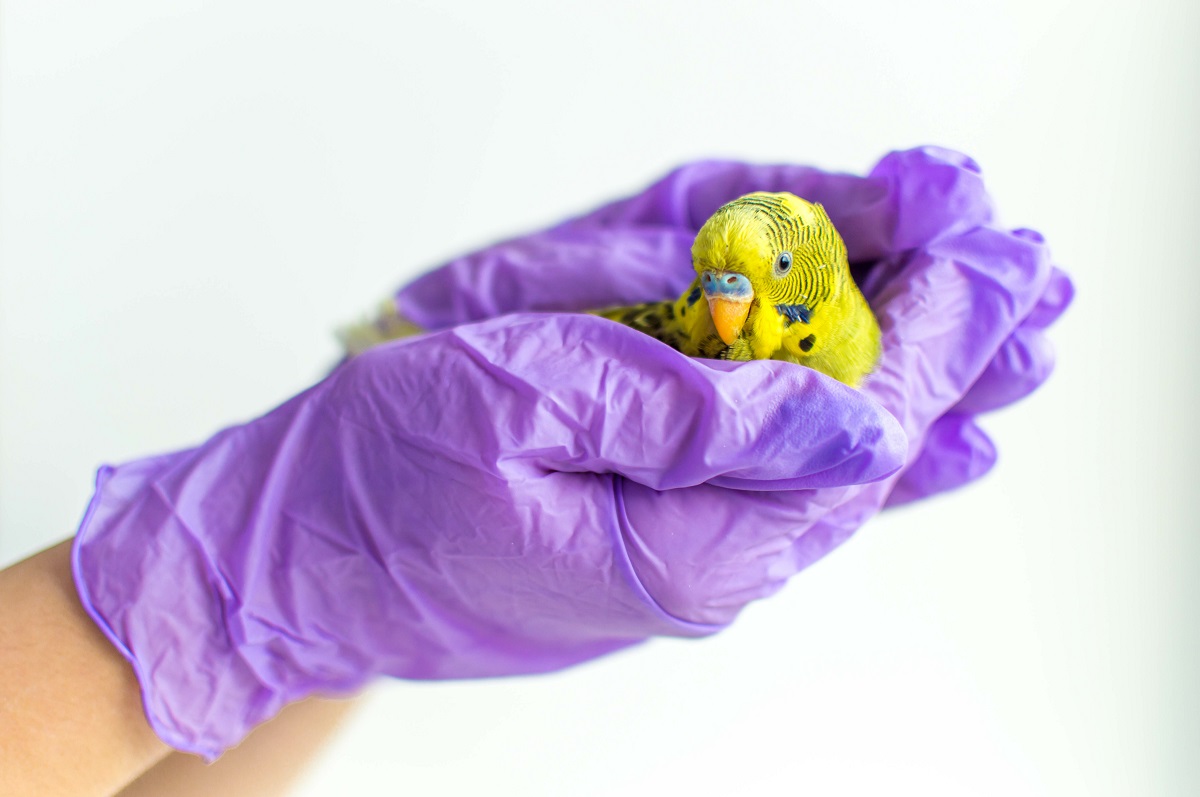
If a bird exhibits acute symptoms—such as respiratory distress, gaping, open-mouth breathing, neurological tremors, or unresponsiveness—immediate physical containment is necessary. Owners must place the animal into a darkened, padded travel carrier and contact the veterinary clinic while in transit.
Dr. Daisy May, a prominent resident veterinarian specializing in avian care, notes that stabilization during transit requires precise environmental adjustments. "Severely ill or traumatized birds experience profound shock, which can be fatal," Dr. May explains. "Furthermore, compromised birds cannot regulate their core body temperatures. Supplemental warmth, targeting approximately 85 degrees Fahrenheit (29 degrees Celsius), combined with a stress-free, darkened transport environment, is essential to mitigate shock."

Phase Three: First Aid and Stabilization While Awaiting Professional Care
In scenarios where immediate veterinary access is delayed due to geographic distance or operating hours, owners may need to administer basic first aid. Hemorrhage control is the primary objective in cases of physical trauma, such as a broken blood feather or laceration.
For superficial bleeding, the application of styptic powder combined with gentle digital pressure using sterile gauze is standard protocol. However, veterinary guidelines dictate strict limitations: if a wound penetrates a body cavity, such as the abdomen or thorax, styptic agents must be avoided. Instead, continuous, gentle pressure should be applied during transit.
Crucially, anyone administering pressure to an avian patient must ensure the bird’s respiratory mechanics are not impeded. Unlike mammals, birds lack a diaphragm and rely entirely on the dynamic expansion and contraction of the chest wall and sternum to breathe. Restricting this skeletal movement can cause rapid asphyxiation.

Hydration Assessment and Clinical Implications
Dehydration frequently accompanies systemic illness, vomiting, or diarrhea in avian patients. To evaluate hydration status accurately, clinicians utilize the basilic wing vein refill test. Located on the interior joint of the wing, this prominent blue vessel should display an immediate capillary refill when gently compressed and released. A refill time exceeding two seconds serves as a clinical indicator of moderate to severe dehydration, necessitating immediate veterinary fluid therapy, which may include subcutaneous or intravenous administration.
While specialized avian first aid kits should contain oral rehydration electrolyte sachets, experts caution against aggressive syringe-feeding in uncoordinated or severely lethargic birds. Inexperienced attempts to administer fluids orally can easily result in aspiration, where liquid enters the trachea and floods the lungs, causing acute respiratory failure. Safe syringe administration should only be attempted by individuals specifically trained by an avian veterinary professional.
Broader Impact and Industry Standards
The rising standards of companion bird care reflect a broader cultural shift toward recognizing exotic pets as sentient, high-maintenance charges requiring specialized medicine. Veterinary institutions and rescue organizations globally continue to campaign for mandatory pre-adoption education regarding avian first aid, recognizing that public awareness directly correlates with reduced mortality rates in domestic settings.

Ultimately, avian medical literature emphasizes that first aid and home remedies serve strictly as stabilization measures, not cures. The fragility of avian physiology mandates that professional veterinary intervention remains the ultimate arbitrating factor in restoring and preserving the health of an injured or ill companion parrot.

