


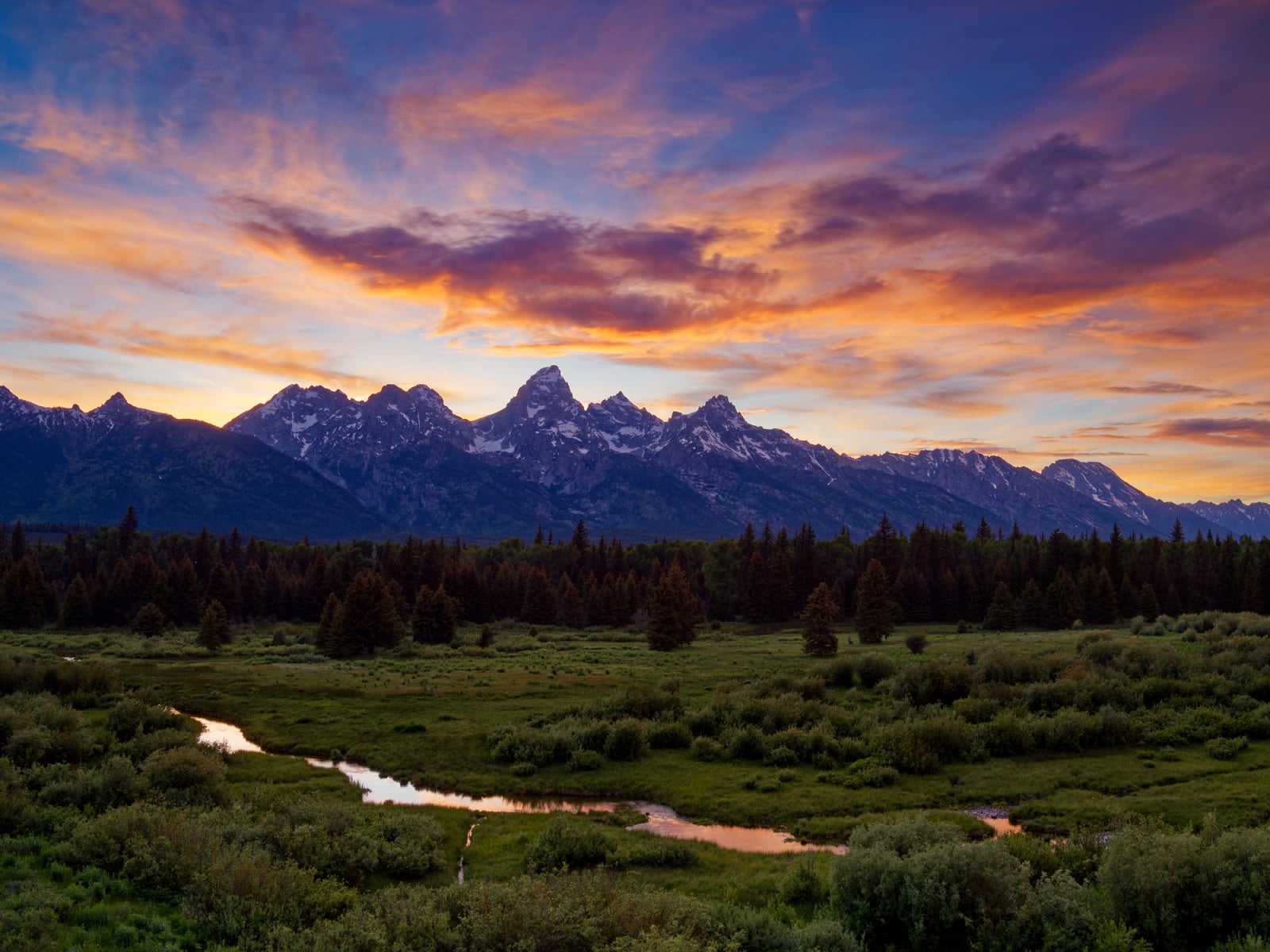
The landscape photography community often operates on a rigid, almost predictable schedule. Thousands of enthusiasts flock to iconic viewpoints at Grand Teton, Zion, or the Badlands, arriving just before the first light of dawn and packing up their gear the moment the sun slips below the horizon. However, OM SYSTEM Ambassador Matt Suess argues that this conventional wisdom is missing the most transformative opportunities in the field. By dedicating an entire day to a single location—from the quiet stillness of pre-dawn to the depths of true night—Suess has developed a philosophy that prioritizes patience, environmental observation, and technical versatility over the frantic pursuit of the “perfect” golden hour shot.
For Suess, a former newspaper photographer with 17 years of experience in the high-pressure world of breaking news, the transition to nature photography was not just a change in subject matter, but a change in tempo. Having spent nearly two decades capturing stories as they unfolded, regardless of lighting conditions, he realized that the same principle could be applied to the natural world. He contends that the hours most photographers “throw away”—the harsh midday glare, the muted blue hour, and the deep, silent darkness—are often where the most compelling visual narratives are found.
The Methodology of the Single-Location Challenge
The core of Suess’s approach is a mental and physical discipline he calls the "full-day commitment." He challenges workshop participants to select one spot and remain there for the duration of the day. This constraint, he suggests, mimics the creative pressure of using a prime lens; by removing the option to drive to a new location when the light turns "bad," the photographer is forced to look deeper, refine their composition, and adapt to the environment.
This methodology relies heavily on meticulous preparation. Before selecting a site, Suess utilizes a suite of digital tools to gauge the viability of the location. He leverages applications like PhotoPills to track solar and lunar positioning, while integrating weather-tracking services such as WeatherMate, Windy, and RadarScope. By analyzing cloud density, wind patterns, and moisture levels, Suess can predict whether a day will offer the dynamic, shifting light necessary to keep a camera busy for twelve hours or more. He actively avoids clear, cloudless days, noting that clouds act as a natural diffuser and provide the essential texture and drama required for compelling landscape compositions.
Technical Proficiency in Changing Environments
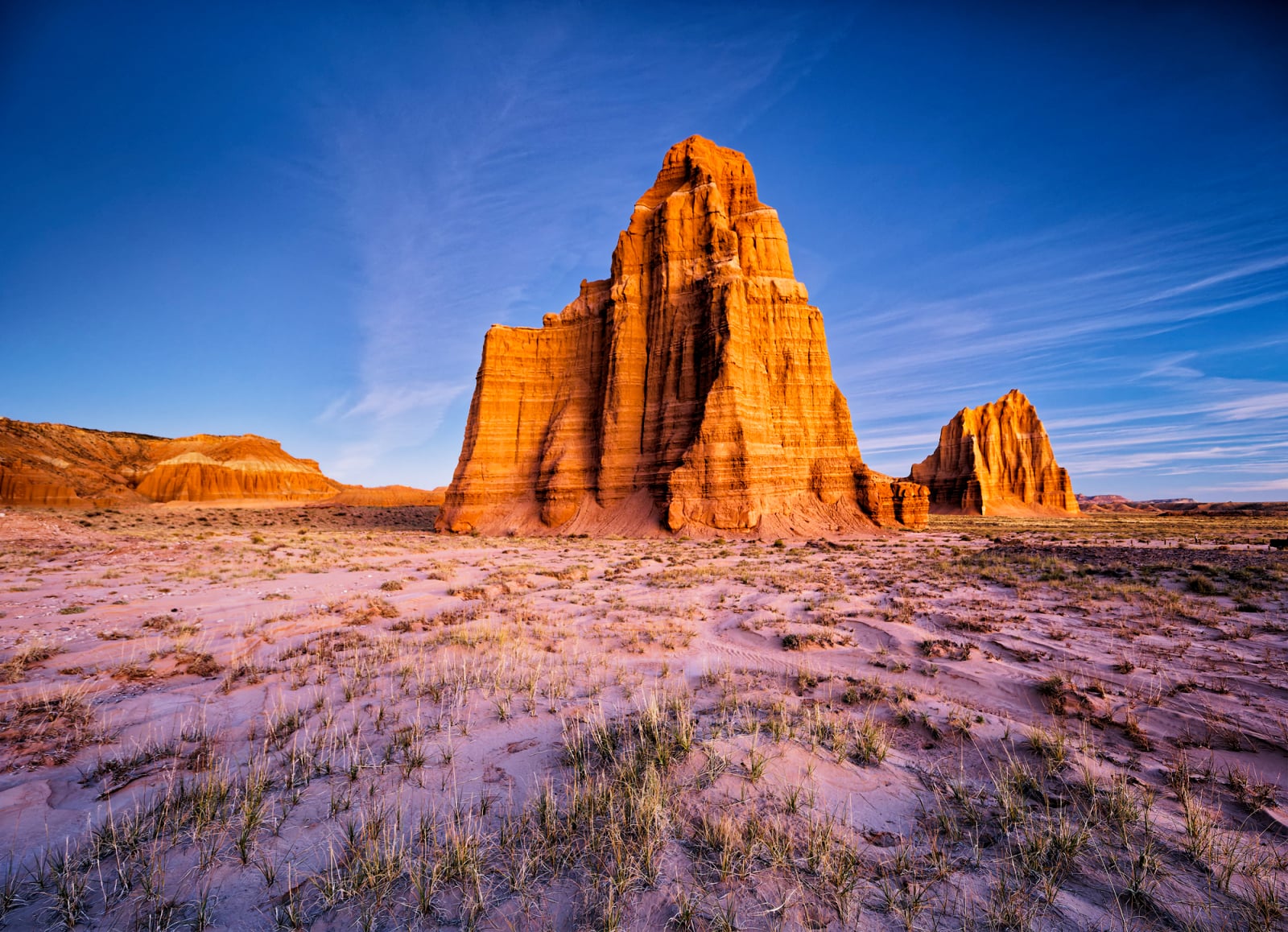
Central to Suess’s workflow is the OM-5 Mark II, a camera system he favors for its portability and robust weather sealing. In a profession where carrying heavy equipment can lead to physical fatigue—and consequently, a loss of creative focus—Suess prioritizes a lightweight kit. His primary lens, the M.Zuiko Digital ED 12-100mm F4.0 IS PRO, serves as his workhorse, providing the versatility to capture wide-angle vistas, medium-range subjects, and even close-up macro shots of wildflowers without the need for multiple lens changes in the field.
The technical capabilities of the OM-5 Mark II allow Suess to push the boundaries of handheld photography. With up to 6.5 stops of in-body image stabilization, he can capture long-exposure images that would traditionally require a tripod. This capability is critical when trekking through difficult terrain where hauling heavy support gear might be prohibitive. However, he acknowledges that when the goal is a static, high-resolution image, the tripod remains an essential tool for precise framing and the utilization of features like the High Res Shot mode, which merges multiple exposures to create an image with significantly higher detail.
The Chronology of Light: A Strategic Approach
The arc of a day in the field, as described by Suess, follows a distinct, layered narrative.
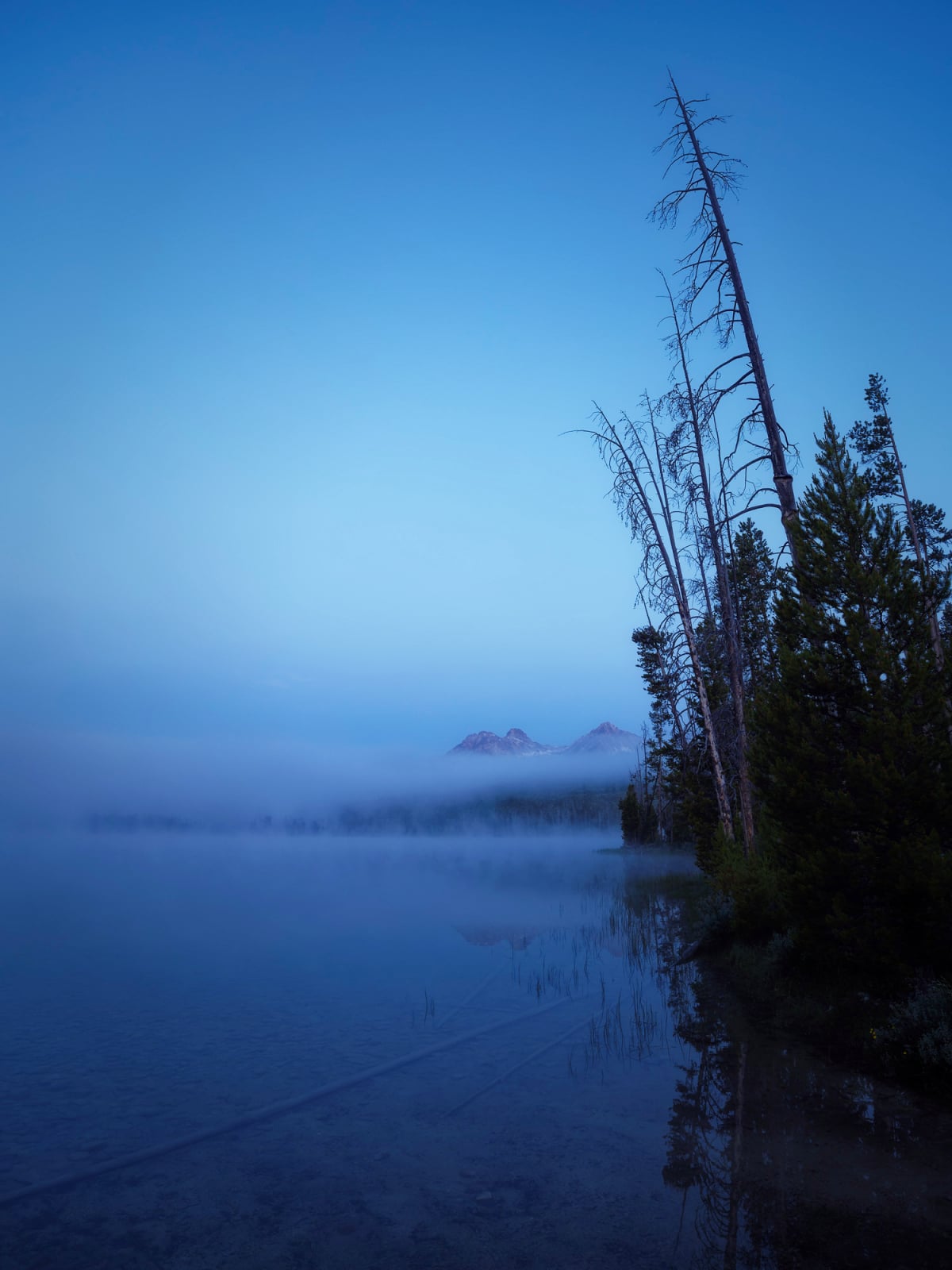
- Pre-Dawn and Blue Hour: This period is defined by low-contrast, monochromatic light. Suess focuses on texture and tonal gradation rather than color. He emphasizes the importance of observing the scene with the naked eye before reaching for the camera, allowing his creative instincts to identify the primary subject before the viewfinder limits his perspective.
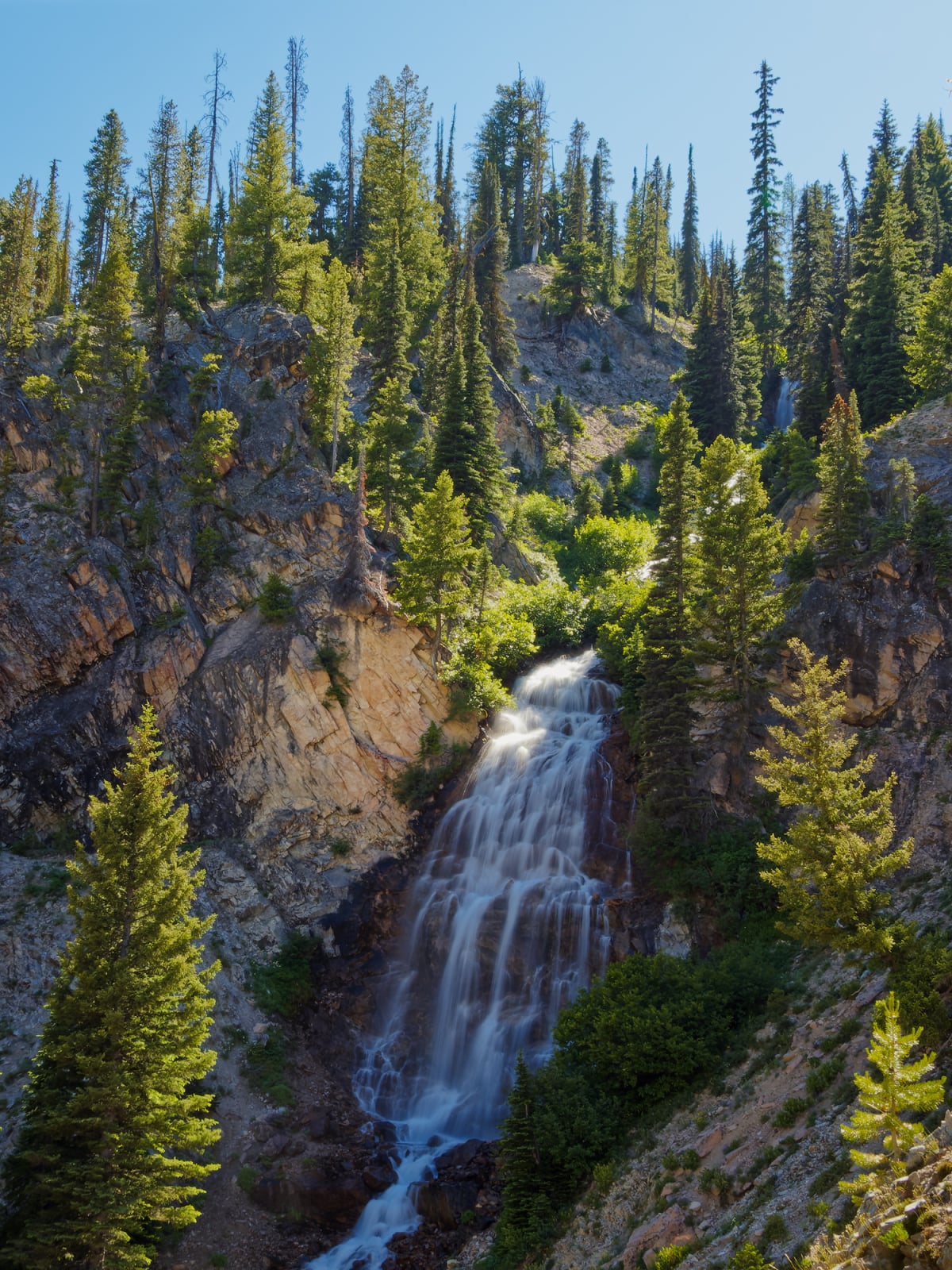
- Sunrise: A period of high-intensity, fleeting color. Suess draws upon his journalism background to build a "three-shot story": a wide-angle establishing shot to set the scene, a medium shot to capture the immediate environment, and a telephoto shot to isolate a specific, intimate detail.
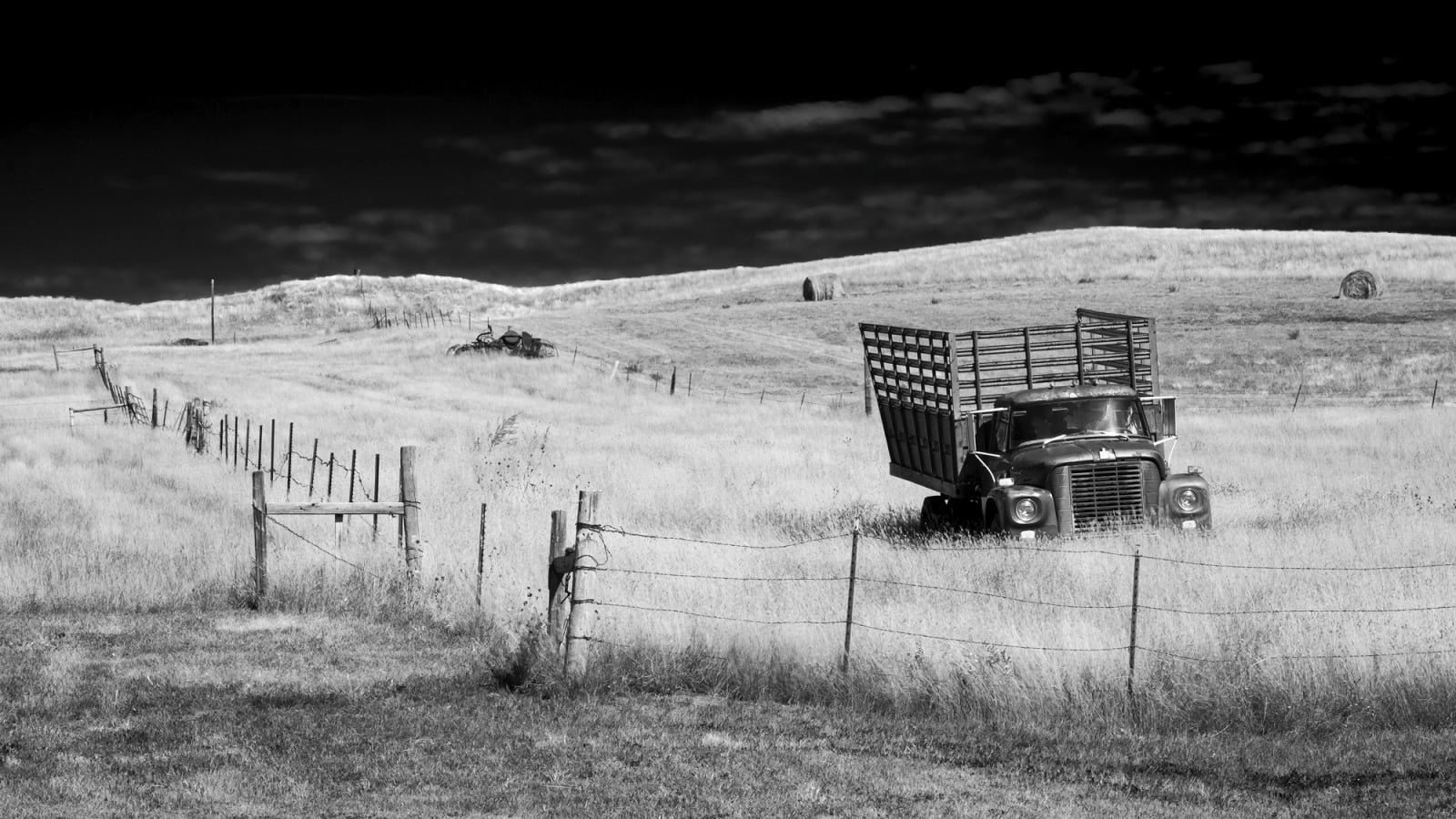
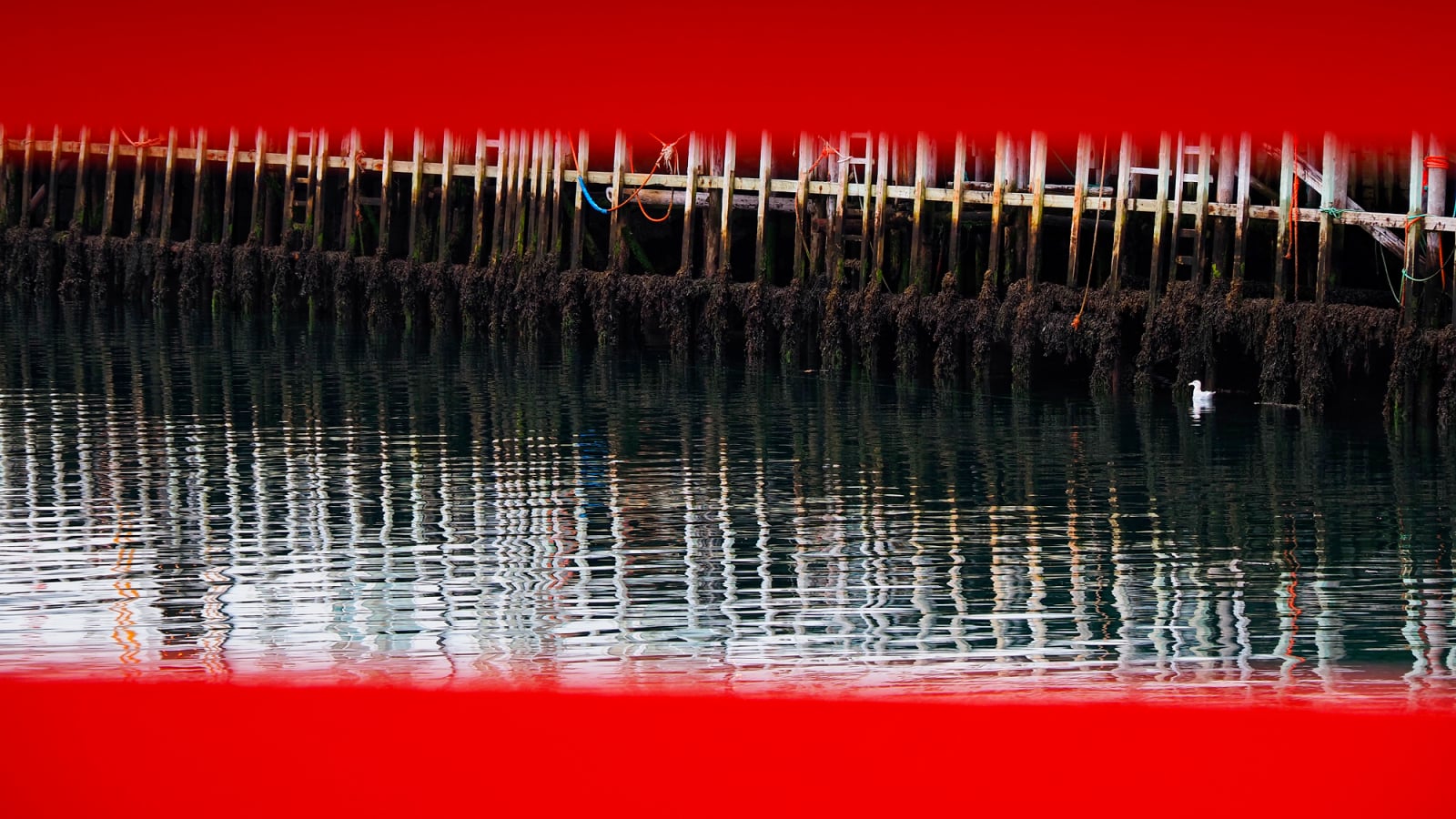
- Midday: Often ignored by the masses, this is where Suess finds his greatest challenges. He searches for pockets of shade, utilizes natural features like tree canopies to soften direct light, or employs in-camera artistic filters—such as Black & White or Bleach Bypass modes—to reinterpret the scene. By shooting in both RAW and JPEG, he retains the flexibility of the original data while the JPEG provides a ready-to-share artistic interpretation.
- Sunset and Evening Blue Hour: As the ground cools and the atmosphere stabilizes, the evening can produce color palettes entirely different from the morning. Suess often finds that the post-sunset period provides a more vibrant and "cleaner" light than the pre-dawn equivalent.
- The Night Stretch: In the final hours, Suess pivots to astrophotography and light painting. Using the Live Composite feature, he can capture long-duration events like star trails or passing car lights without overexposing the surrounding landscape. This allows for a controlled, artistic rendering of the environment that feels both grounded and ethereal.
Safety as a Prerequisite for Creativity
Suess’s philosophy is underscored by a rigorous commitment to safety. He argues that one cannot fully immerse themselves in the creative process if they are preoccupied with potential risks. His packing list is a testament to this, prioritizing high-protein snacks, water, bug spray, sunscreen, and, when in bear country, bear spray.
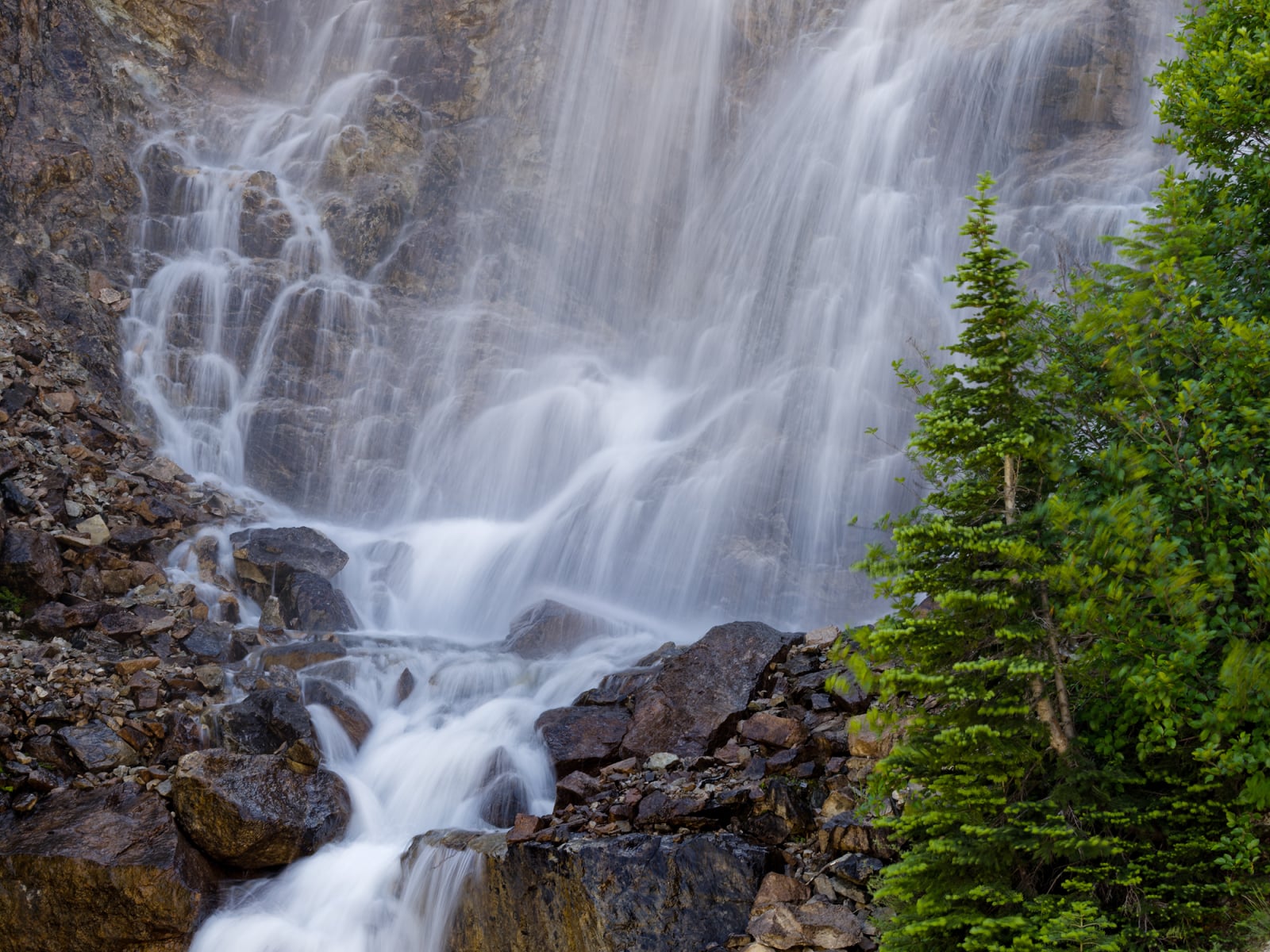
Furthermore, he maintains a strict communication protocol, ensuring that someone at home knows his exact location and expected time of return. Satellite communicators and portable battery banks are standard equipment. By ensuring his physical needs are met and his safety is accounted for, Suess clears the mental bandwidth required to notice the subtle, fleeting shifts in light that other photographers miss while rushing to their next destination.
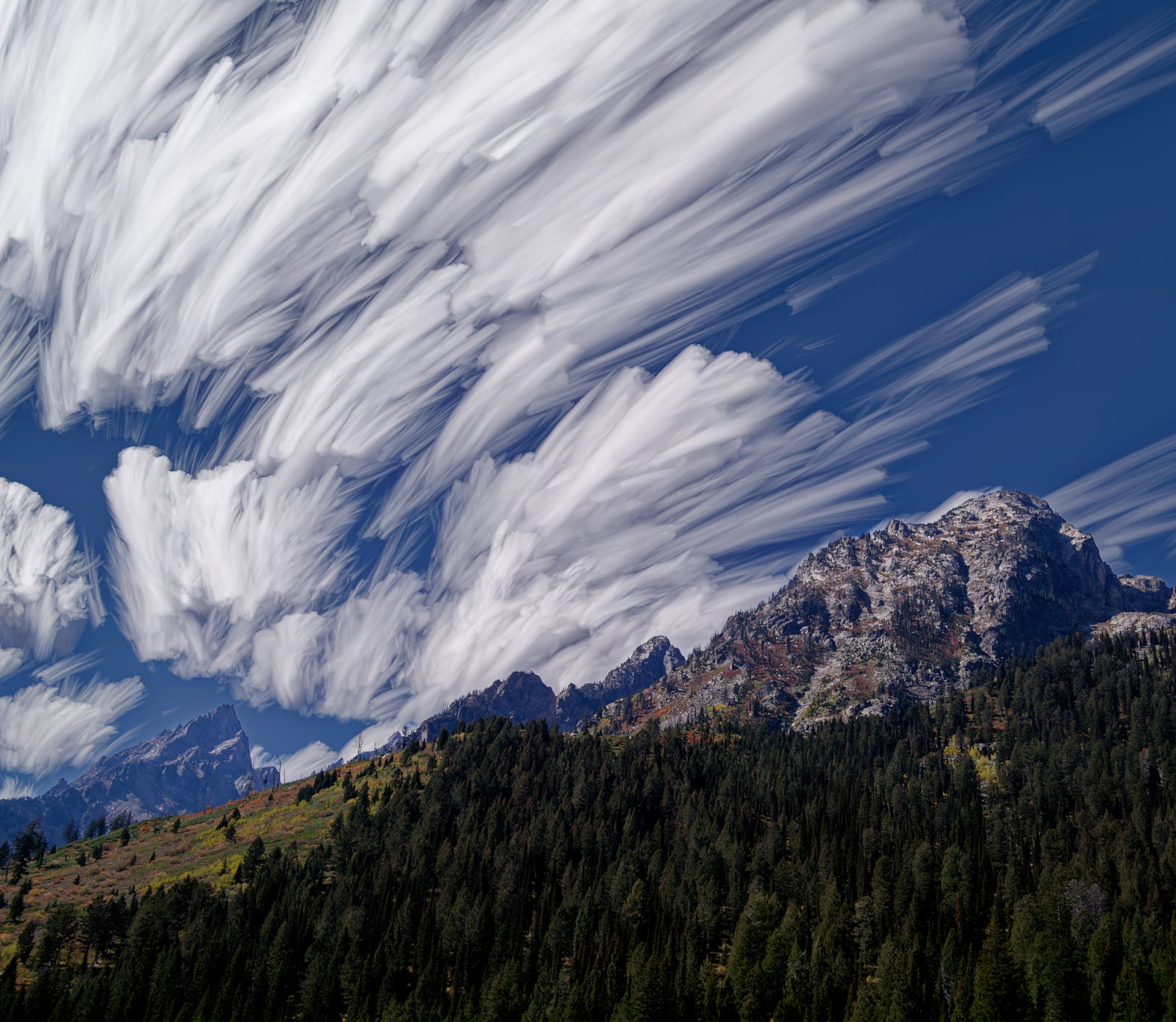
The Broader Impact and Industry Implications
The implications of Suess’s "day-long" approach go beyond individual artistic growth; they represent a potential shift in how nature photography is taught and consumed. In an era where social media often rewards the rapid consumption of "perfect" shots, Suess’s focus on the process—on the act of standing in one place and waiting for the environment to reveal itself—offers a counter-narrative.
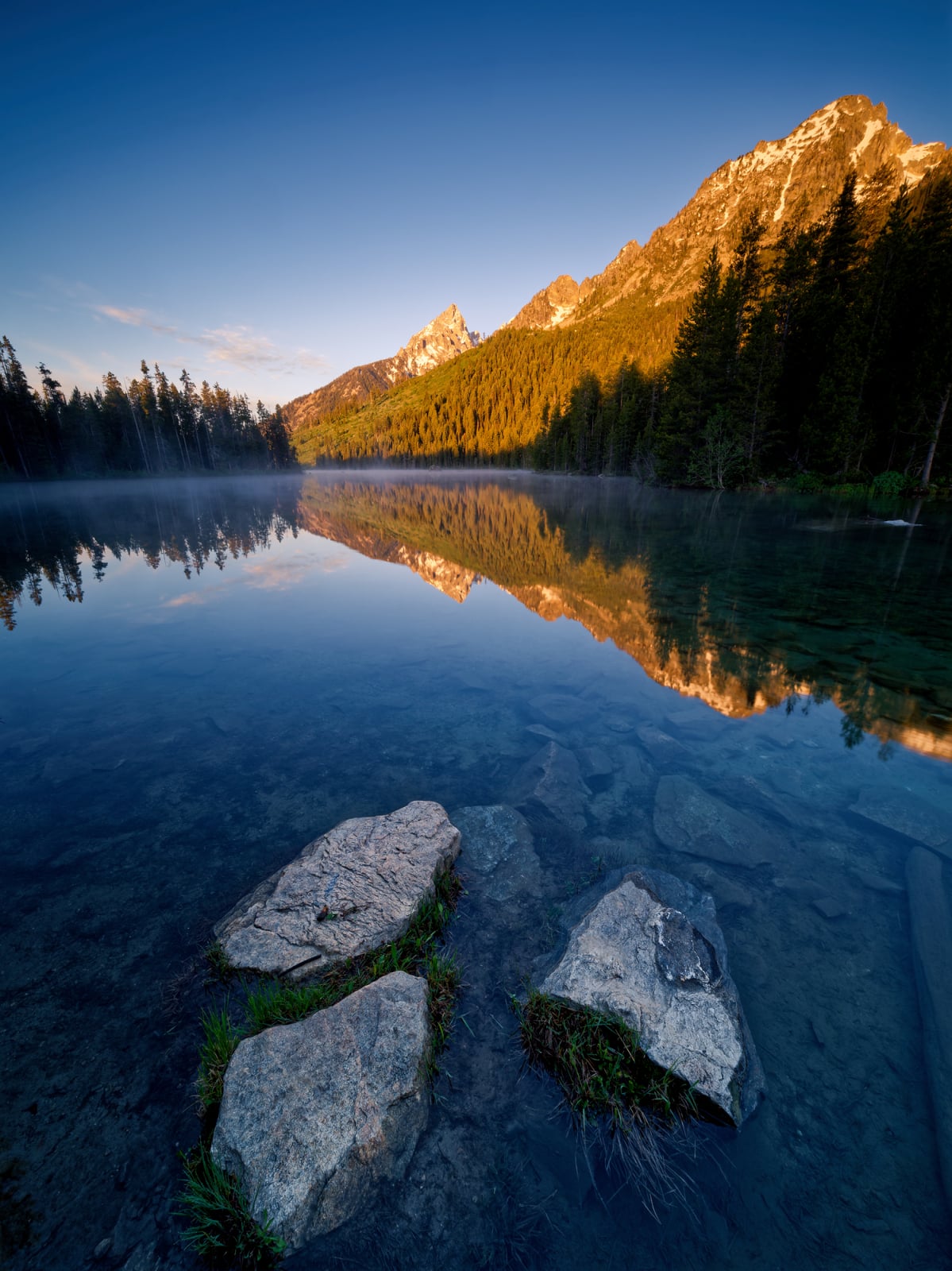
From an industry perspective, the rise of computational photography features—such as Live Composite and High Res Shot—is enabling photographers to achieve professional results with significantly smaller, lighter kits. This technical evolution supports the growing trend of "adventure photography," where the quality of the image is increasingly tied to the photographer’s ability to reach and endure in remote, difficult environments.
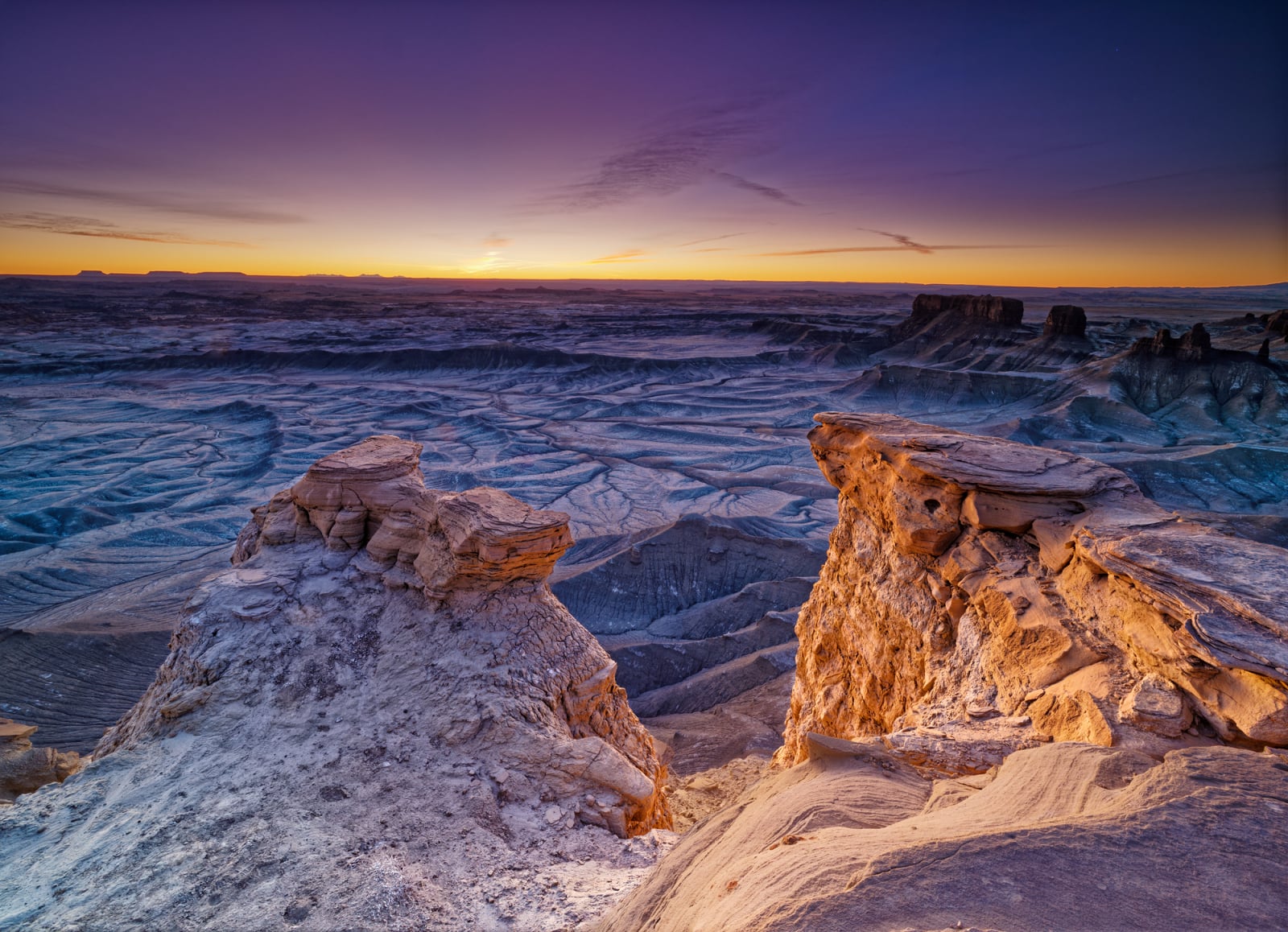
Final Reflections: The Return on Investment
When asked to quantify the success of a day spent in the field, Suess measures it in experience rather than images. "The real return is experience," he states. Even on days when a "portfolio-worthy" image remains elusive, the act of observing the landscape through its entire cycle provides a deeper understanding of light, mood, and natural patterns.
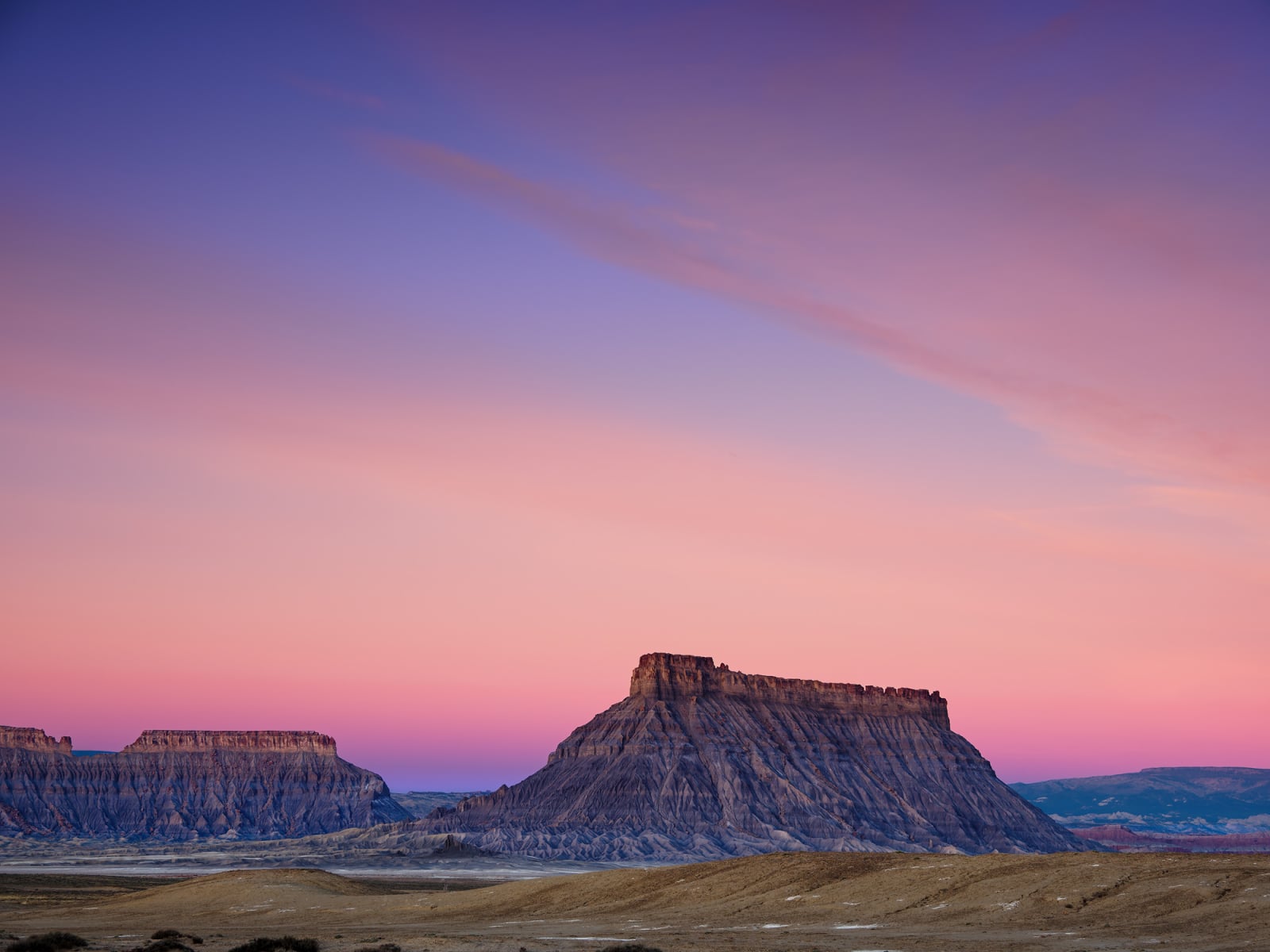
For the aspiring landscape photographer, the takeaway is clear: the most significant improvements to one’s craft may not come from purchasing new equipment or traveling to a more exotic location, but from the simple, deliberate choice to slow down. By staying in the field when the crowds leave, by embracing the "difficult" light of midday, and by treating a location as a subject to be studied rather than a backdrop to be captured, photographers can unlock a level of depth and personal connection that is rarely achieved in the frantic pursuit of the perfect sunrise.

Ultimately, Matt Suess’s work serves as a reminder that the best camera gear in the world cannot replace the most important tool in photography: the time invested in being present. As the shadows lengthen and the night settles over the landscape, the photographer who stays behind is rewarded not just with a frame on a memory card, but with a nuanced, intimate understanding of the natural world—a lesson that persists long after the gear is packed away.

