


By Diane Burroughs
Published: September 15, 2026
The observation of a bird’s tail moving in a rhythmic, up-and-down motion—a phenomenon commonly referred to as "tail bobbing"—is a primary diagnostic indicator frequently cited by avian health specialists. While casual observers may mistake this motion for simple physical adjustment or balancing, clinical veterinary data suggests that in many instances, it serves as a physiological compensation for respiratory distress. Because birds lack a diaphragm, they rely on the movement of their entire thoracic and abdominal cavities to facilitate gas exchange. When the respiratory system is compromised, the exertion required to move air increases, resulting in the characteristic oscillation of the tail. Distinguishing between normal physical exertion and pathological respiratory effort is a critical skill for avian caregivers, as delays in seeking veterinary intervention can significantly impact clinical outcomes.
The Physiology of Avian Respiration
To understand why tail bobbing occurs, one must first understand the avian respiratory system. Unlike mammals, birds possess a complex system of air sacs that function like bellows, moving air through the lungs in a continuous, unidirectional flow. This highly efficient system supports the extreme metabolic demands of flight. However, it also renders the avian respiratory tract particularly susceptible to environmental irritants, pathogens, and systemic diseases.
When a bird encounters an obstruction—whether due to an infection, cardiac condition, or environmental toxicity—the muscles surrounding the chest and abdomen must work harder to pull air into the air sacs. This increased muscular effort causes the bird to use its tail as a counterbalance and a mechanical aid to assist with breathing. When this movement is observed while a bird is at rest, it is clinically significant. The diagnostic threshold for concern is reached when the rhythmic bobbing persists despite the bird being in a state of calm, suggesting that the effort required to breathe is taxing the animal’s baseline metabolic capacity.
Diagnostic Distinctions: Normal vs. Abnormal
In the context of clinical avian care, it is essential to categorize tail movement based on the bird’s activity level and physiological state. Veterinarians typically employ a differential analysis to determine the urgency of a case.
Normal, non-pathological tail movement is generally characterized by its transient nature. For example, post-exercise panting is a standard physiological response to physical exertion. After a period of flight or high-intensity play, a bird may display elevated respiratory rates and corresponding tail movement as it works to recover its oxygen levels. Under normal circumstances, this should resolve rapidly once the bird enters a state of rest. Similarly, minor, erratic tail flicks are often associated with behavioral adjustments, such as repositioning on a perch or maintaining equilibrium during preening.
Conversely, pathological tail bobbing is defined by three specific markers: periodicity, persistence, and accompanying symptoms. A rhythmic bob that matches the frequency of the bird’s breaths and persists even when the bird is stationary indicates a high probability of underlying pathology. This is often accompanied by "whole-bird" symptoms, such as the fluffing of feathers—a mechanism used to conserve body heat when a bird is ill—or the presence of squinted, lethargic eyes.
A Chronology of Clinical Presentation
For owners monitoring a bird’s health, the timeline of symptom development is a vital metric. In many cases of chronic respiratory illness, such as aspergillosis or chlamydiosis, the onset of symptoms is subtle.
- Initial Phase: The bird may exhibit minor changes in activity levels. An active, vocal bird may become quieter, or the owner may notice slightly more effort during routine activity.
- Intermediate Phase: Tail bobbing becomes visible, initially only after exertion. At this stage, the bird may still be consuming food and maintaining a normal weight, which can lead to a false sense of security among caregivers.
- Advanced Phase: The tail bobbing becomes constant, visible even while the bird is resting. Additional clinical signs—such as open-mouth breathing, audible clicks or wheezes, and changes in vocalization—begin to manifest.
- Crisis Phase: The bird exhibits signs of severe systemic collapse, including an inability to maintain a perch, profound weakness, and labored, open-mouth breathing.
Data from avian medical records indicates that birds often mask symptoms of illness until they are no longer able to compensate, a survival trait evolved to avoid predation. Consequently, by the time an owner observes overt signs like persistent tail bobbing, the underlying condition may already be in an advanced stage.
Supporting Data and Clinical Indicators
Clinical studies emphasize that tail bobbing should never be viewed in isolation. When evaluating a bird for respiratory distress, practitioners look for a "constellation of symptoms." These include:
- Posture Changes: A bird that sits low on the perch or holds its wings slightly away from its body may be attempting to expand its thoracic cavity to increase air intake.
- Behavioral Shifts: A sudden decrease in social interaction or a change in appetite. Even if the bird continues to eat, a shift in the consistency or volume of droppings can be a secondary indicator of systemic illness.
- Vocal Changes: A reduction in frequency or a change in the pitch of vocalizations can indicate that the bird is conserving energy for respiration.
A 2024 retrospective study of avian presentations found that 65% of birds presenting with "behavioral changes" as the primary complaint were later diagnosed with underlying systemic or respiratory issues, highlighting the importance of early detection of subtle physical cues.
Broader Implications for Avian Care
The prevalence of respiratory issues in companion birds is often linked to domestic environmental factors. Air quality is a significant contributor; birds are highly sensitive to aerosols, non-stick cookware fumes (PTFE toxicity), scented candles, and high levels of particulate matter.
From a veterinary perspective, the implication of observing a tail-bobbing bird is that the animal is in a state of compromised health. The "wait-and-see" approach is frequently cited by avian specialists as a primary reason for poor patient outcomes. Because birds have a high metabolic rate, a condition that might take days to progress in a mammal can cause rapid deterioration in an avian patient.
When to Seek Immediate Intervention
Standardized veterinary protocols recommend that owners contact an avian or exotics veterinarian immediately if they observe any of the following "red-flag" symptoms:
- Open-mouth breathing while at rest: This is a definitive sign of severe respiratory distress.
- Audible respiratory sounds: Clicking, wheezing, or whistling during inhalation or exhalation.
- Inability to perch: This suggests severe muscle weakness or neurological compromise associated with hypoxia.
- Nasal discharge or crusting: Often indicative of upper respiratory tract infections.
Conclusion: A Proactive Approach
While tail bobbing is a specific symptom of increased breathing effort, it is not a diagnosis in itself. It serves as a clinical alarm that requires a comprehensive investigation, which may include radiographs to assess lung and air sac integrity, blood work to identify systemic inflammation or infection, and fecal analysis.
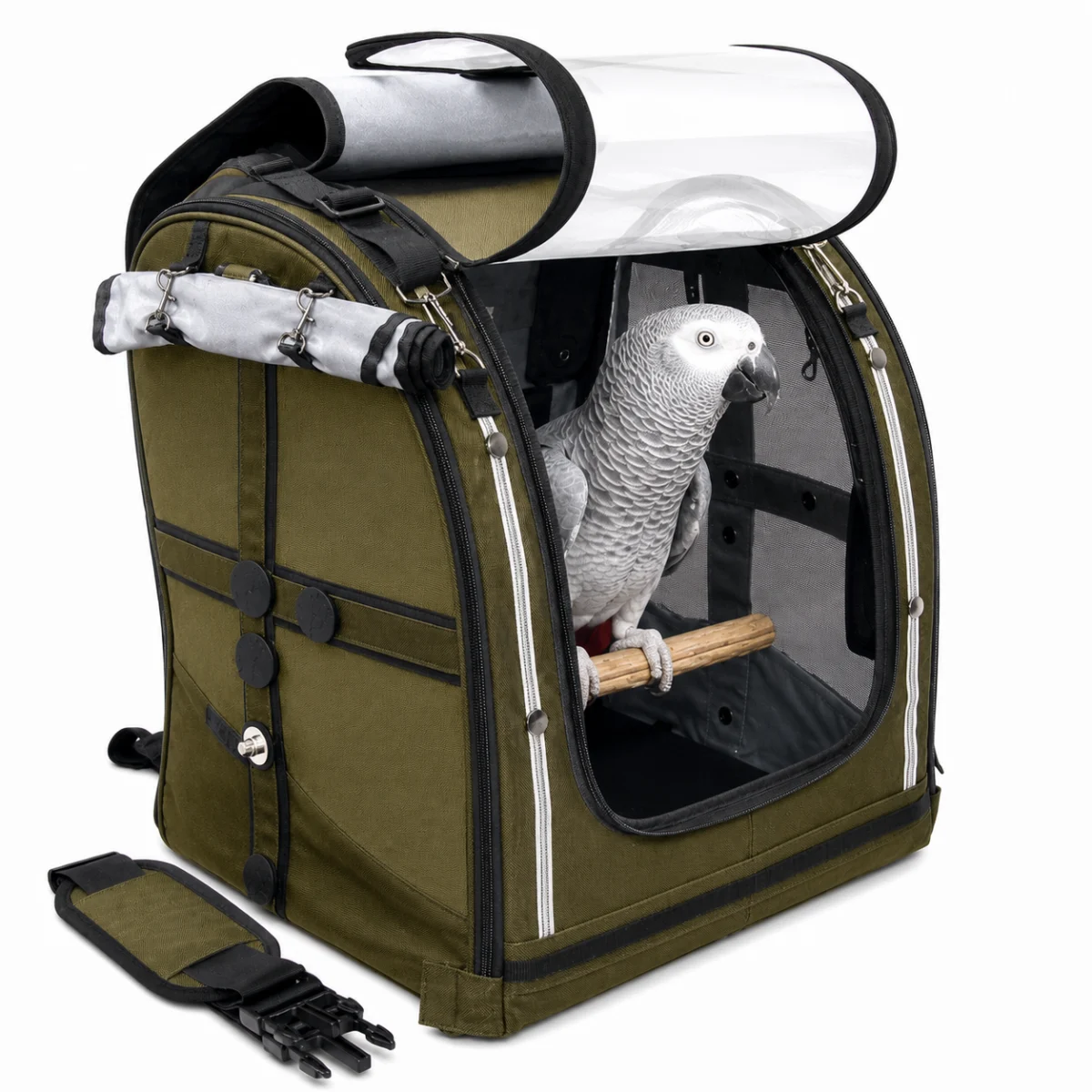
For the modern bird owner, the most effective strategy is the maintenance of a comprehensive health log. Documenting changes in behavior, weight, and breathing patterns allows for more precise communication with a veterinarian. In the event of a suspected emergency, minimizing stress is paramount. Transporting the bird in a secure, well-ventilated carrier and avoiding unnecessary handling can prevent further exhaustion of the bird’s limited energy reserves.
Ultimately, the presence of a rhythmic, persistent tail bob is a signal from the bird that its biological system is struggling to maintain homeostasis. Recognizing this signal early, documenting the context of the movement, and securing professional medical evaluation are the most effective ways to ensure the longevity and well-being of a companion bird. As the field of avian medicine continues to evolve, the emphasis remains on the role of the owner as the first line of defense in identifying the subtle, often silent, onset of avian disease.

