


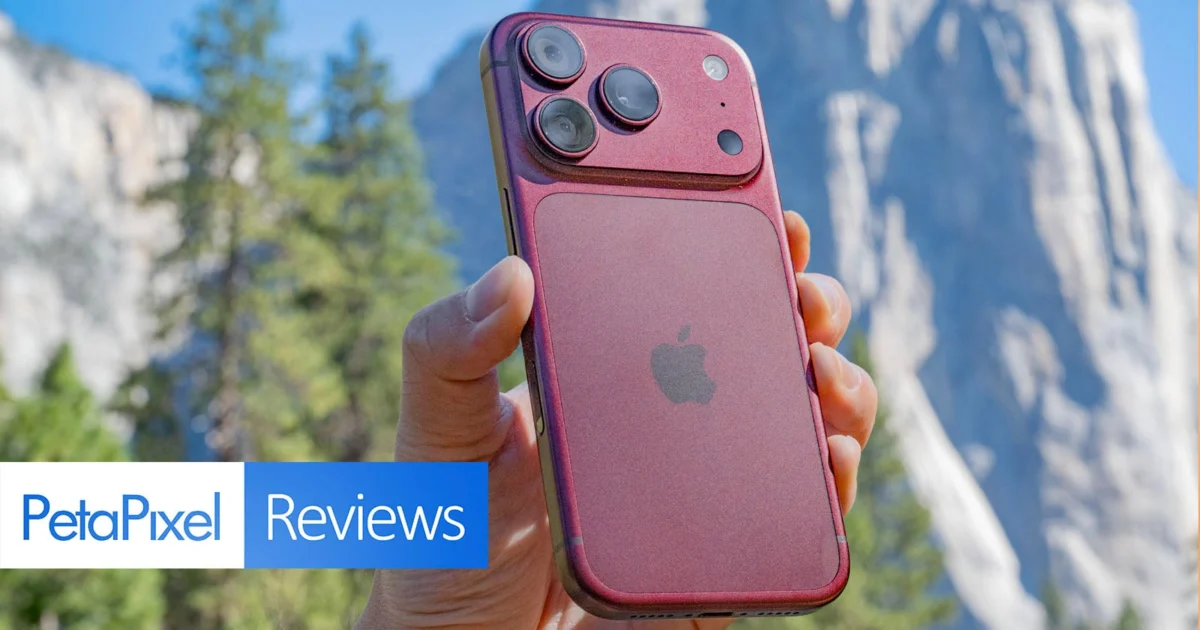
When Apple unveiled the iPhone 18 Pro and Pro Max during its annual September keynote, the initial industry reaction was one of skepticism. Critics and enthusiasts alike noted the lack of dramatic hardware departures, observing a design philosophy that appeared to favor continuity over the radical experimentation seen in previous cycles. On paper, the specifications seemed like an exercise in incrementalism—variable aperture, updated photographic styles, and a new authenticity verification system were viewed as iterative rather than transformative. However, extensive real-world testing involving thousands of captures reveals that these under-the-hood refinements coalesce into a fundamentally elevated mobile photography and cinematography experience that challenges the established boundaries of smartphone capability.

The iPhone 18 Pro series represents a strategic pivot for Apple, prioritizing the user’s creative workflow over the mere accumulation of megapixels or sensors. By focusing on the "how" of the photographic process rather than just the "what," Apple has managed to close the gap between professional-grade mirrorless cameras and mobile devices more effectively than in any previous generation.
Design Continuity and Sustainability
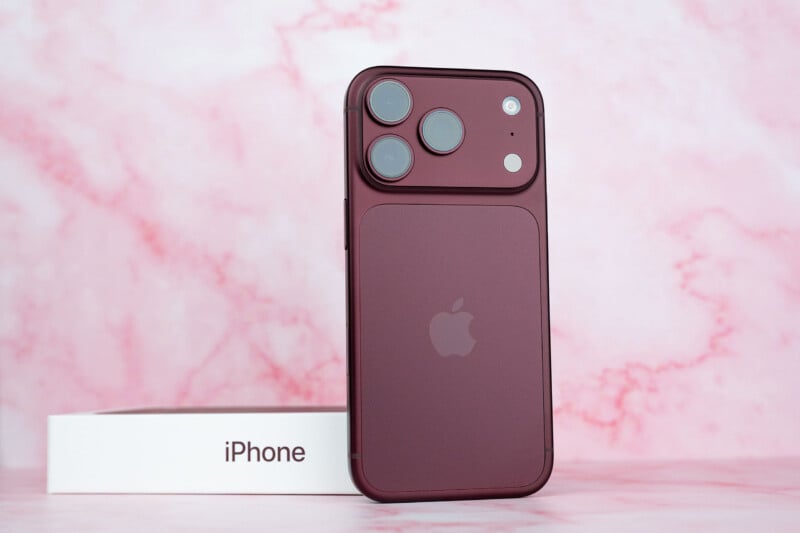
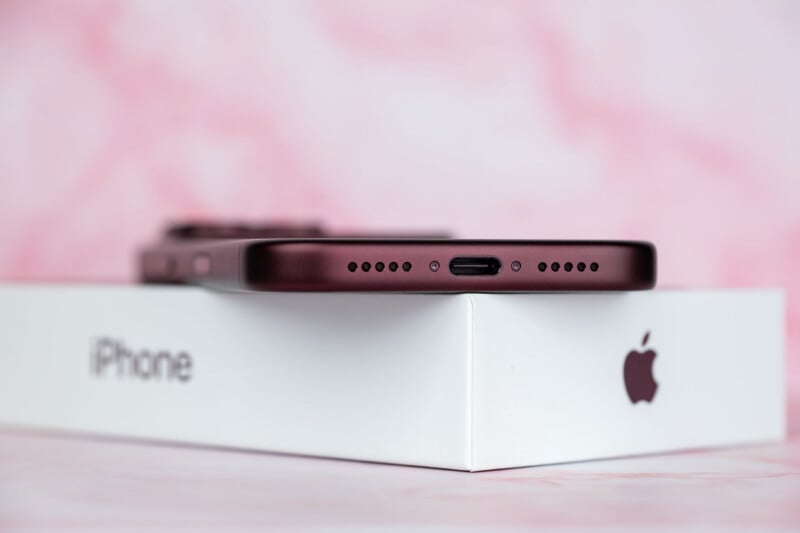
The physical design of the iPhone 18 Pro and Pro Max marks a rare instance in recent history where Apple has maintained a consistent chassis design for two consecutive generations. By retaining the exact dimensions and external geometry of the iPhone 17 Pro, Apple has effectively signaled a commitment to consumer-friendly hardware cycles. This design choice serves a dual purpose: it allows for immediate cross-compatibility with existing cases and accessories, significantly reducing the environmental impact and e-waste associated with frequent hardware refreshes, and it provides a stable platform for internal engineering optimizations.
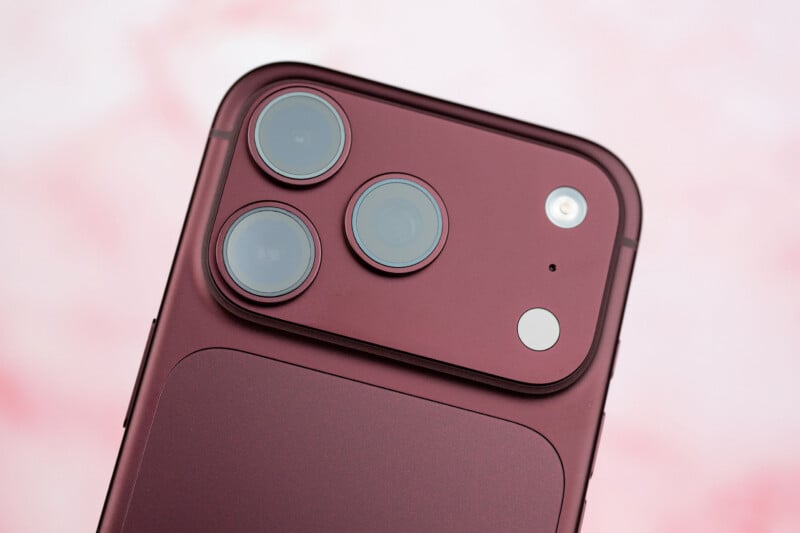
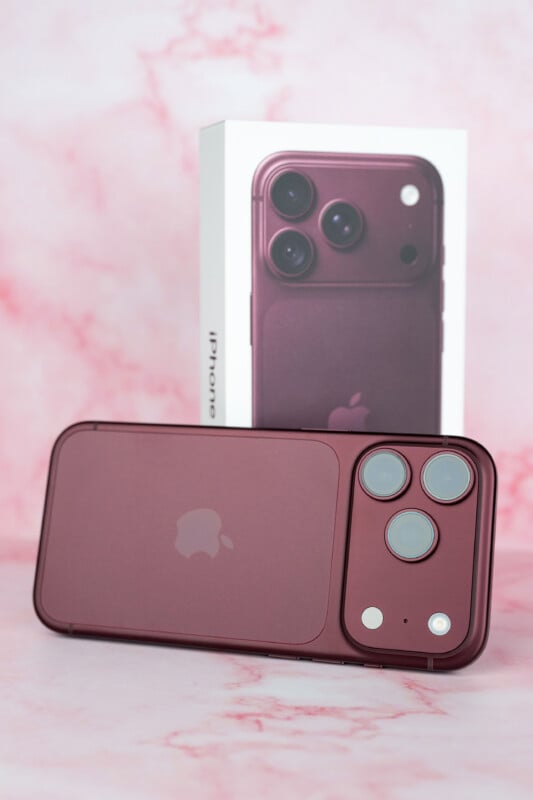
While the exterior remains familiar, the aesthetic palette has been refreshed. The lineup now features burgundy, glacier, silver, and black finishes. The dark burgundy, while the headline replacement for the previous year’s signature orange, offers a more subdued, sophisticated tone that aligns with the professional branding of the "Pro" series. The introduction of a refined black finish remains the standout for purists, while the thermal management system has received a significant overhaul. Utilizing a redesigned vapor chamber and an M-series-inspired processor architecture, the device manages heat distribution more evenly. During prolonged sessions in direct sunlight—a common stress test for high-end mobile processors—the phone exhibited minimal thermal throttling, maintaining performance consistency that is critical for high-bitrate video capture.
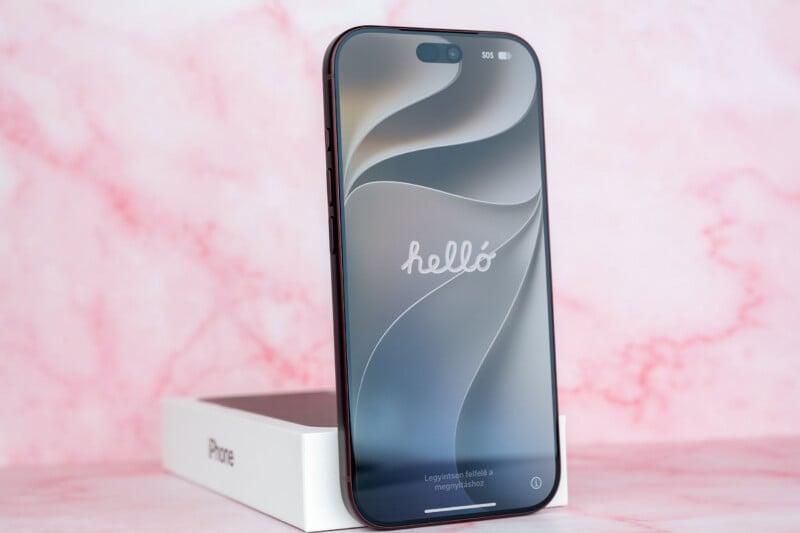
The Science of Variable Aperture
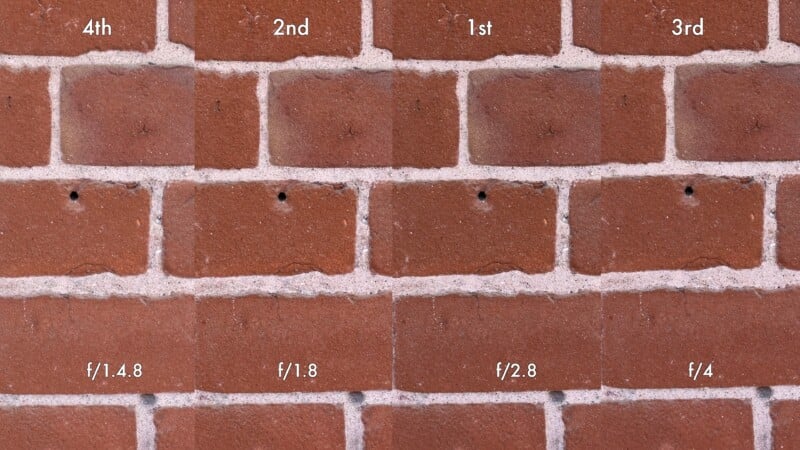
The most significant hardware addition is the implementation of a variable aperture on the main 48-megapixel camera. Historically, variable aperture in smartphones has been viewed as a gimmick, often appearing and disappearing in competing devices within a single product cycle. Apple’s approach, however, is grounded in optical physics. By allowing the aperture to shift from f/1.48 to f/4, the system grants photographers greater control over depth of field and exposure.
Testing indicates that the lens is at its sharpest at f/2.8. At f/1.48, while light intake is maximized—a boon for low-light performance—the edges of the frame show a predictable, minor drop in sharpness. Conversely, at f/4, diffraction begins to play a role, slightly softening the image. This flexibility is not merely for aesthetics; it provides a mechanism to mitigate the perennial issue of over-exposure in bright daylight without relying solely on software-based shutter speed manipulation. Furthermore, the ability to control the iris allows for the creation of natural sun stars in evening street photography, a feature previously exclusive to dedicated camera lenses. The aperture is stepless, suggesting that future firmware updates or third-party developers could unlock even more granular control for professional workflows.
Software Architecture and Pro Controls
Apple has finally addressed a long-standing request from the creative community: the integration of robust Pro Controls within the native Camera app. Users can now access a granular interface that allows for manual adjustment of shutter speed, aperture, and white balance. While the deliberate omission of manual ISO control remains a point of contention—with Apple citing its complex, multi-frame computational photography pipeline as the reason—the overall experience is a significant leap forward.
The addition of a live, movable histogram provides real-time exposure feedback, a feature standard in professional cinematography. These controls, combined with an updated image processing pipeline, allow for a more nuanced application of Photographic Styles. Rather than acting as simple filters, these styles are now evaluative, analyzing the scene and subject matter to apply "looks" that respect the image’s dynamic range. The new "Texture" tab, which includes options like Soft Skin, Glow, and Film (with Grain), demonstrates a newfound restraint. The Film setting, in particular, replicates the halation and highlight rolloff characteristics of traditional film stocks, providing a distinct aesthetic that avoids the artificial "digital" look of older mobile filters.

Advancements in Autofocus and Tracking
The introduction of sophisticated autofocus tracking algorithms puts the iPhone 18 Pro on par with modern mirrorless camera systems. The tracking is remarkably "sticky," holding onto subjects even when they move behind obstacles or exit the frame entirely. Unlike previous iterations that required constant manual interaction, the 18 Pro’s tracking logic is persistent.

This performance is particularly notable in video, where the system’s tenacity rivals dedicated hardware from manufacturers like Canon and Sony. While the interface for this tracking—which relies on a bounding box that can obscure the subject in close-up scenarios—requires further refinement, the underlying technology represents a landmark achievement for a smartphone. The ability to lock focus and track subjects without the camera "hunting" or losing its target is a game-changer for solo content creators.

Integrity and Authentication: The Reference Image
In response to the growing concern regarding AI-generated and manipulated media, Apple has introduced "Reference Image" as part of its content authenticity initiative. Unlike standard metadata, Reference Image creates a cryptographically signed data set that tracks any subsequent edits or modifications made to an image. By keeping this data separate and protected, Apple aims to provide a verifiable chain of custody for digital media. While this feature currently only supports the main camera and requires manual activation, it represents a necessary step toward establishing trust in a post-truth digital landscape.

Implications for the Industry
The iPhone 18 Pro is not a device defined by a single "killer feature," but rather by the sum of its thoughtful, professional-grade refinements. By opening up the native camera app to manual control, improving thermal management, and introducing sophisticated subject tracking, Apple has effectively validated the smartphone as a legitimate tool for serious photography.

The implications for the broader mobile market are significant. Manufacturers who continue to chase hardware specs without corresponding software maturity will find it increasingly difficult to compete with the ecosystem-wide integration Apple provides. For the consumer, the transition from the iPhone 17 Pro to the 18 Pro may seem subtle at first glance, but for the professional user, the cumulative improvements in workflow and reliability are profound.

Ultimately, the iPhone 18 Pro series serves as a reminder that the most impactful innovations are often those that empower the user to make better decisions. While the keynote presentation may have been met with muted enthusiasm, the actual device proves that Apple’s engineering team has successfully bridged the divide between consumer convenience and professional utility. For those who view their phone as a primary creative instrument, the iPhone 18 Pro is not just an iteration; it is a necessary evolution of the mobile camera platform.

