


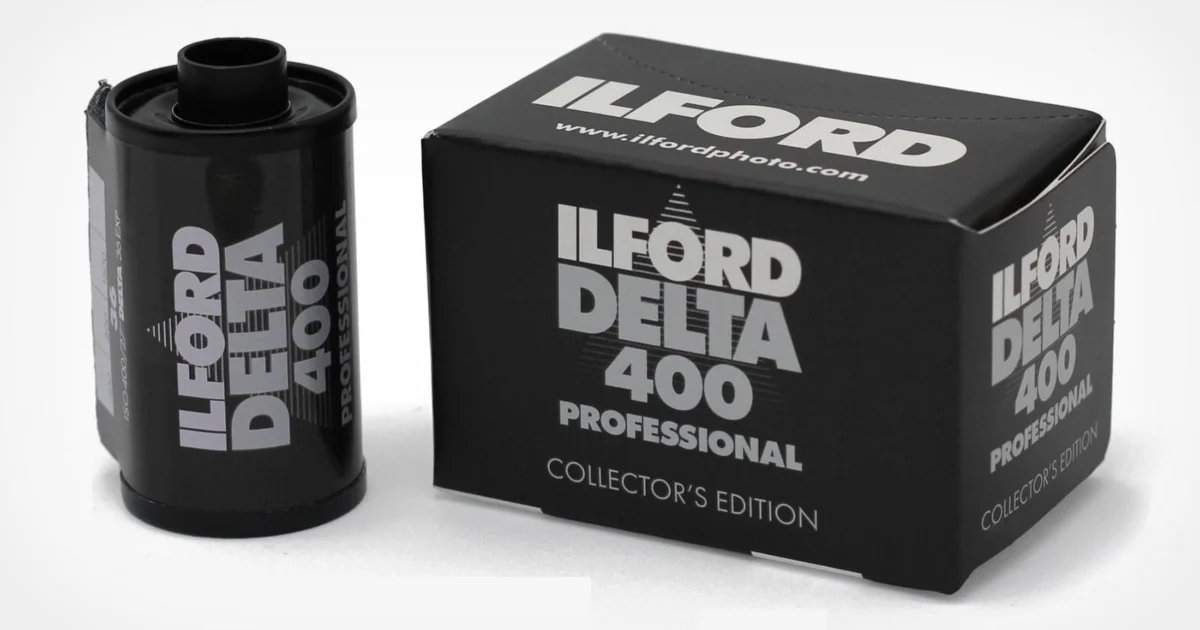
Ilford Photo has officially launched a limited-run version of its flagship black-and-white film, the Delta 400 Professional Collector’s Edition. This release marks a significant departure from the manufacturer’s traditional production standards, introducing a clearer roll film base coupled with advanced anti-halation protection. While the film retains the core characteristics that have made the standard Delta 400 a staple for analog photographers since its introduction, the refined emulsion architecture aims to push the boundaries of dynamic range, shadow recovery, and scanning fidelity. Currently available exclusively in 135 (35mm) format, the product is being distributed through authorized retailers at a price point of $15.19 per roll, a move that the company characterizes as a controlled market experiment.
Technical Evolution and Emulsion Engineering
The standard Ilford Delta 400 Professional is widely regarded for its core-shell crystal technology, which allows for high sharpness and fine grain at a medium ISO speed. The Collector’s Edition iteration, however, introduces a specialized base substrate. Historically, Ilford has utilized standard polyester or acetate bases for its 35mm offerings. By transitioning to a "clearer" base—a feature more commonly associated with specialized sheet films or specific technical films—the company is addressing a long-standing desire among darkroom printers and digital scanners for increased base clarity.
The inclusion of an anti-halation layer is the most significant technical advancement in this release. In film photography, halation occurs when light passes through the emulsion and reflects off the back of the film base, creating a "glow" or halo effect around bright light sources in a scene. By implementing a sophisticated anti-halation backing, Ilford is effectively controlling light scatter, which directly translates to improved micro-contrast and sharper edges, particularly in high-contrast lighting conditions. This adjustment is expected to result in cleaner scans and higher-quality enlargements, as the reduction in base fog allows for more precise control during the digitization process.
The Chronology of a Market Experiment
The decision to release this film as a "Collector’s Edition" serves a dual purpose: it caters to the growing community of analog enthusiasts who prioritize experimental materials, and it functions as a low-risk diagnostic tool for Ilford’s R&D department. The product announcement follows a period of renewed global interest in analog photography, which has seen a sustained increase in demand for both consumer and professional-grade film stocks.
According to statements released via the company’s official social media channels, the "limited" nature of this run is a deliberate strategy. Ilford has openly acknowledged that this release is a test to determine if there is a sustainable market for a premium-tier 35mm film that carries the added manufacturing costs associated with the new base material. The product is not being sold through Ilford’s direct-to-consumer online portal, a tactical decision that forces the product into the hands of specialized brick-and-mortar photography stores. This allows the company to monitor regional demand and gather direct feedback from authorized dealers, who occupy the front lines of the analog community.
Economic and Manufacturing Implications
The pricing structure of the Collector’s Edition, at $15.19 per roll, aligns with current premium market rates for professional 35mm film. However, the company has been transparent regarding the economic realities of a potential wider release. If the test proves successful and the product moves into permanent production, the price point would likely increase. The manufacturing process for an anti-halation-coated film is inherently more complex and costly than the standard-base process.
The film industry has faced significant supply chain volatility over the past five years. Following the bankruptcy and subsequent restructuring of major industry players, firms like Ilford have focused on optimizing existing portfolios. The introduction of the Collector’s Edition suggests that Ilford is moving toward a model of "incremental innovation." Rather than attempting to introduce an entirely new film emulsion—which requires massive capital expenditure and long-term testing—the company is testing the viability of "premium-tier" variants of existing, proven emulsions.
Industry Context and Competitive Landscape
The analog photography sector has seen a surge in "special edition" products as manufacturers seek to engage a new generation of film shooters. Companies like Fujifilm, Kodak Alaris, and Ferrania have each navigated the resurgence of film by focusing on limited runs, re-introductions of legacy stocks, or specific niche formats.
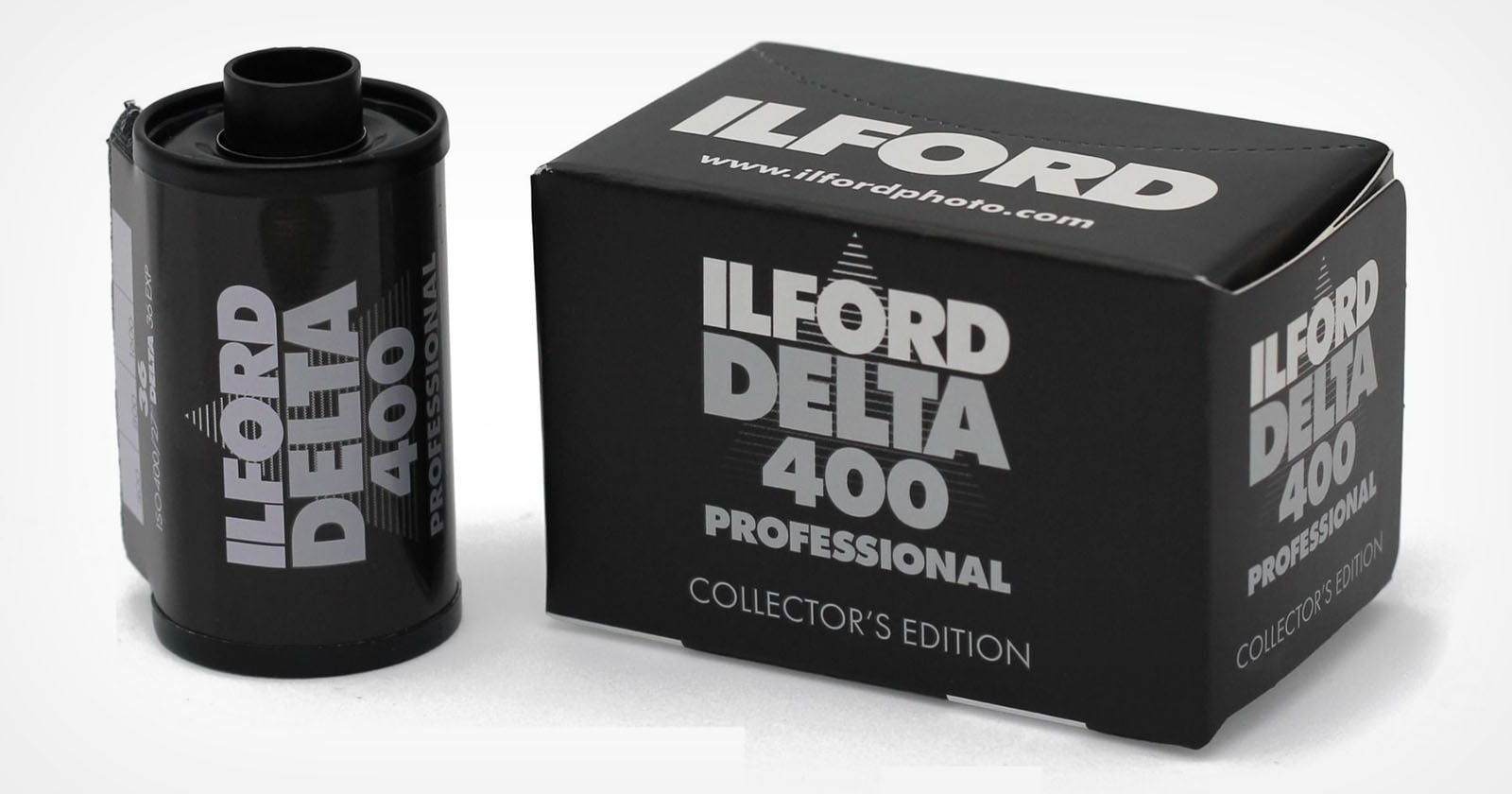
Ilford’s strategy with the Delta 400 Collector’s Edition is distinct because it prioritizes technical refinement over aesthetic gimmickry. While other brands have occasionally released films with unique color shifts or cross-processing capabilities, Ilford’s focus on base clarity and anti-halation suggests a commitment to the "pure" photographic process—catered specifically to users who scan or print their own work. The technical specifications of the film remain consistent with the original Delta 400, meaning users do not need to alter their development chemistry or exposure techniques, making the barrier to entry for this trial very low for the average professional.
Evaluating the Potential for Future Scaling
The success of this initiative will likely be measured by several key performance indicators:
- Sell-through Velocity: How quickly the product clears inventory at authorized retailers.
- Community Sentiment: The quality of user-generated content and professional reviews regarding the "clearer base" claims.
- Retailer Engagement: The willingness of independent camera stores to stock the product alongside more established, high-turnover film stocks.
If the product experiences high demand, Ilford would need to address the logistics of scaling a more complex production line. The anti-halation coating process is notoriously sensitive to environmental factors during manufacturing; scaling this without compromising the consistency for which Ilford is known is a significant industrial challenge.
Broader Impact on the Analog Community
The announcement has been met with significant enthusiasm from the film photography community, which often views such experiments as a sign of industry health. In an era where digital imaging is defined by instant processing and computational photography, the deliberate, manual nature of film photography has become a form of cultural expression.
For the average photographer, the existence of the Delta 400 Collector’s Edition represents a commitment by a major manufacturer to continue exploring the limits of silver-halide technology. Even if this specific emulsion does not reach mass-market production, the knowledge gained from this trial will inform future iterations of Ilford’s catalog.
The strategy also reflects a shift in how legacy companies interact with their customer base. By utilizing a "test-and-learn" approach, Ilford is effectively crowdsourcing the R&D process. This fosters a sense of partnership between the manufacturer and the end-user, potentially ensuring that future products are better aligned with the actual needs of the community.
Conclusion and Future Outlook
As of late 2026, the status of the Ilford Delta 400 Professional Collector’s Edition remains in a "wait and see" phase. The company has not provided a definitive timeline for when it will conclude its assessment of the market response. However, the move is indicative of a broader trend: the transition of film from a commodity product to a high-end, artisanal medium.
Photographers seeking to experience the film firsthand are encouraged to check the official Ilford retailer locator. The scarcity of the product, combined with the technical promise of the improved base, has already led to reports of rapid depletion in certain regional markets. Whether this experiment leads to a permanent addition to the Ilford lineup remains to be seen, but it is clear that the company is prepared to evolve its product strategy in response to the growing demand for higher-fidelity analog tools. For now, the Collector’s Edition stands as a testament to the enduring relevance of traditional film photography in a digital-first world.

