


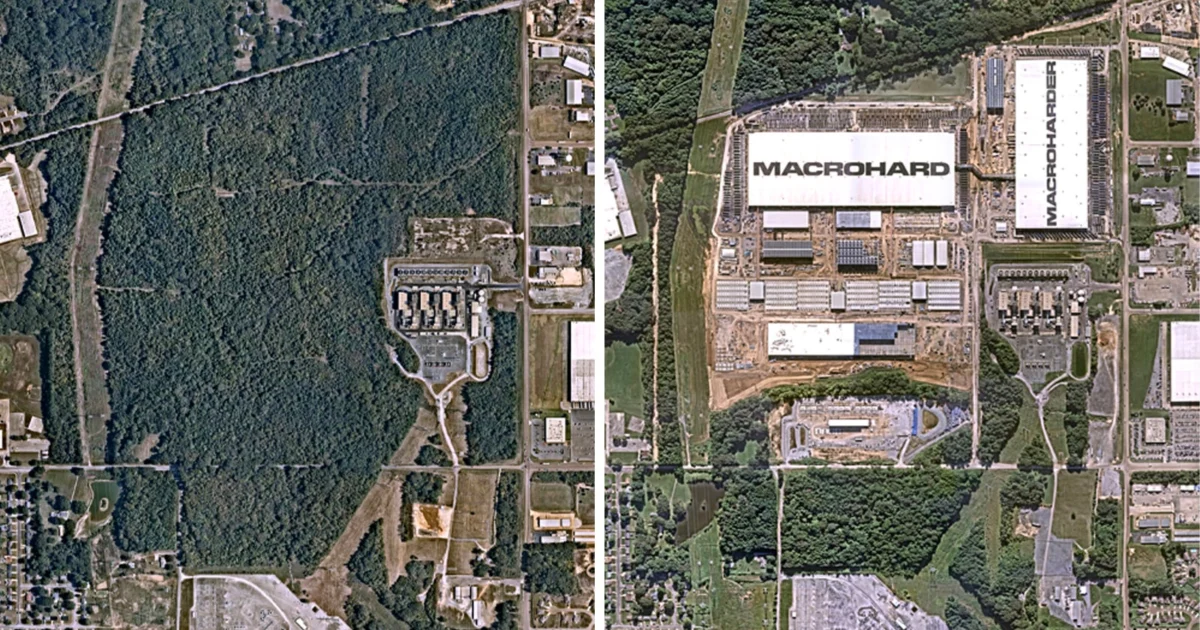
The rapid ascent of generative artificial intelligence has transcended the digital realm, manifesting in a physical transformation of the American landscape. Satellite imagery capturing the development of massive data center campuses—often spanning hundreds of acres—offers a stark visualization of the industry’s underlying infrastructure. These images, curated by Benjamin Grant of the Daily Overview, document the conversion of rural, forested, and agricultural land into sprawling industrial hubs. This rapid expansion, driven by the intense computational requirements of companies such as OpenAI, Anthropic, and xAI, has placed the industry at a critical intersection of technological progress and environmental stewardship.
The Scale of the Build-Out
The infrastructure powering the AI revolution is not merely a collection of server racks in existing office buildings; it is a massive industrial undertaking. To support the training and deployment of frontier-level models, tech giants are constructing dedicated facilities that rival the size of manufacturing plants. These "hyperscale" data centers require unprecedented amounts of electricity, water for cooling, and physical space.
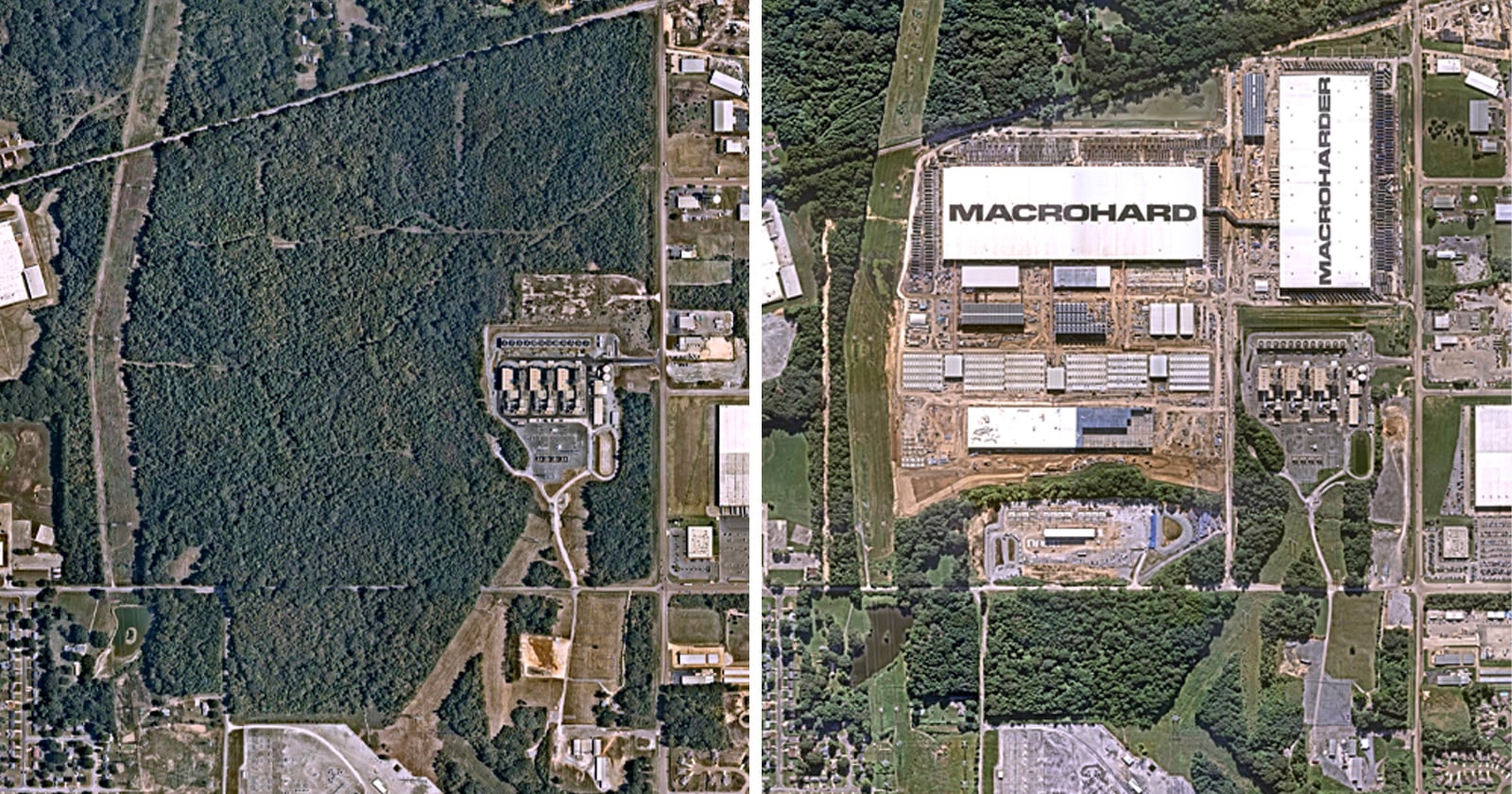
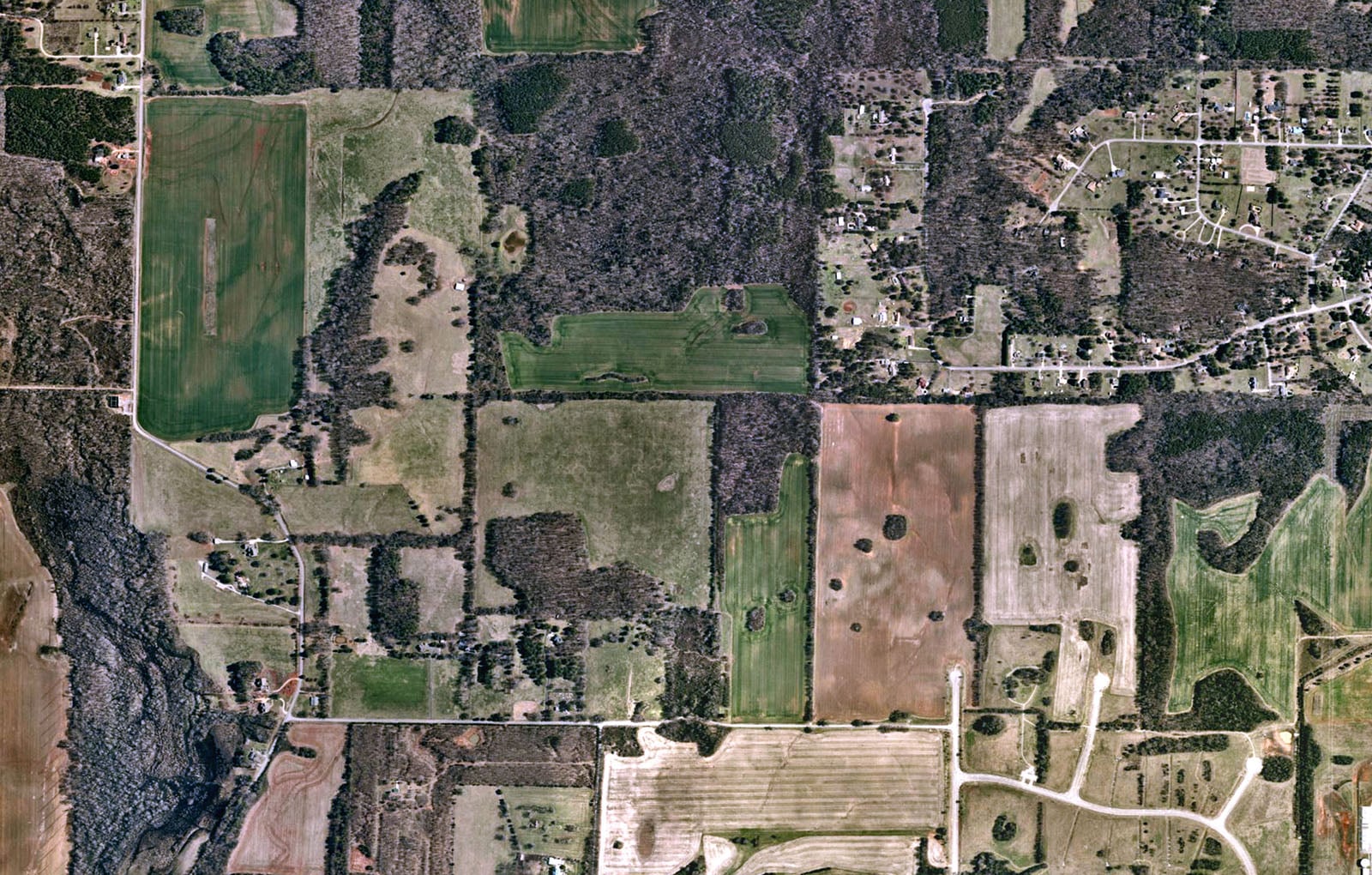
The timelapse footage shared by Grant highlights three significant sites across the United States. In Memphis, Tennessee, the xAI campus—often colloquially and playfully referred to as "MACROHARD" by observers—has seen a dramatic transformation between 2015 and 2026. What was once a landscape characterized by natural vegetation and rural density has been systematically leveled to accommodate expansive industrial structures. Similar developments are evident in Huntsville, Alabama, where massive Meta facilities are emerging, and in Abilene, Texas, where OpenAI-linked infrastructure projects are reshaping the local geography.
A Chronology of Rapid Expansion
The acceleration of these builds mirrors the timeline of the AI boom. While data centers have been a component of the digital economy for decades, the shift toward "frontier" AI models—which require thousands of high-end GPUs operating in concert—created a surge in demand that legacy infrastructure could not accommodate.
- 2015–2020: Data centers continued a steady, incremental growth, largely focused on cloud storage and traditional enterprise computing.
- 2021–2022: The emergence of advanced Large Language Models (LLMs) signaled a transition. Tech companies began acquiring large swathes of land to preemptively secure power and space.
- 2023: The "AI Gold Rush" led to an unprecedented scramble for electrical grid capacity. Public utility commissions across the U.S. began reporting record-breaking requests for new connections from data center operators.
- 2024–2026: The current period is defined by mass construction. The images provided by Daily Overview capture this peak activity, where the speed of development has begun to outpace local infrastructure planning.
Environmental and Resource Implications
The construction of these facilities introduces significant environmental challenges. When hundreds of acres of land are cleared, the local ecosystem is permanently altered. Beyond the land-use changes, the operational requirements of these centers are immense.
Data centers are notorious for their high energy intensity. As AI models become more complex, the electricity required to train them increases exponentially. This has forced major tech companies to reconsider their energy portfolios, leading to a renewed interest in nuclear, solar, and wind power, as well as controversial efforts to restart decommissioned power plants. Furthermore, the cooling systems used in these facilities consume vast quantities of water, raising concerns in regions already grappling with drought and water scarcity. The "physical bill" for AI, as described by the AI chatbot Claude in an experiment by Grant, is now becoming a tangible reality for the communities living near these sites.
Industry Responses and the Paradox of Progress
The physical expansion of AI infrastructure is occurring alongside a growing conversation within the industry regarding the speed of development. Recently, prominent figures including Anthropic CEO Dario Amodei, OpenAI’s Sam Altman, and xAI’s Elon Musk have expressed support for a potential slowdown in the development of frontier models. This pivot is primarily rooted in safety and alignment concerns—the fear that AI could advance too quickly to be effectively controlled.
However, a paradoxical tension remains. While the leaders of these organizations advocate for a more cautious approach to software development, the "infrastructure race" shows few signs of deceleration. The capital expenditure (CapEx) allocated to building these massive facilities remains at historic highs. This suggests that even if the development of the underlying AI models were to pause, the companies involved are committed to securing the physical capacity to scale operations as soon as it is deemed safe or profitable to do so.
Socio-Political Friction
Voters and local municipalities are increasingly vocal about the impact of these developments. The "Not In My Backyard" (NIMBY) sentiment is rising in areas targeted for data center expansion. Concerns range from the noise pollution generated by massive cooling fan arrays to the strain placed on local power grids, which can lead to higher electricity costs for residential ratepayers.
Local governments are now forced to weigh the economic benefits—such as tax revenue and potential high-tech job creation—against the long-term degradation of local landscapes and the depletion of public resources. This has led to a patchwork of zoning regulations and, in some cases, moratoriums on data center construction in states that previously welcomed the investment.
Analysis: Is the Infrastructure Race Self-Sustaining?
The fundamental question posed by observers like Benjamin Grant is whether the infrastructure race has taken on a life of its own. When a company invests billions in land and hardware, the economic pressure to utilize that capacity is immense. This creates a "sunk cost" momentum that may make it difficult for firms to slow down, even if they desire a more measured pace for AI research.
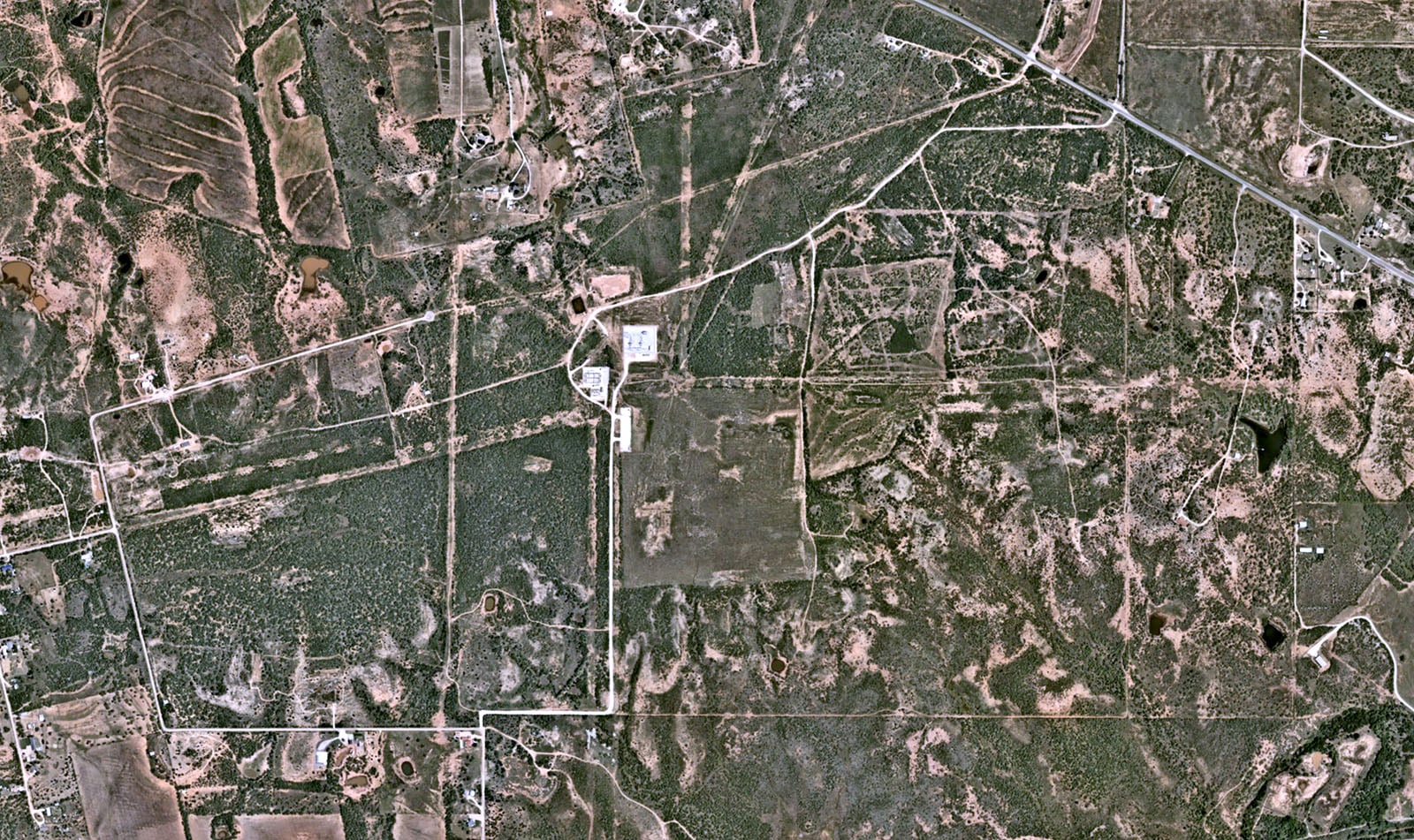
If the industry were to hit a development plateau, these massive facilities would still represent a significant shift in the U.S. industrial landscape. We are moving toward an economy where the most valuable real estate is not defined by its proximity to ports or highways, but by its proximity to high-voltage electrical substations and fiber-optic backbones.
A "Meta" Reflection
In a moment of self-referential irony, Benjamin Grant utilized the Claude AI to draft the caption for his post on the Daily Overview. The response from the model—which is itself hosted on the very type of infrastructure being photographed—offered a sobering perspective: "Watching trees give way to slab and roofline, I can see the physical bill for something that feels weightless from the inside."
This interaction highlights the cognitive dissonance of the current moment. Users interact with AI as if it exists in a vacuum, a "weightless" digital presence. The satellite imagery serves as a necessary corrective, grounding the abstract concept of artificial intelligence in the reality of concrete, steel, and energy consumption. As the U.S. continues to pave the way for a digital future, the visibility of this physical transformation will likely become a central theme in the broader debate over the societal cost of the AI era.

