


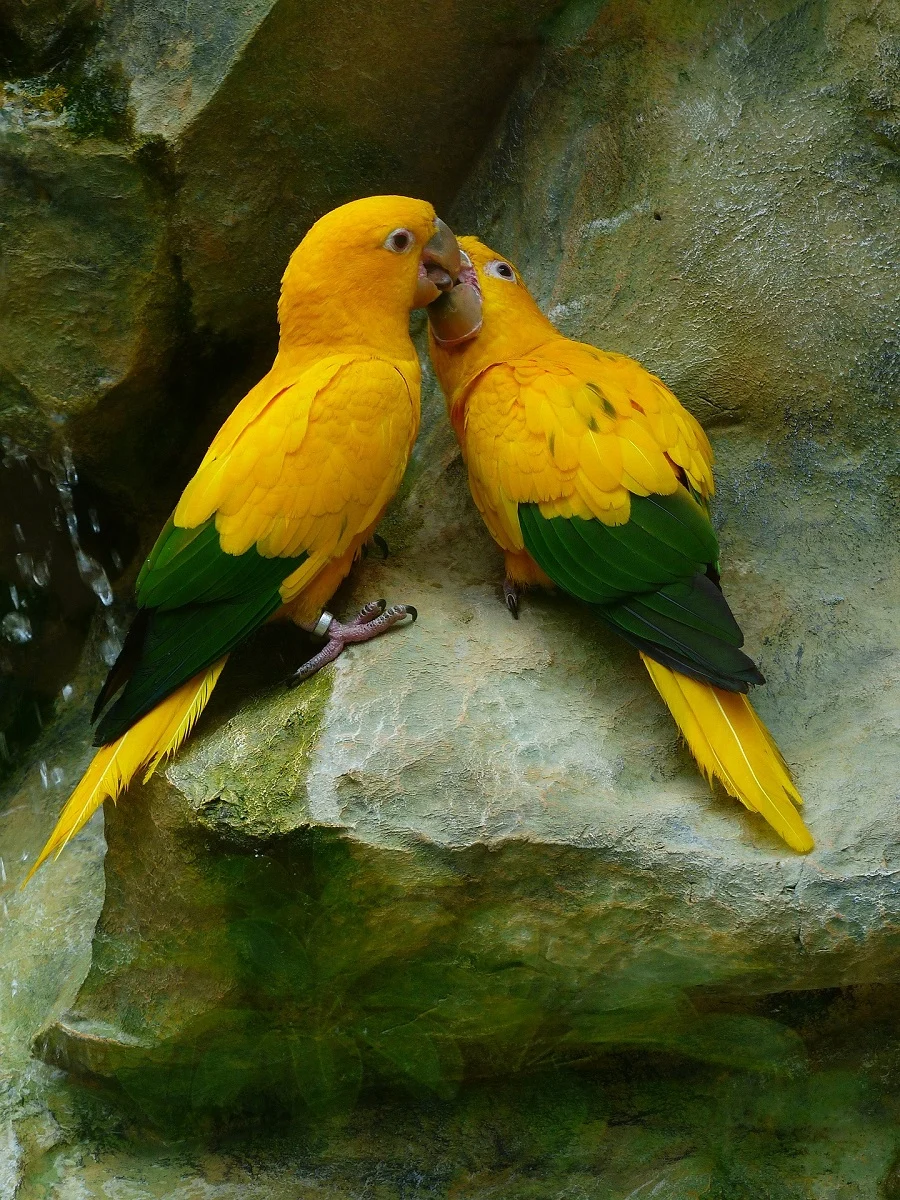
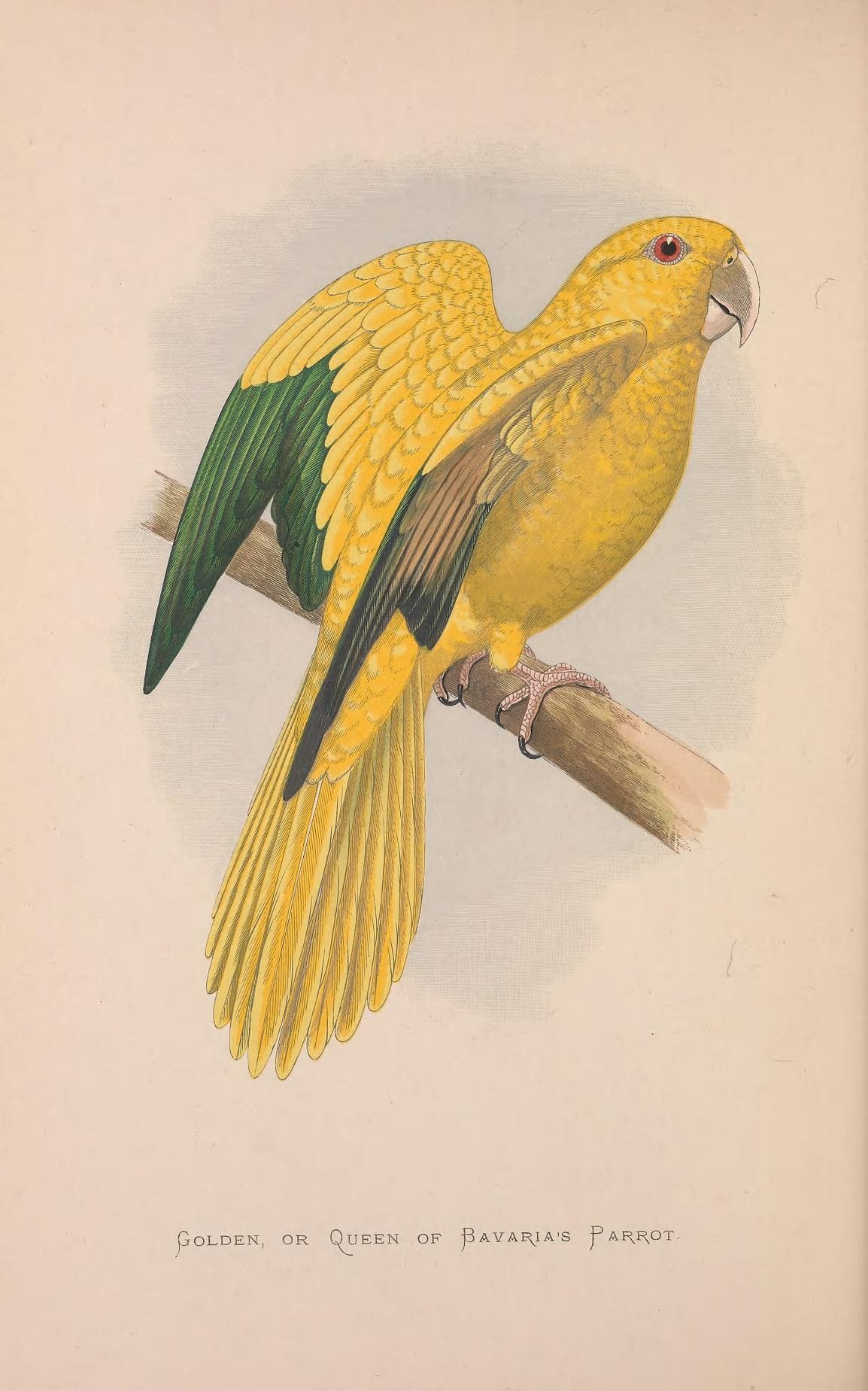
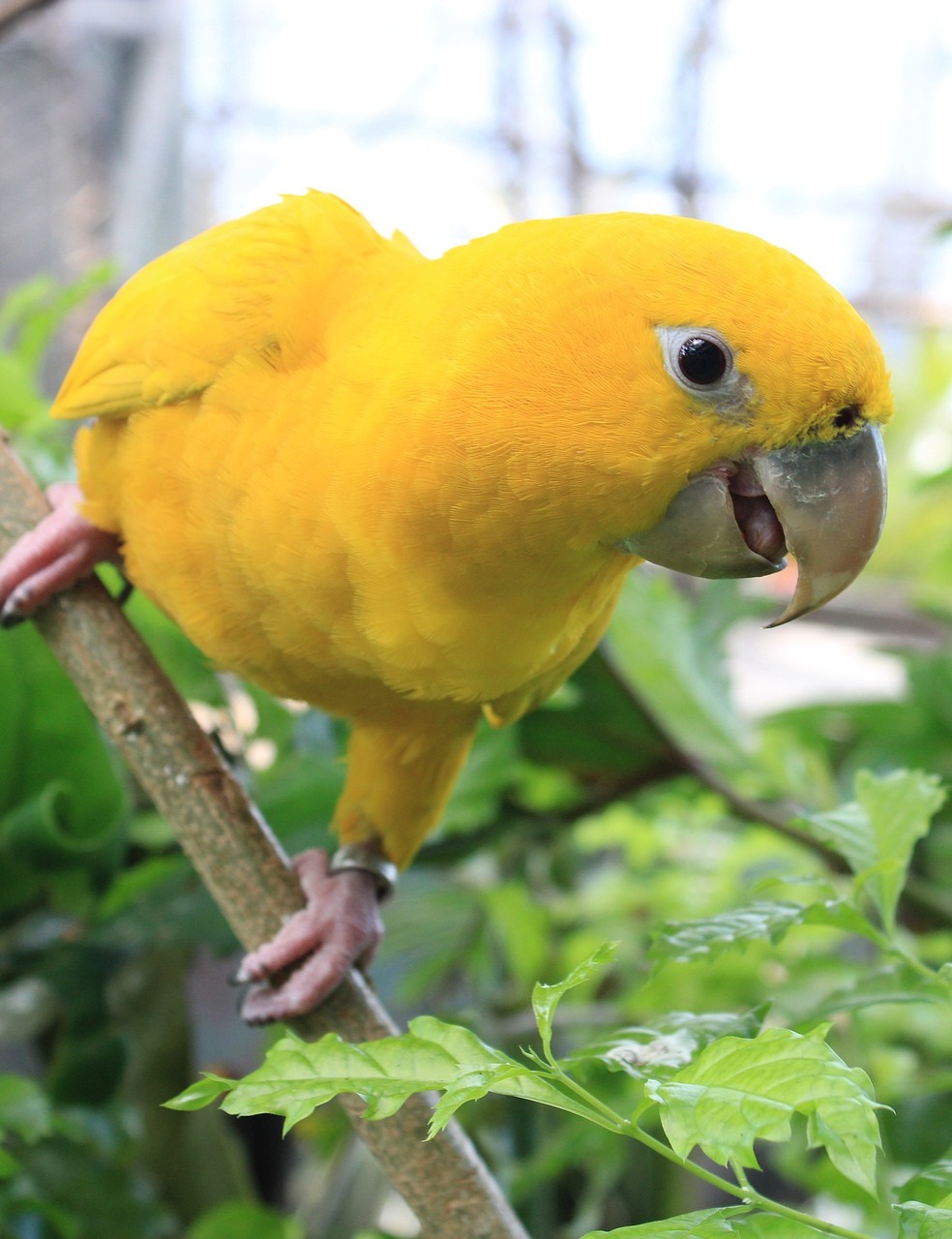
The golden conure, scientifically classified as Guaruba guarouba and historically referred to as the Queen of Bavaria conure, remains one of the most visually striking avian species within the Psittacidae family. Characterized by its brilliant, uniform yellow plumage contrasted against stark dark-green wing tips, this medium-sized parrot has long captivated ornithologists, wildlife conservationists, and aviculturists alike. Native exclusively to the tropical rainforests of the Brazilian Amazon Basin, the species occupies a unique ecological and cultural niche. However, despite its striking appearance and high profile in both local folklore and the international aviary community, Guaruba guarouba faces severe anthropogenic threats that challenge its long-term survival in the wild, designating it as a vulnerable species under global conservation frameworks.
Taxonomic Evolution and Scientific Classification
The taxonomic history of the golden conure reflects the broader complexities and revisions within avian nomenclature. Orinthologists have subjected the species to multiple reclassifications over the past two centuries. Initially placed in the genus Conurus, the species was subsequently reassigned to Eupsittula and later Aratinga. For decades, researchers suspected that the golden conure was sufficiently distinct to warrant its own monotypic genus.
This hypothesis was formally validated in 2006 by ornithologist Joseph Forshaw in his seminal reference work, Parrots of the World, which established the accepted binomial nomenclature of Guaruba guarouba. Subsequent phylogenetic and molecular studies published in the same year reinforced this classification, utilizing mitochondrial and nuclear DNA sequencing to demonstrate that Guaruba is genetically closer to the red-shouldered macaws of the genus Diopsittaca than to the traditional Aratinga conures. This taxonomic distinction underscores the evolutionary uniqueness of the species, separating it definitively from other South American parakeets.
Physical Characteristics and Dimorphism
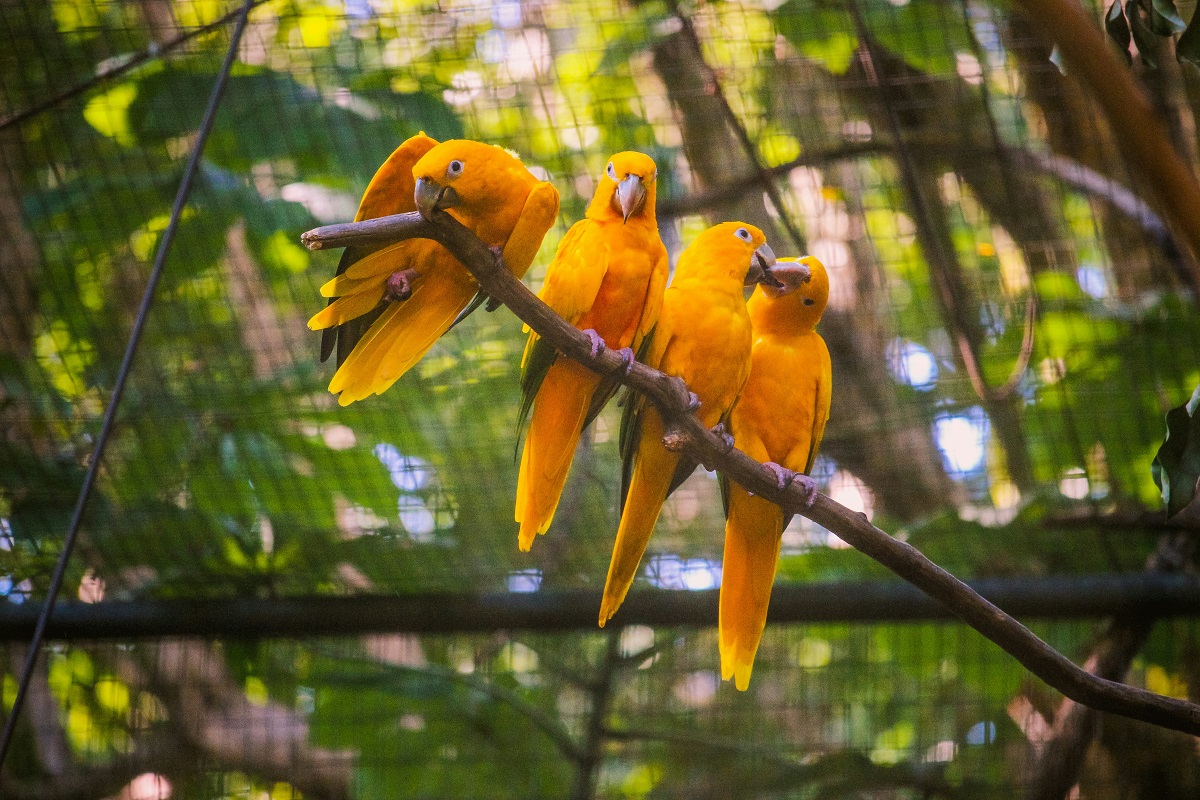
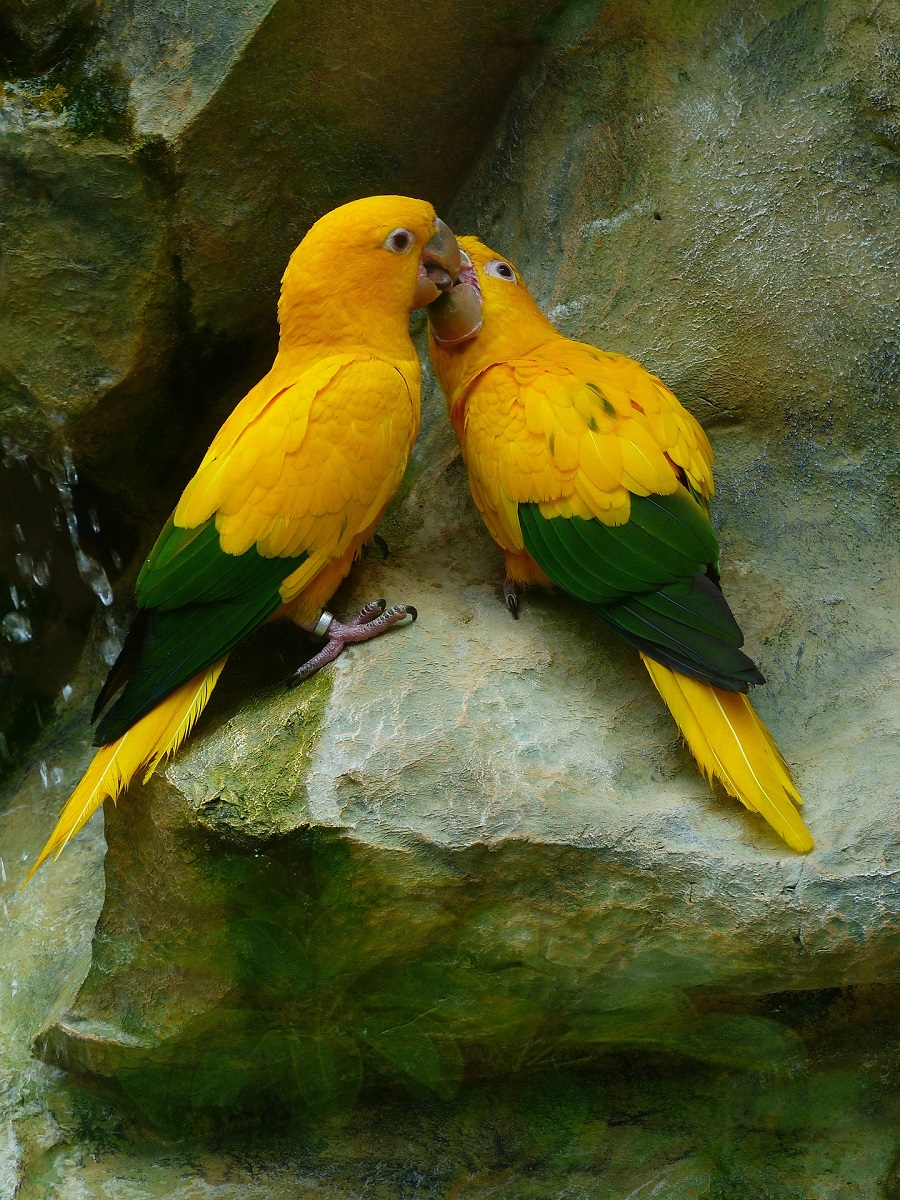
Adult golden conures typically reach a length of up to 14 inches (35 centimeters) and maintain an average body weight of approximately 250 grams. Morphologically, the species features a prominent, horn-colored beak and solid yellow plumage across the head, neck, torso, and tail. The primary exception occurs at the distal extremities of the wings, which display dark green feathers.
Juvenile golden conures exhibit a higher concentration of green plumage, particularly distributed along the wings and occasionally speckled across the mantle and crown. A notable physiological characteristic of Guaruba guarouba is the complete absence of external sexual dimorphism. Male and female specimens are visually identical, necessitating molecular sexing via DNA testing to determine the biological sex of individual birds accurately.
Geographical Distribution and Natural Habitat
The natural range of the golden conure is largely restricted to the Brazilian Amazon Basin, primarily concentrated within the state of Pará, with potential historical occurrences extending into neighboring Maranhão. Within this geographic footprint, the species exhibits a preference for terra firme, or dry lowland forests, though populations have occasionally been documented navigating seasonally flooded várzea habitats.
Ecological observations indicate that golden conures display a degree of nomadism. During the annual breeding cycle, flocks frequently migrate away from dense jungle interiors toward more open, secondary forest zones. Nesting habits of Guaruba guarouba are similarly distinct; pairs or cooperative groups utilize isolated hollows in mature trees, frequently enlarging cavities originally excavated by other forest fauna. Notably, the species is known for a cooperative breeding strategy wherein multiple females deposit their eggs within a single communal nest, occasionally yielding clutches exceeding ten eggs.
Dietary Ecology in the Wild and Captivity
In its natural rainforest habitat, the diet of the golden conure is primarily frugivorous, supplemented by floral resources. Field studies tracking wild populations have identified a heavy reliance on the fruits of native canopy flora, including açaí and bacaba palms, as well as cashew, ice cream bean, nance, and locustberry trees. In addition to foraging on wild fruits, golden conures periodically exploit agricultural lands, causing localized crop damage by feeding on cultivated maize and mangoes.
For specimens maintained in captivity, simulating this diverse natural diet is critical for health and longevity. Avian veterinarians and nutritionists recommend high-quality formulated parrot pellets as a dietary staple, offering a balanced nutritional profile superior to traditional seed mixtures. Fresh vegetables, leafy greens, and seasonal fruits are incorporated to provide dietary enrichment. To mirror natural foraging behaviors and mitigate cognitive decline, keepers frequently utilize foraging devices that require birds to manipulate objects to access food, successfully preventing stereotypies and obesity—a primary cause of mortality in captive psittacines.
Husbandry, Social Behavior, and Enrichment Requirements
Because golden conures are active, medium-sized parrots, their captive housing requirements demand substantial spatial accommodation. Standard indoor cages are generally insufficient unless paired with an integrated full-sized indoor aviary or daily out-of-cage periods exceeding several hours within an enclosure measuring a minimum width of 40 inches (1 meter). Enclosures must be outfitted with natural wood perches of varying diameters, climbing ladders, and robust chewing toys designed to withstand strong, hooked beaks.
Behaviorally, golden conures are recognized for their high intelligence, energetic disposition, and strong social needs. In the wild, they operate within complex social structures, making isolation a major source of chronic psychological stress. Unmet social or environmental stimulation frequently precipitates destructive behavioral manifestations, including excessive vocalization, feather-plucking, and displaced aggression. Comprehensive environmental enrichment—ranging from puzzle toys and foraging boxes to regular interaction with human caregivers—is therefore mandatory for the psychological well-being of captive specimens.
Temperament and Vocalization Profiles
The temperament of the golden conure is generally described as affectionate, highly social, and even-tempered. Unlike many parrot species that form an exclusive bond with a single handler, golden conures frequently distribute their affection across multiple household members. They exhibit high levels of playfulness and thrive on physical interaction and shared time.
However, prospective owners must evaluate the vocalization capacity of the species. While their calls lack the piercing, high-frequency pitch characteristic of certain Aratinga species, such as the sun conure, Guaruba guarouba possesses a powerful voice commensurate with its physical size. Vocalizations are delivered at medium to high volume levels, necessitating consideration for domestic environments where noise pollution is a factor. Regarding mimicry, golden conures are capable of acquiring a limited vocabulary of simple words, short phrases, and ambient household sounds, though their articulation is generally less distinct than that of dedicated talking species such as African greys or Amazon parrots.
Conservation Status and Anthropogenic Threats
The golden conure is currently classified as Vulnerable on the International Union for Conservation of Nature (IUCN) Red List. Historically, the species suffered severe population declines driven by intensive trapping for the international pet trade. Indigenous populations in Brazil, who refer to the bird as the "Ararajuba," have long valued both the live animals and their vibrant golden plumage for cultural and ornamental purposes. Historical accounts document instances where unscrupulous traders dyed the feathers of other, more common conure species yellow to pass them off as high-value golden conures in local markets.
While commercial trapping pressures have diminished due to stricter international wildlife trade regulations, including CITES Appendix I protections, wild populations continue to face severe systemic threats. The primary driver of contemporary population decline is habitat fragmentation and large-scale deforestation within the Amazon Basin, caused by agricultural expansion, logging, and infrastructure development. Conservation initiatives, including captive breeding programs, habitat protection legislation, and managed reintroduction efforts in protected Brazilian reserves, remain critical to ensuring the survival of Guaruba guarouba in the wild.

