


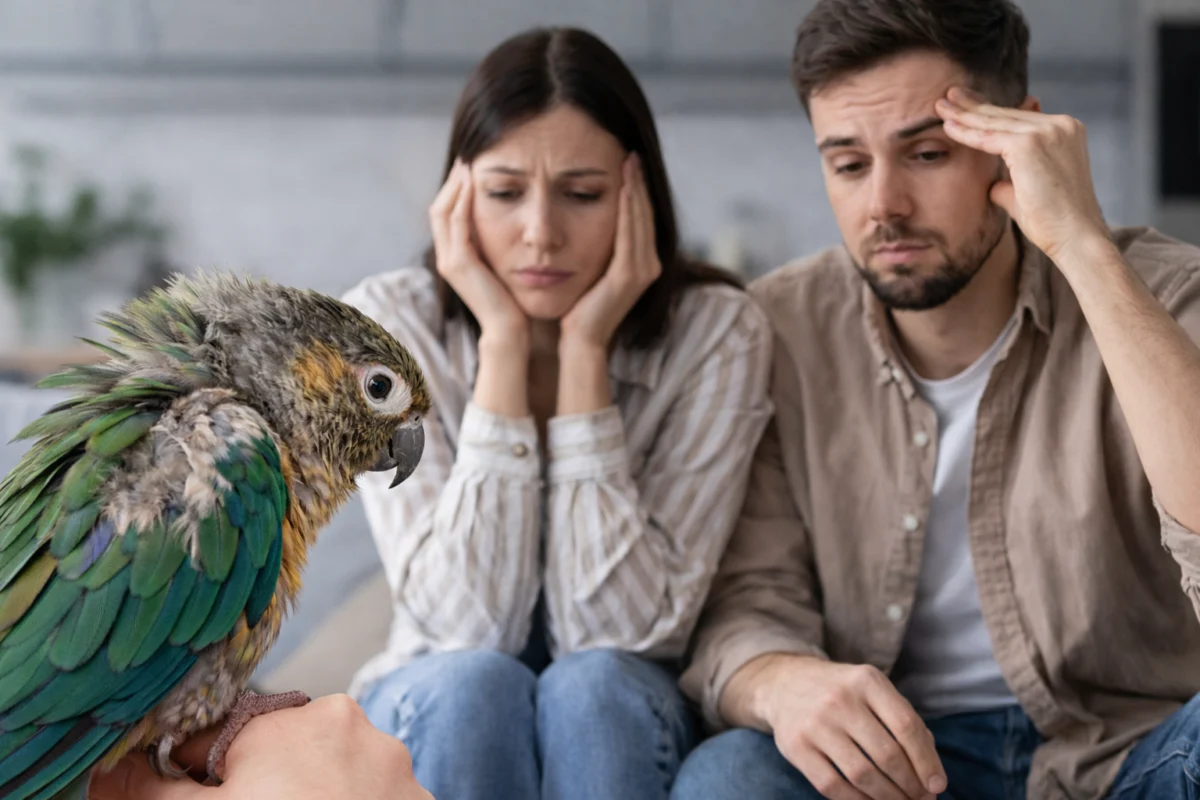
Chronic feather, skin, or "never-ending molt" issues in companion birds rarely manifest suddenly. Rather, they represent a persistent challenge that owners often observe developing over weeks or months, characterized by feathers falling out, regrowing poorly, or causing persistent irritation. This prolonged distress often leads owners to question the nature of the problem, pondering whether it’s a perpetual molt or the onset of plucking, and why the avian body seems unable to complete its natural repair processes. This comprehensive guide moves beyond initial panic or rudimentary advice, focusing on the critical juncture where a bird’s physical repair mechanisms falter and outlining the informed steps necessary for effective intervention. It also delves into observable bird behavior patterns and clarifies the appropriate timing for behavior modification strategies, which are only truly effective once underlying medical causes have been definitively ruled out.
The Critical Role of Avian Plumage: More Than Just Beauty
Feathers are far more than mere adornment for birds; they are intricate, highly specialized structures vital for survival and overall well-being. Comprising up to 20% of a bird’s total body weight, plumage serves a multitude of critical physiological functions. These include thermoregulation, enabling birds to maintain a stable body temperature in varying environmental conditions; flight, with each feather precisely designed for aerodynamic efficiency; protection against physical injury, UV radiation, and environmental elements like water and wind; and even social signaling, communication, and camouflage.
A healthy feather coat is also indicative of a bird’s overall health status. When feather and skin issues become chronic, it signals a deeper imbalance within the bird’s system, potentially impacting its ability to fly, regulate temperature, protect itself, and even interact socially. The constant irritation from poorly formed or damaged feathers can lead to chronic stress, pain, and a significant decline in quality of life. This makes understanding the nuances of avian feather health a paramount responsibility for every bird owner.
Decoding Avian Behavior: Distinguishing Normal Molt from Concerning Patterns
The initial and most crucial step for any bird owner observing feather issues is to meticulously document and analyze the bird’s behavior without immediately jumping to conclusions. While a normal molt is a predictable, cyclical process, chronic issues present a repeating pattern of distress.
The Natural Molting Process: A normal molt typically occurs in waves, where old feathers are symmetrically shed and replaced by new ones. This process is metabolically demanding but generally self-limiting. Birds may appear a bit disheveled, exhibit increased preening, and develop "pin feathers" – new feathers encased in a keratin sheath. These pin feathers can be itchy as they emerge, prompting more vigorous preening, but they eventually unfurl, and the skin settles down. The entire cycle usually resolves within a predictable timeframe, varying by species, and the bird returns to a full, healthy plumage.
Warning Signs That Warrant Concern: When the pattern deviates from this natural cycle, it becomes a cause for concern. Key indicators include:
- Persistent Feather Loss: Molting that appears never-ending, or the continuous shedding of feathers beyond a normal seasonal cycle.
- Poor Feather Quality: New feathers that emerge dull, discolored, misshapen, frayed, or with "stress bars" – horizontal lines across the feather vane indicating periods of nutritional deficiency or physiological stress during growth.
- Bald Patches or Thinning Plumage: Areas where feathers are consistently sparse or entirely absent, particularly on the chest, abdomen, or under the wings.
- Excessive Preening and Self-Mutilation: Compulsive preening that leads to feather damage, or actual plucking and chewing of feathers, often accompanied by skin irritation, redness, or lesions. This can escalate to self-mutilation, where the bird damages its own skin.
- Skin Abnormalities: Dry, flaky, red, inflamed, or scaly skin, which may be a primary issue or secondary to feather destruction.
- Behavioral Changes: Increased lethargy, decreased appetite, changes in vocalization, irritability, aggression, or a general disinterest in play and interaction.
- Weight Loss: A subtle but critical indicator of underlying health issues, as feather growth is metabolically intensive, and chronic problems can divert energy from other bodily functions.
Actionable Observation and Documentation: To accurately assess the situation, owners should define when fully healthy feathers were last observed. Weekly photographs of the affected areas, taken under consistent lighting conditions, can provide invaluable objective evidence of progression or regression. This systematic approach replaces guesswork and helps differentiate between a prolonged but normal molt and a genuine chronic problem requiring intervention.
Root Causes: A Multifactorial Perspective on Feather and Skin Distress
Chronic feather and skin issues in birds are rarely attributable to a single factor. More often, they stem from a complex interplay of nutritional deficiencies, environmental stressors, and underlying medical or psychological conditions.
1. Nutritional Deficiencies: Diet plays a foundational role in feather health. Feathers are primarily composed of keratin, a protein, and their formation requires a steady supply of specific amino acids, vitamins, and minerals.
- Vitamin A Deficiency: Common in birds on seed-only diets, this can lead to poor feather quality, dull plumage, and compromised skin and mucous membranes.
- Essential Fatty Acids (EFAs): Crucial for healthy skin and shiny feathers, EFA deficiencies can result in dry, flaky skin and brittle feathers.
- Amino Acid Imbalances: Inadequate protein intake or an imbalance of specific amino acids (like methionine and cysteine) can directly impair keratin synthesis, leading to weak or deformed feathers.
- Mineral Deficiencies: Zinc, copper, and calcium are also vital for skin and feather integrity.
2. Environmental Stressors: The captive environment, if not optimally managed, can significantly contribute to feather problems.
- Inadequate Humidity: Indoor environments, especially with heating or air conditioning, often have very low humidity, leading to dry skin and brittle feathers that are more prone to breakage and irritation.
- Poor Cage Hygiene: A dirty cage can harbor bacteria, fungi, and parasites, leading to skin infections or infestations that cause itching and feather damage.
- Insufficient Lighting: Lack of full-spectrum UV light can disrupt natural hormonal cycles and vitamin D synthesis, affecting overall health and feather quality.
- Lack of Mental Stimulation/Enrichment: Boredom and under-stimulation are major precursors to behavioral feather destruction. Birds are highly intelligent and require complex environments to thrive.
- Disrupted Sleep Cycles: Birds require 10-12 hours of uninterrupted darkness for proper rest. Constant light or noise can lead to chronic stress.
- Exposure to Toxins: Airborne irritants (e.g., cigarette smoke, scented candles, cleaning products, non-stick cookware fumes) or contact with irritants can cause skin and respiratory issues.
3. Medical Conditions: Many underlying diseases can manifest as feather and skin problems.
- Viral Diseases: Psittacine Beak and Feather Disease (PBFD) and Polyomavirus are highly contagious and devastating, causing progressive feather loss, abnormal feather growth, and immune suppression.
- Bacterial and Fungal Infections: These can affect the skin and feather follicles, leading to irritation, itching, and feather damage.
- Parasites: Mites and lice can cause intense itching, leading to self-mutilation.
- Internal Organ Disease: Liver disease, kidney disease, or other metabolic disorders can impact nutrient absorption and overall physiological function, reflecting in poor feather quality.
- Allergies: While less common than in mammals, birds can develop environmental or food allergies that manifest as skin irritation.
4. Psychological Factors: Stress, anxiety, and learned behaviors play a significant role, particularly in cases of feather plucking and mutilation.
- Boredom and Loneliness: Highly social and intelligent birds can become stressed and destructive if isolated or lacking sufficient interaction and enrichment.
- Anxiety and Fear: Sudden environmental changes, perceived threats, or inconsistent routines can induce anxiety, leading to stress-related feather issues.
- Learned Behavior: Once a bird starts plucking due to another cause (e.g., medical), it can become a self-reinforcing habit, even after the initial cause is resolved.
- Hormonal Imbalances: Reproductive hormones can sometimes contribute to excessive preening or plucking behaviors.
Understanding this multifaceted nature of feather problems is crucial. It underscores why a thorough, methodical approach, beginning with stabilization and medical assessment, is essential for accurate diagnosis and effective treatment.
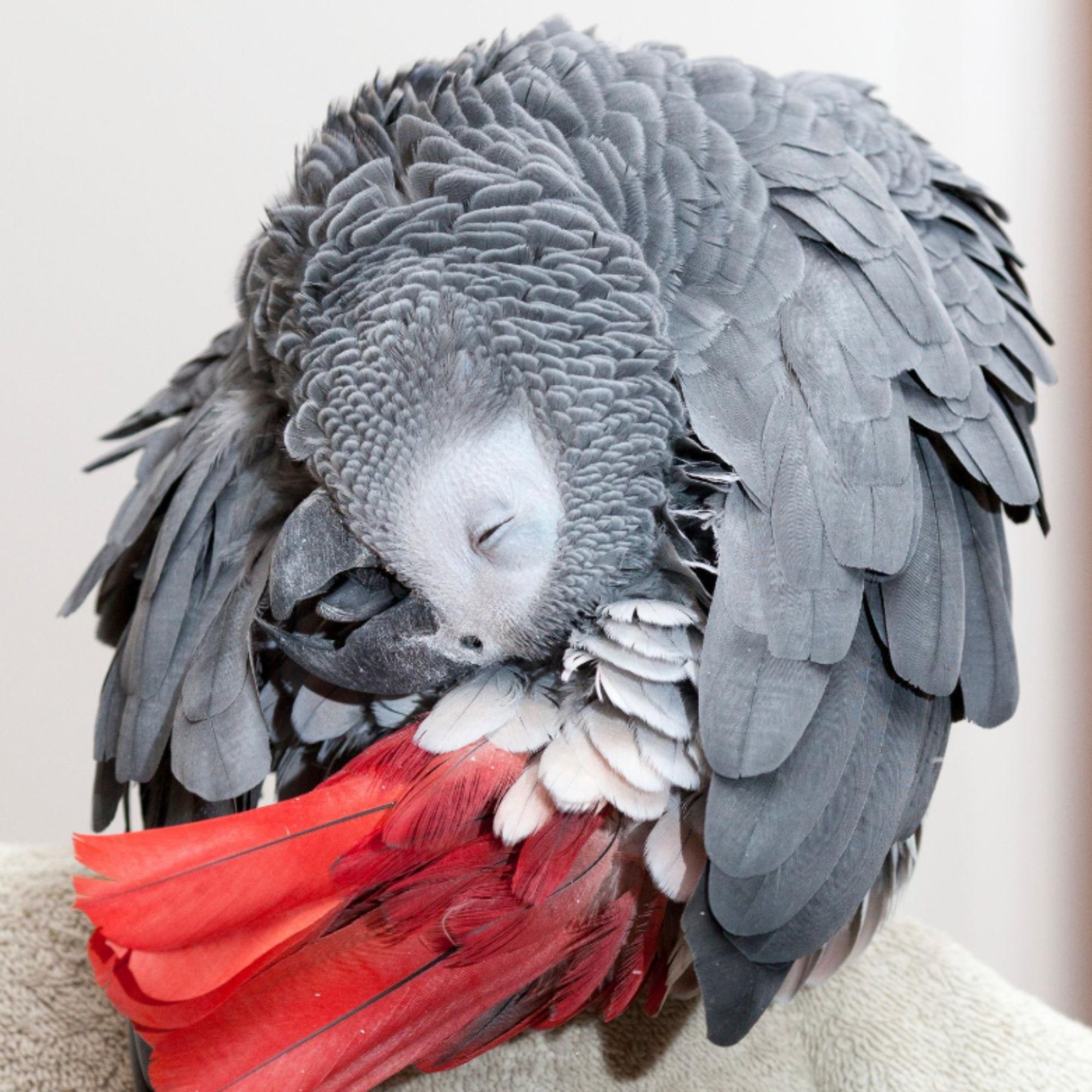
Immediate Steps for Owners: Prioritizing Stabilization Over Quick Fixes
When a bird exhibits chronic feather or skin issues, the immediate focus should be on stabilization and creating an environment conducive to healing, rather than attempting to "fix everything at once." Rushing into drastic changes can inadvertently exacerbate stress, hindering the body’s natural repair processes.
1. Create a Calming and Predictable Environment:
- Quiet Retreat: Ensure the bird has a designated quiet space, away from high-traffic areas, sudden noises, or perceived threats.
- Consistent Routine: Maintain a predictable daily schedule for feeding, interaction, and sleep. Birds thrive on routine, and predictability reduces anxiety.
- Optimal Sleep: Provide 10-12 hours of uninterrupted darkness nightly. A dark, quiet sleep cage or a cage cover can facilitate this.
- Temperature and Humidity Control: Maintain a comfortable ambient temperature (typically 68-78°F or 20-26°C). Address low humidity, which is a common issue in indoor environments. This can be done with humidifiers, regular misting, or providing a shallow bathing dish.
2. Review and Optimize Diet:
- Transition to a Pelleted Diet: If the bird is on an all-seed diet, gradually transition to a high-quality, species-appropriate pelleted diet, which provides balanced nutrition.
- Introduce Fresh Produce: Offer a wide variety of fresh, bird-safe fruits, vegetables, and leafy greens daily. These provide essential vitamins, minerals, and antioxidants.
- Avoid Nutritional Stressors: Eliminate processed foods, sugary treats, and high-fat seeds, which offer poor nutritional value and can lead to imbalances.
- Hydration: Ensure constant access to fresh, clean water.
3. Gentle Bathing and Hygiene:
- Regular Bathing: Encourage regular bathing (misting, shower perches, shallow dishes) to help clean feathers, hydrate skin, and reduce dander and irritants.
- Cage Cleanliness: Maintain impeccable cage hygiene to minimize bacterial or fungal growth and parasitic exposure.
4. Minimize Unnecessary Stressors:
- Avoid Over-Handling: While interaction is important, avoid excessive or forceful handling during this sensitive period.
- Limit Environmental Changes: Postpone major cage relocations, introduction of new pets, or other significant environmental shifts if possible.
- No Forceful "Behavior Correction": Do not attempt to punish or scold the bird for feather-destructive behavior, as this will only increase stress and anxiety.
The overarching goal during this stabilization phase is to provide the bird’s body with the optimal conditions and "breathing room" it needs to recover and grow healthier feathers. When a bird’s system is constantly in a state of stress, whether from environmental factors, nutritional deficiencies, or perceived threats, its physiological resources are diverted away from restorative processes like feather growth. By simplifying its environment and meeting its fundamental needs, owners empower the bird’s natural healing capabilities.
The Physiological Burden of Feather Regrowth and the Role of Stress
Growing new feathers is an incredibly demanding physiological process for a bird, consuming significant metabolic energy, nutrients, and hormonal resources. Even in healthy birds, a normal molt can lead to temporary lethargy or a slightly increased appetite due to the sheer biological effort involved. When a bird is already compromised by chronic feather issues, this burden is amplified, and any additional stressors can tip the delicate balance.
The Stress-Feather Connection: Chronic stress, whether physical or psychological, triggers the release of stress hormones like corticosterone. These hormones, while vital for short-term survival responses, can, when sustained, suppress the immune system, divert energy away from non-essential functions (like feather growth), and impair nutrient metabolism. The result is often compromised feather quality, delayed feather regeneration, or even a cessation of new feather growth.
Consider the human analogy: when an individual is recovering from illness or extreme fatigue, their body prioritizes rest and basic functions. They don’t engage in strenuous activities, style their hair meticulously, or take on new challenges. Instead, they simplify their routine, seek comfort, and allow their body to recuperate. Birds, too, require this kind of supportive environment when their bodies are under the strain of chronic feather issues.
Common Unintentional Stressors: Owners, often with the best intentions, can inadvertently add stress to an already struggling bird:
- Excessive Veterinary Visits: While necessary, frequent or stressful vet visits can compound anxiety.
- Constant Attempts to "Fix" the Problem: Trying every supplement, every new toy, or every behavioral trick without a clear plan can create an unpredictable and unsettling environment.
- Over-Interaction: While bonding is important, a bird dealing with chronic issues may need more quiet time and less intense interaction.
- Lack of Routine: Inconsistent feeding times, cage cleaning, or sleep schedules can create uncertainty.
- Environmental Instability: Frequent changes in cage location, new objects, or fluctuating household noise levels.
Recognizing these subtle stressors is not an indictment of ownership but an opportunity to refine care strategies. By reducing day-to-day stress, owners do not magically "fix" feathers, but they create the fundamental conditions under which the bird’s body can allocate resources more effectively towards healing and producing healthier plumage in subsequent molts.
Behavioral Modification: A Targeted Approach After Medical Clearance
Behavior modification plays a crucial role in addressing feather-destructive behaviors, but its application is contingent upon a thorough medical evaluation. It is imperative that all potential medical causes for feather issues – including nutritional deficiencies, environmental irritants, infections, parasites, and systemic diseases – are definitively ruled out by an avian veterinarian before focusing on behavioral interventions. Treating a behavioral symptom without addressing an underlying medical cause is not only ineffective but can delay critical veterinary care.
Once medical issues have been excluded, behavior modification shifts from trying to "correct" feather destructive behavior directly to strengthening natural, healthy parrot activities. The principle is to reinforce desired behaviors, making them more rewarding and frequent, thereby reducing the bird’s fixation on its feathers.
Key Components of Behavioral Modification:

-
Enrichment-Focused Environment: A stimulating environment is paramount. This includes:
- Foraging Opportunities: Encouraging natural foraging behaviors by hiding food or using foraging toys can occupy a bird’s mind and body for extended periods.
- Chewing and Shredding Toys: Providing a constant supply of safe, destructible toys (e.g., untreated wood, natural fibers, paper products) allows birds to satisfy their innate urge to chew and manipulate objects.
- Flight and Exercise: Opportunities for safe flight or regular exercise are vital for physical and mental health, reducing pent-up energy that might otherwise be directed towards feathers.
- Positive Reinforcement Training: Engaging a bird in positive reinforcement training can build confidence, strengthen the human-animal bond, and provide mental stimulation.
-
Promoting Natural Grooming and Social Behaviors:
- Bathing: Consistent access to bathing opportunities (misting, shower perches, shallow water dishes) promotes healthy preening, removes dander, and hydrates skin.
- Social Interaction: For highly social species, appropriate and consistent social interaction with their human flock members or compatible avian companions is crucial. Loneliness can be a significant stressor.
-
Reducing Triggers: Identifying and mitigating specific triggers for feather destruction is also important. This might involve adjusting cage placement, changing routines, or modifying interactions.
The "Stress Relief" Mechanism: Natural parrot behaviors like calm preening, eating, bathing, chewing, exploring, and playing act as intrinsic stress relievers. When birds are regularly engaged in these activities, their overall stress levels decrease, and their focus naturally shifts away from their feathers. As predictability in the environment increases and chronic stress diminishes, both behavior and feather quality tend to improve synergistically. This approach recognizes that a bird’s body cannot focus on healing when it’s constantly bracing for the next stressful event; instead, it needs a stable, enriching environment to thrive.
When to Seek Professional Expertise: Avian Veterinarians and Behaviorists
The decision of when and whom to call for professional help is critical in managing chronic feather and skin issues. A methodical approach ensures that serious medical conditions are not overlooked.
1. The Avian Veterinarian: The First Line of Defense
An avian veterinarian should always be the first point of contact when a bird exhibits persistent feather or skin problems. This is especially true if any physical changes accompany the feather issues, such as:
- Weight Loss or Keel Prominence: Indicates underlying illness or severe metabolic drain.
- Visible Skin Damage: Redness, inflammation, lesions, scabs, or bleeding.
- Low Energy or Lethargy: A general sign of illness.
- Appetite Shifts: Significant increase or decrease in food intake.
- Changes in Droppings: Diarrhea, unusual color, or consistency.
- Regurgitation or Vomiting.
- Any other signs of physical discomfort or illness.
An avian vet will conduct a thorough physical examination, potentially including blood tests, feather biopsies, skin scrapings, viral panels (e.g., PBFD, Polyomavirus), bacterial/fungal cultures, and imaging (X-rays) to identify or rule out underlying medical conditions. Early diagnosis and treatment of medical issues are paramount to prevent irreversible damage and improve prognosis.
2. The Qualified Avian Behaviorist: Post-Medical Clearance Support
Once an avian veterinarian has thoroughly examined the bird and definitively ruled out all medical causes for the feather and skin issues, a qualified avian behaviorist becomes the appropriate next step. It is crucial to emphasize that behaviorists do not diagnose or treat medical conditions. Their expertise lies in understanding avian psychology and modifying environmental and interactional factors to promote healthier behaviors.
A bird behaviorist can help by:
- Assessing Environmental Factors: Identifying stressors or deficiencies in the bird’s daily routine, cage setup, or enrichment.
- Developing Enrichment Strategies: Creating a tailored plan to increase mental and physical stimulation, encouraging natural foraging, chewing, and play.
- Improving Social Dynamics: Guiding owners on appropriate interaction, bonding techniques, and addressing potential social stressors.
- Implementing Positive Reinforcement: Teaching owners how to use positive reinforcement to encourage desired behaviors and reduce unwanted ones.
- Addressing Anxiety and Fear: Developing strategies to reduce a bird’s anxiety levels.
The Interdisciplinary Approach: In complex cases, a collaborative approach between the avian veterinarian and the avian behaviorist often yields the best outcomes. The vet addresses the physiological health, while the behaviorist tackles the psychological and environmental aspects, creating a holistic care plan. This sequential, informed approach ensures that the bird receives the most appropriate and effective care at each stage of its recovery.
Long-Term Implications and Prevention
The journey through chronic feather and skin issues can be challenging, but understanding the root causes and implementing a structured plan offers the best path to recovery and improved quality of life for companion birds. The long-term implications of neglecting these issues can range from irreversible feather follicle damage, leading to permanent baldness, to chronic pain, secondary infections, and a significantly reduced lifespan due to persistent stress and underlying disease.
Proactive Care and Prevention: The most effective approach is proactive prevention, focusing on comprehensive care that addresses all aspects of a bird’s well-being:
- Regular Veterinary Check-ups: Annual wellness exams with an avian veterinarian are crucial for early detection of potential health problems, even if the bird appears healthy.
- Balanced Nutrition: Consistently providing a high-quality, species-appropriate diet, primarily pelleted with a wide variety of fresh fruits and vegetables, is fundamental. Avoiding seed-heavy diets is a critical preventative measure.
- Enriched Environment: A stimulating environment that allows for natural behaviors like foraging, climbing, chewing, and flight is essential for mental and physical health. Rotation of toys, introduction of new challenges, and opportunities for social interaction prevent boredom and stress.
- Optimal Environmental Conditions: Maintaining appropriate humidity levels, providing full-spectrum UV lighting, ensuring clean air (free from toxins), and establishing a consistent sleep schedule are vital.
- Understanding Species-Specific Needs: Researching and understanding the specific behavioral, dietary, and environmental requirements of one’s bird species allows for tailored care that anticipates and prevents common issues.
- Stress Reduction: Identifying and minimizing potential stressors in the bird’s environment and routine.
In conclusion, managing chronic feather and skin issues in birds demands a patient, observant, and systematic approach. It requires owners to be diligent in monitoring their bird’s behavior, meticulous in providing an optimal environment, and proactive in seeking professional guidance. By prioritizing physical health, consistent routines, and enriching interactions, and by understanding when to consult an avian veterinarian versus an avian behaviorist, owners can significantly improve their bird’s chances of achieving a full, healthy, and vibrant plumage, and ultimately, a happier life. The health of a bird’s feathers truly reflects the health of its entire being.
Published On: Feb 1, 2026
Last updated on: Feb 02, 2026
By Diane Burroughs, LCSW (Licensed psychotherapist, ABA-trained behavior guru, certified in Nutrition for Mental Health, author of multiple bird behavior books, and founder of UnRuffledRx, a line of science-backed parrot wellness products.)

