


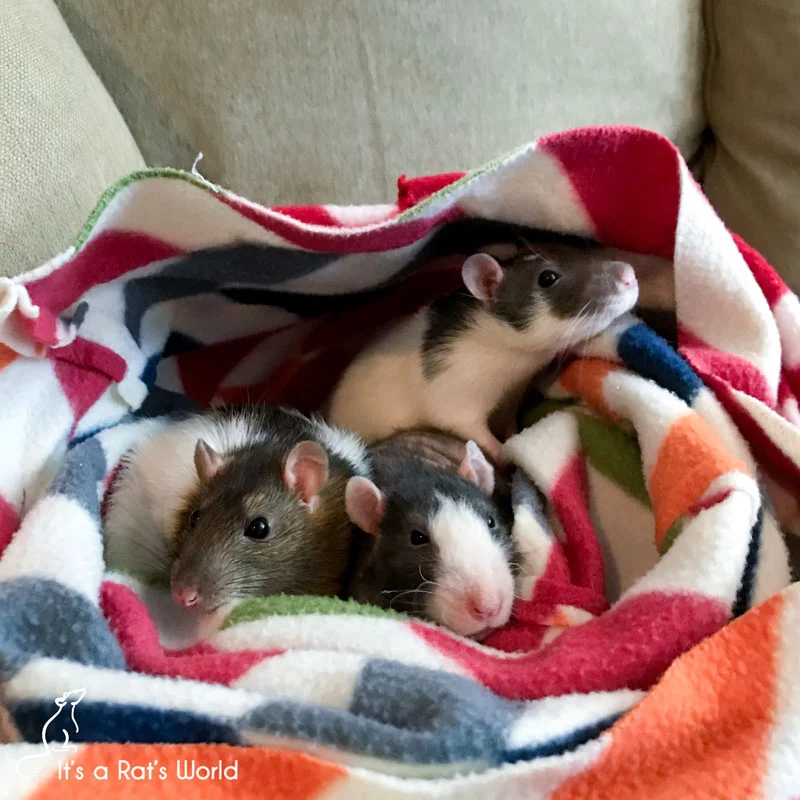
For many pet owners, the annual summer vacation presents a recurring logistical dilemma: how to ensure the health and safety of small companion animals while away from home. While standard boarding facilities or house-sitters remain the conventional solutions for cats and dogs, the niche market for specialized care for exotic pets—specifically rats—is often limited. Consequently, a growing segment of the rat-owning community is opting to incorporate these animals into their travel plans, turning road trips into shared experiences. This trend, while logistically complex, is supported by proper preparation, environmental control, and a focus on minimizing the stress inherent in relocation for small mammals.
Historical Context and Behavioral Considerations
Rats are highly social, intelligent rodents that thrive on predictability and routine. Ethologists have long noted that environmental stability is critical for the psychological well-being of Rattus norvegicus domestica. Abrupt changes in surroundings can induce acute stress, which in small animals may manifest as suppressed immune function or gastrointestinal distress.
The movement toward "pet-inclusive" travel has gained momentum over the last decade, mirroring broader trends in the pet industry where animals are increasingly viewed as core family members. Historically, pet owners avoided traveling with small rodents due to the fragility of their respiratory systems and their sensitivity to temperature fluctuations. However, improvements in portable habitat technology and a better understanding of animal handling have made transit more viable. Experts in animal husbandry suggest that "desensitization"—a process of gradually exposing the animal to the stimuli of travel—is the primary factor in determining whether a rat will successfully adapt to life on the road.
Phase 1: Pre-Travel Desensitization and Behavioral Assessment
Before embarking on a multi-day journey, owners are encouraged to initiate a training timeline. This process typically begins four to six weeks prior to the scheduled departure. The initial phase involves "bonding pouch" training, where the animal is carried in a ventilated, secure fabric pouch for short durations in familiar environments, such as a backyard or a quiet room. This helps the animal associate the movement of the human with safety and security.
Following successful bonding, short-duration vehicular transit is recommended. These "test drives" should be limited to 20 to 30 minutes, mimicking a routine trip to a veterinarian or a nearby park. During these sessions, owners must monitor for physiological signs of distress, including rapid breathing, lethargy, or refusal to consume water. If the animal displays resilience, the duration may be incrementally extended. It is essential to note that these sessions should only occur during temperate weather, as vehicles can reach hazardous temperatures rapidly, even with climate control systems active.
Phase 2: Logistics and Hardware Requirements
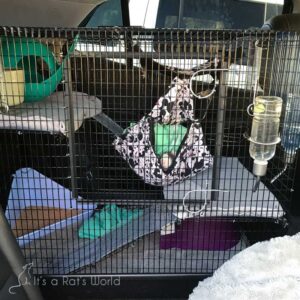
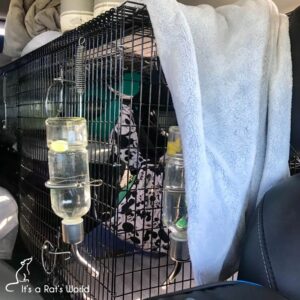
The centerpiece of any successful trip is the travel habitat. For extended travel, the "bigger is better" rule applies, provided the cage is secured properly within the vehicle to prevent sliding or tipping during transit. A primary habitat should offer sufficient vertical space for climbing and horizontal space for nesting.
Professional recommendations for hardware include:
- Safety-Rated Housing: Sturdy wire cages with secure latching mechanisms are preferred. Plastic transport carriers should be reserved only for short-term segments, such as rest stops or emergency evacuations.
- Climate Shielding: Vehicles are prone to uneven temperature distribution. Reflective window shades and thermal blankets are necessary to mitigate the impact of direct sunlight and drafts.
- Hydration Systems: Standard gravity-fed water bottles are prone to leaking under the vibration of a moving vehicle. Dual-bottle setups are advised to ensure a backup supply, and owners should conduct hourly checks to ensure seals remain intact and water flow is consistent.
Data-Driven Packing Lists and Emergency Preparedness
Veterinary experts advise that owners maintain a "go-bag" specifically for the animal, functioning similarly to an emergency kit for humans. This kit should contain more than just basic sustenance; it requires a specialized inventory to address the potential for stress-induced illness.
Essential Inventory:
- Dietary Staples: A 150% supply of the animal’s daily caloric intake to account for potential traffic delays or detours.
- Sanitation Tools: A dedicated kit including biodegradable wet wipes, a small brush for cage maintenance, and high-absorbency paper towels.
- Medical Supplements: In cases of mild gastrointestinal upset—often caused by travel-related stress—veterinarians have historically observed that soluble fibers can assist in normalizing digestion. A small supply of potassium-rich foods, such as fresh bananas, is often cited in anecdotal care manuals as a means to manage soft stool.
- Emergency Documentation: A digital and physical copy of medical records, including proof of any necessary vaccinations or health certificates, which are often required when crossing state lines.
The Impact of Environmental Regulation on Animal Health
The broader implications of traveling with small mammals involve stringent adherence to climate control. Rats typically thrive in temperatures between 65°F and 75°F (18°C–24°C). Temperatures exceeding 80°F (27°C) place the animals at immediate risk of heatstroke, a condition that can progress to mortality within minutes.
Industry analysts tracking pet-friendly travel have noted that many hotels and motels are expanding their policies to accommodate "pocket pets," yet official regulations remain inconsistent. It is the responsibility of the owner to verify that "pet-friendly" includes rodent companions prior to booking. The industry standard practice is to request a "Do Not Disturb" sign be placed on the door, effectively preventing housekeeping staff from accessing the room while the pets are unattended. This eliminates the risk of an animal escaping if a door is inadvertently left open.
Professional Perspectives and Ethical Analysis
Animal welfare organizations generally maintain a neutral stance on the practice of traveling with rats, provided the owner prioritizes the animal’s comfort over the destination. Dr. Aris Thorne, a specialist in exotic animal medicine, notes: "The success of a trip is measured by the animal’s baseline behavior. If an animal exhibits consistent signs of fear or appetite suppression, travel should be aborted. The objective is to ensure the animal remains in a state of homeostasis, regardless of the geographic location."
Critics of the practice often point to the risk of vehicle accidents or mechanical failure. In the event of a breakdown in a remote area, the owner must have an independent power source or cooling method to ensure the vehicle’s temperature remains stable while waiting for assistance. The risk profile is significantly higher for rodents than for larger domestic pets, necessitating a more rigorous level of planning.
Conclusion and Future Outlook
As more owners seek to integrate their pets into their lifestyles, the infrastructure for traveling with exotic animals will likely continue to evolve. Currently, the practice remains a specialized endeavor requiring high levels of dedication, significant financial investment in equipment, and a profound understanding of individual animal behavior.

For those who prioritize companionship, the act of traveling with rats can serve to strengthen the human-animal bond. However, it must be approached as an operational task rather than a spontaneous leisure activity. By adhering to the principles of gradual desensitization, rigorous climate control, and meticulous packing, owners can mitigate the inherent risks, turning a daunting logistical challenge into a successful shared adventure. As the travel industry continues to adapt, it is expected that more resources, such as pet-specific transit maps and verified lodging databases, will become available to support this growing community of travelers.

