


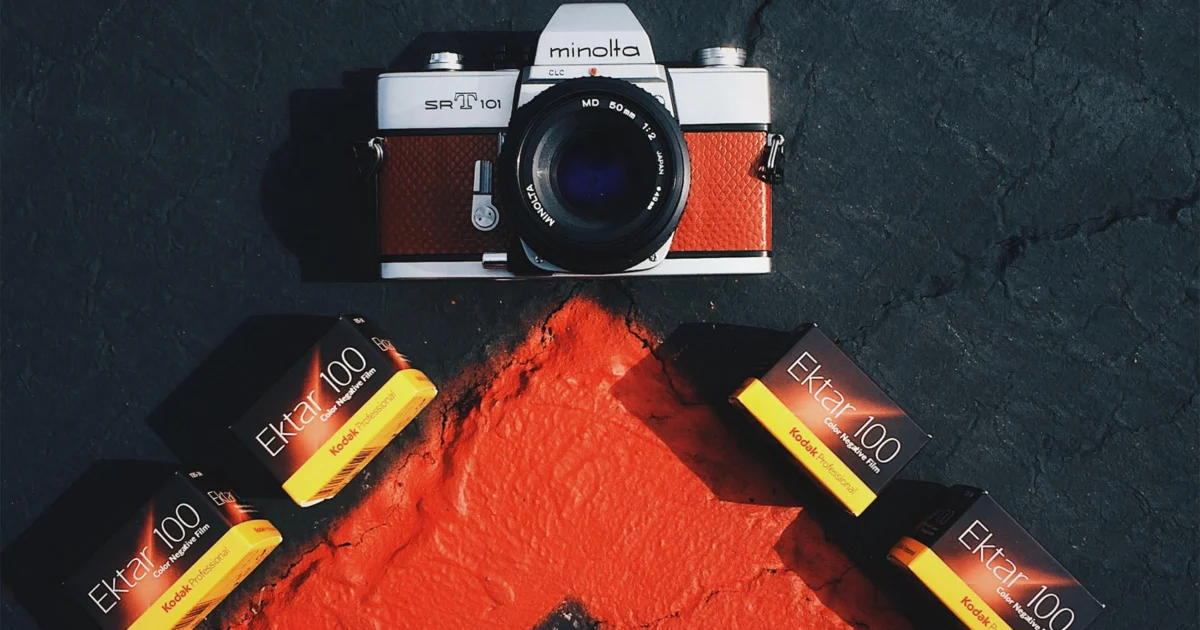
The resurgence of analog photography has transformed from a niche hobby into a sustained cultural movement, with high-performance film stocks acting as the primary drivers of this transition. Among the most significant contributors to this revival is Kodak’s Ektar 100, a color negative film renowned for its exceptionally fine grain structure and high color saturation. As digital imaging continues to dominate the commercial landscape, Ektar 100 occupies a unique position as a bridge between the high-resolution requirements of professional work and the aesthetic character prized by enthusiasts of the medium.
Historical Context and Evolution of the Ektar Brand
The Ektar name possesses a long-standing pedigree within the history of optical engineering. Initially introduced by Eastman Kodak in the 1930s, the "Ektar" label was reserved for the company’s premier professional-grade lenses. The name was derived from a portmanteau of "Eastman Kodak" and "Tessar," the latter referring to the classic four-element lens design that dominated the mid-20th century. These lenses were synonymous with cutting-edge optical technology, appearing on a wide array of equipment ranging from portable Bantam and Retina cameras to complex large-format studio setups.

The transition of the brand from optical hardware to chemical film occurred in 1989. The original Ektar film line featured several variations, including Ektar 25 and Ektar 1000, which catered to specialized needs for low-grain resolution and high-speed shooting, respectively. Following a shift in market demand and the consolidation of product lines, the original iteration of Ektar film was discontinued in 1997. However, the brand’s reputation for quality ensured it remained a point of nostalgia for the photographic community until its eventual reintroduction.

The 2008 Relaunch and Market Positioning
In September 2008, Eastman Kodak officially returned Ektar to the market with the release of Ektar 100. This launch was strategic, arriving at a time when the photographic industry was grappling with the rapid decline of slide films, most notably the 2012 discontinuation of Kodachrome. Kodak positioned Ektar 100 as a professional-grade color negative film capable of rivaling the rich, vibrant color profiles typically found in transparency (slide) films like Fujifilm’s Velvia 50.

Initially released only in 135 (35mm) format, the film’s immense popularity quickly led to an expansion into 120 medium format, as well as 4×5 and 8×10 large-format sheet film. This versatility allowed it to capture a diverse demographic of users, from street photographers working in 35mm to landscape artists utilizing large-format view cameras to maximize the film’s resolving power.

Technical Characteristics and Imaging Performance
The defining characteristic of Ektar 100 is its grain structure, which is arguably the finest among current color negative films. Because of the film’s exceptionally low grain, it is highly sought after by photographers who intend to produce large-scale prints or perform high-resolution digital scans. In technical terms, the lack of visible grain contributes to superior sharpness, allowing for finer detail retrieval in complex subjects such as natural textures, architectural elements, and intricate foliage.

Beyond its physical structure, the film’s color science is engineered to produce high-contrast, vivid results. While many portrait-focused films, such as the Kodak Portra series, are designed to render skin tones with a soft, neutral, and naturalistic palette, Ektar 100 leans toward a punchier, high-saturation aesthetic. This makes it an ideal candidate for landscape and commercial photography, where saturated blues, deep greens, and vibrant reds are desirable.

However, the film’s high saturation can present challenges for portraiture. When used in skin-tone-heavy compositions, the film’s tendency to exaggerate warm tones can result in a "ruddy" appearance. Photographers are generally advised to reserve Ektar for environmental portraits or subjects where the subject’s features, such as hair color or vibrant eye color, can benefit from the film’s inherent contrast.

Reciprocity Failure and Long-Exposure Utility
A critical factor for professional photographers utilizing Ektar 100 is its performance during long exposures. Reciprocity failure—the phenomenon where film loses sensitivity as exposure times increase—is a standard consideration in analog photography. According to official data, Ektar 100 requires no reciprocity correction for exposures up to one second. Beyond this threshold, the correction becomes necessary.

For exposure times between 1 and 10 seconds, the adjustments are relatively minor, but at 30 seconds and above, the film typically requires an additional stop of light to maintain proper density. This stability makes it a reliable choice for long-exposure landscape work, particularly when using neutral density (ND) filters. Furthermore, the film’s low ISO rating of 100 makes it a favorite among pinhole photographers, who often require the latitude provided by slower film speeds to manage the lengthy exposure times characteristic of the pinhole format.

Broader Implications for the Analog Industry
The continued viability of Ektar 100 highlights a broader trend within the film photography market: the demand for specialized, high-performance tools. As the industry has shifted away from the "everyday" consumer snapshot market, companies like Kodak have found success by focusing on products that offer distinct aesthetic outcomes that cannot be easily replicated by digital processing.
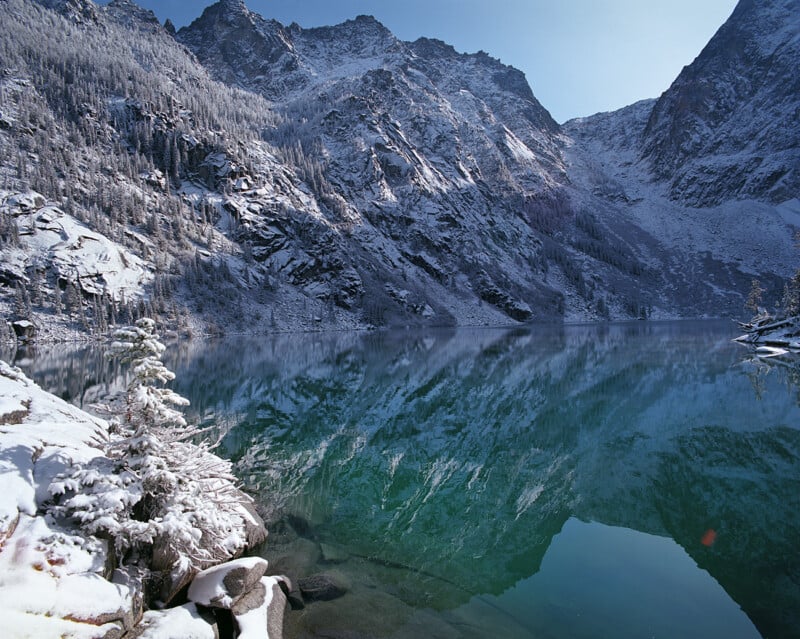
The scarcity of competitive color slide films has further cemented Ektar’s status. For photographers who prefer the look of transparency film—high contrast and saturation—but require the exposure latitude and scanning ease of color negative film, Ektar 100 serves as a unique middle ground.

Future Outlook
The persistence of Ektar 100 in the current market underscores the stability of the analog ecosystem. As supply chains for photographic film have stabilized following the volatility of the mid-2010s, stocks like Ektar 100 continue to serve as essential tools for both amateur and professional practitioners. For those engaged in landscape, architectural, or commercial analog work, the combination of fine grain and color fidelity ensures that the film will likely remain a staple for the foreseeable future.

Retailers, such as Blue Moon Camera and Machine, note that the seasonal demand for the film—particularly during the autumn months when its color saturation is most effective at rendering changing foliage—remains robust. This consistent demand provides a clear indicator that the analog medium is not merely surviving, but thriving through the continued use of high-quality, specialized products that offer a tangible alternative to the ubiquitous digital image.

