


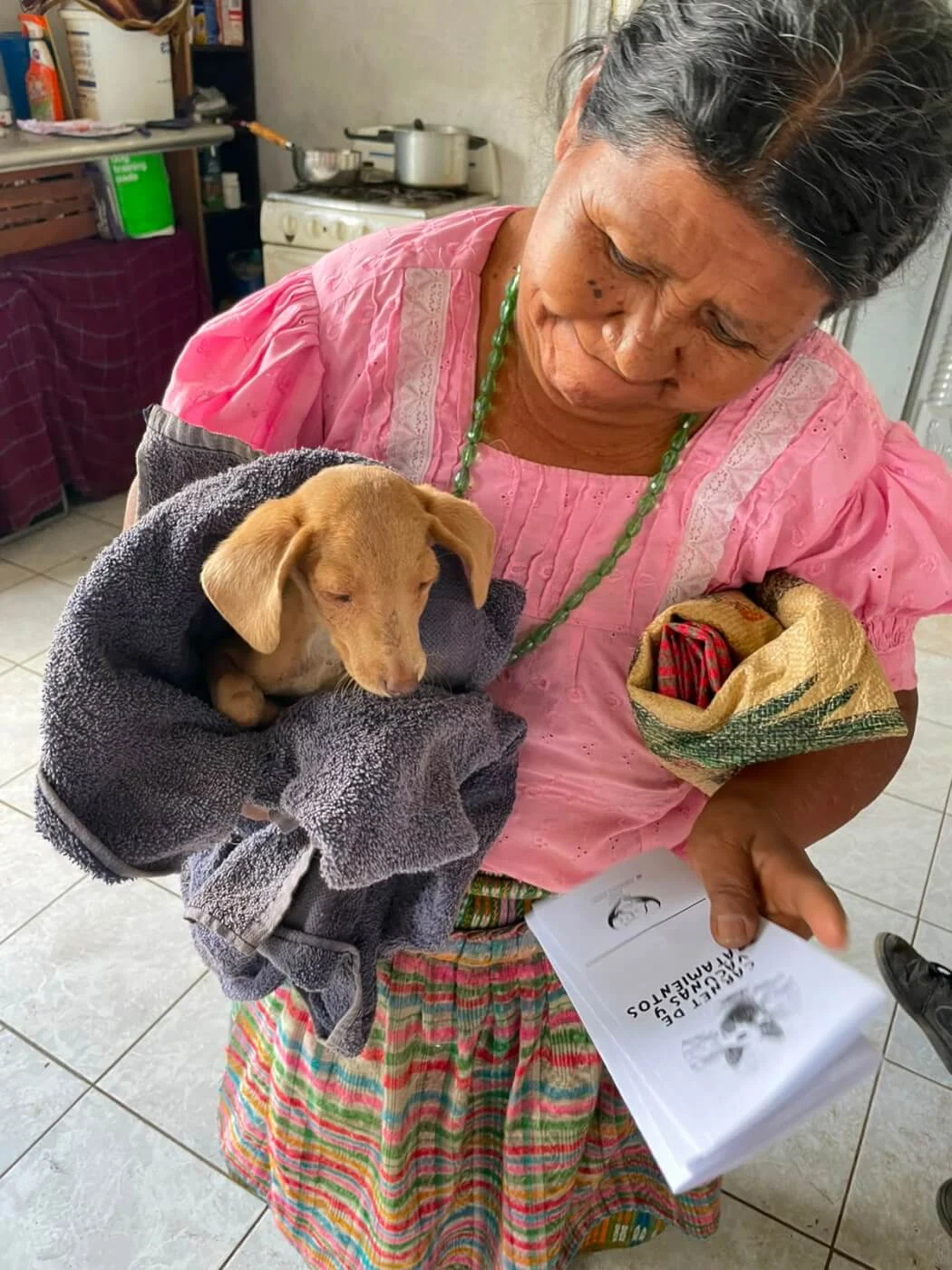
For countless stray dogs and cats navigating the rugged terrain and urban environments of Guatemala, daily survival is an ongoing battle against hunger, disease, and injury. In many regions of the country, overpopulation of stray animals has long presented a profound challenge to both public health and animal welfare. However, a transformative shift is currently underway, driven by strategic international partnerships and grassroots dedication. Through a vital collaboration between PETA’s Global Compassion Fund (GCF) and the local Guatemalan animal rescue organization Adoptame Atitlan, vulnerable companion animals and the communities that host them are receiving unprecedented access to essential veterinary care, medical treatment, and educational resources.
This initiative represents a critical turning point in a nation where resources for animal welfare have historically been scarce. By combining international philanthropic backing with local expertise, the partnership is addressing the root causes of animal homelessness and neglect. As the program expands its reach, it offers a replicable model for sustainable animal population management and community education across Central America.
The Scope of Animal Overpopulation in Guatemala
To understand the significance of the intervention led by PETA’s Global Compassion Fund and Adoptame Atitlan, one must examine the broader socioeconomic and cultural factors influencing animal welfare in Guatemala. Like many developing nations, Guatemala faces systemic challenges regarding veterinary infrastructure. Rural and semi-urban communities frequently lack access to affordable spay and neuter services, veterinary clinics, and pet medications.
Consequently, uncontrolled breeding cycles have led to surging populations of stray dogs and cats. These animals often suffer from severe malnutrition, untreated injuries, and preventable infectious diseases such as parvovirus, distemper, and feline leukemia. Beyond the welfare implications for the animals themselves, high concentrations of unsterilized strays can contribute to public health concerns, including the transmission of parasites and zoonotic diseases like rabies.
Furthermore, local families often harbor a deep affection for their companion animals but lack the financial means to provide basic veterinary care, vaccinations, or proper nutrition. Economic constraints force many guardians to choose between human necessities and veterinary expenditures, leaving pets vulnerable to common ailments such as flea and tick infestations, internal parasites, and infectious diseases. Recognizing these intersecting challenges, animal welfare advocates have long argued that sustainable solutions must simultaneously serve the animals and educate their human guardians.
Chronology of the Partnership and Recent Interventions
The collaborative effort between PETA’s Global Compassion Fund and Adoptame Atitlan is the result of months of careful planning, logistical coordination, and community outreach. While Adoptame Atitlan has maintained a steadfast local presence for years—focusing on rescue operations and adoption coordination—the infusion of support from PETA’s GCF marked a massive scaling of their operational capacity.
In the early phases of the initiative, organizers conducted comprehensive community assessments to identify the regions with the highest densities of stray and neglected animals. Following these evaluations, logistics were established to launch a series of intensive, free mobile veterinary clinics.
During these mobilization phases, veterinary teams deployed directly into communities, setting up temporary surgical suites and intake stations. Over a series of intensive operational days, veterinarians, veterinary technicians, and volunteers delivered comprehensive care packages to hundreds of animals. The interventions were not limited to surgical sterilization; they encompassed multi-faceted wellness checks that addressed immediate medical crises. Animals presenting with severe parasitic infections, wounds, or vaccine-preventable illnesses received targeted treatments, ensuring that every participating animal left the clinic in a significantly healthier condition.
Simultaneously, the teams distributed educational materials and conducted one-on-one consultations with pet guardians. These educational sessions emphasized the behavioral and medical benefits of sterilization, the importance of maintaining regular vaccination schedules, and best practices for humane animal husbandry. By engaging directly with community members, the organizers worked to dismantle persistent myths surrounding spaying and neutering while fostering a culture of responsible pet ownership.
The Role of PETA’s Global Compassion Fund
The overarching framework making these expansive field clinics possible is PETA’s Global Compassion Fund. Established to extend the reach of animal protection efforts across international borders, the GCF specifically targets regions where animals face acute suffering due to economic hardship, natural disasters, conflict, or institutional neglect.
The fund operates on the principle that the most effective way to combat companion animal homelessness is to prevent it at the source through high-volume, low-cost, or entirely free sterilization surgeries. Traditional rescue models, which rely solely on sheltering and adoption, often become overwhelmed by the sheer volume of animals entering the system. By proactively reducing the number of unplanned litters, programs supported by the GCF help alleviate the burden on local shelters, reduce the stray population over time, and prevent countless animals from enduring lives of hardship on the streets.
Beyond the work in Guatemala, the Global Compassion Fund has maintained an active presence in diverse and challenging global environments. From war-affected regions in Ukraine—where the fund has provided emergency food supplies, veterinary care, and evacuation assistance for displaced pets—to animal welfare initiatives in Mexico and beyond, the GCF serves as a vital financial and logistical lifeline for frontline animal advocates operating in high-need areas.
Statements and Perspectives from Animal Welfare Advocates
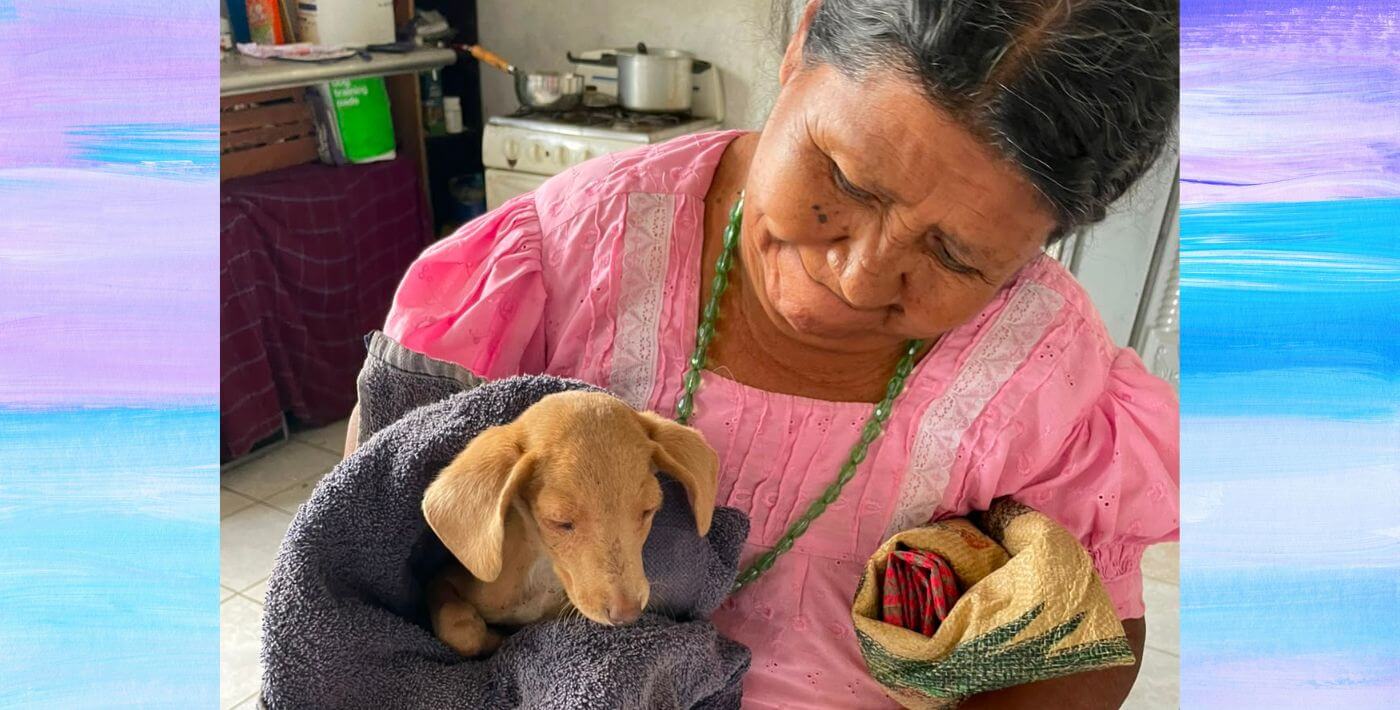
While formal press statements from individual stakeholders underscore the collaborative nature of the initiative, the overarching philosophy shared by both organizations centers on empowerment and proactive intervention. Representatives from Adoptame Atitlan have frequently highlighted the vital importance of community-centric approaches, noting that sustainable animal welfare cannot be imposed from the outside; it must be cultivated in partnership with local residents.
According to animal welfare coordinators involved in the Guatemala operations, the response from local pet guardians has been overwhelmingly positive. Many community members expressed profound gratitude for the accessibility of the veterinary services, noting that the prohibitive cost of private veterinary care had previously prevented them from sterilizing or vaccinating their animals. By removing these financial barriers, the partnership effectively bridged the gap between human need and animal welfare.
Furthermore, international animal advocates emphasize the multiplier effect of these targeted interventions. Every sterilization procedure performed during these field clinics prevents dozens, if not hundreds, of future descendants from enduring the hardships of life on the streets. Public health officials and community leaders have also acknowledged the auxiliary benefits of the program, recognizing that vaccinated and sterilized animal populations contribute to cleaner, safer, and more harmonious neighborhoods.
Data and Metrics: Measuring the Impact of Spay and Neuter Programs
To evaluate the long-term efficacy of interventions supported by PETA’s Global Compassion Fund, public health researchers and animal welfare organizations rely on established metrics regarding animal reproduction rates and disease prevalence.
According to veterinary epidemiological data, a single unsterilized female dog and her offspring can theoretically produce dozens of puppies over the course of several years, contributing exponentially to local stray populations if left unchecked. When scaled across dozens or hundreds of surgical procedures conducted during a single mobile clinic deployment, the mathematical impact on population control is immense.
In addition to population metrics, health evaluations conducted during the Guatemala initiative tracked the prevalence of common parasitic and infectious conditions. Pre-treatment assessments typically reveal high rates of ectoparasites (fleas, ticks, and mites) and endoparasites (worms) among stray and community-owned animals in under-resourced regions. The systematic administration of antiparasitic medications, combined with core vaccinations against rabies and viral pathogens, leads to an immediate and measurable improvement in the physiological condition of the treated animals.
Moreover, post-operative tracking allows veterinary teams to monitor surgical recovery rates and ensure minimal complication rates, reinforcing high standards of medical care within field environments. These data points not only validate the immediate success of the missions but also provide a strong evidentiary base for securing future philanthropic support and governmental cooperation.
Broader Implications and Future Outlook
The success of the joint initiative between Adoptame Atitlan and PETA’s Global Compassion Fund carries significant implications for the future of animal welfare in Guatemala and the wider Central American region. It demonstrates that with adequate financial resources, strategic planning, and deep community engagement, it is possible to implement large-scale veterinary interventions even in logistically challenging environments.
As the program looks toward the future, organizers are exploring avenues for expansion. Key objectives include increasing the frequency of mobile clinic deployments, establishing permanent or semi-permanent surgical hubs in underserved rural districts, and deepening educational partnerships with local schools and community organizations. By embedding animal welfare education into the social fabric of the community, advocates hope to inspire the next generation of compassionate pet guardians and community leaders.
However, the continued success of these vital programs remains heavily dependent on sustained public awareness and financial contributions. The expansion of the Global Compassion Fund relies entirely on the generosity of donors worldwide who recognize that animal suffering knows no borders. Every contribution directly translates into essential medical supplies, surgical equipment, pharmaceuticals, and operational support necessary to reach communities that would otherwise go without assistance.
Joining the Global Movement of Compassion
The transformation currently taking place in Guatemala is part of a larger, interconnected global movement dedicated to alleviating animal suffering and promoting humane coexistence between humans and animals. From the streets of Central America to conflict zones in Eastern Europe and beyond, organizations like PETA and their grassroots partners prove that coordinated action can achieve remarkable results.
For individuals seeking to make a tangible difference in the lives of vulnerable animals, supporting initiatives like the Global Compassion Fund offers a direct pathway to impactful change. Whether through financial donations, spreading awareness, or supporting local rescue organizations, every action contributes to a larger architecture of care.
As the veterinary teams from Adoptame Atitlan and PETA continue their vital work across Guatemala, each successfully treated animal stands as a testament to what can be achieved through empathy, dedication, and international solidarity. The journey toward a world where every companion animal is cherished, protected, and provided with adequate care is long, but partnerships like this one illuminate the path forward, offering renewed hope to animals and communities alike.

