


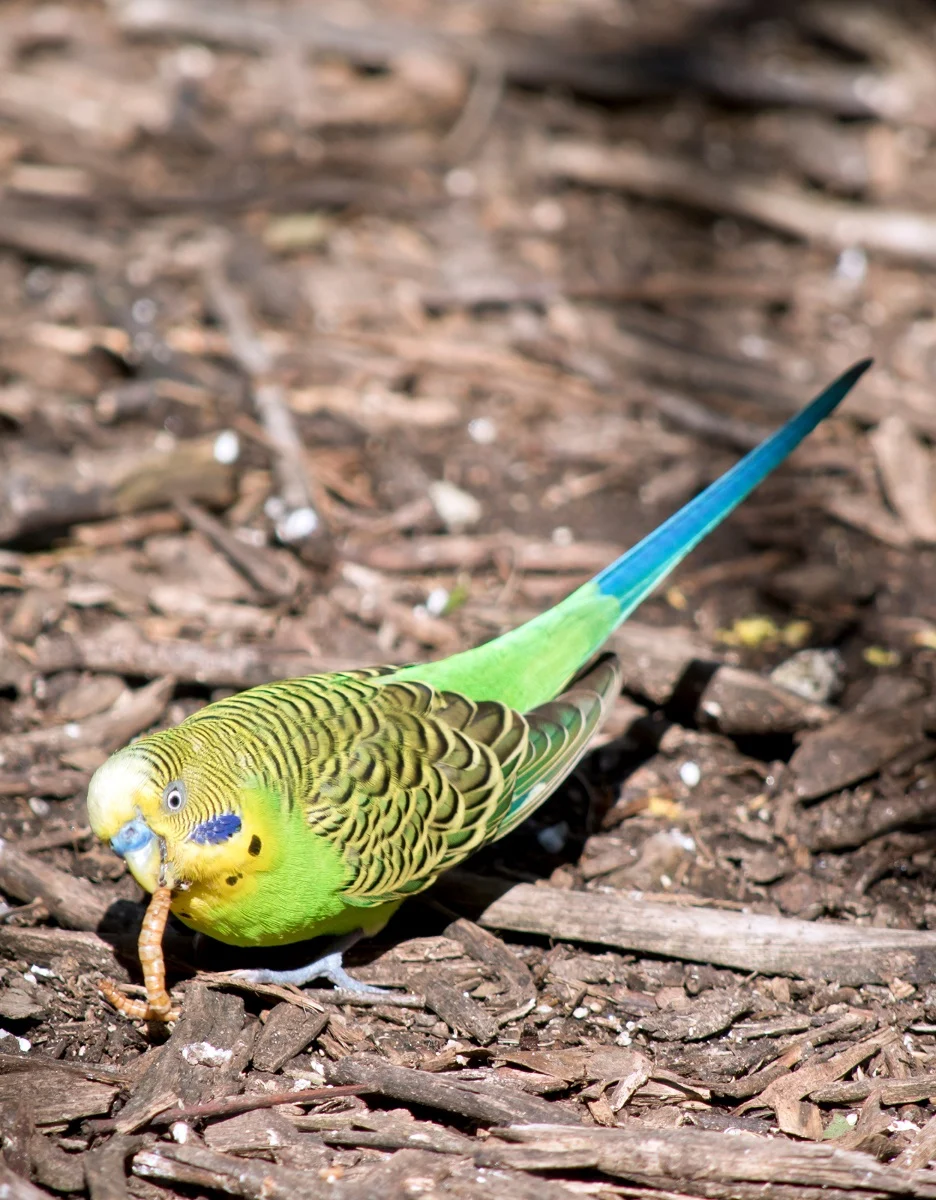
Providing a balanced, species-appropriate diet is paramount for the health and longevity of companion budgerigars. While commercial seed mixes and fortified pellets form the cornerstone of captive parakeet nutrition, avian veterinarians and behaviorists increasingly emphasize the importance of dietary enrichment. Introducing safe, single-ingredient human foods and household staples not only prevents nutritional deficiencies but also provides crucial mental and physical stimulation. However, navigating the culinary landscape can be challenging for bird owners, as many common pantry items present severe health hazards to these small psittacines.
Avian Anatomy and Nutritional Requirements in Captivity
To understand why certain foods are beneficial while others are strictly forbidden, one must examine the physiological profile of the budgerigar (Melopsittacus undulatus). Native to the arid grasslands and open country of Australia, wild budgies are nomadic foragers. Their natural diet primarily consists of grass seeds, occasional vegetation, and, opportunistically, insects. Their high metabolic rate requires a constant source of energy, yet their diminutive physical size—typically weighing between 30 and 40 grams—makes them extraordinarily sensitive to dietary imbalances, excess sodium, refined sugars, and toxic compounds.
In captivity, relying exclusively on an all-seed diet frequently leads to severe health complications, including hepatic lipidosis (fatty liver disease), obesity, and vitamin deficiencies. Conversely, introducing a varied diet incorporating safe grains, fresh produce, and select human foods supports optimal physiological function. Avian experts advocate for a foundation of high-quality pellets supplemented with fresh vegetables, limited fruits, and wholesome grains, reserving high-fat items exclusively for behavioral training or foraging enrichment.
Chronology and Evolution of Avian Nutrition Research
The understanding of psittacine nutrition has evolved dramatically over the past several decades. Historically, pet budgies were maintained almost entirely on commercial millet sprays and generic seed blends, leading to shortened lifespans and prevalent nutritional illnesses.
During the 1980s and 1990s, advances in avian veterinary medicine—pioneered by specialists and compiled in seminal texts such as "Clinical Avian Medicine"—shed light on the specific micronutrient requirements of parrots. Veterinary researchers identified that small psittacines require precise ratios of calcium, amino acids, and vitamins A and D3. This realization spurred the development of formulated pelleted diets and prompted a broader educational push regarding the dangers of toxic household foods, such as avocado and chocolate, which were previously poorly understood by the general public.
In recent years, the focus has expanded from mere survival to holistic wellness and psychological enrichment. Modern avian care guidelines heavily stress foraging behavior, recognizing that captive birds benefit significantly from interacting with their food. Consequently, offering whole grains, sprouted seeds, and textured foodstuffs mimics the natural challenge of acquiring sustenance in the wild.
Safe Household Foods: 19 Pantry Staples Suitable for Budgies
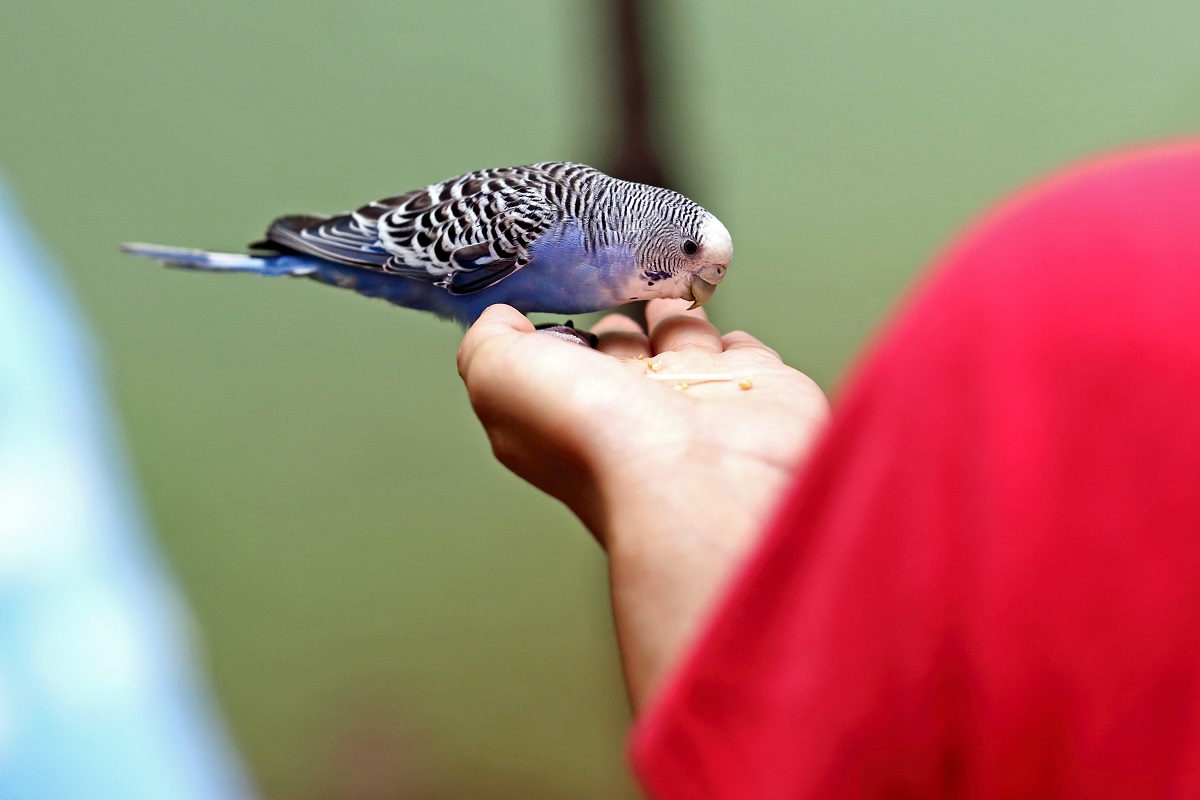
When pet owners find themselves temporarily out of commercial avian feed or seeking to diversify their bird’s diet, numerous household staples can be safely utilized. The guiding principle for any shared food is simplicity: natural, single-ingredient items free from artificial additives, excessive salt, and refined sugars are ideal.
-
Bread: Whole-wheat bread may be offered in moderation. Unlike highly processed white or brioche breads loaded with sugar and fats, whole-grain options provide complex carbohydrates. Owners should avoid heavily salted or sweetened varieties, though baked goods topped with natural sesame or poppy seeds offer acceptable nibbles.
-
Sunflower Seeds: A favorite of parakeets, sunflower seeds are high in fat and should be strictly limited. Salted varieties meant for human consumption must be avoided. Due to their high caloric density, they serve best as occasional training treats rather than daily staples.
-
Peanut Butter: Natural peanut butter—containing strictly peanuts and minimal salt, devoid of hydrogenated oils and high-fructose corn syrup—is safe in minute quantities. A tiny dab smeared onto a new toy or perch serves as an effective enticement to help timid birds overcome fear of novel objects.
-
Boiled Eggs: Eggs provide a rich source of bioavailable protein and essential amino acids. Avian care specialists frequently recommend boiled or plain scrambled eggs (cooked entirely without oil, butter, or salt) for breeding hens whose bodies deplete significant nutrient reserves during egg production.
-
Chia Seeds: Although not native to Australia, chia seeds are exceptionally nutritious, offering healthy Omega-3 fatty acids and minerals. They can be sprinkled dry over regular food or soaked, though most owners find a light dry sprinkle of a quarter teaspoon sufficient.
-
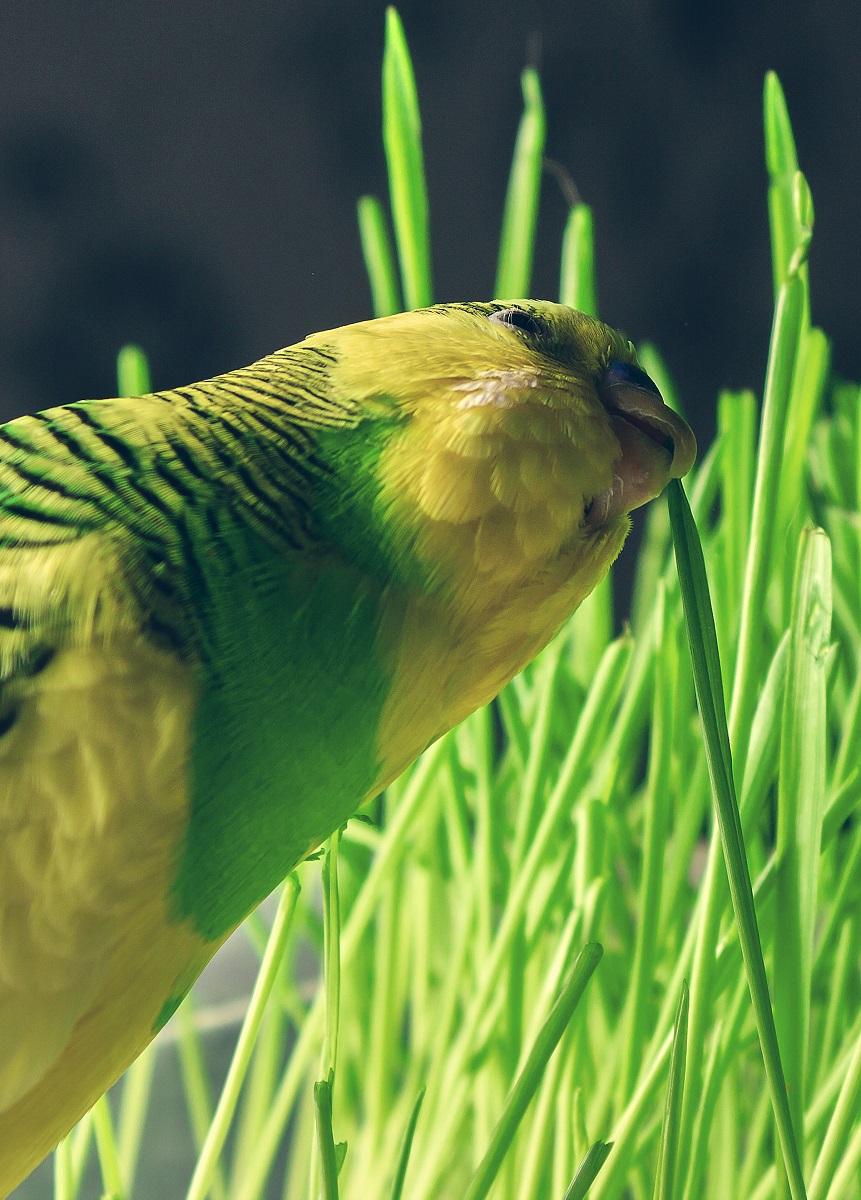
Wheatgrass: Both wheatgrass seeds and sprouted wheatgrass are stellar additions to a parakeet’s routine. Sprouting provides dense nutrients and offers unmatched environmental enrichment. To prevent bacterial or mold contamination from potting soil, wheatgrass should ideally be sprouted through clean mesh screens.
-
Cashews: Unsalted cashews are entirely safe when crushed into microscopic portions. Because nuts are exceptionally fatty, a quarter of a single cashew is more than sufficient for a budgie snack.
-
Cheerios: Unlike sugary breakfast cereals, original Cheerios feature a relatively basic formulation of whole-grain oats and corn starch. Offering half a loop occasionally satisfies a bird’s desire to share human mealtime without introducing dangerous sugar loads.
-
Pumpkin Seeds: Providing similar nutritional profiles to sunflower seeds, pumpkin seeds are larger and may require the owner to crack the shell for smaller birds. They should be served unsalted and in strict moderation.
-
Almonds: Raw, unsalted almonds provide healthy fats and minerals. As with cashews, a quarter of a chopped almond satisfies nutritional variety without promoting obesity. Sprouting raw almonds further enhances their nutritional availability.
-
Chicken: Plain, thoroughly cooked chicken breast or thigh, completely free of oils, spices, and sodium, can be offered occasionally. While budgies are primarily granivores, small amounts of lean animal protein can benefit molting or breeding birds.
-
Dried Fruit: Naturally dehydrated fruit without added sulfur dioxide, refined sugar, or preservatives can be shared sparingly. Because the dehydration process concentrates natural fruit sugars, portions must remain minimal.
-
Hemp Seeds: Commonly found in high-end bird seed formulations, hemp seeds are completely devoid of psychoactive compounds and supply valuable essential fatty acids.
-
Pasta: Plain, unsalted boiled pasta (preferably whole-wheat) or even dried pasta shapes can be incorporated into the diet or utilized to construct homemade foraging toys.
-
Pine Nuts: Like other nuts, pine nuts are safe in micro-quantities and must be entirely free of added salt and flavorings.
-
Peanuts: While historical concerns regarding improperly stored peanuts linked them to aspergillosis (a fungal respiratory disease caused by mold spores), high-grade, human-grade, unsalted peanuts are safe when tightly monitored and served in small amounts.
-
Popcorn: Air-popped, plain corn without butter, salt, or chemical flavorings is readily accepted by budgies, who often enjoy the varied texture.
-
Quinoa: Cooked or raw quinoa belongs to the Amaranth family, aligning closely with the natural seed diets of small psittacines while supplying a complete amino acid profile.
-
Rolled Oats: Plain rolled or steel-cut oats provide digestible complex carbohydrates. They can be served dry or lightly moistened, though sticky oatmeal should be monitored to prevent dangerous accumulation on the beak.
Wild Foraging and Protein Supplements
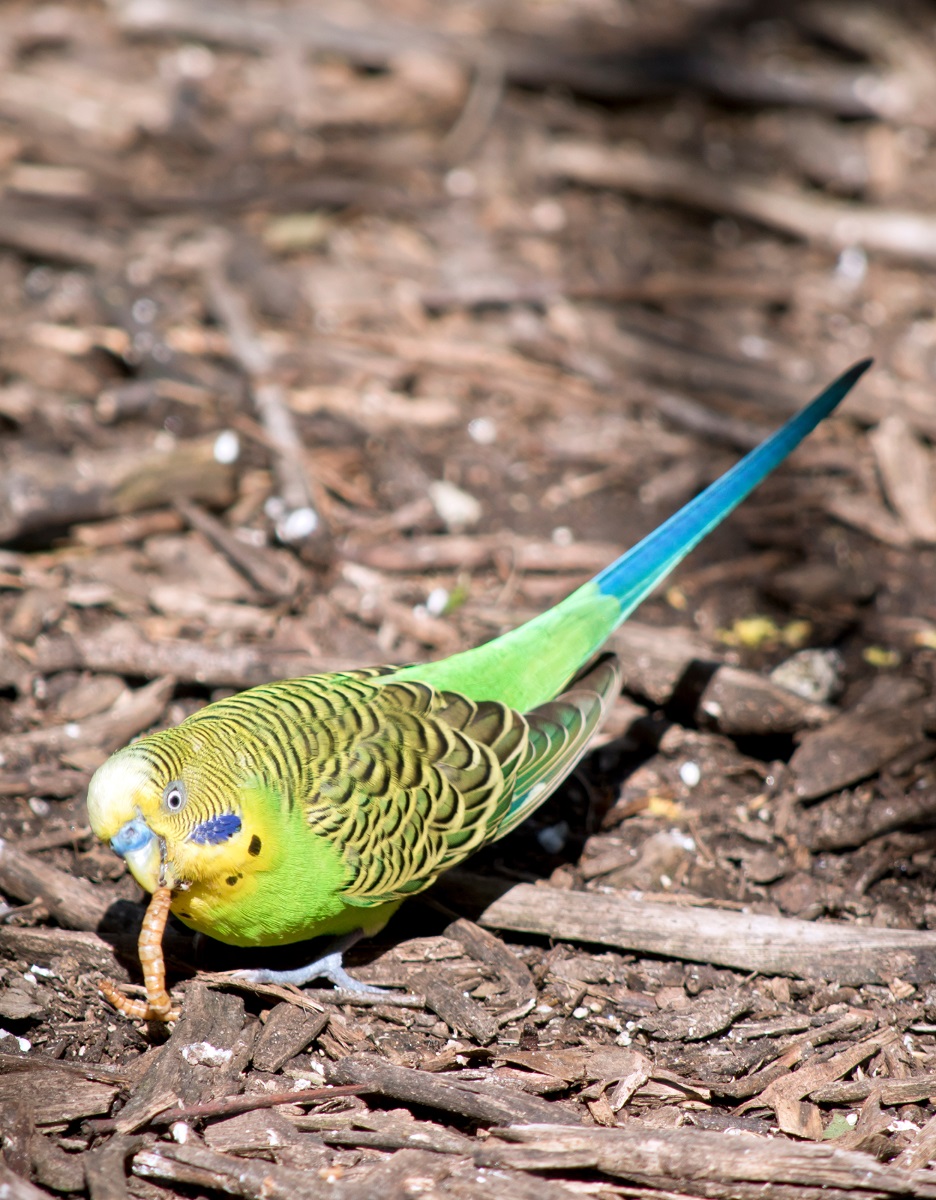
Beyond pantry staples, specialized supplementation can mirror natural behaviors. Field research confirms that wild budgerigars occasionally ingest small insects to supplement their protein intake during breeding seasons. Consequently, captive parakeets can safely consume the occasional clean, commercially sourced mealworm as a biological enrichment treat.
Explicitly Toxic and Unsafe Foods for Budgies
While the list of safe human foods is expansive, pet owners must maintain strict vigilance regarding toxic items. Certain substances contain chemical compounds that cannot be metabolized by avian physiology, resulting in rapid organ failure and death.
-
Avocado: Avocado is explicitly and highly toxic to budgies. The fruit, pit, and leaves contain persin, a fungicidal toxin. Due to their minute body mass, parakeets are exceptionally sensitive to persin, and ingestion of even trace amounts can prove fatal.
-
Chocolate: Containing both theobromine and caffeine, chocolate acts as a potent cardiac stimulant and toxin in birds. Ingestion leads to severe central nervous system dysfunction, seizures, and death.
-
Honey and Liquid Sweeteners: Raw honey and unpasteurized corn syrup carry a theoretical risk of containing dormant botulism spores. Furthermore, concentrated sugars disrupt avian digestive flora.
-
Alcohol, Coffee, and Caffeinated Teas: Any beverage containing ethanol or caffeine causes immediate, catastrophic cardiovascular and neurological collapse in small animals.
-
Onions and Garlic: These alliums contain sulfur compounds that damage avian red blood cells, inducing Heinz body anemia.
-
Apple Seeds and Fruit Pits: While apple flesh is safe in moderation, apple seeds, peach pits, and cherry stones contain cyanogenic glycosides, which release hydrogen cyanide when digested.
-
Xylitol: This artificial sweetener, commonly found in sugar-free gums and baked goods, induces rapid insulin release and severe hepatic necrosis in animals.
-
Dairy Products: Parrots are entirely lactose intolerant. While small amounts of hard, aged cheese contain negligible lactose, items like milk, butter, and ice cream cause acute gastrointestinal distress.
-
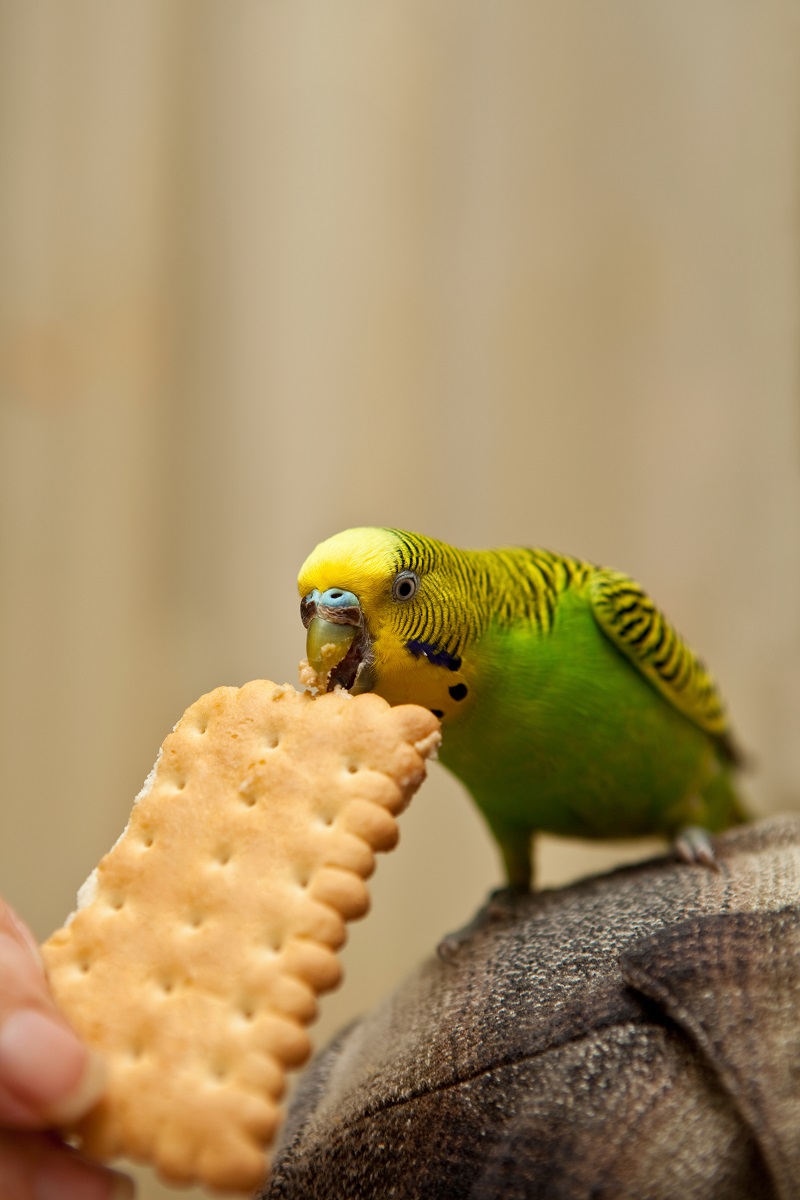
Processed Snack Foods: Chips, crackers, cookies, and processed biscuits are universally detrimental. Laden with high sodium, trans fats, refined sugars, and artificial preservatives, these items accelerate cardiovascular disease and liver dysfunction in captive birds.
Official Responses and Veterinary Guidance
Avian veterinary associations consistently underscore that preventative nutrition is the single most effective tool in extending the lifespan of companion parakeets. According to guidelines published by leading avian medical texts, an estimated majority of captive bird illnesses stem directly from nutritional mismanagement.
Veterinarians urge owners to consult certified avian specialists rather than relying on anecdotal internet advice when introducing novel foods. In the event of accidental ingestion of a toxic substance—such as chocolate, avocado, or caffeinated beverages—immediate veterinary intervention is required. Emergency decontamination protocols and supportive fluid therapy can mean the difference between recovery and fatal toxicity.
Implications for Avian Welfare and Husbandry
The modern shift toward enriched, diverse feeding practices represents a major advancement in animal welfare. By moving away from monotonous, all-seed regimens and embracing safe household staples, vegetables, and grains, owners actively combat captive boredom and obesity.
Proper nutritional management requires discipline on the part of the owner. While sharing human food fosters social bonding between the bird and its human caregiver, strict adherence to safety protocols ensures that this bonding remains beneficial rather than hazardous. As awareness of avian biology continues to expand, maintaining a rigorous, informed approach to parakeet nutrition remains essential for fostering healthy, vibrant, and long-lived avian companions.

