


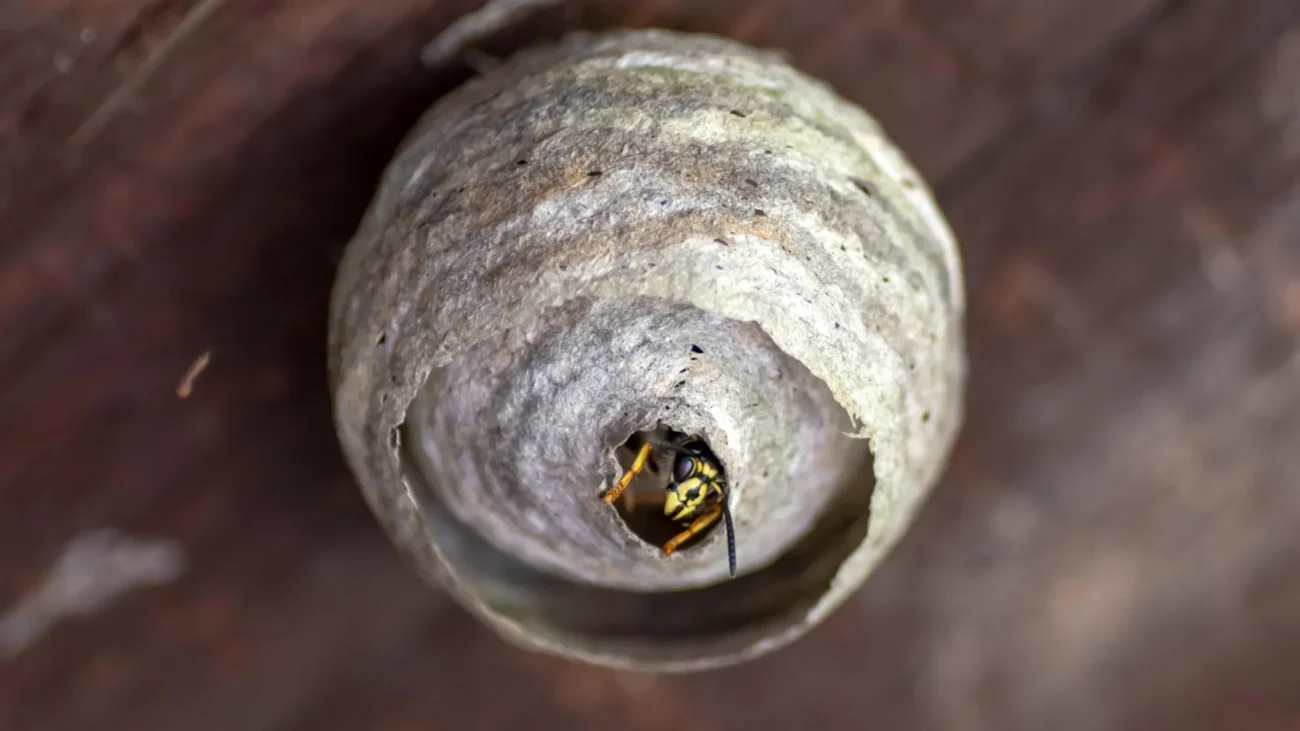
The ubiquitous presence of social wasps has long been woven into the fabric of the summer season, often perceived as persistent picnic visitors or uninvited structural guests. Alongside outdoor festivals, sunscreen applications, and seasonal leisure, common social wasps represent an immutable component of regional biodiversity. Yet, the summer of 2026 has defied historical ecological norms, marked by a conspicuous and unprecedented scarcity of these insects across various habitats.
An Uncharacteristic Absence in the Field and the Media
Entomologists, researchers, and professional pest-control operators have noted a sharp decline in wasp sightings and nest removal requests compared to previous years. During comparable periods of warm springs and hot summers in prior years, media outlets routinely reported on surging populations, often characterized colloquially as "plagues of wasps." In contrast, the current season has generated virtually no such headlines.
For academic researchers studying insect behavior and ecology, this deficit has created operational hurdles. Field experiments reliant on live specimens have faced severe constraints due to the difficulty of sourcing subjects locally. While comprehensive national monitoring initiatives—such as the Big Wasp Survey—traditionally aggregate empirical data later in the season, early qualitative indicators point toward a suppressed population baseline.
If forthcoming monitoring data substantiate these observations, the ecological implications extend far beyond human convenience. Despite negative public perceptions, social wasps fulfill critical ecological functions, acting simultaneously as apex invertebrate predators, effective pollinators, and efficient organic decomposers.
Chronology of an Anomalous Spring and Summer
The divergence from typical population trajectories began early in the year, driven by volatile meteorological conditions.
- Early Spring (March–April): The season commenced with favorable conditions. Unseasonably warm and dry weather encouraged a high volume of overwintering foundresses—new queens—to emerge from hibernation. These queens successfully established solitary nests, undertaking the rigorous dual responsibilities of construction, foraging, and early brood rearing.
- Late Spring (May): Meteorological patterns shifted abruptly. While sustained warmth typically enhances nectar availability and prey populations, the 2026 spring introduced unprecedented temperature spikes interspersed with uncharacteristic cold, damp days and sharply dropping nocturnal temperatures.
- Early Summer (June–July): Successive heatwaves gripped the region. Ground-level temperatures frequently exceeded historical thresholds, placing severe thermal stress on emerging colonies and interrupting normal foraging patterns.
Thermal Tolerances and Physiological Stress
Insects possess defined physiological limits known as critical thermal maximums (CTmax). When ambient or surface temperatures exceed these thresholds, physiological distress manifests through desiccation, uncoordinated muscle spasms, and eventual torpor.
While honeybees and certain bumblebee species exhibit vulnerabilities to extreme heat—manifested through impaired cognition and reduced foraging efficiency at sustained temperatures above 32°C—social wasps have historically demonstrated robust resilience. As globally successful invasive species, wasps utilize advanced thermoregulation behaviors, including wing-fanning to cool larvae, and sophisticated nest architecture featuring insulating envelopes. Furthermore, their cuticular hydrocarbons—waxy surface molecules protecting the exoskeleton—can structurally adapt to mitigate water loss under thermal stress.
However, research indicates that the CTmax for many social wasp species hovers near 45°C (113°F). During the severe heatwaves of 2026, ground-surface temperatures frequently surpassed 50°C in affected regions, pushing these physiological defenses past their sustainable limits. Consequently, it is hypothesized that extreme thermal exposure forced early nest abandonments and increased mortality rates among foundational queens and worker broods.

The Phenomenon of Diminished Adult Size
A secondary anomaly observed by researchers during the current season is the uncharacteristically small stature of the active adult wasps.
In insect biology, the ultimate physical size of an adult is determined irrevocably during its larval development stage, dictated strictly by the nutritional quantity and quality provided by the colony. Typically, initial spring workers are diminutive because the solitary queen faces severe foraging limitations. By August, however, exponential increases in colony workforce capacity typically result in well-fed, substantially larger workers.
The persistence of "spring-sized" wasps deep into the summer suggests two primary drivers operating independently or in tandem:
- Nutritional Restrictions: Reduced biodiversity and localized crashes in prey insect populations constrained the protein intake available for developing larvae.
- Accelerated Development: Elevated ambient temperatures compel insect larvae to develop at accelerated rates, causing them to undergo pupation prematurely at a reduced physical size.
This observation aligns with broader longitudinal studies indicating a century-long trend of gradual body size reduction among social wasp populations, a phenomenon increasingly attributed to sustained global temperature increases.
Broader Ecological Implications
The reduction in both population density and physical size carries significant cascading effects for local ecosystems. As generalist predators, social wasps regulate populations of agricultural pests, including aphids, caterpillars, and flies. A diminished wasp presence can lead to unchecked agricultural pest proliferation, increasing reliance on chemical interventions. Furthermore, as secondary pollinators visiting flowering plants to secure carbohydrates, their decline threatens plant reproductive cycles that rely on diverse insect vectors.
Ongoing Monitoring and Public Participation Initiatives
To quantify the scale of the 2026 population shift, academic institutions and ecological organizations are calling for increased public engagement through citizen science initiatives. Researchers emphasize that modifying human responses to foraging wasps during late summer can mitigate unnecessary mortality while providing vital observational data.
Rather than deploying defensive measures or preemptively destroying localized feeding visits, researchers encourage structured observation. Wasps approaching human food sources are frequently driven by nutritional deficits—seeking protein sources such as meat to feed developing brood, or simple carbohydrates like sugar for their own sustenance.
By documenting these interactions and submitting photographic evidence to monitoring platforms such as the Wasp Picnic Survey, the public can directly assist entomologists in mapping the survival strategies and geographic distribution of social wasps through an exceptional meteorological year.

