


The domestication of the brown rat (Rattus norvegicus) into the fancy rat has transformed the species from a misunderstood pest into a sophisticated companion animal. As the popularity of these intelligent, social rodents has surged in the 21st century, so too has the need for standardized, science-based care. Despite increased access to veterinary resources, many owners continue to struggle with outdated husbandry practices that jeopardize the health and longevity of their pets. Understanding the nuanced requirements of these animals is not merely a matter of convenience; it is a fundamental component of preventing chronic illness and ensuring the welfare of a species known for its complex emotional and social needs.
A Historical Perspective on Rat Husbandry
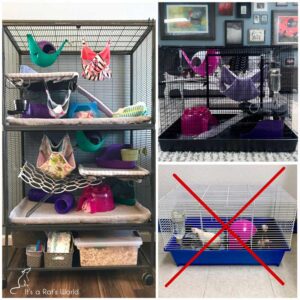
The evolution of rat ownership has been marked by a significant shift in public perception. In the 1990s, information regarding the specific needs of rats was largely anecdotal, frequently disseminated through informal networks or pet stores that prioritized sales over species-specific biology. Common practices of that era—such as housing rats in small, poorly ventilated aquariums and utilizing aromatic cedar or pine wood shavings—are now understood to be detrimental to respiratory health. Phenols found in these softwoods have been clinically linked to respiratory distress, a condition to which rats are particularly susceptible due to their high sensitivity to ammonia and airborne irritants. Modern standards have moved toward multi-level wire cages that promote physical activity and proper air circulation, a direct response to decades of observational data regarding the negative health outcomes of confinement.

The Critical Need for Reliable Information
In the digital age, the proliferation of "rat influencers" and unverified social media content has created a dichotomy in pet care standards. While information is more accessible than ever, the quality of that information remains inconsistent. Experts emphasize that owners must distinguish between experience-based wisdom and scientifically backed protocols.
The Rat Guide, an industry-standard resource for medical and husbandry information, remains a cornerstone for responsible ownership. Professional veterinary organizations often note that reliance on artificial intelligence (AI) for medical triage is a burgeoning risk. Because AI models aggregate data from both peer-reviewed journals and low-quality forums, they often lack the clinical nuance required to diagnose or manage conditions like Mycoplasma pulmonis, a common, chronic respiratory infection in rats. Owners are advised to rely on exotic-animal-specialist veterinarians rather than crowdsourced advice or non-peer-reviewed digital search results.
Physiological and Environmental Requirements
Proper habitat design is a cornerstone of responsible rat ownership. Beyond the basic necessity of cage size, which can be verified using standardized volume calculators, the internal environment requires significant modification. Wire flooring, once common, has been almost universally condemned by veterinarians due to its direct correlation with pododermatitis, commonly known as "bumblefoot."

Furthermore, the choice of substrate and enrichment materials is a matter of ongoing research. While fleece is often cited for its comfort, it requires rigorous cleaning schedules to prevent the buildup of ammonia, which is a byproduct of urea degradation. For litter boxes, crushed walnut shells—when properly sanitized through freezing to eliminate potential parasitic vectors—are often recommended. This level of environmental management underscores the reality that rat care is a multifaceted commitment requiring both time and financial investment.
Nutritional Standards and Metabolic Health
The dietary needs of rats are frequently misunderstood, leading to widespread issues with obesity and metabolic dysfunction. Commercial rat mixes vary wildly in quality; some contain excessive fillers or seeds that encourage selective feeding, where rats consume only the most calorie-dense portions of a mix, leading to nutritional imbalances.
A standard, balanced diet should consist primarily of high-quality lab blocks supplemented with controlled portions of fresh vegetables. The habit of offering human "treats"—such as processed sugars or fats—is increasingly recognized as a major contributor to the prevalence of mammary tumors and cardiovascular stress in aging rats. Nutritional specialists recommend a portion-controlled approach, as even healthy vegetables can contribute to weight gain if not monitored. The caloric needs of a rat change drastically as they transition from juvenile to senior status, a factor that many owners fail to account for until health complications arise.
Physical Safety and Handling Protocols
Anatomical misconceptions often lead to avoidable injuries. The tail of a rat is not merely a balance mechanism; it is a complex extension of the spine, essential for thermoregulation and proprioception. Historical myths suggesting that a rat can be safely lifted by its tail have been debunked by anatomical studies. Grabbing a rat by the tail poses a significant risk of degloving or spinal injury. Proper handling techniques involve supporting the entire body weight of the animal, a practice that not only prevents physical trauma but also fosters the trust necessary for successful socialization.
Financial Preparedness and Veterinary Accessibility
The financial burden of owning exotic pets is a reality that often surprises first-time owners. According to recent data, the cost of veterinary care for small animals has risen by approximately 60% over the last decade. Because rats are prone to specific age-related conditions—most notably respiratory infections and benign mammary tumors—the likelihood of requiring specialized surgical or pharmaceutical intervention is high.
Responsible ownership necessitates the identification of a veterinarian who specializes in small mammals before the pet is acquired. Relying on an emergency clinic that lacks the equipment or expertise to treat rats can result in poor outcomes. A proactive approach, including setting aside a dedicated emergency fund, is recommended by animal welfare organizations to ensure that owners are not forced to decline necessary life-saving treatments due to sudden financial constraints.

The Transition to Senior Care
As rats typically live for two to three years, the transition into their senior phase occurs rapidly. This period requires a fundamental shift in husbandry. As mobility decreases, the cage layout must be modified to minimize the risk of falls and ensure easy access to food and water.
Symptoms of aging, such as hind-limb weakness or changes in appetite, are often the first indicators that the animal requires supportive care, such as the use of pain management medication or environmental adjustments. Ignoring these changes can lead to unnecessary suffering. The integration of "assisted living" practices for senior rats—such as placing food bowls on the floor level and providing softer bedding—is essential for maintaining their quality of life in their final months.
Socio-Behavioral Implications
Rats are obligate social animals. The historical practice of keeping "singletons" is now widely viewed as unethical, as it denies the animal the ability to engage in species-specific social grooming and interaction. A "mischief" (the term for a group of rats) provides the necessary stimulation to prevent behavioral issues such as depression, lethargy, or repetitive stereotypic behaviors.

Furthermore, the commitment to social interaction extends to the human-animal bond. Consistency in daily routines—feeding times, play sessions, and handling—allows the rat to develop a sense of predictability and security. Studies on animal cognition suggest that rats possess a high degree of emotional intelligence and are capable of forming deep, long-lasting attachments to their owners. This bond is the ultimate reward for the dedication and precision required to maintain a healthy, thriving environment.
In conclusion, the standard of care for pet rats has evolved from basic survival to a specialized model of husbandry that prioritizes preventative health, environmental enrichment, and long-term commitment. As the pet industry continues to expand, owners must remain vigilant, prioritizing evidence-based practices over convenience to ensure that these highly intelligent animals live full, healthy lives.

