


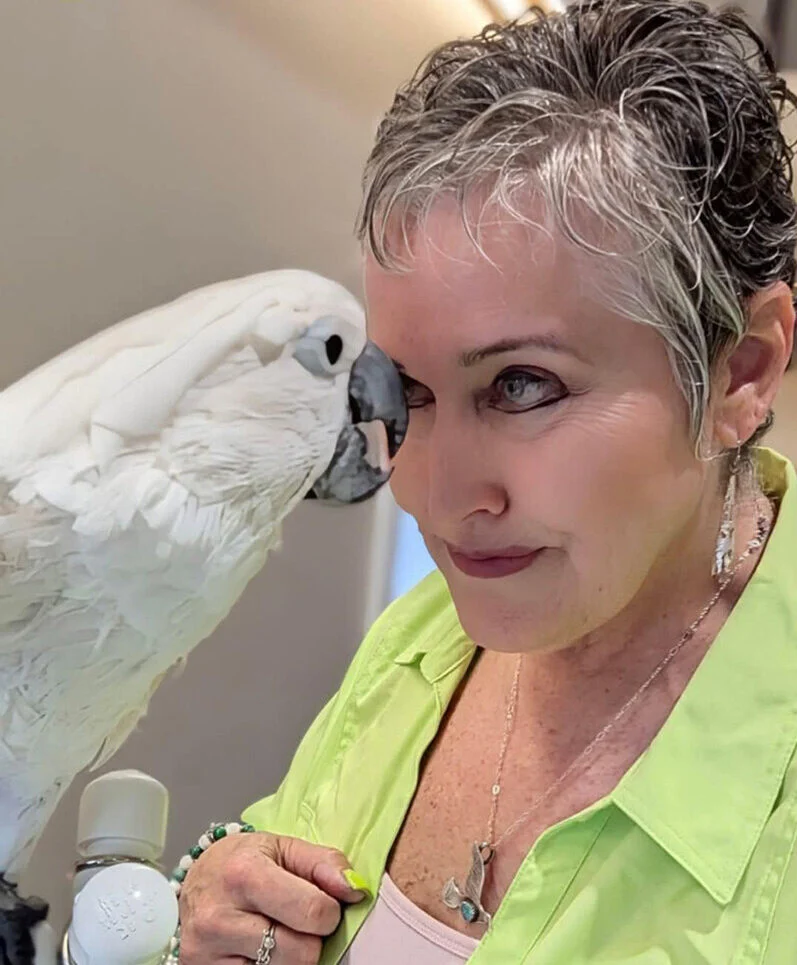
The narrative of human-animal connection has reached a significant milestone with the recognition of Boo, a 41-year-old umbrella cockatoo, as the Pet Partners Pet of the Year. This achievement marks a historic first for the organization, as Boo is the first avian recipient of this prestigious honor. His journey, characterized by a decade of blindness, a groundbreaking surgical intervention, and a subsequent transition into a dedicated therapy animal, serves as a testament to the resilience of animals and their profound impact on human emotional well-being.
The Role of Therapy Animals in Modern Healthcare
The integration of therapy animals into clinical and community settings has become an increasingly recognized practice in therapeutic intervention. While human-animal interaction has existed for centuries, the formalization of these programs has accelerated over the past several decades. Research indicates that approximately 18% of pet owners rely on their animals to assist with emotional or life challenges, a statistic that underscores the reliance society places on animal companionship to mitigate stress, anxiety, and social isolation.
Organizations such as Pet Partners, headquartered in Bellevue, Washington, play a critical role in standardizing these interactions. By vetting and registering animal-handler teams, the nonprofit ensures that the support provided is both safe and effective. These teams operate across diverse environments, including hospital wards, rehabilitation centers, and educational facilities. The therapeutic benefit of such interactions is supported by a growing body of evidence, which suggests that the presence of an animal can lower cortisol levels, stabilize heart rates, and provide a non-judgmental form of social support for individuals facing significant cognitive or physical hurdles.
A Chronology of Recovery: The Transformation of Boo
Boo’s life story is defined by a distinct transition from a traumatic beginning to a life of service. Originally rescued from an environment of severe abuse and neglect, the bird suffered from chronic health issues, the most significant of which was the loss of his eyesight. For ten years, Boo lived in a world of darkness, relying entirely on the guidance and care of his owner, Amy Hurst.
The pivotal moment in Boo’s life occurred when he was selected for a complex and pioneering surgical procedure aimed at restoring his vision. The success of this surgery did not merely provide Boo with the ability to see; it served as the catalyst for his second act. Following a period of recovery, it became evident that Boo’s temperament and newfound sensory awareness made him an ideal candidate for therapy work.
The transition from a rescued pet to a registered therapy animal was not instantaneous. It required consistent training and a deep, intuitive bond between the cockatoo and Hurst. By the time Boo entered the Pet Partners program, he had already overcome the psychological and physical scars of his past, effectively turning his history of struggle into a foundation for empathy.
The Impact of Avian Therapy
Boo’s current work is multifaceted, reflecting the versatility of his training. As a registered Pet Partners animal, he engages with individuals on the autism spectrum, providing a calming presence that facilitates communication and social interaction. Furthermore, he participates in stroke recovery programs and hand therapy sessions, where his gentle nature encourages patients to engage in fine motor exercises that might otherwise feel tedious or discouraging.
The implications of using a bird for such therapy are notable. Unlike canine or equine therapy, which are more conventional, avian therapy requires a high degree of focus and specific handler expertise. The presence of an umbrella cockatoo, with its intelligence and social complexity, provides a unique sensory experience for patients. His participation in youth groups has also been lauded for its ability to teach children about empathy, the history of animal rescue, and the importance of perseverance.

Pet Partners Pet of the Year: A Milestone for Avian Advocacy
The selection of Boo as the 2026 Pet Partners Pet of the Year serves as a cultural marker for the acceptance of birds as legitimate therapeutic partners. The selection process is rigorous, evaluating candidates on their temperament, the nature of their service, and their ability to connect with diverse populations.
Beyond the individual recognition of the bird, the campaign surrounding the award achieved remarkable fiscal success. For the 2026 calendar year, the Pet of the Year initiative raised $158,275. These funds are designated to support the infrastructure of Pet Partners, allowing for the expansion of their registry, the training of new volunteer teams, and the continued advocacy for the human-animal bond. This fundraising effort highlights the growing public investment in animal-assisted interventions.
Analysis of Human-Animal Synergy
The success of the Boo and Amy Hurst partnership offers several key insights into the mechanics of effective animal therapy. First, the stability of the owner is paramount. Hurst’s long-term commitment to Boo—spanning over four decades—demonstrates that the success of a therapy animal is inextricably linked to the dedication of its handler. The emotional labor involved in rehabilitating an animal and subsequently managing its role as a therapy provider is substantial, yet it is this level of commitment that produces the most impactful results for the end recipients.
Second, the case of Boo challenges preconceived notions about the limitations of "rescued" animals. Often, animals with histories of trauma are viewed as unsuitable for public interaction. Boo’s trajectory suggests that with proper medical intervention, consistent care, and appropriate training, these animals can become exceptional contributors to community health.
Broader Implications and Future Outlook
The recognition of Boo by a national organization sets a precedent that may encourage more bird owners to explore the potential for therapy work. While not all birds are suited for the high-stimulation environment of a hospital or school, the success of this program demonstrates that the criteria for therapy animals are expanding.
From a public health perspective, the continued growth of animal-assisted therapy provides a low-cost, high-impact intervention for mental health services. As the healthcare sector continues to look for non-pharmacological methods to address patient distress, the role of animals will likely continue to evolve. Organizations like Pet Partners are positioning themselves at the forefront of this movement, and the story of Boo serves as an effective case study in the efficacy of these programs.
The narrative of Boo is, at its core, a story of mutual healing. As Hurst has noted in various accounts, the process of helping Boo recover his sight and transition into his current role has been a symbiotic journey. Boo’s ability to navigate the world again has allowed him to help those who are, in many ways, just as isolated as he once was.
As we look toward the future of therapeutic practices, the legacy of this 41-year-old cockatoo will likely serve as an inspiration for the expansion of animal-assisted therapy. By proving that an animal can move from a state of profound disability to one of active community service, Boo has not only earned an award but has also contributed to a broader understanding of how deep the bond between humans and animals can go. Whether it is through a quiet moment with a stroke patient or a training session with a child on the autism spectrum, Boo’s second act remains a powerful reminder of the resilience of the living spirit and the transformative power of compassionate care.

