


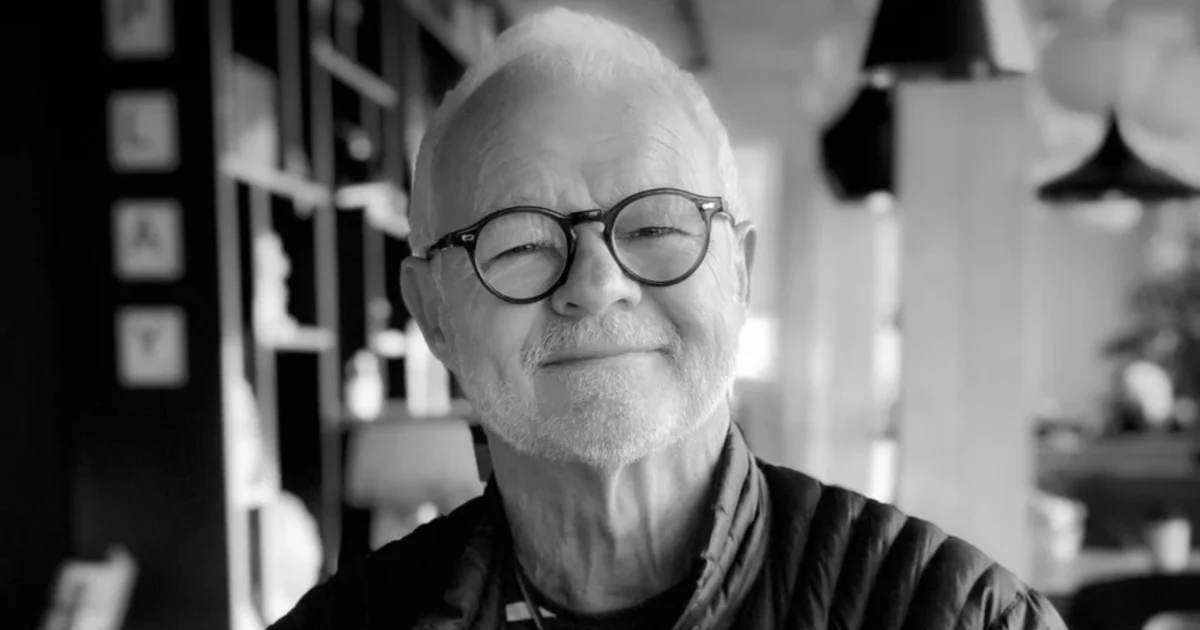
The international film and television community is mourning the loss of Rodney Charters, a visionary cinematographer whose work on the groundbreaking thriller 24 transformed the visual language of modern television. The New Zealand-born director of photography, a stalwart member of the American Society of Cinematographers (ASC), passed away suddenly on September 13 in Amsterdam at the age of 80. His death marks the end of a prolific career that bridged the gap between traditional film techniques and the high-energy, digital-first requirements of 21st-century broadcast drama.
A Legacy Forged in the Darkroom
Born in New Zealand, Charters’ path to becoming one of the most influential cinematographers in Hollywood was deeply rooted in his upbringing. He famously described himself as having been "raised in the darkroom," a nod to his father’s profession as a portrait photographer and filmmaker. This early immersion in the mechanics of light, shadow, and chemical processing provided Charters with an intuitive understanding of the image that would eventually serve him well when he pivoted to the high-pressure environment of episodic television.
Before achieving global recognition, Charters spent years refining his craft. His early career included significant work on series such as The Pretender, where he shot 57 episodes between 1997 and 2000, and the science-fiction series Roswell, where he contributed to 19 episodes during its second season. These projects allowed him to experiment with the kinetic camera movements that would later become his trademark, but it was his collaboration with the creators of 24 that would cement his reputation as a master of tension and immersion.
The 24 Era: Redefining Television Aesthetics
When 24 premiered on Fox in 2001, it was unlike anything audiences had ever seen. The premise—a real-time narrative following federal agent Jack Bauer, played by Kiefer Sutherland, through a 24-hour period of national crisis—required a visual approach that could maintain urgency across every frame. Over the course of the show’s first eight seasons, Charters became the primary architect of this look.
He shot an astounding 184 episodes between 2001 and 2010, missing only eight episodes during that entire decade. His influence extended beyond the camera lens; he also directed three of the episodes he did not shoot and served as the cinematographer for the 2008 television film 24: Redemption.
The American Society of Cinematographers has characterized his work on the series as an "aggressive camera style." This was not a stylistic choice born of vanity, but a functional response to the show’s unique pacing. By employing handheld camerawork, whip pans, and snap zooms, Charters ensured that the audience felt as breathless as the characters on screen. He stripped away the rigid, static setups common in television of that era, opting instead for a fluid, documentary-style approach that kept the camera constantly in motion, mirroring the chaotic nature of the Counter Terrorist Unit (CTU) environment.
Technical Philosophy and Workflow
Charters was known for a philosophy that prioritized the integrity of the scene over the traditional "coverage" model. In a 2004 interview with American Cinematographer magazine, he explained his methodology: "We’ve evolved to the point where we always shoot a scene in its entirety—it’s never broken into setups. We shoot two directions on every scene."
This approach required a high level of trust between the director of photography and the cast. Charters often allowed the actors to block and stage their scenes privately, without his presence, before arriving to capture the action. This unconventional method allowed for authentic, unscripted movements that the camera then reacted to in real-time. He noted that executive producer-director Stephen Hopkins encouraged him to "look at the scene and imagine where the camera would never be, and that’s where I want it." This guidance led to the unconventional angles and jarring perspectives that helped make 24 a visceral experience for viewers worldwide.
Timeline of a Distinguished Career
- 1997–2000: Serves as the primary cinematographer for NBC’s The Pretender, honing his ability to manage high-stakes, action-heavy episodic narratives.
- 2001: Joins the production team of 24, helping to establish the "real-time" visual language that would define the show.
- 2005–2006: Receives back-to-back Emmy Award nominations for Outstanding Cinematography for his work on 24.
- 2008: Shoots the bridge-movie 24: Redemption, cementing the aesthetic continuity of the franchise.
- 2010: Concludes his tenure on 24, having shot nearly every episode of the show’s initial run.
- 2011–2013: Brings his kinetic, gritty style to the acclaimed series Shameless, serving as director of photography for the first three seasons.
- September 13, 2026: Passes away in Amsterdam at the age of 80.
Industry Impact and Broader Implications
The influence of Rodney Charters on the medium of television cannot be overstated. Before 24, the "look" of television was often dictated by the limitations of budget and the predictability of multi-camera or static single-camera setups. Charters’ work proved that television could sustain the visual intensity of feature films while maintaining a grueling production schedule.
His focus on handheld, reactive camerawork paved the way for a generation of shows that prioritize "verité" style filming. The rapid cuts, the constant movement, and the willingness to sacrifice traditional "perfect" lighting for the sake of emotional truth became the standard for action dramas. Producers and cinematographers who worked alongside Charters noted his ability to maintain calm amidst the manufactured chaos of the 24 set, a testament to his professionalism and deep technical expertise.
Official Responses and Reflections
Following the announcement of his death, members of the American Society of Cinematographers issued tributes acknowledging his contributions to the craft. While official statements from his former collaborators—including Kiefer Sutherland and the show’s producers—are expected to emerge in the coming days, the consensus within the industry is that Charters was a "cinematographer’s cinematographer." He was a man who understood that the technology was merely a tool to serve the story, and his legacy remains etched into the thousands of hours of film and digital footage he oversaw during his long and storied career.
A Lasting Contribution
Beyond his specific work on 24, Charters continued to influence the industry well into his later years. His work on Shameless demonstrated his versatility, showing that the same energy he brought to high-stakes political thrillers could be adapted to dark, character-driven comedy-drama.
Rodney Charters leaves behind a body of work that remains essential viewing for any student of cinematography. His career stands as a reminder of the power of visual storytelling to elevate a script, turning the ticking clock of a television show into a pulse-pounding, unforgettable experience. As the industry looks back on his contribution, it is clear that the "aggressive style" he pioneered did more than just shoot an action show—it fundamentally changed how audiences interact with the stories they watch on screen. Through his lens, television became not just something to watch, but something to feel.

