


Transitioning a parrot from a seed-heavy diet to a nutritionally balanced pelleted diet remains one of the most significant challenges for avian caregivers. While veterinarians consistently recommend pellets as the cornerstone of a psittacine diet due to their comprehensive nutrient profiles, the process of implementation is fraught with behavioral hurdles. Recent evidence suggests that the success of this transition is not dictated by the quality of the pellet itself, but by the psychological approach taken by the owner. By moving away from anecdotal "guesswork" and toward evidence-based methodologies, owners can mitigate the risks of weight loss and stress during this critical nutritional shift.
The Scientific Foundation of Dietary Conversion
The urgency of this transition stems from the widespread prevalence of obesity, vitamin A deficiencies, and metabolic bone disease in seed-fed birds. A pivotal 2022 study published in the Journal of Avian Medicine and Surgery by Cummings et al. provided a rigorous evaluation of three distinct diet conversion methods: Birdie’s Choice, Slow and Steady, and Tough Love.
The study’s core objective was to move away from the dangerous, non-structured practices of the past, which often relied on starvation as a motivator. Instead, the research emphasized structured, monitored transitions that prioritize the bird’s physiological stability. The study confirmed that while different birds respond to different stimuli, the primary variable for success is the owner’s ability to pair a specific behavioral profile with a corresponding methodology.
Identifying the Right Methodology: A Behavioral Framework
To ensure the safety of the bird, owners must first conduct an honest assessment of their parrot’s personality. The following three methods represent the industry standard for safe, effective conversion:
1. Birdie’s Choice: The Interactive Approach
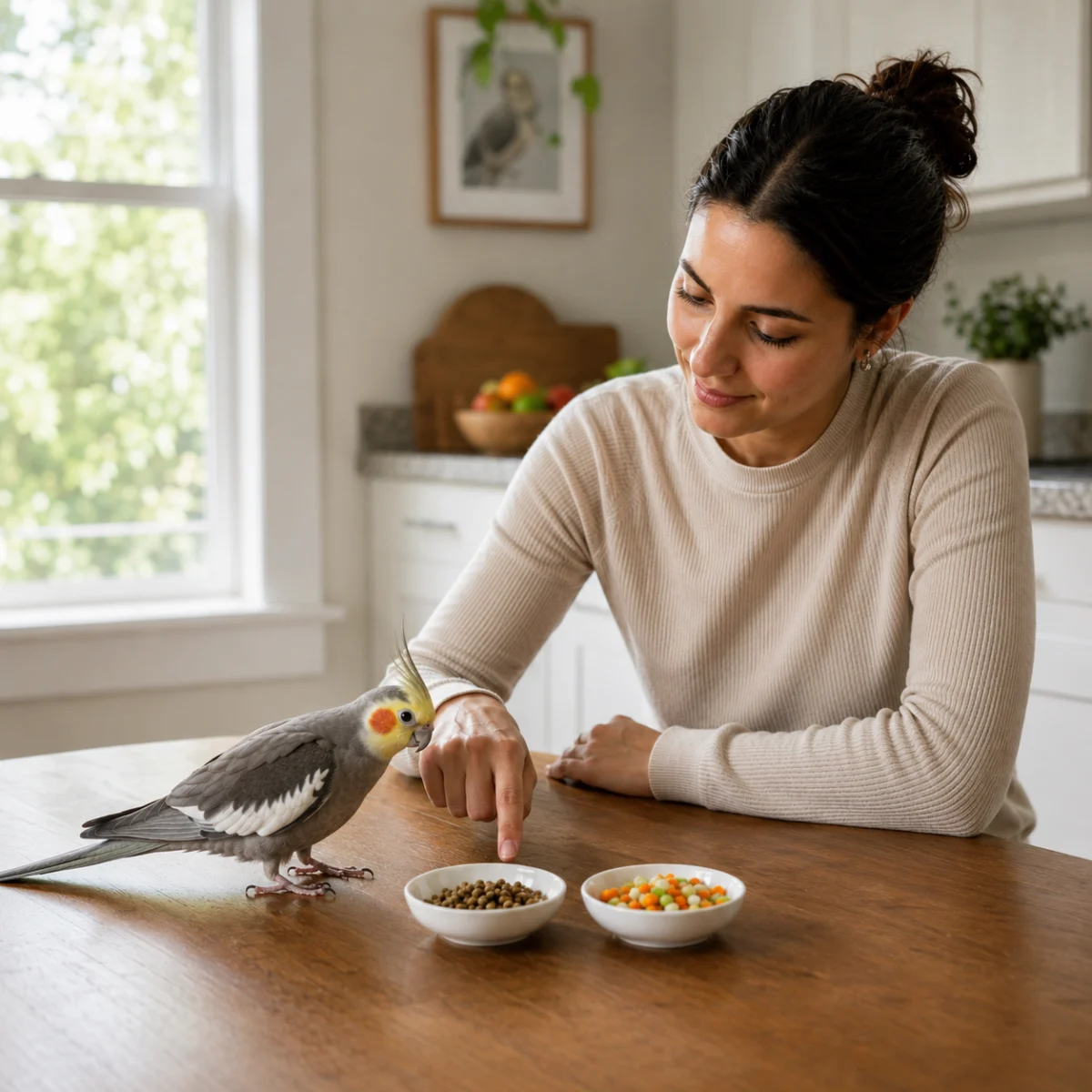
Designed for highly social, curious, and human-oriented birds, this method leverages the bird’s natural inclination to forage and investigate alongside their "flock." In this model, owners introduce a variety of pellet brands and textures, acting as a model for the bird. By tapping on the pellets and exhibiting interest, the owner encourages the bird to explore the new food without the pressure of total deprivation. This method is particularly effective for budgies and cockatiels that are already accustomed to human interaction. However, it requires a high degree of supervision, making it unsuitable for birds that exhibit high levels of fear or aggression toward human interference.
2. Slow and Steady: The Routine-Based Strategy
For the cautious or "suspicious" bird, change is often viewed as a threat. The Slow and Steady method utilizes the bird’s comfort with established routines. By offering pellets at specific, predictable times—typically when the bird is naturally most hungry, such as in the morning—the owner can slowly replace seed portions with pellets. The critical success factor here is the reduction of familiar seed access. If an owner, driven by anxiety, continues to supplement the bowl with seeds every time the bird hesitates, the method loses its efficacy. This approach requires disciplined timing rather than aggressive restriction.
3. Tough Love: The Structural Intervention
This method is strictly reserved for the "selective eater"—the bird that has mastered the art of excavating a food bowl, discarding pellets to reach the seeds. Tough Love does not equate to starvation; rather, it implies the removal of the option to pick. By ensuring that the most accessible food source is the pellet, the bird is gently steered toward the new diet. It is imperative to note that this method is contraindicated for birds that are elderly, underweight, or medically fragile. Without a baseline of health and veterinary oversight, this method can lead to rapid, dangerous weight loss.
The Critical Role of Monitoring and Safety
The transition process must be governed by data, not intuition. The use of a gram scale is non-negotiable. Avian metabolism is highly efficient, and birds are experts at masking illness until it reaches an advanced stage. A safe conversion requires daily weighing at the same time each day to establish a baseline.
If a bird experiences a weight loss exceeding 3% in a single week or a total loss of 10% from its starting weight, the conversion process must be immediately halted. At this point, the priority shifts from dietary improvement to medical stabilization. Consulting an avian veterinarian is essential if the bird displays signs of lethargy, decreased fecal output, or unusual plumage behavior. In these instances, pausing the conversion is not an admission of failure; it is a necessary safety protocol.
Addressing the Pitfalls of Mixed-Diet Transitions
Many owners assume that simply mixing pellets into a bowl of seeds will eventually lead to acceptance. However, avian behaviorists argue that this often creates a "cafeteria" effect, where the bird simply eats the seeds and ignores the pellets. This gives the owner a false sense of security, as the bowl appears to contain food, while the bird is effectively maintaining its nutritionally deficient diet.
By separating the food sources—placing pellets in a dedicated, easily accessible location and restricting seed access to specific, measured amounts—the owner can accurately monitor consumption. This structural change prevents the bird from manipulating the diet and provides the owner with a clear view of exactly what is being ingested.
The Broader Impact on Long-Term Health
The long-term implications of a successful pellet conversion extend far beyond simple weight management. A balanced diet serves as a prophylactic against many of the most common chronic conditions in psittacines. When a bird is stabilized on a high-quality pelleted foundation, the introduction of fresh vegetables, sprouts, and complex forages becomes a supplementary exercise rather than a nutritional necessity.
Furthermore, the training involved in diet conversion strengthens the human-animal bond. By engaging in a process that requires patience, observation, and positive reinforcement, owners develop a deeper understanding of their bird’s unique temperament. This "training mindset" can then be applied to other areas of husbandry, such as introducing new enrichment items, bath training, or flight recall.
Summary of Best Practices for Success
For owners preparing to initiate a transition, the following chronology is recommended:
- Medical Clearance: Ensure the bird is in optimal health. If any doubt exists regarding the bird’s weight or underlying health, an avian vet must perform a physical examination.
- Method Selection: Match the bird’s personality (social vs. cautious vs. selective) to one of the three established methods.
- Logistics Preparation: Acquire a gram scale, select a high-quality pellet brand, and establish a consistent daily schedule.
- Implementation: Begin the chosen method, maintaining strict adherence to the protocol while monitoring for any signs of physical distress.
- Evaluation: Review weight and behavior data weekly. If the bird is not progressing, consult a professional to adjust the strategy.
The shift toward a pelleted diet is a marathon, not a sprint. While the initial resistance from the bird may be frustrating, the application of structured, evidence-based methodologies significantly increases the likelihood of success. By treating diet conversion as a behavioral project rather than a simple food switch, owners can ensure their companions live longer, healthier, and more vibrant lives.
As highlighted by the 2022 research, the primary goal is not the speed of the transition, but the consistency and safety of the process. Whether the bird is a gregarious African grey or a cautious cockatiel, the right framework exists to facilitate a smooth change. The responsibility of the caregiver is to remain observant, consistent, and—most importantly—willing to pivot if the bird’s health signals a need for a change in approach.

