


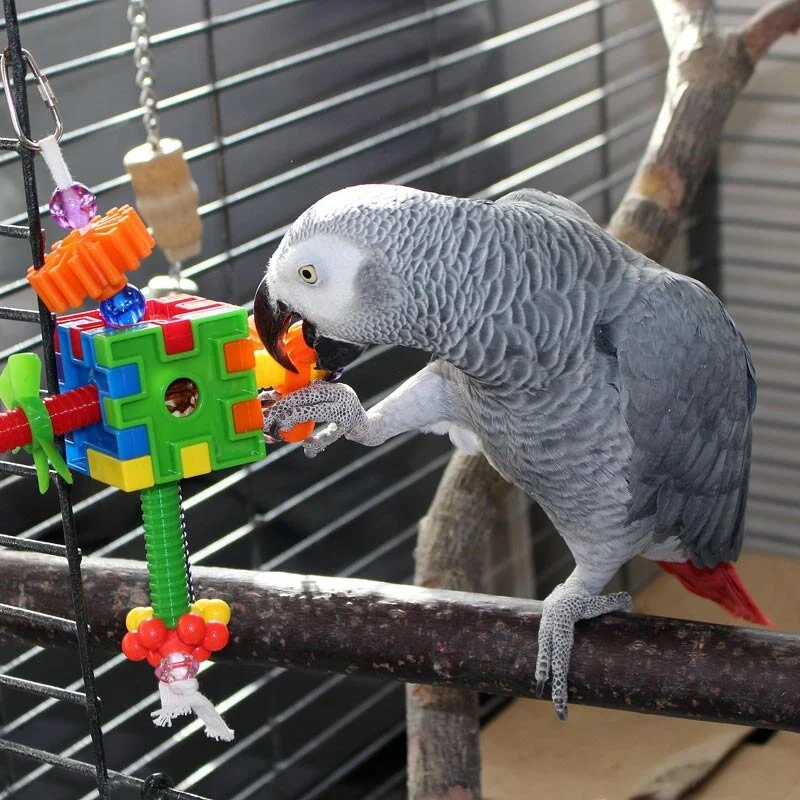
The domestic integration of psittacines—the biological order that includes parrots, macaws, and parakeets—has fundamentally altered the socio-economic and behavioral dynamics of modern households. While avian stewardship is often framed through the lens of caretaking, recent observations by avian behaviorists and long-term owners suggest a complex power dynamic shift. When these highly intelligent, social creatures enter a human environment, they do not merely exist as pets; they actively participate in the orchestration of domestic life. This article explores the nuanced ways in which these avian companions influence human schedules, environmental standards, and resource management, transforming the human residence into a collaborative, if occasionally chaotic, ecosystem.
The Chronobiological Impact of Avian Routines
At the heart of the shift in domestic management is the parrot’s innate circadian rhythm. Unlike domesticated dogs or cats, which often adapt to the flexible schedules of their human counterparts, many parrot species maintain rigid, light-dependent wake-up and rest cycles. Data from the Avian Welfare Coalition indicates that captive parrots often exhibit "flock-call" behaviors at dawn, a vocalization pattern designed to reunite scattered members of a group.
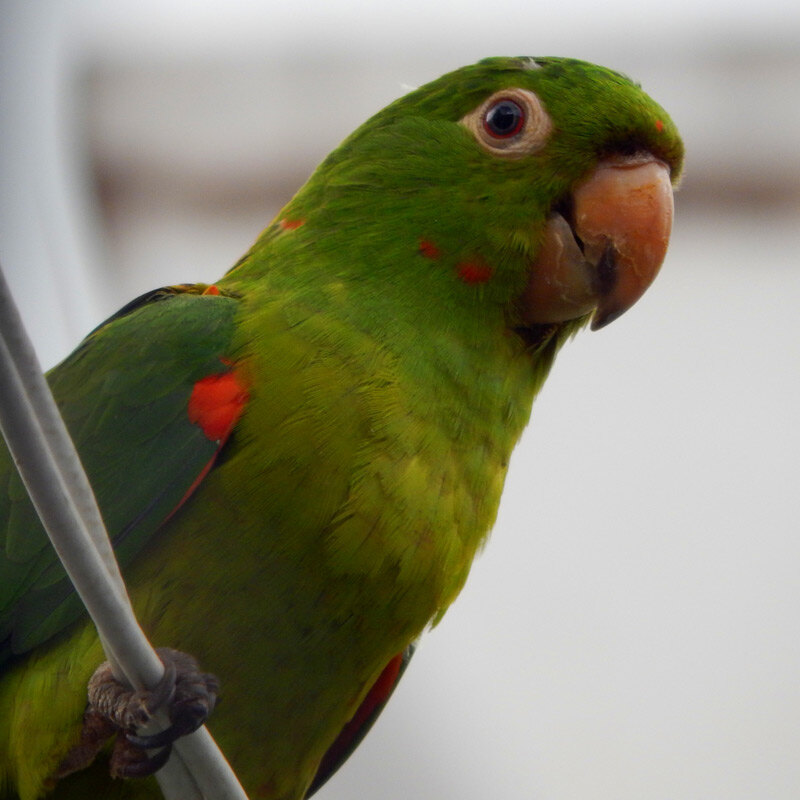
For the human guardian, this translates into a mandatory synchronization of the household schedule. Owners report that sleep patterns are frequently dictated by the bird’s biological clock rather than professional or social obligations. This phenomenon is not merely an inconvenience; it represents a fundamental change in the household’s temporal organization. Experts note that when a parrot perceives its human as part of its "flock," the bird expects the human to adhere to the group’s collective routine. Consequently, the human’s role shifts from an independent operator to a member of an avian-managed, time-sensitive community.
Environmental Stewardship and the Quality Control Paradigm
A significant, yet frequently overlooked, aspect of avian life is the bird’s role as a household quality-control inspector. Parrots are highly observant, hyper-intelligent animals that rely on environmental consistency for their psychological well-being. Any alteration to the home—such as the introduction of new furniture, the relocation of a decorative item, or even subtle changes in lighting—is immediately scrutinized.
Behavioral studies suggest this is an evolutionary trait; in the wild, the ability to identify changes in one’s habitat is a prerequisite for survival against predators. In a domestic setting, this manifests as intense, often vocal, inspection of new assets. Owners consistently report that parrots will spend hours monitoring new additions to a room, occasionally vocalizing disapproval or attempting to physically alter the new object to better fit their aesthetic preference. This suggests that the parrot is not merely a passenger in the home but a stakeholder in the interior design and maintenance of the property.
Economic Implications of Recycled Enrichment
The financial and environmental footprint of bird ownership is significantly mitigated by the parrot’s unique relationship with consumer goods. Often, items discarded by humans are repurposed by parrots into high-value enrichment tools. Cardboard boxes, packing paper, and empty paper towel rolls—materials that would otherwise enter the municipal waste stream—are frequently diverted for avian use.
This behavior has created a sub-culture of "sustainable foraging" among bird owners. From a resource-management perspective, this is a highly efficient model of enrichment. Rather than relying solely on expensive, mass-produced toys, stewards are increasingly recognizing that the inherent value of an object is determined by the parrot’s engagement with it. This shift in perspective challenges the traditional retail model of pet toys, suggesting that the most effective tools for avian mental stimulation are often everyday household byproducts. This trend has gained traction in environmental circles as a practical example of circular consumption, where the "waste" of one species becomes the essential "asset" of another.
The Collaborative Nature of Domestic Labor
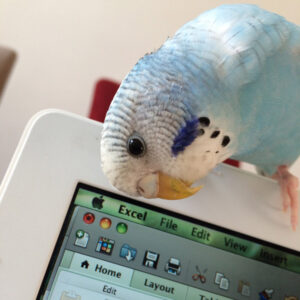
Perhaps the most disruptive and rewarding element of parrot ownership is the demand for total participation in human activity. Parrots are biologically hardwired for communal living, and they view individual labor as an opportunity for group bonding. Whether a human is working on a laptop, reading a document, or folding laundry, the parrot frequently attempts to intervene.
This is not simple play; it is an attempt to integrate the human’s work into the flock’s collective life. For the modern remote worker, this has led to a significant change in home-office ergonomics. Avian behaviorists suggest that ignoring these requests for interaction can lead to stress or destructive behavior, while facilitating them requires a redesign of the workspace. This "group project" mentality forces the human to adopt a more inclusive, albeit interrupted, workflow, further reinforcing the notion that the parrot is an equal partner in the domestic sphere.
The Subjectivity of Asset Valuation
The final and most paradoxical way parrots manage households is through their subjective valuation of resources. In any other context, a toy’s value is dictated by its manufacturing quality, complexity, or price point. In a parrot-led household, however, these metrics are entirely discarded. A parrot may ignore a sophisticated, high-cost puzzle toy in favor of a simple, homemade cardboard construction.
This phenomenon provides a fascinating case study in consumer behavior within a domestic setting. The bird’s priority is immediate tactile and sensory gratification—the ability to manipulate, shred, and destroy—rather than the prestige of the object. This forces the human guardian to pivot away from consumerism toward a more observational, responsive style of care. It serves as a reminder that value, in the eyes of the parrot, is tied to utility and the ability to interact physically with the world.
Broader Implications for Avian Stewardship
The cumulative effect of these five behaviors is a total reconfiguration of the human-animal relationship. When we bring a parrot into our homes, we are not simply introducing an animal to our space; we are inviting a co-manager into our lives. The implications are profound: the human is no longer the sole authority in the household, but a participant in a negotiated, multi-species existence.
Sociologists studying pet ownership have noted that the "parrot effect" leads to higher levels of human empathy and patience, as individuals learn to decode non-verbal cues and respect the autonomy of a creature with its own distinct agenda. While the responsibilities of such an arrangement are significant—ranging from specialized nutrition to complex social interaction—the result is a unique, deeply integrated, and intellectually stimulating domestic environment.
Ultimately, the power dynamic in a parrot-occupied home is not one of ownership, but of partnership. While humans provide the structural support—the food, the shelter, and the safety—the parrots provide the structure of the day, the standards of quality, and the necessity of communal labor. It is a relationship defined by mutual influence, where the traditional boundaries of the "pet" are blurred in favor of a complex, shared, and highly active life. As more households integrate these remarkable creatures, the definition of what constitutes a "well-managed home" will continue to evolve, influenced by the unique, intelligent, and highly opinionated perspective of our feathered companions.

