


The People for the Ethical Treatment of Animals (PETA) has officially inducted three prominent University of Washington (UW) neuroscientists—Greg Horwitz, Robi Soetedjo, and Jonathan Ting—into its institutional "Hall of Shame." The designation, announced in late September 2026, highlights what animal rights advocates describe as systemic failures, high rates of surgical complications, and chronic welfare violations within the university’s neuroscience and primate research departments.
The inclusion of Horwitz, Soetedjo, and Ting follows a review of public records obtained by PETA, which shed light on internal committee discussions regarding high complication rates and procedural discrepancies at the Washington National Primate Research Center (WANPRC). Critics argue that the case exemplifies a broader structural weakness in university-level animal oversight committees, which they claim frequently fail to hold principal investigators accountable for animal morbidity and mortality.
Anatomy of the Research: Procedures and Methodology
The three researchers command substantial federal funding and occupy senior positions within UW’s neurobiology infrastructure. Together, they have co-authored numerous studies focusing on visual processing, neural circuitry, and brain-behavior relationships, drawing over $25 million in grants from the National Institutes of Health (NIH) since 2020.
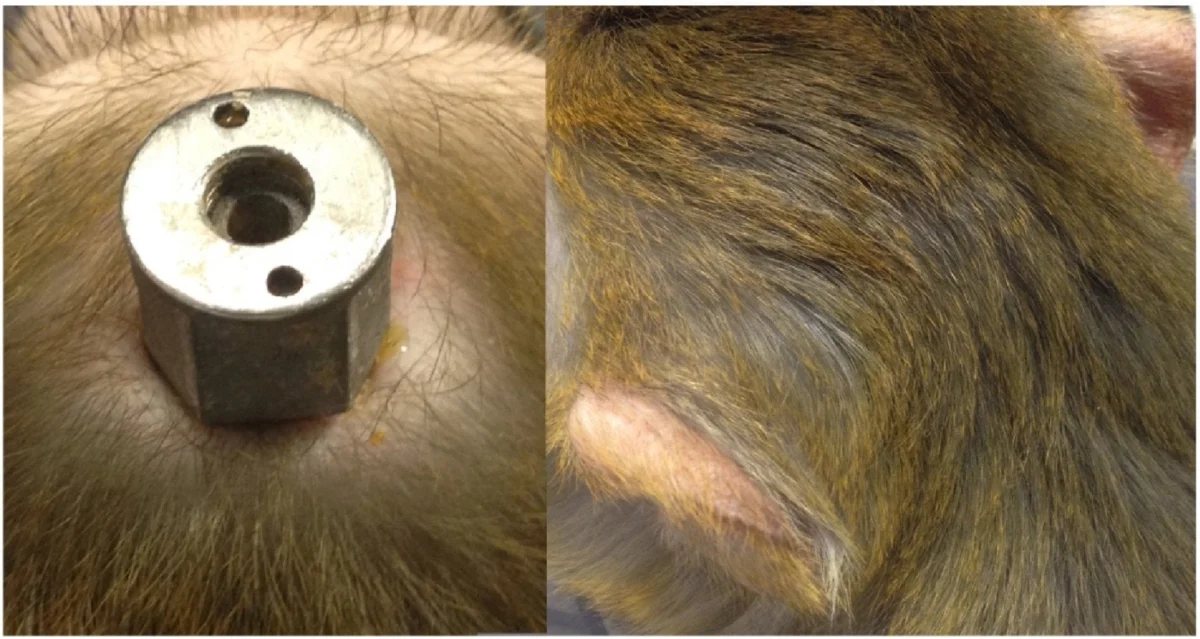
Public records and published methodology papers indicate that the scientific protocols employed by the trio involve highly invasive techniques. These procedures frequently entail stereotaxic cranial surgeries, wherein holes are drilled into the skulls of non-human primates and rodents. Researchers then mount mechanical headposts, insert recording electrodes, and infuse viral vectors designed to genetically modify neural tissue or trace neural pathways.
In addition to neurosurgical interventions, certain protocols documented by animal advocates involve physiological restrictions, such as controlling fluid or food access to encourage animal cooperation during cognitive and behavioral trials. While standard within specific neurophysiological paradigms to motivate subjects, these practices remain a subject of intense ethical debate and rigorous regulatory scrutiny. Furthermore, literature authored by Ting details procedures involving murine subjects, including terminal tissue harvesting designed to yield fresh, high-viability brain slices for ex vivo electrophysiological recording.
A Chronology of Institutional Oversight and Incidents
The scrutiny facing Horwitz, Soetedjo, and Ting is part of a longer continuum of regulatory and ethical challenges at the University of Washington’s primate facilities. The institutional timeline reflects recurring friction between oversight bodies, federal regulators, and animal protection organizations:
- Pre-2020: Decades of primate experimentation establish the foundational careers of Horwitz and Soetedjo at UW, involving long-term cranial implant protocols and visual-motor tracking studies.
- 2017: A published study co-authored by Soetedjo and Horwitz details the optogenetic stimulation of macaque brains via viral vector infusions and light-delivery implants.
- 2020–2026: A multi-year operational window during which Horwitz and Ting reportedly subjected dozens of macaque monkeys to complex, sequential brain surgeries.
- Late 2025: Internal institutional animal care and use committee (IACUC) meetings briefly bring the researchers’ procedural outcomes under administrative review, centering on elevated complication rates.
- September 2026: PETA formally inducts Horwitz, Soetedjo, and Ting into its Hall of Shame, drawing public attention to the previous year’s committee disclosures and renewing calls for structural reform or closure of the WANPRC.
Data and Statistical Findings from Institutional Records
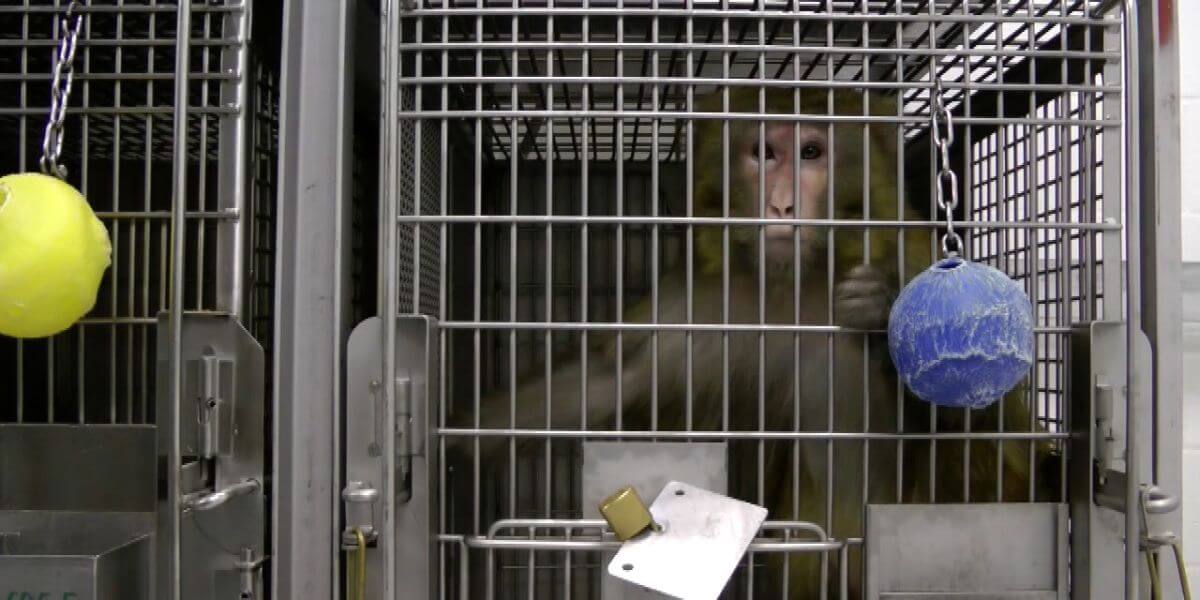
According to documentation extracted via public records requests, the research output overseen by Horwitz and Ting between 2020 and 2026 involved 71 individual monkeys subjected to complex intracranial procedures. Institutional records cited by advocacy groups reveal that approximately 41% of these subjects experienced adverse postoperative events, encompassing severe complications such as persistent neurological deficits, localized infections, motor weakness, muscular tremors, and localized tissue necrosis.
In several instances, subjects required secondary corrective surgeries to address failed wound closures or device-related complications. A subset of the animals was euthanized prior to the planned conclusion of the study protocols due to the severity of their clinical decline.
During internal institutional review discussions, investigator Horwitz acknowledged that the complication rates observed within his laboratory exceeded typical institutional baselines, though specific systemic root causes were not formally detailed in the available meeting minutes. PETA analysts and veterinary critics have further pointed to the utilization of "discounted" or recycled subjects—animals transferred from other protocols due to prior medical or psychological histories—as an additional variable that may complicate experimental consistency and animal welfare outcomes.
Broader Implications for Academic Primate Research
The public designation of the UW researchers underscores a tense national dialogue regarding the ethics, validity, and future of animal models in neuroscience. Proponents of non-human primate research argue that the complex architecture of the primate brain remains irreplaceable for understanding higher-order cognitive functions, visual systems, and neurological disorders such as Alzheimer’s disease, Parkinson’s disease, and major depressive disorder. From this perspective, rigorous basic science is essential for translating animal data into human clinical therapies.
Conversely, animal welfare organizations and a growing contingent of biomedical ethicists question the translational efficacy of these models, pointing to high attrition rates, species-specific physiological differences, and the ethical costs of inflicting pain and distress on sentient creatures. Critics contend that institutional review systems are inherently prone to conflicts of interest, prioritizing grant acquisition and institutional prestige over stringent animal welfare enforcement.
The controversy surrounding the Washington National Primate Research Center also evokes recent disciplinary actions within the university’s network, including high-profile administrative penalties levied against former primate center personnel like Michele Basso. Such precedents demonstrate that regulatory bodies and internal committees are increasingly willing to impose operational restrictions when non-compliance or severe welfare breaches are formally substantiated.
Institutional Response and Future Outlook
Representatives for the University of Washington and the WANPRC maintain that all animal research conducted under their purview complies with federal standards, including the Animal Welfare Act, and receives prior authorization from institutional oversight panels designed to balance scientific necessity against animal welfare. University officials have historically emphasized that their researchers adhere to principles of the "Three Rs"—replacement, reduction, and refinement—aiming to minimize animal use and alleviate distress wherever feasible.
However, pressure from organizations like PETA, combined with heightened public scrutiny over research transparency and institutional accountability, ensures that the debate surrounding primate experimentation at UW will persist. As funding agencies face broader legislative inquiries and academic institutions grapple with reputational risks, the balance between advancing neuroscientific discovery and upholding humane standards remains a central challenge for the modern research community.

