


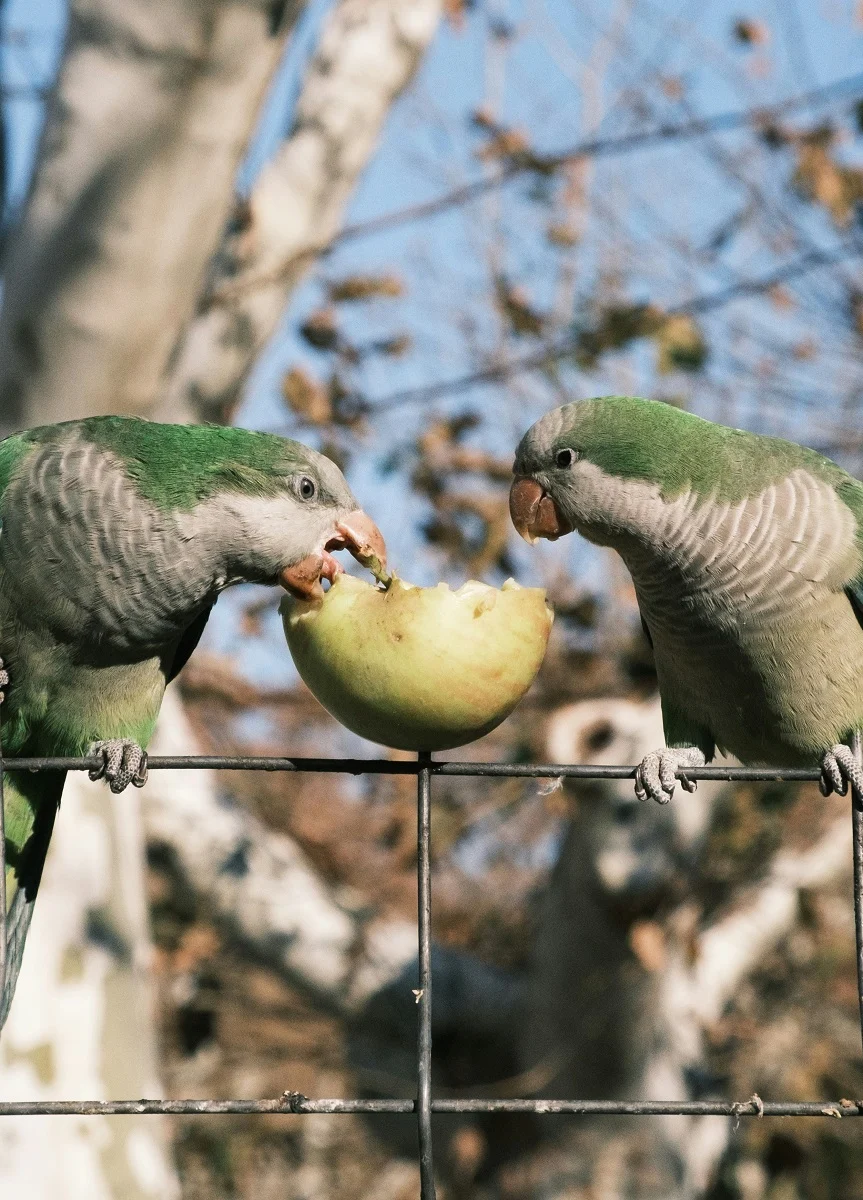
The quaker parrot, scientifically classified as Myiopsitta monachus and widely recognized as the monk parakeet, has steadily cemented its status as one of the most charismatic yet controversial avian companions available to pet owners. Hailing natively from the lush lowlands and open savannahs of South America, this intelligent species balances a delightful, clownish domestic personality with a formidable ecological footprint. As prospective owners weigh the responsibilities of integrating a thirty-year commitment into their households, avian experts, conservationists, and legislative bodies continue to analyze the multifaceted implications of keeping, breeding, and managing these remarkable birds.
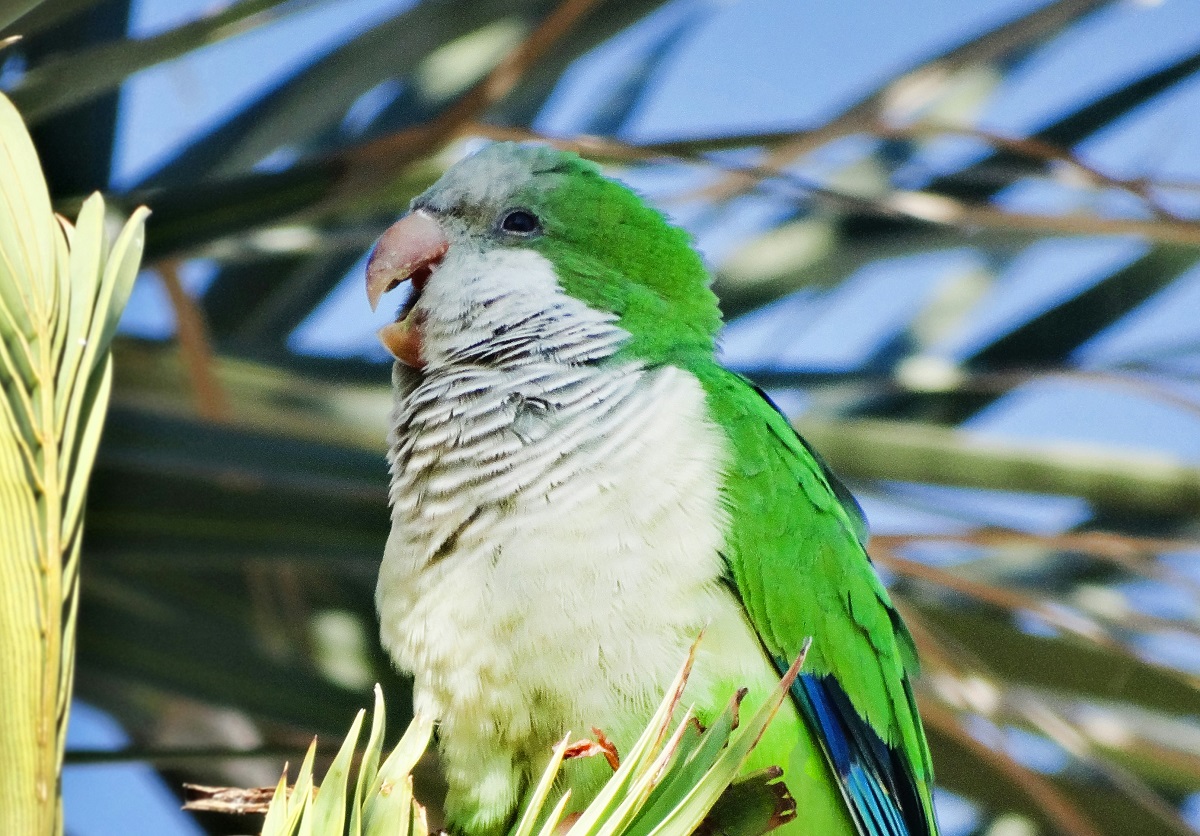
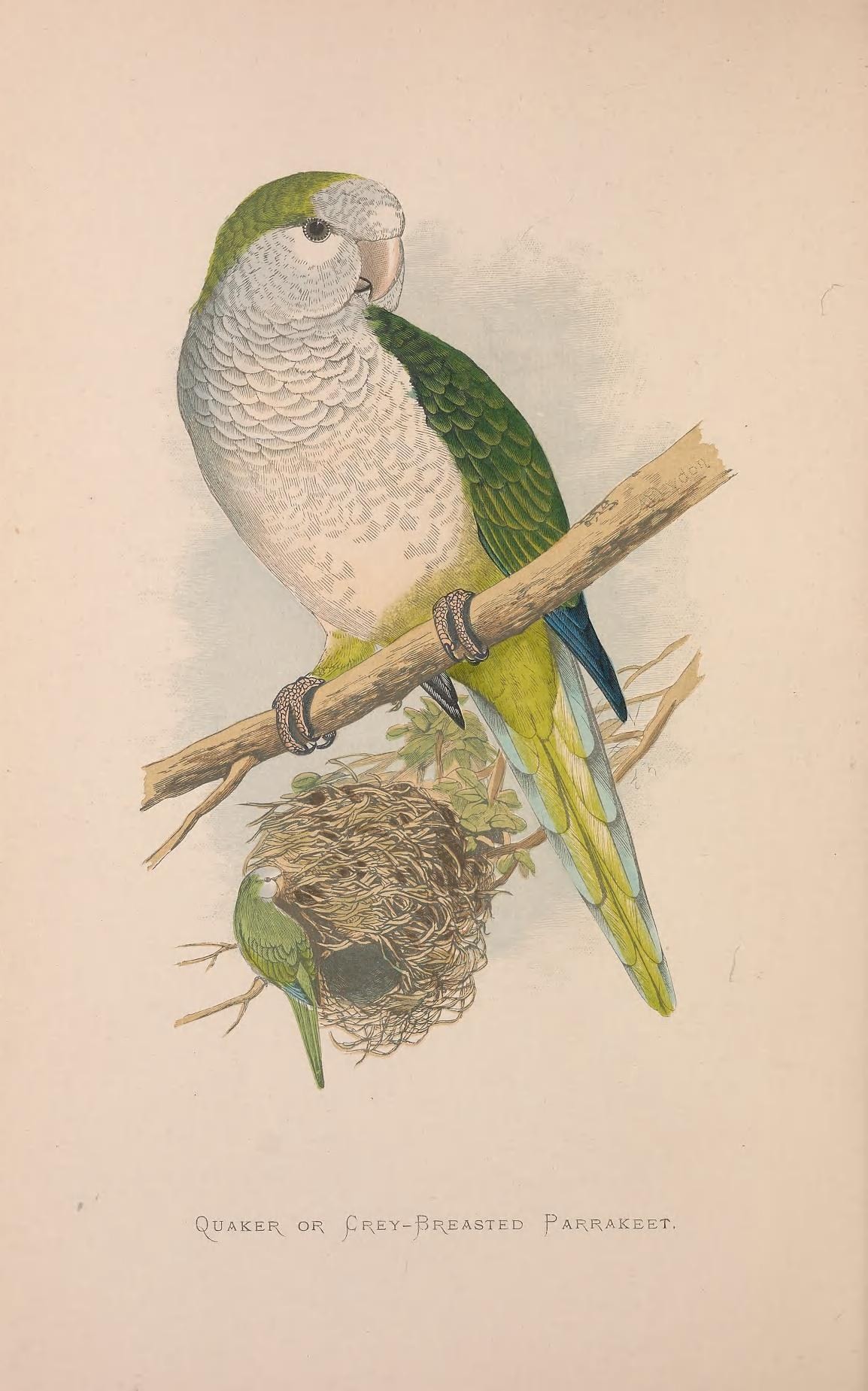
Originating primarily across Argentina, Uruguay, Paraguay, eastern Bolivia, and southern Brazil, the quaker parrot thrives in temperate to subtropical climates. In the wild, these birds construct massive, communal stick nests—a unique architectural feat among parrots—often building high up in eucalyptus groves, palm forests, and even urban trees. This natural adaptability has driven their classification by the International Union for Conservation of Nature (IUCN) as a species of Least Concern. Ironically, human activities such as agricultural expansion, which yields abundant maize and grain crops, and the widespread planting of eucalyptus for paper pulp have expanded the birds’ foraging and nesting opportunities. Consequently, wild populations in their native regions are stable or even thriving, standing in stark contrast to their vulnerable evolutionary cousin, Myiopsitta luchsi.
However, this high adaptability has birthed significant environmental challenges globally. Due to escapes and intentional releases, self-sustaining feral populations of monk parakeets have established themselves across numerous international territories, including metropolitan areas in the United States and European cities such as Madrid and Valencia. Operating much like urban pigeons, these invasive flocks forage successfully on city streets and agricultural lands. Because of their potential to damage local ecosystems, disrupt native wildlife, and threaten commercial crops, several regional governments have enacted strict bans or possession restrictions on the species. Wildlife authorities emphasize that prospective owners must thoroughly research local exotic animal legislation before acquiring a quaker parrot to ensure full compliance with municipal and federal wildlife laws.
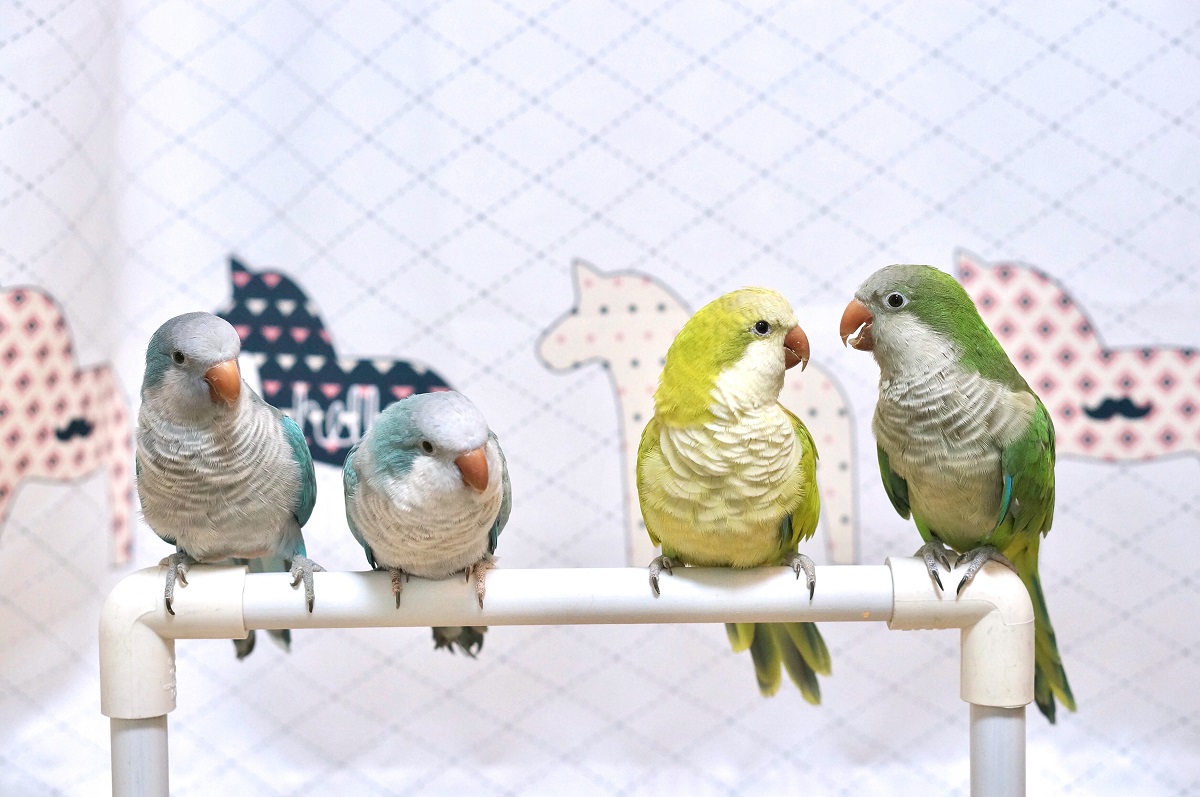
For those legally permitted to keep them, understanding the physical and behavioral attributes of Myiopsitta monachus is essential for proper husbandry. Typically growing up to 13 inches in length and reaching a healthy adult weight of approximately 140 grams, the quaker parrot is instantly identifiable by its signature mossy green back, gray chest, blue flight feathers, and pale, skin-colored beak. Through decades of captive selective breeding, a spectrum of color mutations—including striking blue, yellow, white, and gray morphs—has emerged within the pet trade. Visually distinguishing between sexes remains virtually impossible through observation alone, as sexual dimorphism is minimal; reliable gender identification requires DNA testing.
Dietary management forms the cornerstone of longevity for a captive quaker parrot, which can live up to three decades under optimal care. Historical reliance on all-seed diets is heavily discouraged by modern avian veterinarians, as such practices routinely precipitate nutritional deficiencies, hepatic lipidosis, and shortened lifespans. Instead, modern avian care standards dictate that a quaker’s nutritional intake must be anchored by high-quality formulated pellet foods supplemented daily with fresh vegetables, safe fruits, leafy greens, and occasional protein sources. Furthermore, access to a mineral block and a constant supply of fresh water are non-negotiable requirements for maintaining metabolic health.
Housing and environmental enrichment require equal diligence from owners. Despite their moderate physical size, quakers require spacious enclosures—ideally a cage measuring at least 30 inches in width—to permit adequate movement and wing stretching. Because parrots naturally utilize the upper vertical space of their domain, horizontal cage dimensions take precedence over vertical height. Inside the enclosure, natural wood perches, foraging boxes, and rotating arrays of durable, bird-safe toys are vital to curb the onset of stress, destructive chewing, and loud vocalizations driven by boredom. Daily out-of-cage exercise is mandatory; without it, captive birds risk severe obesity and muscular atrophy. Furthermore, households housing quakers must implement rigorous bird-proofing protocols, eliminating hazards such as open containers of hot liquids, toxic house plants, and active ceiling fans.
The psychological profile of the monk parakeet is defined by high intelligence, confidence, and a deeply social disposition. While a well-socialized quaker acts as an affectionate, entertaining companion that eagerly learns complex vocabularies and demonstrates impressive mimicry skills, their intense loyalty can manifest as territorial aggression. These birds notoriously view their cages as absolute fortresses, often fiercely defending their personal space during feeding or cleaning routines. Additionally, their innate nesting instincts can be inadvertently triggered by the presence of loose household items like pens, sticks, or straws, prompting them to construct elaborate structures that can heighten hormonal and territorial behaviors.
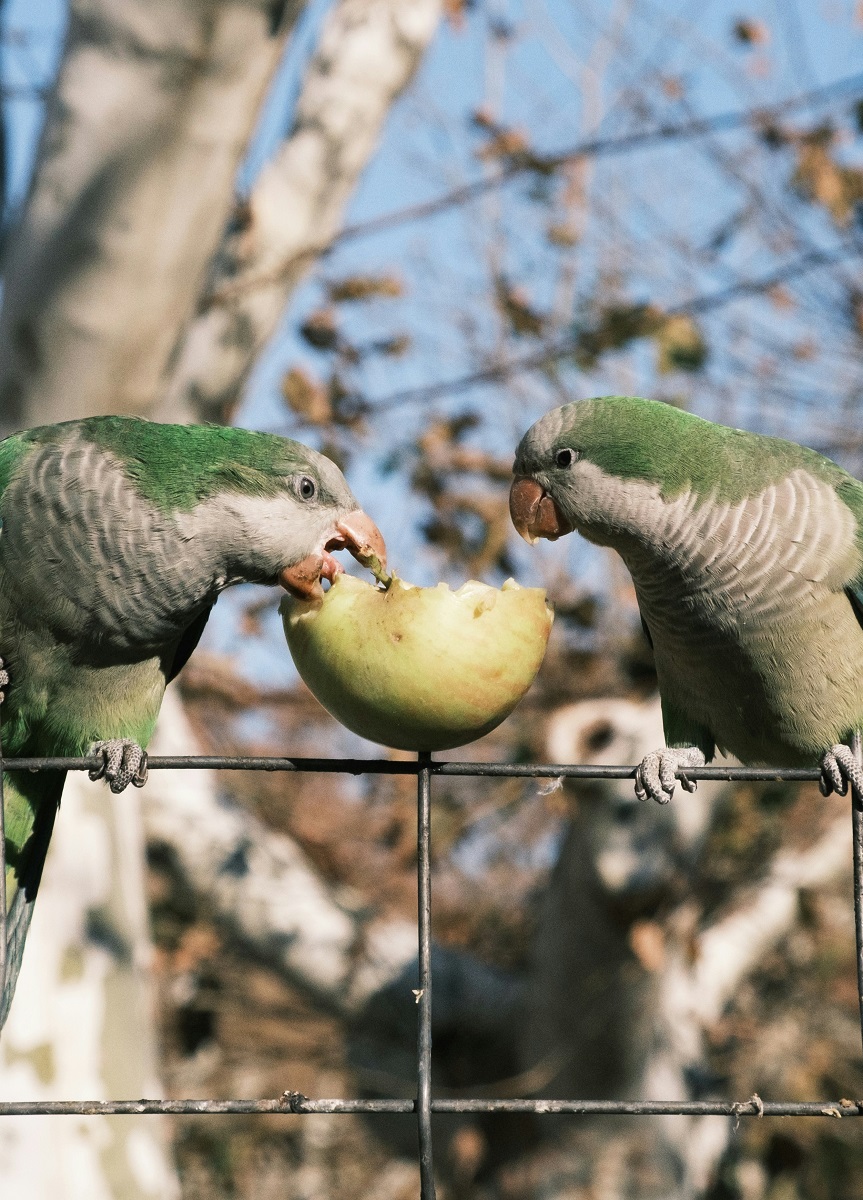
Vocalizations present another critical consideration for potential owners. While not matching the deafening decibels of larger cockatoos or macaws, quakers produce a consistent repertoire of sharp squawks, high-pitched whistles, and piercing flock calls that can test domestic patience. Conversely, contented quakers often engage in endearing behaviors such as rhythmic beak grinding and soft, melodic "purring." Their remarkable aptitude for human speech imitation—delivered in a distinctively squeaky voice—further enhances their appeal as interactive pets, provided their owners invest adequate time in patient, repetitive training.
Ultimately, the decision to welcome a quaker parrot into a home requires a sober evaluation of time, space, and legal responsibilities. As avian veterinary medicine advances and public awareness regarding invasive species management grows, the framework surrounding exotic pet ownership continues to evolve. For the dedicated owner prepared to navigate the behavioral quirks, rigorous dietary needs, and thirty-year commitment required by Myiopsitta monachus, the quaker parrot remains an endlessly fascinating, vibrant, and rewarding avian companion.

