


In June 2026, a series of investigative findings and coordinated public demonstrations have placed Petco Health and Wellness Company, Inc., under significant scrutiny regarding the ethical standards of its live animal supply chain. A three-month undercover investigation conducted by People for the Ethical Treatment of Animals (PETA) into Creekside Birds, a major parakeet breeder supplying Petco retail locations, has resulted in thousands of alleged violations of the federal Animal Welfare Act (AWA). The findings, which include documented instances of extreme neglect and improper euthanasia, have ignited a nationwide campaign led by animal rights advocates and high-profile figures, demanding that the pet retail giant cease the sale of all birds.
The Creekside Birds Investigation and Findings
The investigation into Creekside Birds, a massive breeding facility, revealed a pattern of systemic animal suffering and high mortality rates. According to PETA’s investigative report, nearly 10,000 parakeets were housed in the facility under conditions characterized by overcrowding and a lack of basic hygiene. Over a 27-day observation period, the investigator documented the deaths of approximately 1,400 birds, representing a significant percentage of the facility’s population.
Evidence gathered during the three-month period allegedly shows a co-owner and a senior employee engaging in the manual decapitation of live birds and the crushing of parakeets’ necks as a form of culling. Furthermore, the report claims that hundreds of sick and injured animals were denied veterinary intervention, often left to languish for weeks in filthy, cramped cages. These findings led to citations from federal authorities for thousands of violations of the Animal Welfare Act, a cornerstone of United States legislation governing the treatment of animals in commercial breeding and research facilities.
Chronology of the 2026 Campaign and National Protests
The public release of the investigative footage in mid-June 2026 triggered a rapid succession of protests across the United States, targeting both Petco’s retail outlets and its corporate infrastructure.
On June 18, 2026, animal welfare advocates gathered outside a prominent Petco location in Chicago. Protesters utilized large-scale imagery of the parakeets documented at Creekside Birds to inform shoppers about the origins of the animals sold in-store. The demonstration also highlighted previous whistleblower reports from former Petco employees, including a 2024 incident where a parakeet was allegedly pecked to death by stressed cagemates, an event that advocates argue is a direct result of the high-stress environments inherent in commercial retail displays.
One week later, the focus shifted to San Diego, California, where Petco’s corporate headquarters is located. More than 30 protesters staged a demonstration on the sidewalks adjacent to the building before a smaller group attempted to enter the headquarters. The group sought to present the investigative footage to Petco executives; however, they were reportedly denied an audience and escorted off the premises. The activists continued their demonstration by displaying signs against the building’s glass exterior, ensuring visibility to the employees inside.
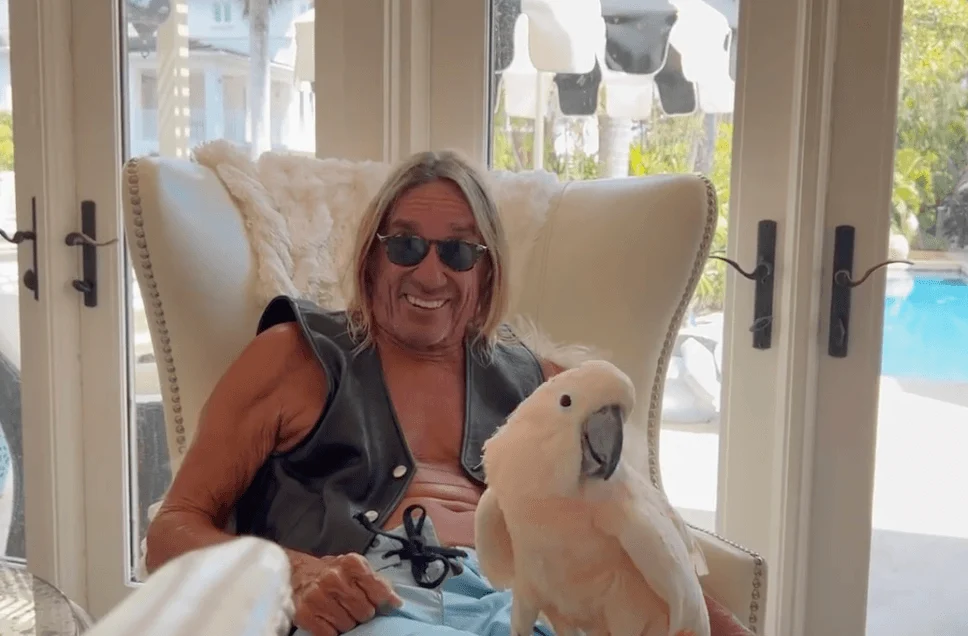
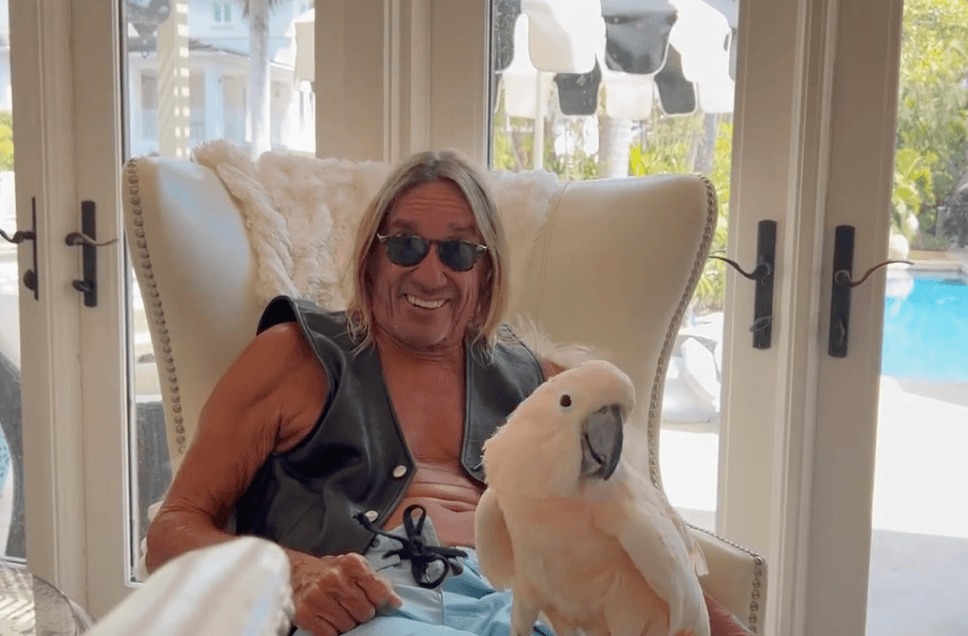
The campaign reached a peak on June 30, 2026, during Petco’s annual shareholder meeting. Iggy Pop, the influential musician and a long-time advocate for avian welfare, confronted the board of directors. As the guardian of a rescued cockatoo, Biggy Pop, the artist challenged the executives on their continued involvement in the bird trade. His formal inquiry—"When will Petco end the sale of birds?"—served as a focal point for the meeting and garnered significant media attention, bridging the gap between grassroots activism and corporate accountability.
Regulatory Framework and the Animal Welfare Act
The citations issued to Creekside Birds highlight the ongoing challenges of regulating the multi-billion-dollar pet industry. The Animal Welfare Act, overseen by the U.S. Department of Agriculture’s (USDA) Animal and Plant Health Inspection Service (APHIS), mandates specific standards for housing, handling, sanitation, and veterinary care.
However, critics of the current system argue that the scale of commercial breeding operations often outpaces the government’s ability to conduct frequent and thorough inspections. In the case of Creekside Birds, the sheer volume of birds—10,000 parakeets in one location—presents logistical hurdles for maintaining welfare standards. Industry analysts note that the "high-volume, low-margin" model of parakeet breeding often leads to cost-cutting measures that directly impact the health of the animals. The thousands of violations cited in the June 2026 report suggest a breakdown in both internal quality control and external oversight.
Biological and Ethical Context of Parakeet Sales
Parakeets, or budgerigars (Melopsittacus undulatus), are small parrots native to the arid regions of Australia. In their natural habitat, these birds are highly social, living in large nomadic flocks that travel miles daily in search of food and water. They are known for their complex social structures, mating for life and engaging in mutual preening to maintain social bonds.
Animal behaviorists argue that the commercial pet trade is fundamentally incompatible with the biological needs of these birds. The transition from large-scale breeding facilities to shipping containers and eventually to small retail cages prevents parakeets from engaging in natural behaviors such as long-distance flight and social foraging. PETA’s campaign emphasizes that when birds are treated as "merchandise" or "home décor," their emotional and physical well-being is secondary to profit.
Official Responses and Corporate Strategy
As of late June 2026, Petco has not issued a comprehensive policy change regarding the sale of small birds, though the company has previously made concessions. Following prior negotiations with PETA, Petco ended the sale of larger avian species, including Amazon parrots, cockatoos, and macaws. This shift was largely attributed to the recognition that larger birds have lifespan and care requirements that the average consumer is often unprepared to meet.
Advocates argue that the logic applied to large parrots should extend to parakeets. While smaller and less expensive, parakeets possess similar levels of intelligence and social needs. The refusal of Petco executives to view the investigative footage during the San Diego headquarters protest suggests a defensive corporate posture, though industry experts suggest that the continued pressure from high-profile figures like Iggy Pop and the threat of further federal citations may eventually force a policy reassessment.
Analysis of Economic and Industry Implications
The controversy surrounding Petco’s supply chain occurs amidst a broader shift in consumer sentiment toward "ethical pet ownership." In recent years, several states and municipalities have passed legislation banning the sale of dogs, cats, and rabbits in pet stores to combat "puppy mills" and "kitten factories." These laws typically require retail stores to partner with shelters and rescue organizations for animal adoptions rather than selling animals from commercial breeders.
If Petco were to end the sale of birds, it would represent a significant shift in the company’s business model. Small birds and reptiles are often "gateway" sales that drive recurring revenue through the purchase of cages, specialized feed, and toys. However, the reputational risk associated with documented animal cruelty can outweigh these retail gains. Market analysts suggest that Petco may look to bolster its services sector—including grooming, veterinary care, and training—to offset potential losses from ending live animal sales.
Conclusion and Future Outlook
The investigation into Creekside Birds and the subsequent national protests mark a pivotal moment in the debate over the commercialization of exotic animals. The documentation of nearly 1,400 deaths in less than a month at a single supplier facility provides a stark data point for legislators and consumers alike.
As the USDA continues its review of the violations at Creekside Birds, the pressure on Petco to reform its supply chain remains high. The involvement of the PETA Action Team and the public endorsement of the campaign by cultural icons indicate that the issue is unlikely to fade from the public consciousness. The ultimate resolution will likely depend on whether Petco chooses to maintain its current retail model or aligns itself with the growing movement toward a rescue-only adoption model for all animals in its care. For now, the thousands of birds remaining in the supply chain are at the center of a complex battle between corporate interests, federal regulation, and animal rights advocacy.

