


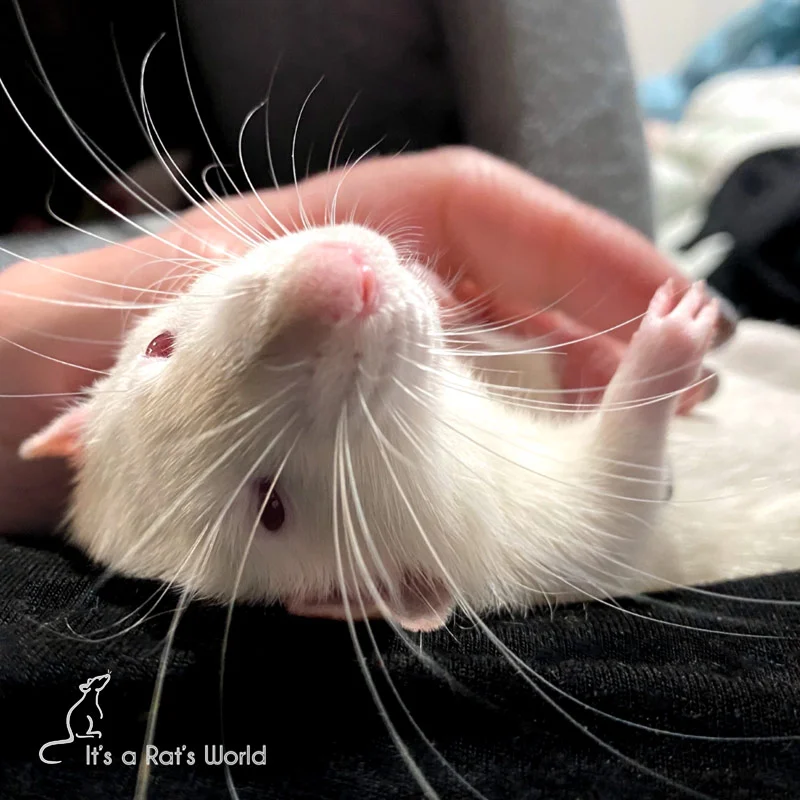
The commitment to domestic animal ownership represents a significant, long-term responsibility that often undergoes rigorous evaluation when life circumstances shift. For many, the choice to keep pet rats—animals known for their intelligence, complex social needs, and short lifespans—can become a source of profound emotional and logistical strain. As pet owners navigate the complexities of modern living, ranging from financial instability to chronic health issues, the decision to step away from rat ownership has emerged as a nuanced topic requiring both empathy and practical guidance.
The Reality of Pet Ownership and Life Transitions
Data from the American Pet Products Association (APPA) suggests that the cost of pet care has risen significantly over the last decade, with inflation impacting everything from specialized food to exotic veterinary services. Rats, which are classified as exotic pets, require specialized medical attention that is often not available at general veterinary clinics. This lack of accessibility, combined with the inherently short lifespan of the species—typically 24 to 36 months—creates a cycle of grief and financial burden that can lead to significant caregiver burnout.
In the case of longtime enthusiasts like Brandi Saxton, a known figure in the rat advocacy community, the decision to move away from ownership was not a choice made lightly, but one dictated by the intersection of personal health challenges and the decline of accessible, specialized veterinary support. The loss of a primary veterinarian, particularly one with two decades of experience and a willingness to provide remote consults, serves as a poignant example of how fragile the support system for exotic pet owners can be. When a reliable medical support structure dissolves, the standard of care for the animal is immediately compromised.
Chronology of Caregiver Fatigue
The trajectory of a dedicated rat owner often follows a predictable, yet taxing, timeline. Initial engagement usually begins with the acquisition of a pair or small group of rats, adhering to the well-documented biological necessity of social companionship for the species. Over the first two years, owners experience the rewarding phase of bonding, behavioral observation, and enrichment.
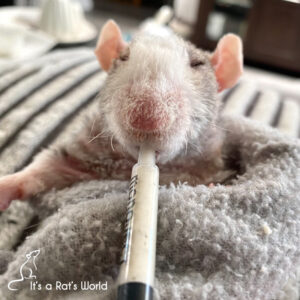
However, the third year frequently marks a shift toward intensive medical management. As rats reach the end of their natural lifespan, they are highly susceptible to respiratory infections, tumors, and mobility issues. This transition from "pet companionship" to "nursing care" is a documented stressor in the veterinary literature, often referred to as "compassion fatigue." For individuals managing their own chronic illnesses or career pressures, the sudden influx of medical needs—frequent medication administration, specialized diet preparation, and emergency veterinary visits—can trigger a state of psychological overwhelm.

Supporting Data on Exotic Pet Care
While dogs and cats remain the most common household pets, the market for "small mammals" has remained consistent. However, the survival rate of these animals is heavily dependent on the "human-animal bond." Research published in the Journal of Veterinary Behavior highlights that when owners feel they can no longer meet the welfare requirements of their pets, the animals are at an increased risk for behavioral issues and health neglect.
Financial data indicates that the "hidden costs" of rats—including cage maintenance, high-quality bedding to prevent ammonia buildup, and frequent diagnostic testing—can exceed the costs of more traditional pets when calculated on a per-year basis. For households facing economic volatility, the inability to provide this level of care often leads to the difficult decision of rehoming.
The Ethics of Rehoming and Responsible Exit Strategies
The primary directive for any pet owner, as emphasized by animal welfare organizations, is the maintenance of a safe and stable environment. When this is no longer possible, the transition must be handled with the welfare of the animal as the central priority. Professional guidelines for the rehoming of exotic pets generally discourage the use of classified advertisement sites such as Craigslist, where the ultimate destination of the animal cannot be verified.

Instead, industry experts recommend a hierarchy of options:
- Direct Surrender to Specialized Rescues: These organizations possess the expertise to evaluate, rehabilitate, and re-socialize rats before placing them in vetted homes.
- Consultation with Exotic Veterinary Clinics: Most specialized vets maintain lists of reputable rescues or may facilitate "owner-to-owner" adoptions within their client network.
- Network Outreach: Utilizing established, reputable community groups on platforms like Facebook or Reddit, provided they are moderated by professionals who enforce strict vetting standards.
Surrendering animals to traditional municipal "kill" shelters is often considered a last resort, as these facilities are rarely equipped to handle the unique social needs of rats, leading to high levels of stress and a decreased likelihood of successful placement.
Broader Implications of the "Rat-less" Transition
The decision to end one’s tenure as an owner is not merely a logistical shift; it is an emotional event that requires a period of bereavement. Experts in human-animal bond studies note that the loss of a pet, especially one that requires daily hands-on care, creates a "void" in the owner’s daily routine. The resulting grief is often underestimated by those outside the community, yet it is a legitimate psychological response to the loss of a companion.
The implications for the wider community are twofold. First, it highlights a critical gap in veterinary medicine: the need for more affordable and accessible exotic animal care. If owners are forced to retire from pet ownership due to the lack of a competent, affordable vet, it suggests that the veterinary infrastructure is not currently scaling with the popularity of exotic pets. Second, it serves as a reminder that the "sacred commitment" of pet ownership is a dynamic state. Recognizing the limits of one’s ability to provide high-quality care is, in itself, an act of responsible ownership.
Moving Forward
For those currently experiencing the weight of this decision, the advice from veteran owners is clear: prioritize the well-being of the current animals while acknowledging one’s own limitations. Taking a hiatus from ownership is not an admission of failure. On the contrary, it is an acknowledgment of the seriousness of the commitment.
As society continues to evolve in how it views the role of pets in the domestic sphere, the discussion surrounding "responsible exit strategies" will likely become more prominent. Whether due to aging, financial hardship, or the simple desire to reset, stepping back from the responsibilities of rat ownership is a valid, often necessary, decision. For many, the "rat-shaped holes" left behind are a testament to the depth of the bond formed—a bond that remains, even when the daily presence of the animal has ceased. By focusing on the ethical treatment of the animals in the short term and personal well-being in the long term, owners can navigate these transitions with dignity and, ultimately, protect the welfare of the animals they once cared for.

