


The specialized physiology of avian species, characterized by highly efficient respiratory systems and unique metabolic pathways, renders pet birds uniquely susceptible to environmental toxins. Unlike mammals, birds possess air sacs that facilitate continuous airflow, meaning they absorb airborne particulates and volatile organic compounds (VOCs) at a significantly accelerated rate. Veterinary data indicates that a substantial percentage of avian medical emergencies stem from unintentional exposure to common household items, ranging from everyday kitchen tools to ornamental indoor plants. Recognizing these risks is not merely a matter of caution but a fundamental requirement of responsible avian husbandry.
The Mechanism of Avian Toxicity
The avian respiratory system is a marvel of biological engineering, allowing for sustained, high-energy activities like flight. However, this same system acts as a high-sensitivity sensor for atmospheric pollutants. When a bird inhales toxic fumes—such as those released by non-stick cookware, aerosols, or chemical cleaners—these substances enter the bloodstream almost instantaneously. Because birds lack a diaphragm and rely on complex muscle movements for respiration, the onset of clinical toxicity can occur within minutes of exposure, often leaving owners with little time to react.

The Hidden Danger of Polytetrafluoroethylene (PTFE)
Perhaps the most documented hazard in the domestic environment is the use of non-stick coatings, primarily Polytetrafluoroethylene (PTFE), often marketed under brand names like Teflon. When cookware coated in PTFE is heated beyond 300 degrees Fahrenheit, it begins to emit colorless, odorless gases. These gases cause severe pulmonary edema and hemorrhage in birds.
While the dangers of non-stick cookware are well-publicized, the broader ubiquity of PTFE is frequently overlooked. It is utilized in various household products, including self-cleaning ovens, heat lamps, hair dryers, space heaters, and even some stain-resistant fabrics. The mortality rate for birds exposed to these fumes is exceptionally high, with many succumbing before veterinary intervention can be initiated. Veterinary pathologists emphasize that the prevention of such tragedies requires the total removal of PTFE-coated items from the living environment of the bird.
Environmental Toxins: Smoke, Aerosols, and Chemicals
The impact of secondary smoke—whether from cigarettes, marijuana, or wood-burning fireplaces—cannot be overstated. Smoke particles are particulate matter that can lodge deep within the avian lung, leading to chronic inflammation and secondary infections. Carbon monoxide, benzene, and formaldehyde, which are byproducts of combustion, are particularly lethal.

Furthermore, the domestic use of chemical agents poses a persistent threat. Common household staples, including ammonia-based window cleaners, chlorine bleach, and aerosolized air fresheners, can trigger immediate respiratory distress. The logic of "if it is safe for humans, it is safe for pets" is a dangerous fallacy in the context of avian care. Substances that humans can tolerate through dilution or ventilation can overwhelm a bird’s system in a confined room.
Heavy Metal Toxicosis: A Silent Killer
Beyond airborne threats, heavy metal poisoning represents a leading cause of morbidity and mortality in captive birds. This occurs when a bird ingests objects containing lead, zinc, copper, or brass. Common sources include:
- Galvanized Wire: Often found in cheaper or poorly manufactured bird cages.
- Lead-based Paint: Remnants from older homes or imported toys.
- Household Objects: Curtain weights, jewelry, fishing sinkers, and even batteries.
The clinical presentation of heavy metal toxicosis is often insidious. Birds are masters of masking illness—an evolutionary survival mechanism intended to avoid predation. By the time a bird displays clinical signs like lethargy, green-tinged urates, or labored breathing, the heavy metals have likely already caused significant damage to the kidneys and gastrointestinal tract. Regular diagnostic screening by an avian veterinarian, including blood lead and zinc panels, is the only definitive way to monitor for sub-clinical exposure.

Botanical Hazards: Common Plants and Dietary Risks
The intersection of home decor and pet safety is a frequent site of accidents. Many popular houseplants, including lilies, philodendrons, and pothos, contain calcium oxalate crystals or other alkaloids that are toxic to avian digestive systems. While some plants cause only localized irritation, others, such as the avocado (specifically the pit and leaves containing persin), can cause rapid heart failure.
Dietary mismanagement extends to human snacks as well. Foods high in sodium, such as processed chips or crackers, can overwhelm a bird’s delicate kidney function. Similarly, caffeine and chocolate contain methylxanthines, which act as stimulants that can induce cardiac arrhythmias and seizures in small avian bodies.
Chronology of an Emergency: What to Do
If a suspected poisoning occurs, the timeline for action is measured in minutes, not hours. The recommended protocol for owners is as follows:

- Immediate Removal: Safely extract the bird from the environment where the suspected toxin is present. If the toxin is airborne, move the bird to a well-ventilated, clean air environment—preferably outdoors if the air quality is safe, or a separate room with an air purifier.
- Observation: Do not induce vomiting unless specifically instructed by a veterinarian, as this can cause aspiration pneumonia.
- Professional Contact: Contact an avian-specialized veterinarian or an emergency animal poison control center immediately. Provide a clear description of the substance, the time of exposure, and the symptoms observed.
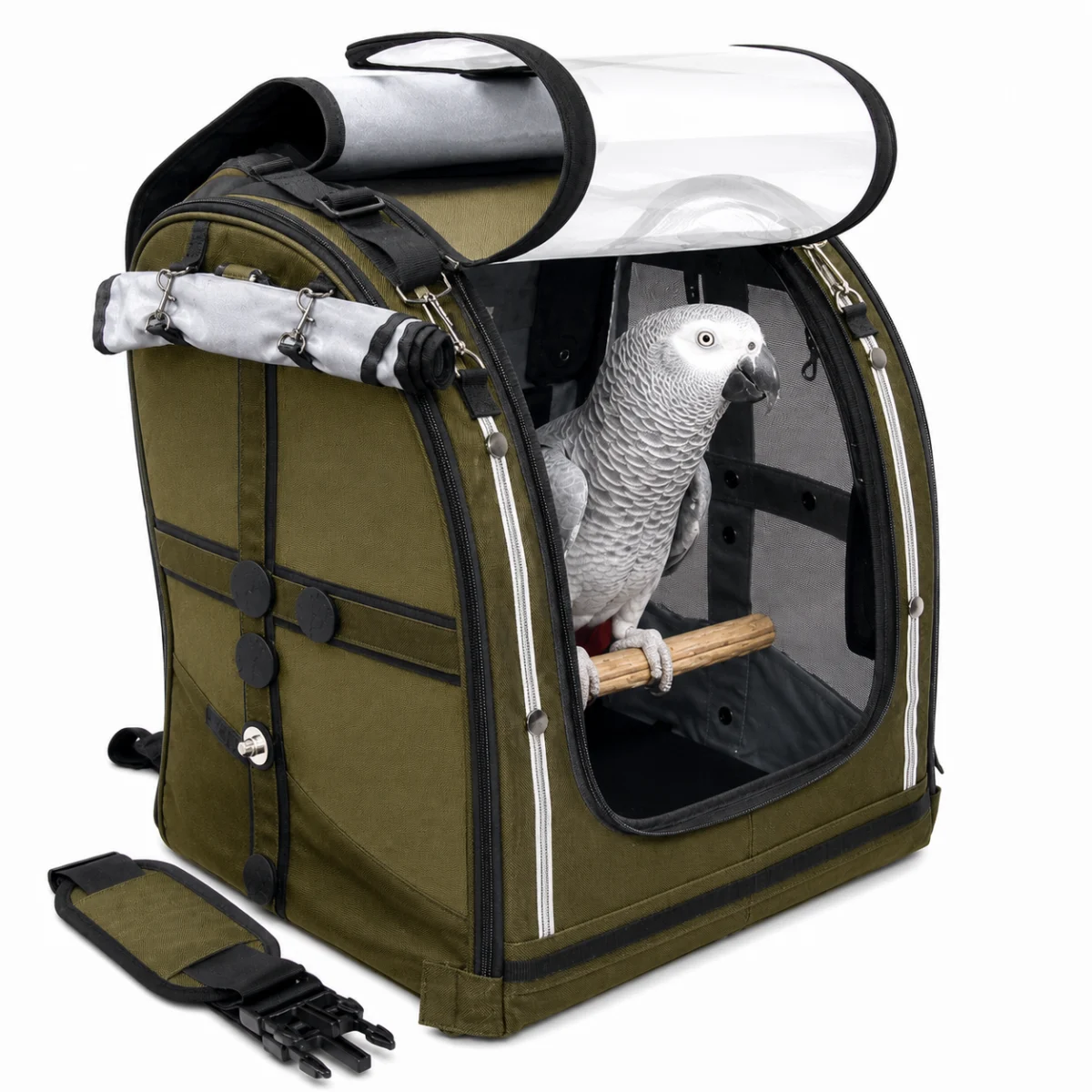
- Transport: Use a secure, familiar carrier. Stress can exacerbate the effects of a toxin, so keeping the bird calm and stable during transport is critical.
Data and Implications
According to the Merck Veterinary Manual and various avian specialty resources, the vast majority of avian poisoning cases are preventable. Statistical trends suggest that incidents are most frequent during spring cleaning or home renovation projects, when chemicals, dust, and hidden materials (like lead paint) are disturbed.
The broader implication for the pet industry is a growing demand for "avian-safe" certification. As owners become more educated, there is a shift toward natural cleaning alternatives—such as vinegar and baking soda solutions—and a rejection of mass-produced, metal-heavy bird toys.
Expert Perspectives
Veterinarians and behaviorists, such as those advocating for the adoption of science-backed wellness supplies, argue that the goal is not to live in fear, but to curate a "hardened" environment. This involves rigorous vetting of all items entering the home, from the air quality in the kitchen to the materials used in play structures.

The prevention of bird poisoning is an ongoing process of environmental management. By understanding that a bird’s anatomy makes it the "canary in the coal mine" for home safety, owners can make informed decisions that extend the lifespan and quality of life of their pets. Proactive measures, such as installing high-quality air filtration systems, choosing stainless steel or powder-coated cages, and maintaining a strict, non-toxic diet, serve as the most effective insurance against the accidental tragedies that plague the avian community.
In summary, the health of a pet bird is inextricably linked to the purity of its surroundings. As we continue to introduce new chemical compounds and synthetic materials into our homes, the responsibility of the owner to act as a barrier between these hazards and their bird becomes increasingly vital. Vigilance, education, and immediate access to professional veterinary care remain the cornerstones of safe avian ownership.

