


The welfare of domestic rats (Rattus norvegicus) has seen a significant evolution over the past three decades as veterinary medicine and small-mammal husbandry practices have advanced. Despite this progress, many pet owners continue to rely on antiquated care standards that fail to meet the complex biological and social needs of these intelligent rodents. Research into small pocket pets indicates that improper housing, substandard nutrition, and a lack of preventative veterinary care remain the primary drivers of morbidity and mortality in domestic rat populations. Understanding these common errors is essential for owners who wish to improve the longevity and quality of life of their animals.
Historical Context and Evolution of Husbandry
During the 1990s and early 2000s, the pet industry frequently marketed inadequate supplies for rats, including small glass aquariums and cedar or pine shavings. Modern veterinary studies have since established that these environments are detrimental to respiratory health. Pine and cedar bedding, for instance, contain phenols and aromatic hydrocarbons that can trigger chronic respiratory irritation. Furthermore, the shift in public perception—from viewing rats as "disposable" pets to recognizing them as highly social, intelligent companions—has necessitated a reevaluation of standard care practices. Today, organizations such as the Rat Guide and various exotic animal veterinary associations emphasize that rats are complex creatures requiring significant environmental enrichment and consistent, specialized medical oversight.

1. The Hazard of Misinformation and Unverified Resources
The primary obstacle to modern rat care is the proliferation of anecdotal advice online. While social media platforms and influencer-driven content have increased the visibility of pet rats, they have also created a breeding ground for outdated husbandry practices. Experts advise that owners prioritize peer-reviewed information and guidance from exotic-animal veterinarians over unverified web forums.
The reliance on Artificial Intelligence (AI) for veterinary advice also presents a substantial risk. AI models often aggregate data without context, failing to distinguish between historical myths—such as the efficacy of certain home remedies—and current medical consensus. For example, while early literature might have suggested basic diet protocols, modern veterinary nutritionists now advocate for strictly balanced lab blocks supplemented with specific, nutrient-dense produce to prevent obesity and nutritional deficiencies.
2. Standards for Housing and Ventilation
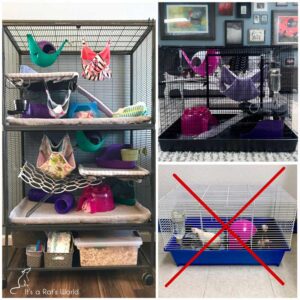
Housing remains the most critical factor in a rat’s physical well-being. A 10-gallon aquarium, often sold as a "starter kit," is now considered scientifically unsuitable due to poor air circulation. High ammonia levels, caused by the buildup of waste in stagnant air, are a leading cause of Mycoplasma pulmonis—a common, chronic respiratory disease in rats.

Data suggest that rats require multi-level, well-ventilated wire cages that allow for vertical movement. Proper cage dimensions are calculated based on the number of inhabitants, with resources like the Midlands Rat Club’s cage calculator serving as a standard reference. Additionally, the interior of the cage must be designed to prevent "bumblefoot" (ulcerative pododermatitis), a condition caused by standing on wire flooring or abrasive surfaces. Covering these areas with fleece or solid substrates is a mandatory preventive measure.
3. Sanitation and Respiratory Health
The respiratory system of a rat is exceptionally sensitive to environmental pollutants, including dust, smoke, and, most notably, ammonia. A study conducted by veterinary researchers indicates that a lack of consistent sanitation directly correlates to the severity of respiratory infections. Owners are encouraged to maintain a strict cleaning schedule, utilizing pet-safe disinfectants. Furthermore, the choice of litter is paramount; while crushed walnut shells are a popular option, they must be heat-treated (frozen for 24–48 hours) prior to use to eliminate potential mite infestations, which are a common parasitic issue in domestic rodents.
4. Nutritional Requirements and Obesity
Dietary mismanagement is a frequent contributor to early-onset illness. Many commercial mixes are high in fat and sugar, which can lead to obesity and metabolic disorders. Veterinary nutritionists emphasize that the bulk of a rat’s diet should consist of a high-quality, balanced lab block specifically formulated for rats, rather than seed-based mixes which allow for "selective feeding" (picking out only the tastiest, often least nutritious, morsels).
The practice of feeding "human" scraps, such as fried foods or sugary treats, is discouraged. While occasional, small portions of fresh fruits and vegetables are beneficial, they must be balanced against the caloric intake of the staple diet. Excessive feeding of treats, even those deemed "healthy," can disrupt the nutritional balance and contribute to tumor development, which is statistically prevalent in domestic rat lines.
5. Mental Stimulation and Physical Activity
Rats are highly active, inquisitive animals that require daily mental and physical engagement. A sedentary lifestyle in a cage often leads to behavioral issues, including cage-biting, depression, and destructive tendencies. Experts recommend at least one to two hours of supervised "free-range" time outside the cage daily. During this time, the environment should be "rat-proofed"—removing electrical cords, poisonous plants, and access to small crevices where a rat could become trapped. Enrichment tools, such as puzzles, tunnels, and foraging toys, are essential for maintaining cognitive health.
6. Anatomical Awareness: The Tail
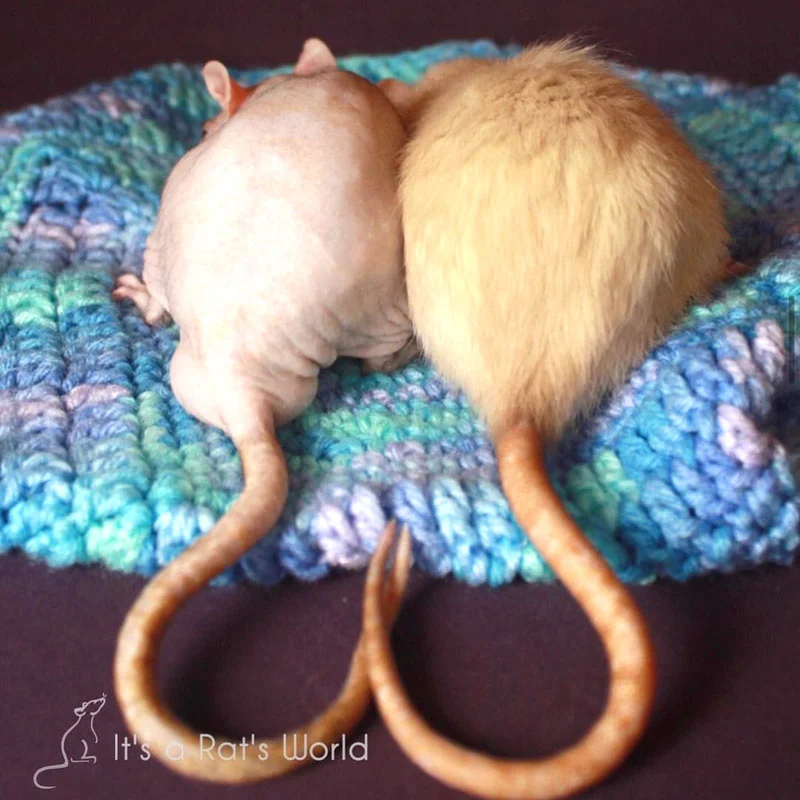
There is a common misconception that a rat’s tail is a sturdy appendage that can be used for lifting or restraining the animal. Anatomically, the tail is an extension of the spine and is highly sensitive. It contains delicate blood vessels and cartilage. Pulling or grabbing a rat by the tail can cause skin degloving or permanent nerve damage. Proper handling involves supporting the rat’s entire body from underneath, ensuring the tail is never used as a handle or a means of retrieval.

7. Financial Preparedness and Veterinary Access
The financial commitment required for rat ownership is often underestimated. As rats age, they are prone to specific health issues, including mammary tumors, respiratory flare-ups, and pituitary tumors. Veterinary care for exotic animals is often more expensive than for cats or dogs due to the specialized knowledge required.
Recent industry reports indicate that veterinary costs have risen by approximately 60% since 2014. Prospective owners should establish a "rat-specific" emergency fund and, crucially, identify a veterinarian who specializes in small mammals before an emergency occurs. Many general-practice clinics do not have the equipment or expertise to treat rats, leading to significant delays in care during critical health events.
8. Senior Care and Assisted Living
The lifespan of a domestic rat is typically two to three years. As they enter their senior years, usually around 18–24 months, their needs change significantly. Owners must adjust the cage environment to accommodate declining mobility. This includes adding extra ramps, moving food and water to lower, more accessible levels, and providing soft, cushioned bedding. Monitoring for signs of pain—such as squinting eyes, hunched posture, or changes in grooming habits—is vital. Early intervention with anti-inflammatory medication or antibiotics, as prescribed by a veterinarian, can significantly improve the quality of a senior rat’s remaining life.

9. Social Structure and Isolation
Rats are obligate social animals. The historical practice of keeping a "singleton" rat is now largely regarded as a welfare failure. Without the companionship of their own kind, rats often suffer from severe psychological distress, which can manifest as lethargy, aggression, or a weakened immune system. Providing a "mischief" (a group of rats) is necessary for their social development and emotional stability. Introductions should be handled slowly and in neutral territory to prevent territorial fighting.
10. Long-Term Commitment and Routine
Consistency is the cornerstone of rat husbandry. These animals thrive on predictable routines. Establishing fixed times for feeding, cleaning, and social interaction allows the animals to feel secure in their environment. The failure to maintain a consistent routine is often cited by rescue organizations as a reason for behavioral decline.
The decision to adopt rats should be treated with the same seriousness as adopting any other companion animal. It requires an investment of time, resources, and emotional energy. By addressing these ten areas of concern, owners can move away from the pitfalls of amateur care and toward a professional, science-backed approach that ensures their rats live the healthiest, most fulfilling lives possible.

