


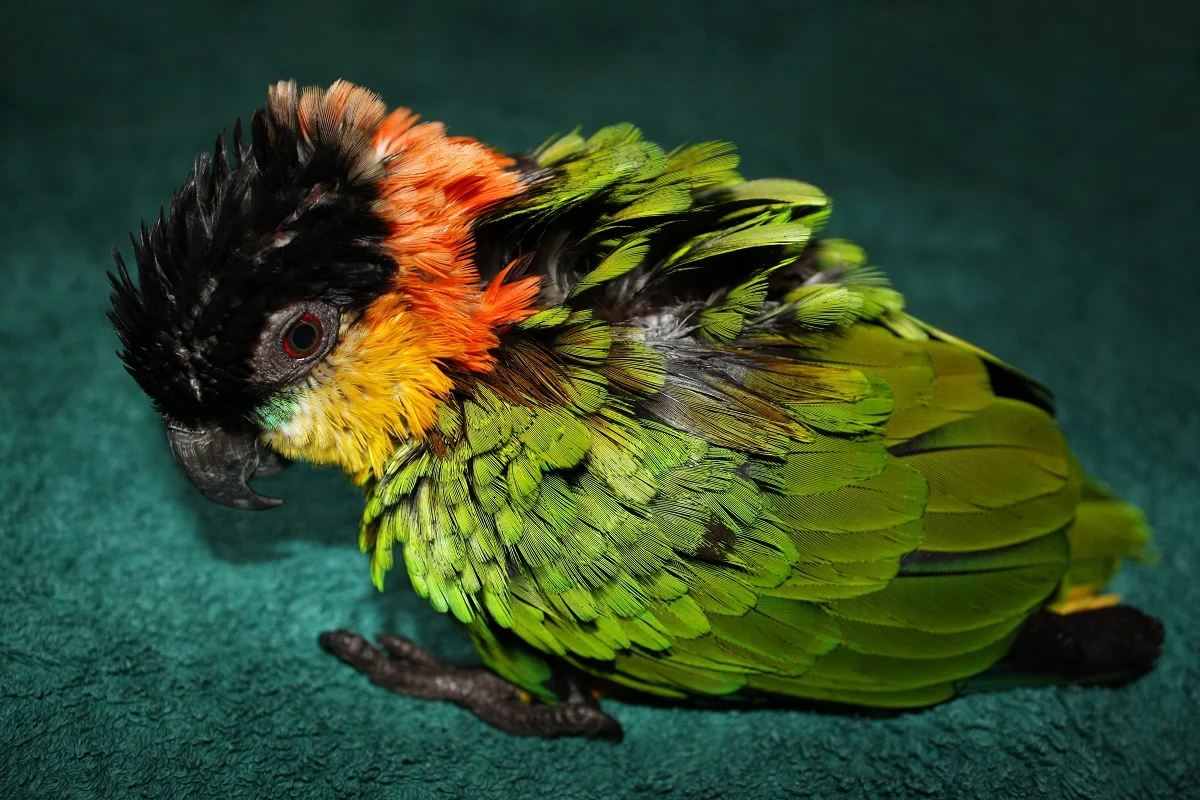
For owners of companion parrots, a sudden medical emergency represents one of the most stressful and time-sensitive challenges in animal husbandry. Because avian physiology is remarkably fragile and inherently designed to mask vulnerabilities, proper pre-emergency preparation, rapid symptom recognition, and immediate stabilization protocols frequently dictate whether a bird survives a critical incident. Avian veterinarians and wildlife conservation organizations emphasize that standard domestic pet protocols are frequently inadequate when applied to psittacine species, necessitating specialized knowledge and tailored first-aid infrastructure within the household.
Understanding Avian Vulnerability and the Imperative for Prevention
To contextualize the necessity of emergency readiness, experts point to the evolutionary biology of parrots. In natural habitats, psittacine species are prey animals. Consequently, they have developed a strong biological imperative to conceal signs of illness, weakness, or pain. By masking symptoms of disease or injury, a wild parrot reduces its likelihood of being targeted by avian or mammalian predators.
In a domestic setting, however, this survival mechanism presents a severe hazard to veterinary care. By the time a companion parrot exhibits overt signs of illness—such as sitting at the bottom of the cage, fluffing its feathers, or displaying a drooping head—the underlying condition is often at an advanced, highly critical stage. According to clinical data compiled by avian veterinary specialists, systemic illnesses and traumatic injuries in birds can escalate from minor physiological stress to fatal systemic collapse within a matter of hours.
Financial planning and preventative logistics form the first line of defense. Veterinary medicine experts strongly advise owners to establish an exclusive emergency medical fund or secure specialized pet insurance prior to acquiring a bird. Diagnostic testing, hospitalization, oxygen therapy, and intravenous interventions for avian species frequently incur substantial veterinary expenses. Furthermore, owners are urged to identify, vet, and formally register with a qualified avian specialist—as opposed to a general canine and feline practitioner—before an incident occurs. Having an avian veterinarian’s direct contact details programmed into communication devices eliminates crucial minutes of hesitation during a crisis.
Environmental Safety Protocols and Household Hazard Mitigation
Statistical analysis of domestic avian injuries indicates that a vast majority of medical emergencies stem from preventable household accidents. Highly intelligent and endlessly curious, companion parrots regularly explore their environments with their beaks, placing them at continuous risk of trauma or toxic ingestion.
Common household hazards include exposure to heavy metals (such as lead and zinc found in older construction materials or unverified cage wire), ingestion of toxic houseplants (including popular decorative flora like Dieffenbachia and lilies), inhalation of polytetrafluoroethylene (PTFE) fumes emitted by overheated non-stick cookware, and traumatic collisions with glass windows or mirrors. Furthermore, unmonitored interaction with other household pets, such as dogs and cats, represents a leading cause of fatal bite trauma in companion birds.
To mitigate these risks, avian welfare organizations advocate for strict "parrot-proofing" of living spaces. This methodology requires ensuring that all windows and exterior doors are secured with appropriate screens, designated flight or interaction zones are cleared of hazardous chemicals and electric cables, and secondary pets are strictly segregated from the avian living area. Additionally, inspection of the bird’s primary enclosure is vital. Toys constructed with unsafe hardware, deteriorating cotton ropes, or toxic dyes can cause crop impactions, heavy metal poisoning, or entanglement injuries if not systematically monitored and replaced.
Assembling a Specialized Avian First Aid Kit
When preventive measures fail, immediate access to specialized medical supplies can stabilize an injured bird during transit to a clinical facility. Standard human first aid kits are frequently inadequate and, in some cases, dangerous when used on birds. A dedicated avian first aid kit should be assembled and stored in a clearly marked, easily accessible location known to all members of the household.

Core components of an avian first aid kit include:
- Styptic powder or specialized blood-clotting agents to halt hemorrhaging from broken blood feathers or superficial lacerations.
- Sterile medical gauze and non-adherent wound dressings.
- Medical tape and blunt-tipped surgical scissors.
- Unflavored electrolyte and rehydration sachets formulated for avian use.
- Disposable oral feeding syringes of various capacities.
- A secure, well-ventilated transport carrier lined with clean paper towels to facilitate easy monitoring of droppings and exudate.
- A reliable, low-heat electronic heating pad or microwave-safe thermal disk designed to provide controlled supplemental warmth.
Clinical Insights: Blood Volume and Physiological Thresholds
A critical factor in avian emergency medicine is understanding the sheer scale of a bird’s circulatory vulnerability. According to Dr. Daisy May, a resident veterinary practitioner specializing in psittacine care, an adult parrot’s total blood volume accounts for approximately 10 percent of its total body weight.
To illustrate this physiological constraint, a standard 100-gram cockatiel possesses a total blood volume of roughly 10 milliliters. Clinical thresholds indicate that an animal can safely lose only a fraction of this total volume before entering hypovolemic shock. For the 100-gram cockatiel, the loss of a mere 1 milliliter of blood—equivalent to a single broken blood feather left unmanaged—crosses the threshold from manageable injury to a life-threatening medical emergency. Consequently, time management during a hemorrhage is paramount.
Symptom Recognition and Diagnostic Indicators
Recognizing the subtle deviations from a bird’s baseline behavior is essential for early intervention. Owners must conduct daily observations of posture, vocalizations, appetite, and excrement consistency.

According to guidelines established by avian medical networks, symptoms requiring immediate telephone consultation with a veterinarian include:
- A sudden, unexplained decrease in food or water consumption.
- Mild lethargy or decreased responsiveness to environmental stimuli.
- Changes in fecal output, such as persistent watery droppings (distinguishing true diarrhea from polyuria caused by high-moisture foods like fruits, or evaluating discolored urates influenced by pigmented vegetables such as beets).
- Mild feather-picking or localized preening alterations.
Conversely, indicators of an acute, life-threatening emergency that necessitate immediate transit to a veterinary clinic—often while communicating with the medical staff en route—include:
- Open-mouth breathing, tail bobbing, or audible respiratory clicks and wheezes, indicating severe respiratory distress or hypoxia.
- Complete unresponsiveness, lethargy, or the inability to maintain an upright perching posture, frequently resulting in the bird collapsing to the floor of the cage.
- Neurological deficits, such as a head tilt, loss of balance, tremors, or seizure activity.
- Active, uncontrolled hemorrhage from any site, or deep lacerations penetrating body cavities.
- Persistent vomiting or forceful regurgitation accompanied by lethargy.
Immediate Stabilization Protocols While Awaiting Veterinary Care
When an owner is unable to reach a veterinary facility instantly—due to geographic transit times or clinic availability—implementing basic emergency first aid is required. The primary objectives during this interim period are stopping hemorrhage, mitigating shock, maintaining core body temperature, and addressing critical fluid deficits.
Step 1: Hemorrhage Control
For superficial bleeding or a ruptured blood feather, the application of styptic powder combined with gentle, direct pressure using sterile gauze for several minutes is standard protocol. However, if a wound penetrates the abdominal or thoracic cavity, styptic powder must be avoided entirely. Instead, continuous, gentle pressure with clean gauze should be maintained throughout transit to the hospital.
When applying pressure to a bird’s torso, extreme caution must be exercised to avoid restricting chest expansion. Unlike mammals, birds lack a diaphragm and rely entirely on the expansion and contraction of their sternum and rib cage to ventilate their lungs. Restricting this mechanical movement can result in rapid asphyxiation.

Step 2: Shock Mitigation, Isolation, and Thermal Support
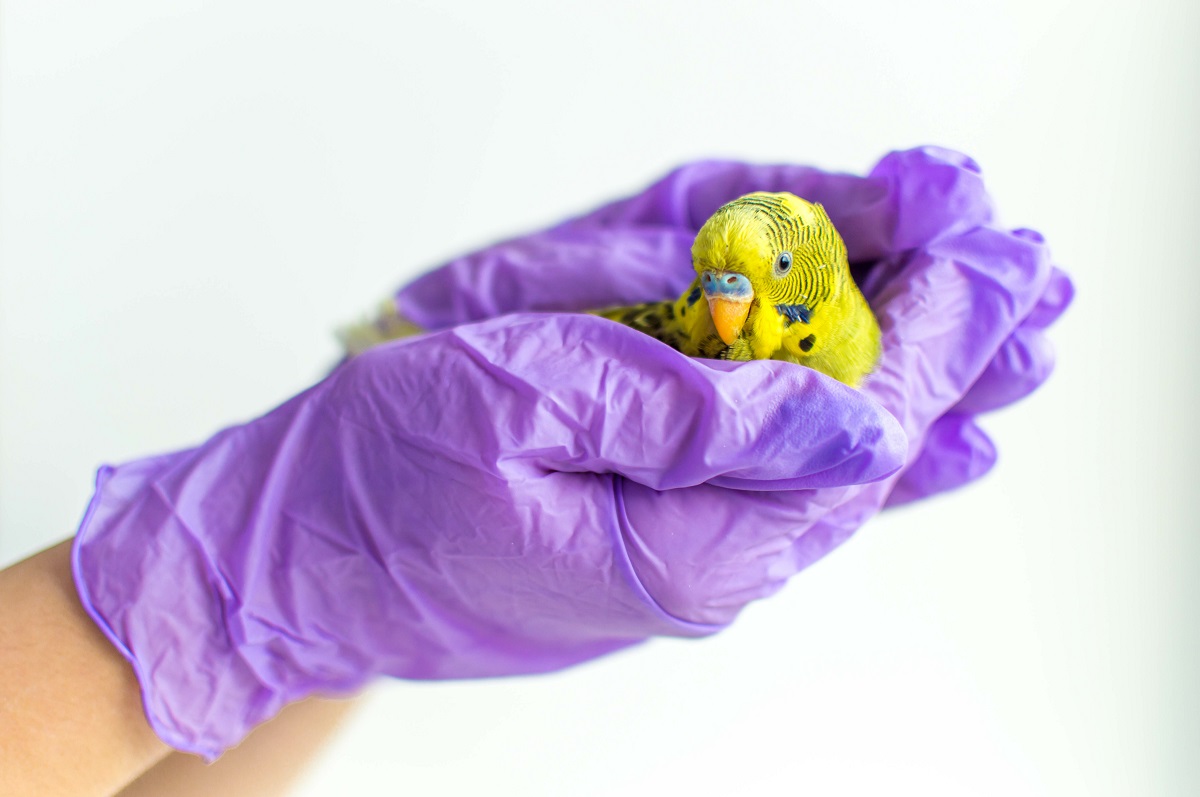
Severe trauma and systemic illness invariably induce profound shock in avian species. Clinical handling should be minimized to the absolute minimum necessary for safety and transport, as excessive physical manipulation can trigger fatal cardiac arrest in a compromised bird.
Furthermore, sick or injured parrots frequently lose the ability to regulate their internal body temperature, predisposing them to hypothermia. An ambient temperature of approximately 85 degrees Fahrenheit (29 degrees Celsius) is clinically recommended for stabilizing injured or shocked psittacines. This can be achieved by placing the bird inside a designated transport carrier lined with paper towels, introducing a wrapped, microwave-safe heating pad or thermal disk beneath one side of the enclosure, and draping a dark cloth over the carrier to reduce visual stimuli and promote a calming environment.
Step 3: Fluid Management and Rehydration
Dehydration frequently accompanies systemic illness, vomiting, or acute trauma. Assessing hydration status can be performed by evaluating the refill time of the basilic wing vein, visible as a prominent linear vessel running across the internal elbow joint of the wing. Digital compression of this vein should result in an immediate capillary refill upon release; a refill time exceeding two seconds indicates moderate to severe dehydration requiring immediate parenteral fluid administration by a professional.
For mildly dehydrated birds that remain alert and capable of swallowing, oral rehydration solutions prepared from first-aid kit sachets can be offered cautiously via a teaspoon or syringe. Fluids must be gently warmed to match the bird’s internal body temperature to prevent thermal shock.
Experts issue a strict warning regarding forced oral fluid administration: unless an owner has received hands-on training from a licensed avian veterinary professional, attempts to syringe fluids directly into the back of an uncooperative bird’s throat should be avoided. The anatomical proximity of the glottis—the entrance to the avian windpipe—creates an exceptionally high risk of pulmonary aspiration, wherein fluid enters the respiratory tract and causes immediate suffocation or secondary pneumonia.
Broader Implications and Veterinary Consensus

The overarching consensus within the global veterinary community is that effective emergency management for companion parrots relies heavily on proactive preparation rather than reactive measures. Because avian patients possess minimal physiological reserves to withstand trauma, blood loss, or metabolic failure, the time elapsed between symptom onset and professional medical intervention remains the single most critical determinant of survival.
Veterinary organizations continue to advocate for expanded educational outreach to private parrot owners, emphasizing that routine bi-annual health evaluations, rigorous environmental hazard assessments, and the maintenance of a fully stocked avian first aid kit are foundational responsibilities of modern animal stewardship. Through systematic preparedness, owners can significantly improve clinical outcomes and safeguard the health and longevity of their avian companions.

