


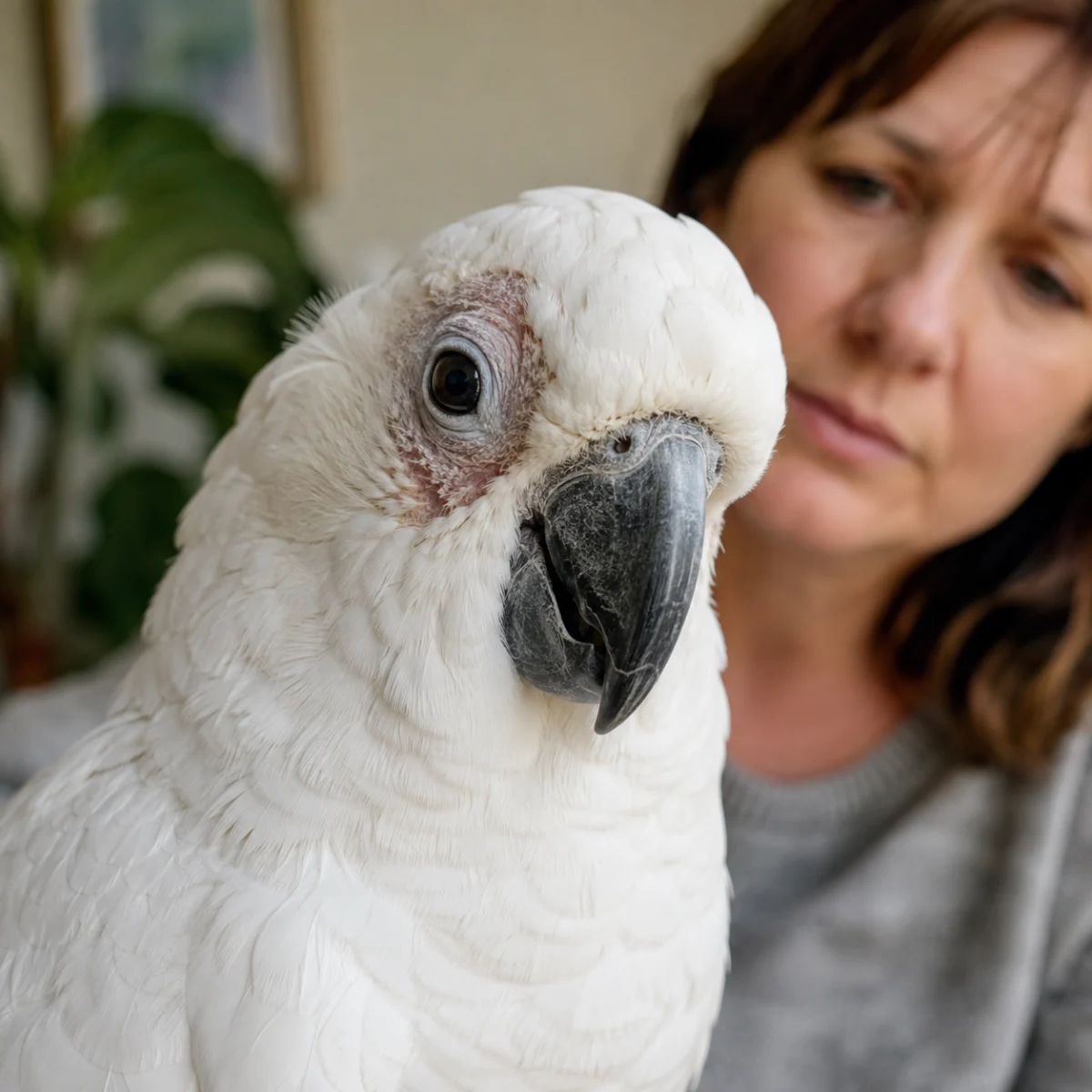
Observing a patch of thinning feathers or a localized bald spot around a companion parrot’s eye can be a source of significant concern for bird owners. While these instances often lead to immediate apprehension, understanding the biological, behavioral, and environmental triggers is essential for providing appropriate care. Identifying whether the condition stems from a natural physiological process, such as a seasonal molt, or an underlying medical issue requires a systematic approach to observation, documentation, and, when necessary, professional veterinary intervention.
The Physiology of Avian Molting
Molting is an essential biological process where birds shed old, worn feathers to make room for new growth. In many psittacine species, this is a cyclic event influenced by photoperiod—the length of daylight—and hormonal shifts. During a standard molt, the facial area may appear slightly sparse because the feathers in this region are diminutive and densely packed. When these feathers are shed, even minor gaps can create the visual illusion of a significant bald spot.
In a healthy, routine molt, the skin beneath the feathers should appear supple and free of inflammation. The presence of pin feathers—the keratin-sheathed, developing feathers—serves as a primary indicator that the follicles are functioning correctly. These pin feathers, often referred to as "blood feathers" due to their vascular supply during development, should emerge uniformly, eventually replacing the lost plumage without complication. If the bird remains active, maintains a healthy appetite, and shows no signs of lethargy, the thinning is likely a temporary, benign phase of the bird’s life cycle.
Distinguishing Pathological Feather Loss
When feather loss deviates from the standard molting pattern, it is categorized as abnormal or pathological. Unlike a healthy molt, which is self-limiting and symmetrical, pathological feather loss often presents as an expanding, irregular, or recurring bald patch.
Clinical data suggests that when a bird repeatedly loses feathers in the same localized area, the issue is rarely a simple hormonal cycle. Instead, it often points to mechanical trauma or physiological distress. If the area surrounding the eye appears crusty, inflamed, or if the eye itself displays discharge or excessive blinking, the bird may be suffering from an ocular or sinus-related condition. Because a bird’s infraorbital sinuses are located immediately adjacent to the eye, infections—whether bacterial, fungal, or viral—can manifest as ocular irritation, causing the bird to rub its face against cage bars, perches, or toys. This behavior exacerbates the feather loss, creating a cycle of trauma and inflammation that prevents natural regrowth.
The Impact of Environmental and Behavioral Factors
Beyond biological health, behavioral triggers play a significant role in localized feather loss. In multi-bird households, "overpreening" or "barbering" is a frequently documented phenomenon. While mutual preening is a vital social behavior that reinforces pair bonds, one bird may become overly enthusiastic, persistently focusing on the same area of a companion’s face. This leads to broken shafts and removed feathers, which can leave the skin vulnerable to secondary infections.
Furthermore, environmental factors, including the lack of proper bathing opportunities or low humidity, can cause skin to become dry and itchy. A bird may attempt to alleviate this discomfort by scratching with its foot, which, while more common on the neck or head, can inadvertently damage the delicate skin and feather follicles around the eyes. Monitoring the bird’s interaction with its cage mates and its self-grooming habits provides critical data for diagnosing the source of the distress.
Nutritional Implications for Feather Quality
The role of nutrition in avian integumentary health is a subject of ongoing study in veterinary science. While diet is rarely the sole cause of a single, isolated bald patch, long-term nutritional deficiencies can leave a bird more susceptible to skin and follicle issues.
Many companion parrots, particularly those kept on a strictly seed-based diet, are at risk of subclinical vitamin A deficiency. Vitamin A is crucial for the maintenance of epithelial tissues, including the skin, the lining of the sinuses, and the conjunctiva of the eye. A deficiency can lead to keratinization of these tissues, making the skin around the eyes more prone to irritation and infection. While supplementation should only be performed under the guidance of a licensed avian veterinarian, incorporating a balanced, formulated diet supplemented with beta-carotene-rich vegetables—such as steamed carrots, sweet potatoes, and dark leafy greens—is widely considered the standard for maintaining long-term health.
Diagnostic Criteria and Veterinary Intervention
For bird owners, the decision to seek veterinary care often hinges on the observation of "red flag" symptoms. According to avian veterinary guidelines, owners should consult a professional if they observe:
- Physical Changes to the Eye: Tearing (epiphora), swelling of the eyelids, squinting, or the presence of ocular discharge.
- Skin Integrity: Visible redness, weeping, crusting, or the formation of sores in the bare patch.
- Behavioral Red Flags: A noticeable reduction in appetite, lethargy, persistent sneezing, nasal discharge, or the bird keeping the eye closed for extended periods.
- Progression: A bald spot that shows no signs of pin feather growth after several weeks or an area that continues to expand despite stable environmental conditions.
Veterinarians typically employ a diagnostic protocol that begins with a physical examination, often using magnification to assess the follicles. In cases where infection is suspected, swabs may be taken to check for bacterial or fungal pathogens. If mites are suspected—though statistically uncommon in most pet parrots—a skin scraping or feather pulp test may be performed. It is critical to note that the application of over-the-counter mite sprays or home remedies is strongly discouraged, as many of these products contain chemicals that are toxic to birds and can cause severe ocular damage.
Chronology of Assessment
To assist a veterinarian in reaching an accurate diagnosis, owners are encouraged to maintain a "health log."
- Day 1–3: Document the initial discovery. Take high-resolution photographs to establish a baseline.
- Day 4–7: Observe the bird for frequency of rubbing or scratching. Note if the bird appears to favor one eye or if the other eye remains unaffected.
- Day 8–14: Assess if the area is growing. If new pin feathers are appearing, the area is likely healing. If the area remains bare or becomes red, contact a veterinarian.
Broader Impact and Conclusion
The occurrence of facial feather loss serves as a barometer for a bird’s overall welfare. While an isolated patch of thin feathers may be a benign, seasonal occurrence, it is also a potential indicator of deeper systemic or environmental issues. The modern approach to avian care emphasizes a "whole-bird" perspective, where nutrition, social environment, and husbandry are viewed as interconnected components of health.
For the concerned owner, the most effective strategy remains calm observation followed by informed action. By differentiating between the natural progression of a molt and the indicators of discomfort—such as inflammation or behavioral changes—owners can ensure their birds receive timely and appropriate treatment. In the context of veterinary medicine, early intervention remains the most reliable path to preventing chronic damage to the feather follicles and ensuring the bird’s long-term comfort and vitality. While feathers can often grow back following the resolution of a primary issue, the preservation of the underlying skin and the health of the ocular structures must always remain the priority. When in doubt, consultation with an avian specialist provides the necessary clinical assurance to safeguard the health of the companion animal.

