


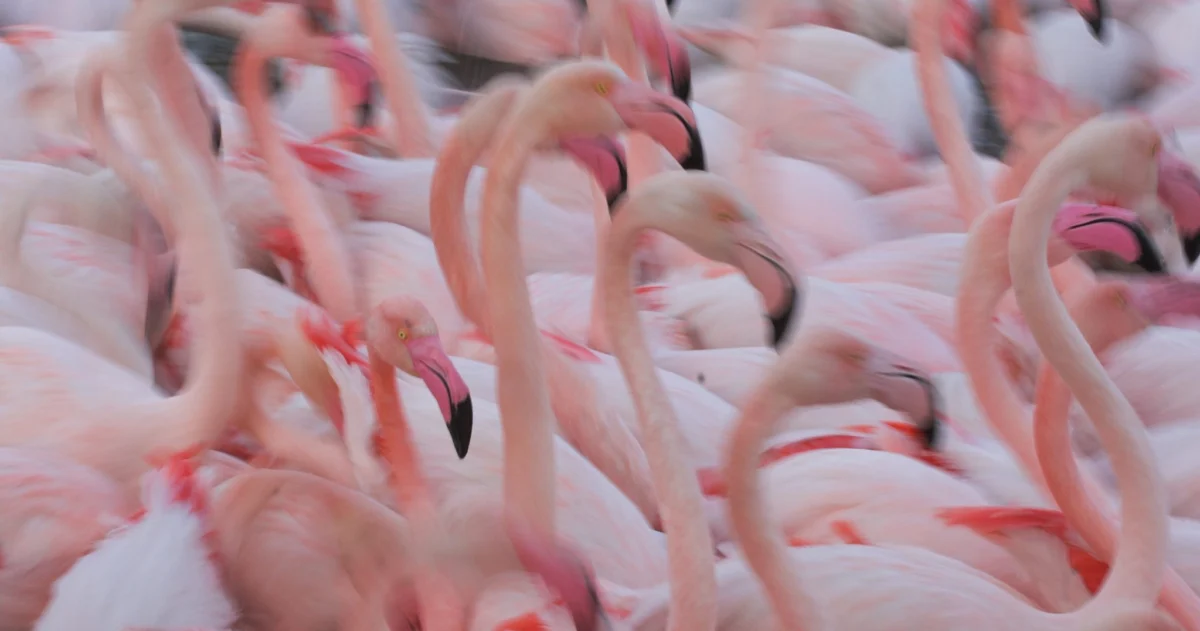
The Pishë Poro-Nartë protected landscape, a sprawling mosaic of wetlands, dunes, and forests along the Adriatic coast, has become the epicenter of a high-stakes confrontation between environmental preservationists and the Albanian government. This coastal stretch, a vital component of the wider Vjosa Delta—often referred to as Europe’s last wild river system—serves as a critical habitat for more than 200 bird species and over 70 globally endangered species. As a pivotal stopover on the Adriatic Flyway, the region is essential for migratory birds traveling between Africa and Europe. However, since early May, this ecological sanctuary has been thrust into a state of precarious uncertainty, transformed from a protected heritage site into a flashpoint for national debate.
The Chronology of Conflict
The controversy began in early May when heavy construction machinery appeared within the protected perimeter of the Vjosa Delta. Government officials initially characterized the presence of the equipment as a "technical survey" intended to facilitate a preliminary environmental impact assessment. This narrative, however, was quickly undermined by the physical reality on the ground.
Within days of the machinery’s arrival, the primary channel connecting the Narta Lagoon to the Adriatic Sea was effectively sealed. This critical artery is the lifeblood of the ecosystem, regulating the lagoon’s salinity levels and ensuring the oxygenation necessary for the survival of the aquatic food chain. The blockage posed an immediate threat to the region’s biodiversity, including the nesting grounds of Dalmatian pelicans and the feeding habitats of Greater Flamingos.
As the channel remained obstructed, local activists and environmental scientists raised alarm, noting that the destruction of wetlands and dunes—which represent three EU-designated "priority" habitat types—would necessitate years, if not decades, of restoration efforts. By mid-May, local residents, frustrated by the lack of transparency and the perceived illegality of the works, attempted to halt the operations. These efforts were met with the deployment of private security personnel and the installation of barbed wire, leading to intense confrontations that were documented and circulated internationally. By the final week of May, these localized tensions culminated in nightly protests in Tirana, signaling a transition from a regional environmental dispute to a broader national movement.
The Legislative Catalyst: Law 2024
At the center of this administrative standoff is a legislative amendment passed in 2024 that permits the development of luxury tourism infrastructure within previously protected areas. This shift in domestic policy has placed Albania in direct opposition to established European Union environmental directives, specifically the Habitats Directive and the Birds Directive, which provide the framework for the Natura 2000 network.
The European Union’s reaction was swift. Officials in Brussels have consistently signaled that the alignment of Albanian law with the acquis communautaire is a non-negotiable benchmark for the country’s ongoing EU accession process. On June 17, the European Parliament issued a formal resolution backing the protesters and calling for an immediate moratorium on all construction permits within protected areas until the controversial legislation is repealed. This move has transformed the Vjosa-Narta dispute into a litmus test for the Albanian government’s commitment to EU integration. The question remains: can the administration balance the allure of short-term foreign direct investment in luxury resorts against the long-term geopolitical and ecological requirements of EU membership?
Ecological Significance and Economic Paradox
The Vjosa-Narta landscape is not merely a regional park; it is a globally significant ecological asset. According to data from the Mediterranean Wetlands Initiative (MedWet), coastal lagoons are among the most productive ecosystems on Earth, providing essential services such as carbon sequestration, water filtration, and natural flood mitigation.
Economic analysts observing the situation have noted a distinct tension between two competing visions of development. The government’s pursuit of "high-end tourism" aims to monetize the coastline through large-scale infrastructure projects. Conversely, environmental economists argue that the long-term economic value of the delta—derived from eco-tourism, sustainable fisheries, and natural coastal protection—far outweighs the transient gains of seasonal luxury resorts.
"The destruction of a functional ecosystem for a development project is often an act of economic self-sabotage," noted a representative from a regional environmental monitoring group. "Once the biodiversity of the Narta Lagoon is compromised, the very ‘natural beauty’ that the luxury resort intends to sell is permanently diminished."
Official Responses and Public Distrust
The Albanian government has maintained that its actions are intended to stimulate economic growth and modernize the nation’s tourism infrastructure. However, the lack of a transparent environmental impact assessment (EIA) prior to the arrival of heavy machinery has severely eroded public trust.
Critics point to the "gap between rhetoric and reality." While official statements emphasize sustainable development, the on-site actions—such as the blockage of the lagoon’s water supply—suggest a disregard for the scientific consensus on habitat preservation. Furthermore, the use of private security to suppress public opposition has drawn criticism from civil society organizations, who argue that the state is prioritizing private interests over the public’s right to oversee national heritage.
Implications for Albania’s Future
As the standoff enters its fourth month, the implications are becoming increasingly clear. The Vjosa-Narta conflict serves as a microcosm of the challenges faced by many Balkan nations as they navigate the transition from state-led or oligarchy-driven development to the transparent, rule-of-law-based governance required by the European Union.
- Environmental Governance: The failure to adhere to environmental regulations threatens to stall Albania’s path toward EU membership. The European Commission’s upcoming progress reports are expected to focus heavily on the state’s ability to protect its natural resources.
- Social Stability: The continued protests in Tirana demonstrate a growing public consciousness regarding environmental rights. The government’s inability to resolve the situation has galvanized a coalition of youth activists, scientists, and local community members, creating a political pressure cooker that could influence future elections.
- Regional Precedent: Albania is currently at a crossroads. It can choose to follow the path of some Mediterranean neighbors, who historically prioritized mass tourism at the expense of coastal health, or it can leverage its status as a "wild" destination to pioneer a sustainable, low-impact economic model.
The Path Forward: A Choice of Legacy
The lagoon mouth has, for the time being, been reopened, allowing for the natural flow of water to resume. The flamingos and other migratory species have returned to their feeding grounds. However, these are temporary reprieves. The underlying legal framework that allowed the destruction to commence remains intact.
The conflict has evolved into a question of national identity: What kind of country does Albania wish to present to the global community? The government faces a binary choice. It can continue to defend a development model that sidelines public participation and environmental law, or it can pivot toward a strategy that integrates the protection of the Vjosa Delta into its national economic identity.
The international community, including EU member states and environmental watchdogs, continues to watch the Narta Lagoon closely. For a country that has positioned itself as a rising star in the European tourism market, the preservation of its natural capital is not a hurdle to prosperity; it is the fundamental asset upon which its future reputation will be built. Whether the Vjosa Delta remains a thriving ecosystem or is relegated to a cautionary tale of environmental degradation depends entirely on the policy decisions made in the coming weeks and months. As the protests continue, the silence from the government is becoming increasingly loud, leaving the nation to wonder whether the lessons of the last hundred days will result in lasting policy change or continued confrontation.

