


The intersection of high fashion and animal rights activism became a battleground on September 13, 2026, when a demonstration by People for the Ethical Treatment of Animals (PETA) at the COS runway show during New York Fashion Week (NYFW) turned physical. The incident, which was captured on video and rapidly disseminated across global social media platforms, has reignited intense debate regarding the ethical sourcing of animal-derived textiles, the effectiveness of industry-standard sustainability certifications, and the physical safety of demonstrators and fashion executives alike.
The confrontation highlights a growing friction point within the contemporary fashion landscape. As major labels increasingly market themselves as sustainable, environmentally conscious, and ethically responsible, animal rights organizations are intensifying their scrutiny of supply chains, moving past traditional targets like fur and exotic skins to challenge the widespread use of wool, alpaca, and cashmere.
Chronology of the Confrontation at NYFW
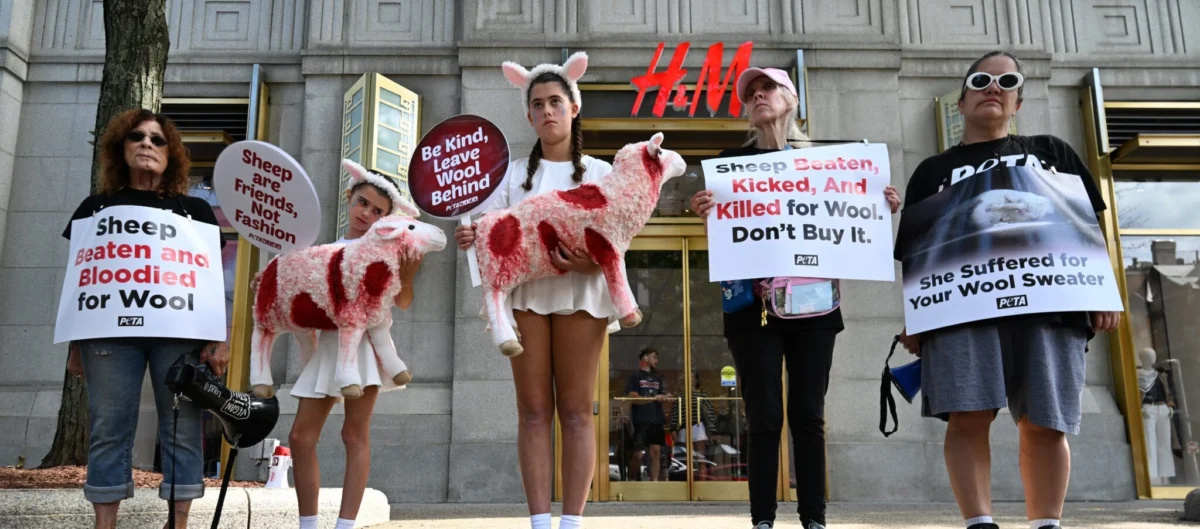
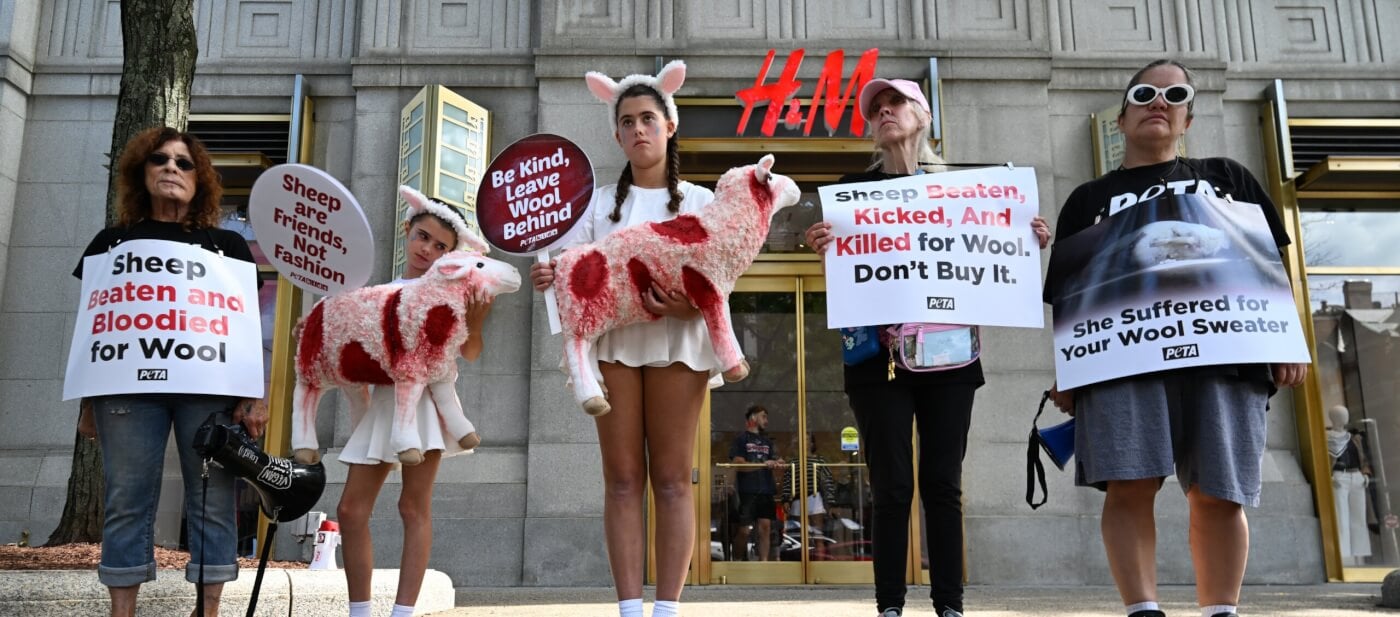
The disruption unfolded during the spring/summer presentation for COS, a contemporary fashion brand owned by the multinational retail conglomerate H&M Group. According to eyewitness accounts and viral video footage, PETA supporters infiltrated the runway space carrying banners and chanting slogans intended to draw attention to the treatment of sheep in the global wool industry.
Within moments of the demonstration beginning, security personnel and high-ranking fashion industry figures intervened. Video footage shows a fashion executive physically restraining one of the activists, pinning her to the floor, wrapping a leg around her lower body, and covering her face and mouth to stifle her chants. Mason Melito, a senior campaigner for PETA who was filming the demonstration, reported that he was subsequently shoved, grabbed, and physically blocked by the same executive while attempting to document the altercation and continue speaking on behalf of the animals.
The physical nature of the response drew immediate condemnation from animal rights advocates, who noted the sharp irony of a fashion event—often framed as a space for cultural expression and progressive ideas—responding to peaceful protest with physical force. While the activists were eventually removed from the venue and released without immediate major criminal charges, the confrontation dominated fashion news cycles throughout the remainder of the week, overshadowing the collections on display and forcing industry leaders to confront uncomfortable questions regarding backstage security and guest conduct.
Broader Context: The Evolution of Anti-Fur and Wool Campaigns
The New York Fashion Week protest did not occur in a vacuum; it represents the latest chapter in a decades-long campaign strategy by PETA and allied organizations targeting the structural foundations of luxury and commercial apparel. For years, activists have utilized high-profile disruptions of runway shows to force designers, buyers, and consumers to acknowledge the animal suffering hidden behind finished garments.
This strategic pressure has historically yielded significant victories for the animal rights movement. Over the past decade, sustained protests, shareholder resolutions, and shifting consumer preferences have prompted a massive exodus from traditional fur. Major global luxury houses and prominent retailers—including Gucci, Prada, Armani, Chanel, Burberry, Michael Kors, Coach, Macy’s, Nordstrom, Saks Fifth Avenue, and Zappos—have implemented comprehensive bans on animal fur. Furthermore, following sustained pressure from tens of thousands of activists and continuous demonstrations, New York Fashion Week itself officially banned the use of animal fur on its official runways.

With fur largely relegated to the margins of mainstream fashion, organizations like PETA have shifted their primary sights toward other animal products, most notably wool. Activists argue that while wool is frequently marketed as a natural, renewable, and humane alternative to synthetic materials, the reality of industrial-scale sheep farming mirrors the cruelty found in other intensive livestock sectors.
Supply Chain Investigations and the Limitations of Certifications
Central to PETA’s recent campaign against brands like COS and H&M is a systemic critique of wool industry certifications. Major fashion retailers frequently rely on third-party certification schemes to assure consumers that the animal products they purchase originate from farms adhering to high welfare standards. However, animal rights investigators argue that these labels function primarily as greenwashing tools that obscure systemic abuse.
PETA entities have conducted 17 separate exposés spanning more than 150 wool-industry operations across eight countries and four continents. Investigators assert that violence, rough handling, and neglect are systemic features of wool production rather than isolated incidents. Crucially, investigations into farms marketed under "ethical" or "responsible" labels have frequently uncovered severe welfare violations.
A prominent example cited by campaigners involves PETA Asia’s investigation into a NATIVA-certified wool operation. Investigators documented workers kicking and stomping on sheep, dragging young lambs violently by their legs, and leaving animals with gaping, untreated shearing wounds. Despite these documented abuses, the farm’s wool was supplied to brokers providing materials to the H&M Group under labels designating the fiber as responsibly sourced. Because COS operates under the H&M umbrella, the revelation placed immediate pressure on the retailer to account for the reliability of its sourcing guarantees.
Industry analysts note that the commercial structure of shearing often incentivizes speed over animal welfare. Shearers are frequently paid by the volume of fleece they harvest rather than hourly wages, creating economic pressure to move rapidly through flocks regardless of the physical toll on individual animals.
Animal Welfare Concerns in Wool Production
To understand the motivations driving runway protests, industry watchdogs point to the biological reality of domesticated sheep and the operational practices of commercial shearing. Sheep are biologically complex, social animals capable of forming strong intra-herd bonds and recognizing individual faces. Ethologists have documented clear signs of acute distress, fear, and panic when sheep are separated from their social groups or subjected to the physical restraint required for shearing.
Domestication has altered sheep physiology so that many modern breeds grow wool continuously without natural cessation, rendering regular shearing a biological necessity to prevent severe health complications such as heat stress, mobility restriction, and parasite infestation. However, the commercial execution of this process is frequently brutal.
During standard shearing procedures, workers routinely pin heavy animals to the floor, twist their limbs into constrained positions, and run high-powered mechanical clippers rapidly across sensitive skin. Investigators have repeatedly documented instances of accidental lacerations left unstitched, rough physical blows delivered to calm resisting animals, and the ultimate disposal of spent breeding ewes and wethers via slaughter when their wool yields decline in profitability.
Industry Implications and Corporate Responsibilities
The September 13 incident at the COS show has forced corporate leadership within the fashion sector to re-evaluate their public relations and security protocols in the face of direct action activism. While industry trade groups such as the Council of Fashion Designers of America (CFDA) work to maintain the prestige and commercial viability of New York Fashion Week, the persistent presence of activists threatens to disrupt the carefully curated image of modern fashion houses.
Corporate sustainability officers face mounting challenges as consumers demand greater transparency. Retailers like H&M Group and subsidiary brands such as COS are caught between conflicting stakeholder demands: maintaining scalable, profitable supply chains utilizing traditional fibers versus adapting to a rapidly growing consumer base that prioritizes vegan, cruelty-free alternatives.
Public relations experts suggest that physical altercations involving fashion executives and demonstrators severely damage brand equity, alienating younger, socially conscious consumers who view ethical treatment of animals as a non-negotiable purchasing criterion. As viral videos of the NYFW altercation continue to circulate, pressure is mounting on corporate executives to issue transparent policy reviews regarding material sourcing rather than relying on heavy-handed security tactics to silence dissent.
The Shift Toward Vegan and Alternative Materials
In response to ongoing activist campaigns, the market for alternative textiles has expanded significantly. Designers and material scientists have collaborated to develop high-performance, sustainable fabrics that replicate the warmth, texture, and drape of wool without utilizing animal byproducts.
Shoppers seeking to avoid wool now have access to a diverse array of commercial alternatives, including organic cotton, linen, hemp, bamboo, Tencel, modal, and innovative recycled synthetics. Major apparel brands have demonstrated that stylish, durable winter garments—including coats, sweaters, and scarves—can be manufactured entirely plant-free and petroleum-conscious.
PETA and other animal advocacy groups maintain that until major global retailers institute comprehensive bans on wool comparable to existing fur prohibitions, runways and retail flagships will remain primary targets for direct action. For activists like Mason Melito, the physical risks incurred during demonstrations are viewed as a necessary sacrifice to give voice to animals incapable of advocating for themselves within the corporate boardrooms of the global fashion industry.

