


Bringing a companion parrot into a domestic household introduces a unique set of management challenges that extend far beyond purchasing a suitable enclosure and stocking up on foraging toys. Avian veterinarians and animal behaviorists consistently emphasize that while psittacines are exceptionally intelligent and highly engaging pets, their innate curiosity and lack of evolutionary conditioning to modern human environments create significant safety hazards. Unlike domesticated mammals that have coexisted with humans for millennia, parrots retain wild instincts—such as persistent chewing, exploration of enclosed spaces, and sensitivity to airborne toxins—that frequently conflict with standard household configurations. Establishing a rigorously "parrot-proofed" environment prior to introducing the animal is a critical responsibility for any prospective owner.
The domestic landscape is replete with hazards that can lead to severe injury, systemic toxicity, or accidental mortality. According to avian veterinary literature, domestic accidents involving companion birds frequently stem from common household items, architectural features, and chemical exposures that are benign to humans and mammalian pets but lethal to birds. To mitigate these risks, avian welfare organizations and veterinary specialists have outlined a comprehensive framework of eight core safety protocols that must be implemented before bringing a new bird home.
Electrical Hazards and Chewing Behavior
The biological imperative to chew is fundamental to psittacine health, serving to maintain optimal beak condition and satisfy instinctive nesting behaviors observed in the wild. However, when redirected toward domestic infrastructure, this behavior transitions from an annoyance to a severe hazard. While minor chewing may result in damaged picture frames or peeled wall paint, encounters with electrical cords and exposed outlets present immediate risks of severe electrical shock, thermal burns, and electrocution.
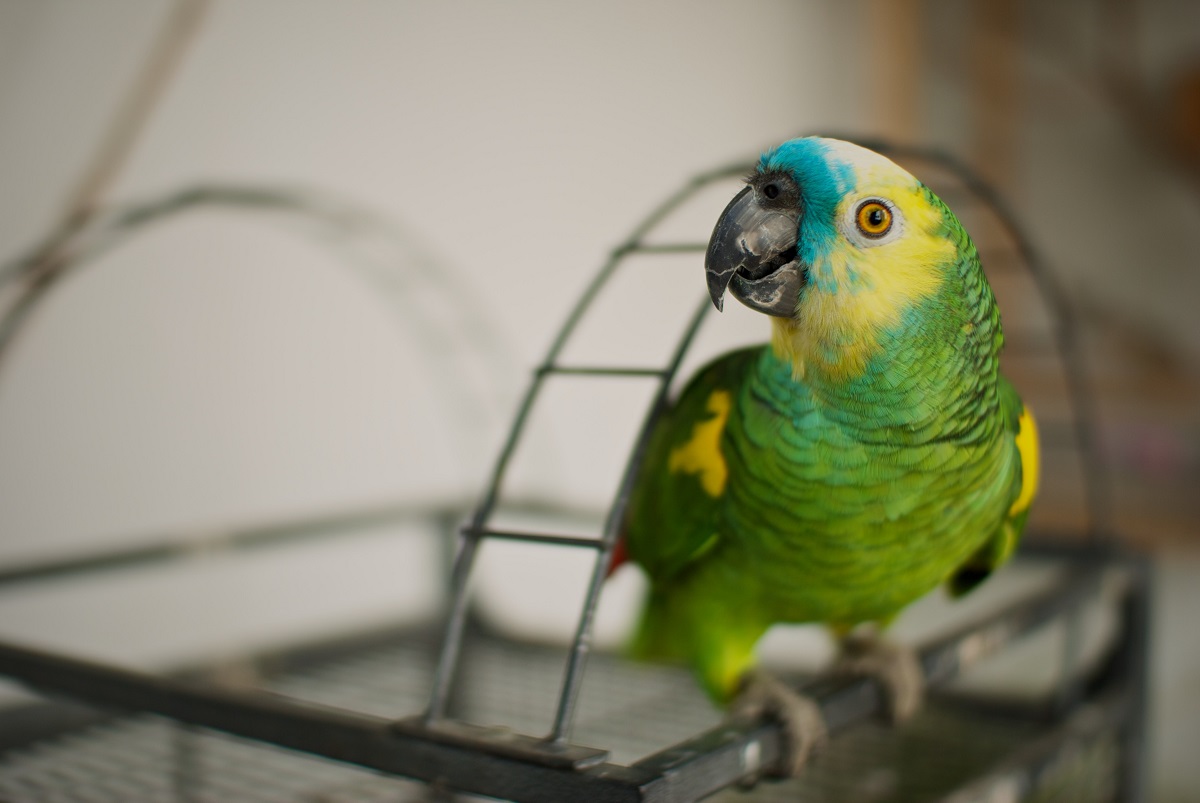
Avian medicine records indicate that while some birds survive electrical zaps, the resulting trauma is profound, often causing cardiac arrhythmias, neurological damage, and severe localized tissue necrosis. Veterinary authorities recommend that all electrical cords within a parrot’s designated roaming zone be systematically concealed or encased in durable protective materials, such as heavy-duty PVC piping or cord protectors. Furthermore, outlets must be capped with safety covers when not in use, and continuous supervision is required whenever a bird is permitted out-of-cage time.
Atmospheric Sensitivity and Air Quality Management
Perhaps the most critical physiological vulnerability in birds is their highly specialized and efficient respiratory system. Avian lungs utilize a continuous, unidirectional airflow mechanism that extracts oxygen during both inhalation and exhalation, making them acutely sensitive to airborne toxins, particulate matter, and chemical fumes. This anatomical trait historically led to the use of canaries in coal mines as early indicators of lethal carbon monoxide levels.
In a modern home, this sensitivity means that a wide array of commonly used household products can cause acute respiratory distress or rapid mortality. Scented candles, air fresheners, aerosol sprays, cigarette smoke, and self-cleaning oven cycles pose severe threats. Of particular concern are non-reactive cookware coatings containing polytetrafluoroethylene (PTFE) and other per- and polyfluoroalkyl substances (PFAS). When overheated, non-stick pans release colorless, odorless fumes that are rapidly fatal to companion birds.
Avian specialists mandate that any product utilizing propellant sprays or generating combustion soot be strictly prohibited from rooms housing birds. Additionally, homes with parrots must be equipped with functioning carbon monoxide and smoke detectors, and kitchen areas should feature adequate ventilation systems isolated from avian living quarters.
Accidental Ingestion and Toxicity Risks
Driven by a need to interact with their environment via their highly tactile beaks, parrots will readily mouth, nibble, and ingest foreign objects encountered during exploration. This exploratory drive creates a high risk of accidental poisoning or gastrointestinal obstruction. Toxicological data highlights numerous household substances that are lethal to psittacines, including prescription and over-the-counter medications, recreational substances such as cannabis and alcohol, and cosmetics.
Nutritional toxicity is another prevalent concern. Certain common foods—most notably chocolate, avocado, caffeine, and high-sodium items—are highly toxic to birds. Additionally, heavy metal poisoning, specifically involving zinc and lead, remains a leading cause of avian morbidity and mortality. Ingested zinc can be sourced from galvanized wire enclosures, cheap cage hardware, and decorative metallic items.
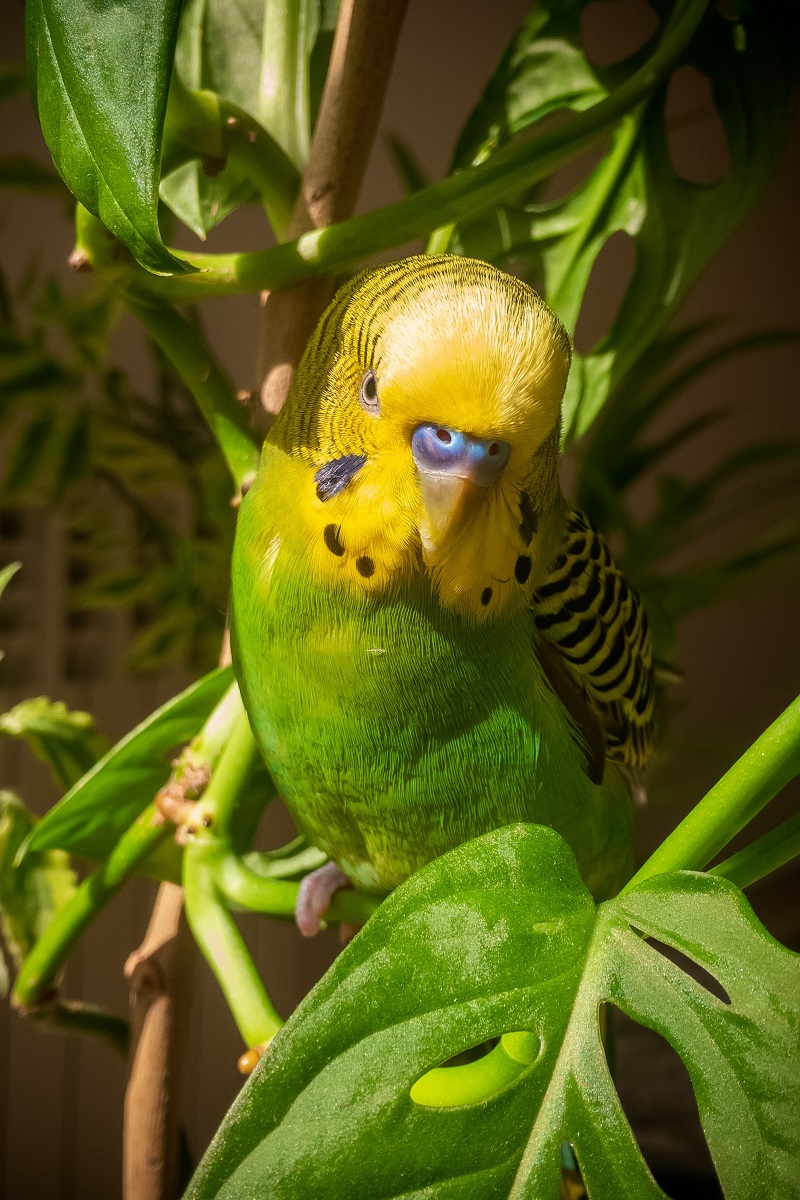
Houseplants present a dual hazard; while numerous species are safe for avian interaction, popular indoor plants such as dieffenbachia, lilies, and certain varieties of monstera contain calcium oxalate crystals or other toxins that cause severe oral irritation, systemic illness, or death upon ingestion. Owners must curate their indoor flora to ensure complete botanical safety.
Architectural Hazards: Doors, Windows, and Reflective Surfaces
Unintentional escapes remain a primary cause of loss or injury among companion parrots. Open doors and windows present immediate pathways to the outdoors, where domestic birds face starvation, predation, and extreme weather conditions without the foraging skills or stamina of wild counterparts. Avian behaviorists recommend establishing multi-layered security measures, such as installing dedicated mosquito or security netting on windows, placing clear warning signage on entry doors for visitors, and enforcing a strict visual check protocol before opening exterior portals.
Interior architectural features also demand modification. Unchecked interior doors can lead to trauma if a bird is perched atop the door frame when it is moved, resulting in crushed digits or feather loss. Furthermore, uncurtained windows and large mirrors present significant impact hazards. Lacking the cognitive framework to understand reflective surfaces, flying parrots frequently collide with glass at high velocities, risking severe cranial trauma, broken keels, and fatal internal bleeding. Covering reflective surfaces and applying window decals are standard preventive practices.
Enclosure Integrity and Cage Safety Standards
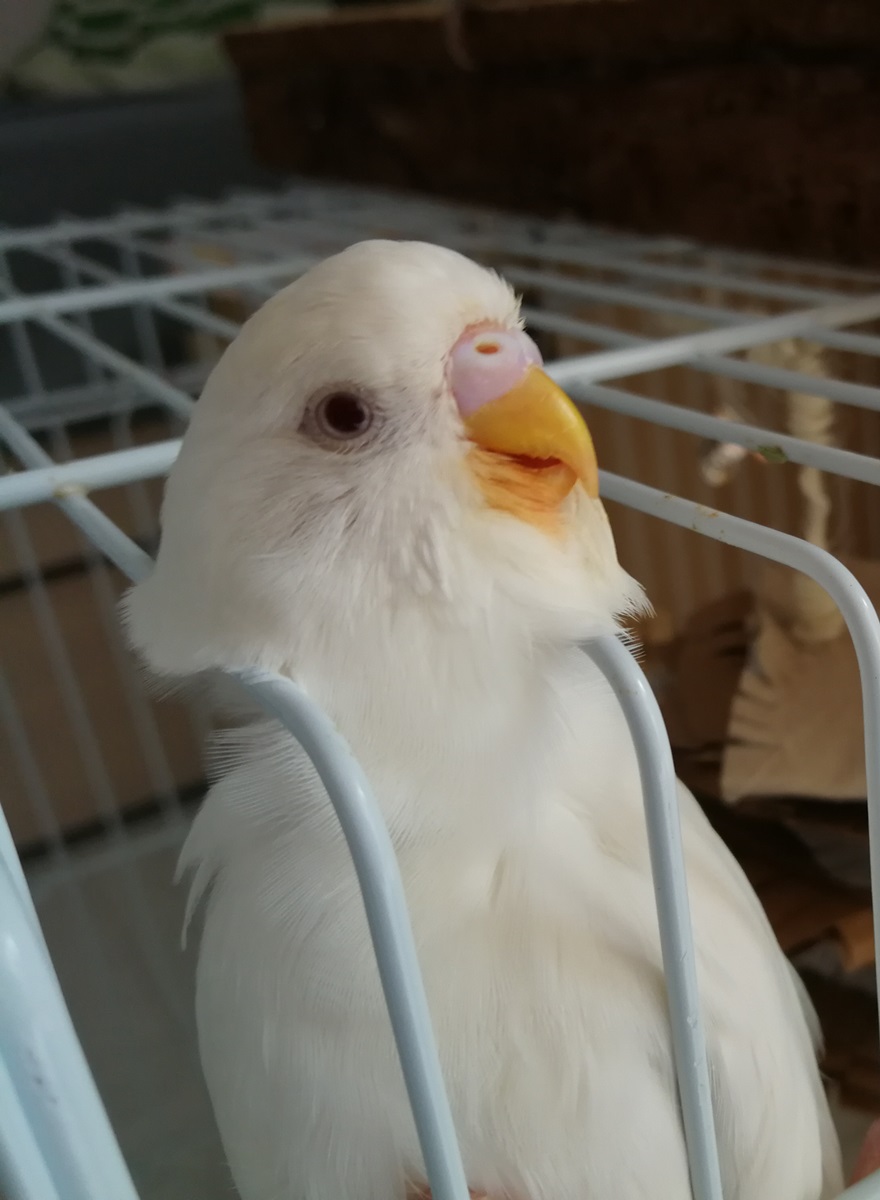
The primary habitat of a captive parrot—its enclosure—must be evaluated not only for spatial adequacy but for structural integrity and material safety. When selecting a cage, bar spacing must be carefully calibrated to the species; enclosures with excessively wide bars allow curious birds to push their heads through, resulting in entrapment, asphyxiation, or fatal skeletal trauma.
Cage materials must be inspected regularly for signs of structural degradation, including rust and flaking paint, which can expose the bird to toxic heavy metals. Furthermore, accessories and enrichment toys must be subjected to rigorous safety audits. Published veterinary case studies document numerous instances of commercial bird toys constructed with improper hardware, zinc-coated components, or configurations that trap feet and beaks, leading to severe injury or death. Owners are advised to discard frayed, damaged, or chemically treated toys immediately and replace them with verified avian-safe alternatives.
Managing Environmental Nooks and Furniture Risks
The domestic living space contains numerous micro-environments that mimic the natural nesting cavities sought by wild psittacines, particularly during hormonal cycles. Small nooks, dark drawers, spaces beneath and behind heavy furniture, and open cupboards present attractive yet perilous exploration targets. Parrots entering these spaces risk becoming trapped, suffering dehydration, or experiencing accidental crushing injuries if furniture is shifted or doors are closed. Comprehensive home modification requires the physical blocking of all dark cavities and inaccessible gaps within the bird’s roaming radius.
Aquatic Hazards in the Domestic Setting
The presence of open water sources within a home represents a severe drowning hazard for unsecured companion animals. Avian veterinarians frequently document fatalities resulting from birds landing in uncovered toilets, bathtubs, sinks, buckets, and decorative water features or aquariums lacking secure hoods. Because parrots possess dense plumage that can quickly become waterlogged, rendering them unable to fly or stay afloat, all open liquid containers must be securely covered, drained, or isolated from avian access at all times.
Interspecies Dynamics and Household Pet Management
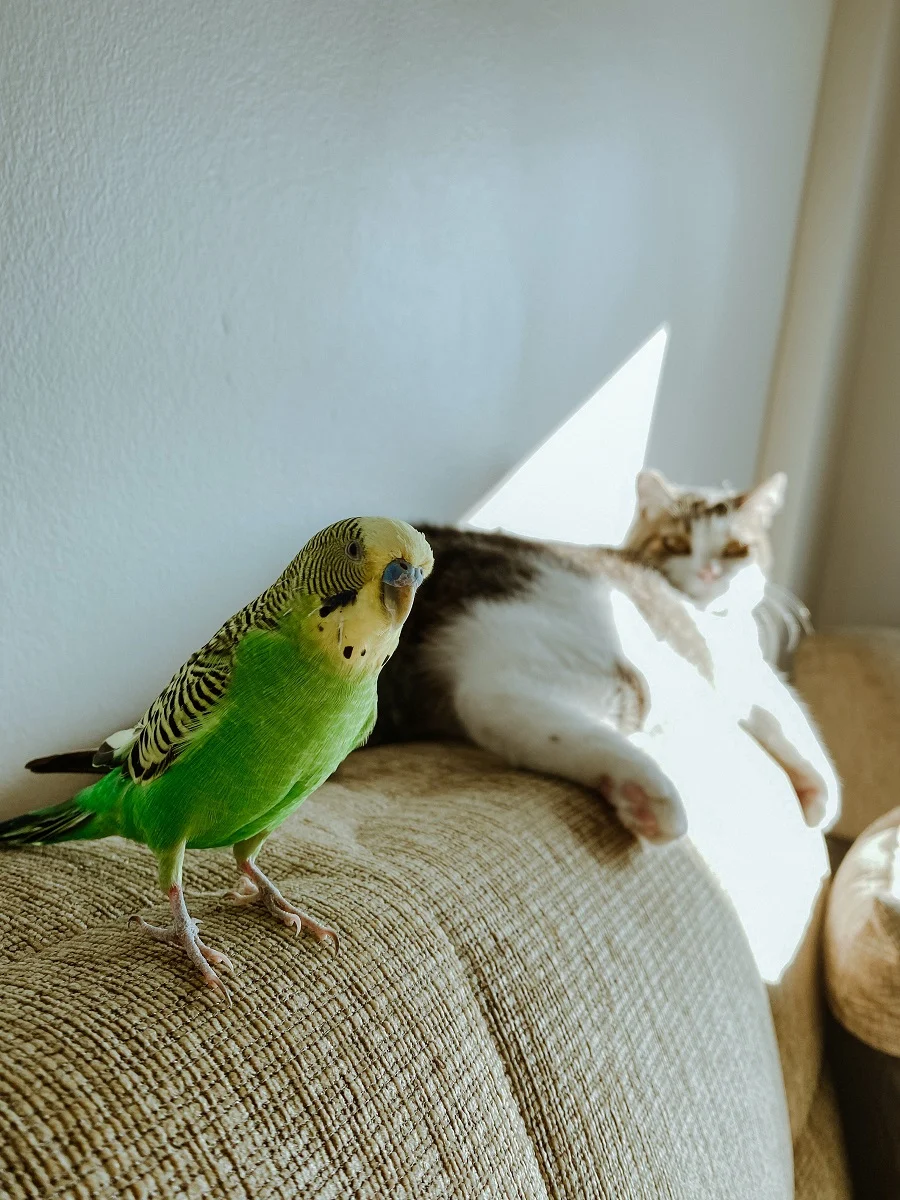
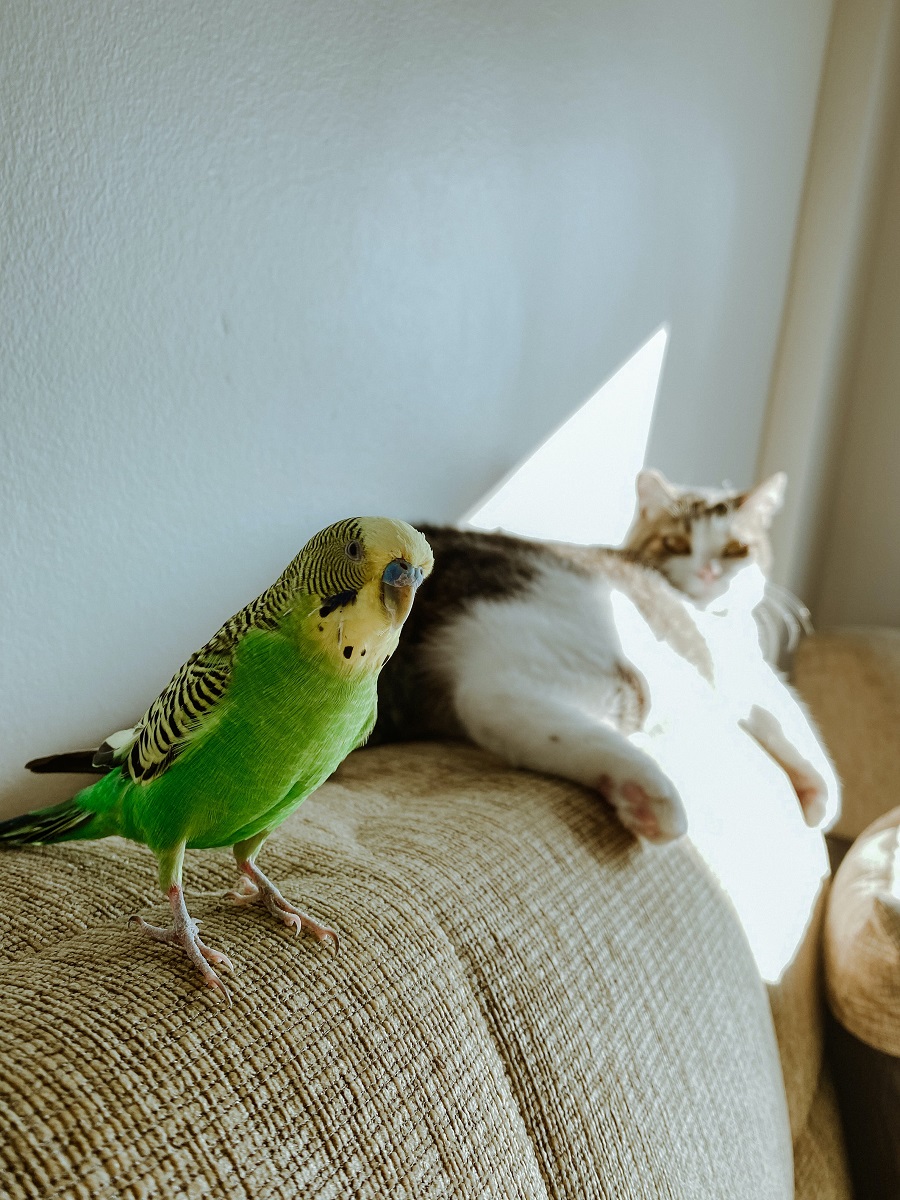
One of the most persistent challenges in avian husbandry is managing the coexistence of parrots with other household pets, such as dogs, cats, ferrets, and reptiles. Despite anecdotal accounts of peaceful interactions between birds and mammalian pets, animal behavior experts emphasize that interspecies contact is inherently hazardous.
Even well-trained companion mammals retain predatory instincts that can be instantaneously triggered by the erratic flight patterns or vocalizations of a bird. Furthermore, domestic felines harbor specific bacteria (such as Pasteurella multocida) in their saliva; an incidental scratch or bite can induce rapid, fatal septicemia in a fragile avian patient. Veterinary consensus dictates that parrots must be strictly segregated from all other household pets in independent, secure environments to prevent catastrophic encounters.
Broader Implications and Veterinary Preparedness
The implementation of these rigorous safety protocols reflects an evolving understanding of avian welfare and domestic management. As the popularity of psittacines as companion animals continues to grow, veterinary institutions stress that proactive environmental control is vastly superior to reactive emergency intervention. Prospective and current parrot owners are urged to maintain comprehensive first-aid knowledge, establish an ongoing relationship with a certified avian veterinarian, and keep emergency contact numbers readily accessible. Through systematic environmental modification and unwavering vigilance, owners can successfully mitigate the inherent risks of domestic life and ensure the long-term health and safety of their avian companions.

