


The year 2026 marks a profound milestone in the field of comparative psychology, as Dr. Irene Pepperberg celebrates nearly five decades of pioneering research into avian intelligence. Recently honored with lifetime achievement awards from both the Coller-Dolittle Foundation and the American Psychological Association’s (APA) Division 3, Dr. Pepperberg’s career stands as a testament to the evolution of animal cognition studies. Her work, which began in the late 1970s with a singular African Grey parrot named Alex, has fundamentally shifted scientific understanding of how non-human species process complex concepts such as numerical quantity, shape categorization, and linguistic communication.
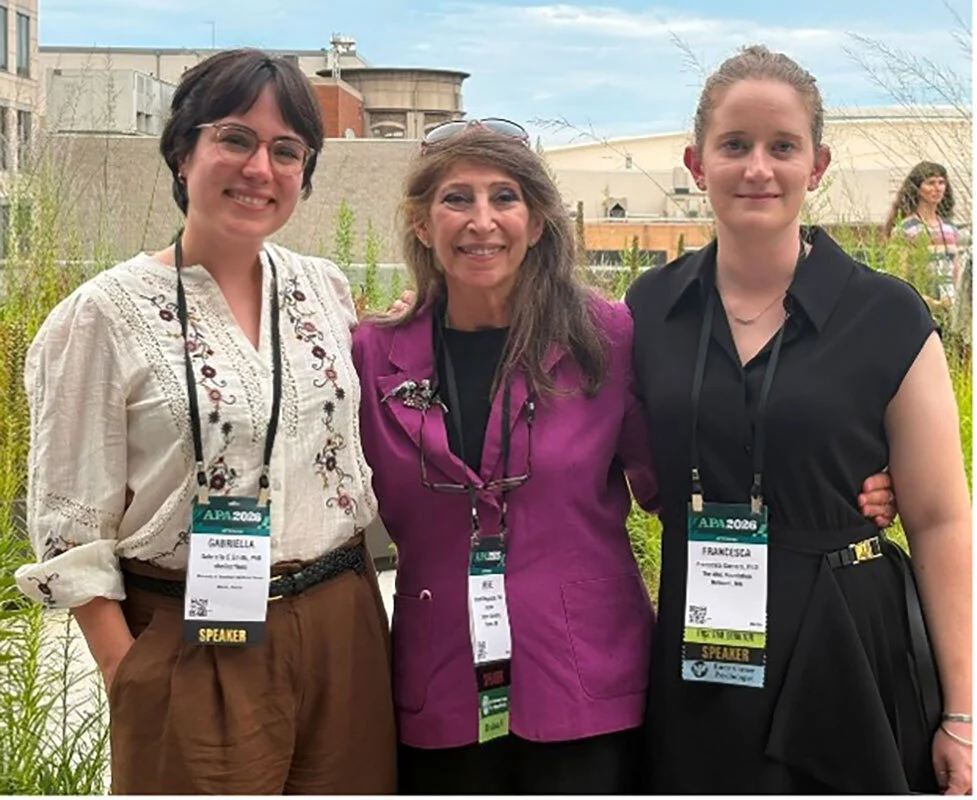
The recognition by the APA, which included an invited address at their annual symposium alongside colleagues Dr. Gabriella Smith and Dr. Francesca Cornero, highlights the sustained relevance of avian research in modern psychology. However, according to Dr. Pepperberg, these accolades serve as a reflection of a collective effort involving hundreds of researchers, veterinarians, and students rather than a solitary pursuit.
A Chronology of Scientific Persistence
The inception of Dr. Pepperberg’s laboratory dates back to June 1977 at Purdue University. At a time when the scientific community was deeply skeptical of the cognitive capacities of birds, securing funding proved to be a formidable challenge. Initial grant proposals were met with significant resistance; early reviewers often dismissed the possibility of avian language acquisition or advanced conceptual thought.
The research methodology, heavily influenced by the observational learning studies of ethologist Dietmar Todt, utilized a "model-rival" approach. This technique, which involves two human trainers interacting with each other—one acting as a model for the bird and the other as a rival for the trainer’s attention—proved instrumental in teaching Alex to label materials, colors, and shapes. These early successes, while modest, provided the empirical foundation necessary to secure initial support from the National Science Foundation, marking the transition from a fringe experiment to a recognized academic program.
The trajectory of the lab, however, was rarely linear. Throughout the 1980s and 1990s, the project functioned as a mobile institution, relocating several times due to shifting academic landscapes and the lack of tenure-track security for interdisciplinary researchers. From Purdue, the lab moved to Northwestern University, where the research expanded its focus to include advanced linguistics and animal health, specifically the treatment of aspergillosis, a fungal infection that required specialized veterinary intervention. The survival of Alex through these medical crises was a critical turning point that allowed for long-term longitudinal data collection.
By the early 2000s, the research shifted to the University of Arizona and later to the Massachusetts Institute of Technology (MIT) and Brandeis University. This period saw the inclusion of new subjects, such as Griffin and Arthur, further validating that the cognitive abilities observed in Alex were not unique to one exceptional individual but were indicative of broader capabilities within the Psittacidae family. The eventual move to Harvard University in the mid-2000s facilitated deeper collaborations with the Department of Psychology and the Vision Lab, allowing for more rigorous cross-disciplinary data analysis.
The Evolution of Avian Cognition Data
The implications of the research conducted over the last fifty years are vast. When Dr. Pepperberg first began, the prevailing view in behavioral science was that avian brains, lacking a prefrontal cortex, were limited to rudimentary, stimulus-response behaviors. The longitudinal data gathered by her lab challenged this assumption by demonstrating that parrots could:

- Categorize Abstract Concepts: Subjects proved capable of identifying "same" vs. "different" properties among objects, even when those objects had never been encountered before.
- Numerical Competence: Parrots demonstrated an understanding of quantity, showing the ability to count and represent numbers in a manner previously associated only with primates.
- Linguistic Agency: The research showed that subjects used English labels not just for rote mimicry, but to express intent, request items, and clarify miscommunications.
These findings forced a reassessment of the "avian brain" model, leading to current neurological research that identifies high neuronal density in the nidopallium, effectively mirroring the functional capacity of the mammalian prefrontal cortex.
The Infrastructure of a Lab
A critical component of this success has been the development of a robust, albeit transient, human support structure. The "lab" has never been a static building; it has existed in borrowed offices, university departments, and, during the global pandemic, a private home. The administrative burden of maintaining such research—securing private donors, managing undergraduate research assistants, and coordinating inter-departmental logistics—is often overlooked in formal scientific journals.
The longevity of the project is attributed to a rotating cohort of graduate and undergraduate students who provided the daily, labor-intensive training sessions required for avian subjects. Figures such as Suzanne Gray, who served as a primary lab manager for years, were essential in maintaining continuity during the transition between major institutions like Brandeis, Harvard, and now Boston University. The collaboration with Boston University, facilitated by Dr. Chantal Stern and others, represents the current chapter of this research, which continues to operate out of specialized facilities in Somerville.
Broader Implications and Future Directions
The impact of Dr. Pepperberg’s work extends beyond the psychological community. It has influenced the field of animal welfare, pushing for increased cognitive enrichment for captive birds, and has served as a benchmark for studies in artificial intelligence, particularly in the development of natural language processing systems that model animal-like learning patterns.
As the lab settles into its current iteration at Boston University, the focus has transitioned toward archiving decades of video and behavioral data. While the specific subjects of the research have changed—with the loss of Alex and Arthur marking distinct eras in the lab’s history—the methodology remains a gold standard for comparative cognition.
Critics and proponents alike agree that the persistence of this lab has provided a unique, multi-generational view of animal learning. In an era where grant cycles are short and academic institutions are increasingly focused on immediate results, the fifty-year duration of this study serves as a rare example of the importance of long-term observation in behavioral science.
The awards received by Dr. Pepperberg in 2026 are not merely for the individual, but for the resilience of a research model that prioritized biological agency and inter-species communication. As the field moves toward a more integrated understanding of non-human intelligence, the legacy of this work remains clear: the barrier between human and animal cognition is significantly more porous than early 20th-century paradigms once suggested.
Looking forward, the ongoing work with subjects like Athena and the integration of new technologies for data analysis ensure that the laboratory will continue to contribute to the cognitive sciences. The transition from the early days of "borrowed space" at Purdue to a recognized fixture of psychological study is a case study in scientific advocacy. It highlights that breakthroughs in complex subjects, such as avian consciousness, often require a blend of rigorous experimental control, decades of patience, and the support of an expansive community of collaborators dedicated to the pursuit of knowledge.

