


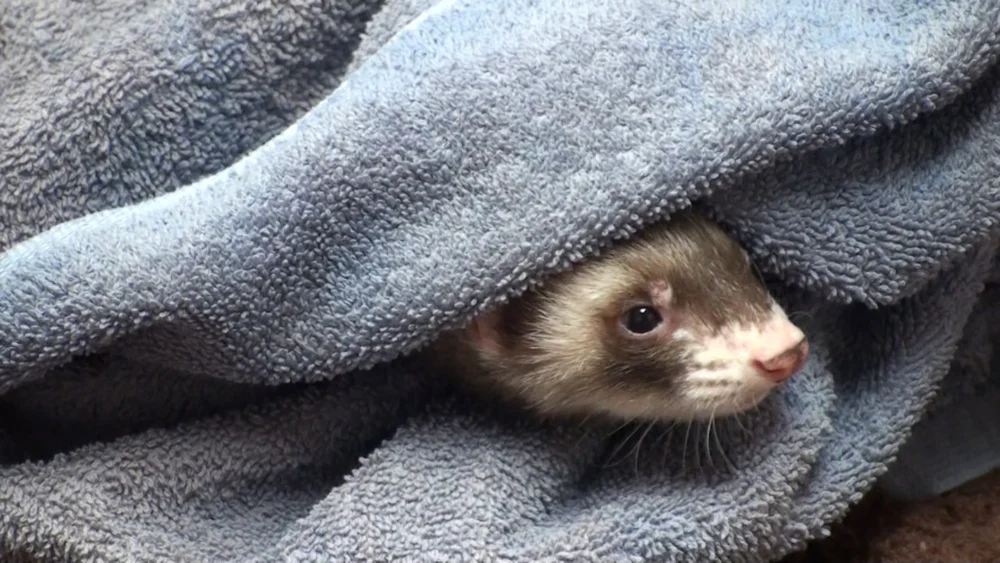
Clinicians in the veterinary community are increasingly urged to rethink the diagnostic approach to geriatric ferrets presenting with neurological deficits, weakness, and collapse. For years, the rapid onset of these symptoms in aging ferrets has led many practitioners to an immediate, often presumptive diagnosis of insulinoma. However, recent clinical discourse and expert webinars highlight a growing concern that this narrow focus may overlook a variety of critical health issues, leading to ineffective treatment plans and potentially adverse patient outcomes.
The prevailing clinical habit involves utilizing a portable glucometer to measure blood glucose levels upon presentation. If the reading falls below the 70–90 mg/dL range, a diagnosis of pancreatic beta-cell tumor is frequently assumed. The patient is then often prescribed prednisone and discharged. This approach, according to experts like Dr. Cathy Johnson-Delaney, a veteran in avian and exotic animal medicine, is often flawed due to the inaccuracy of glucometers in non-canine species and a lack of consideration for the patient’s recent dietary history.
A Shifting Diagnostic Paradigm
The fundamental issue lies in the interpretation of ferret physiology. Unlike dogs or cats, ferrets exhibit significant natural fluctuations in blood glucose, making a single, uncontextualized reading from a portable device an unreliable metric for systemic disease. When a veterinarian fails to account for when the animal last ate or the specific metabolic state of the ferret, the resulting clinical decision-making process can be dangerously incomplete.
In many cases, when ferrets are treated for insulinoma without a definitive diagnosis, they fail to respond to corticosteroid therapy. In some instances, the clinical condition of the animal may even deteriorate, as the underlying cause—which could be cardiac, renal, musculoskeletal, or dental in origin—remains untreated.
Clinical Chronology and Case Management
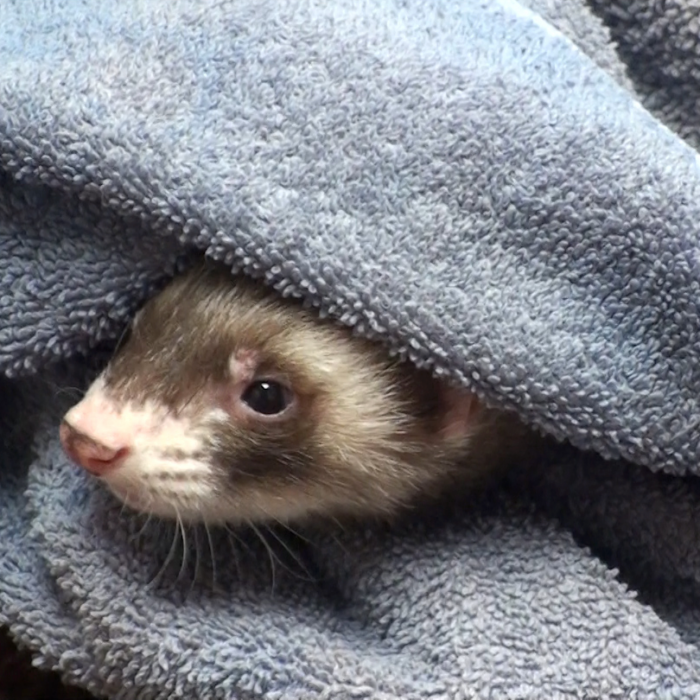
The standard presentation of a collapsing ferret often follows a pattern of exercise intolerance, intermittent collapse, ataxia, and noticeable loss of muscle mass. When these patients arrive at a clinic, the urgency of the situation often pressures staff to bypass more comprehensive diagnostics.
To improve outcomes, experts recommend a more rigorous chronological assessment. If a ferret is presented in a state of collapse, the first inquiry must be the time of the last meal. If the animal has consumed food within the previous two to three hours, the blood glucose reading may be physiologically normal for that individual. In such cases, the administration of dextrose—a common emergency response—may be unnecessary or even counterproductive. A more prudent approach involves stabilizing the patient, recording the initial blood glucose, and performing a re-test after a 15-to-30-minute interval to observe the trend rather than relying on a snapshot.
Supporting Data and Advanced Diagnostics
Recent veterinary literature has focused heavily on the limitations of point-of-care testing. Studies comparing human portable glucometers with automated chemistry analyzers have consistently demonstrated discrepancies in ferrets. These studies suggest that while glucometers are convenient for home monitoring, they should not serve as the sole basis for a definitive clinical diagnosis.
Furthermore, when clinicians rely solely on blood glucose readings, they often neglect essential imaging. Radiographs, while sometimes inconclusive, can reveal splenomegaly and cardiomegaly—conditions that are frequently comorbid in geriatric ferrets. Relying on a "quick fix" approach leaves these structural diseases unaddressed, which is particularly detrimental when the actual cause of the collapse is secondary to cardiac insufficiency or systemic organ failure.
Expert Insights on Cardiac and Endocrine Management
One of the most significant takeaways from recent specialized training sessions is the management of heart disease in ferrets. Dr. Johnson-Delaney, who has spent over three decades practicing in the Pacific Northwest and is a founding member of the Washington Ferret Rescue & Shelter, emphasizes the necessity of bespoke care.
During a recent professional webinar, Dr. Johnson-Delaney addressed the use of a "Cardiac Formula," a nutraceutical blend designed to support cardiovascular health. She stresses that when clinicians develop such protocols, they must prioritize ingredients labeled by the U.S. Pharmacopeia (USP) or verified by third-party organizations like ConsumerLab.com. The formula, which typically includes balanced omega-3, 6, and 9 fatty acids, requires careful handling—refrigeration is mandatory, and the mixture should never be shaken, as the agitation can disrupt fragile fatty acid bonds.
The recommended dosage for such supportive therapies is typically 0.5 mL per ferret daily, provided the fatty acid ratio remains at an optimal 3:1 (omega-3 to omega-6). This level of precision reflects a broader trend in exotic animal medicine: moving away from generalized protocols toward species-specific, evidence-based care.
The Role of Dental Health in Systemic Wellness
Another overlooked factor in the "collapsed ferret" presentation is dental health. Clinical observations indicate that ferrets fed exclusively on kibble diets may be more prone to accelerated tooth wear, while those with poor dental hygiene are susceptible to painful periodontal disease.
The recommendation for clinicians is to treat dental health with the same rigor as in feline or canine medicine. This includes routine professional cleanings under anesthesia and the use of hydrolyzing toothpastes to prevent the buildup of calculi. Pain, which is notoriously difficult to identify in prey species, can significantly impact a ferret’s appetite and energy levels, contributing to the "exercise intolerance" that often sends owners to the clinic in a panic.
Implications for the Veterinary Profession
The broader impact of these findings is a call for a more sophisticated, multi-faceted approach to geriatric exotic medicine. For veterinary clinics, this means investing in staff training for blood collection, as the cranial vena cava technique requires precision that can be challenging to achieve in a conscious, struggling patient.

Additionally, the reliance on external resources—such as the University of Tennessee’s Clinical Endocrinology Laboratory or peer-reviewed journals—is essential for accurate diagnosis. The transition toward a more nuanced diagnostic protocol is not merely an academic exercise; it has direct implications for the survival rates of pet ferrets.
Conclusion and Future Outlook
As the demographic of pet ferrets continues to age, the incidence of chronic, complex diseases will likely rise. The veterinary community’s ability to move beyond the "insulinoma-only" mindset will define the standard of care for the next generation of exotic patients. By integrating sophisticated diagnostic tools, respecting the unique metabolic profile of the species, and acknowledging the importance of cardiovascular and dental health, veterinarians can provide more effective, compassionate, and successful treatment.
For practitioners looking to refine their skills, the availability of continuing education and specialized literature remains the best defense against misdiagnosis. As established by the American Association of Veterinary State Boards (AAVSB) and programs like those offered through LafeberVet, the commitment to lifelong learning is the most vital tool a clinician possesses. The goal is clear: to ensure that when a ferret collapses, the treatment plan is guided by comprehensive science rather than the convenience of a single, misleading test result.

