


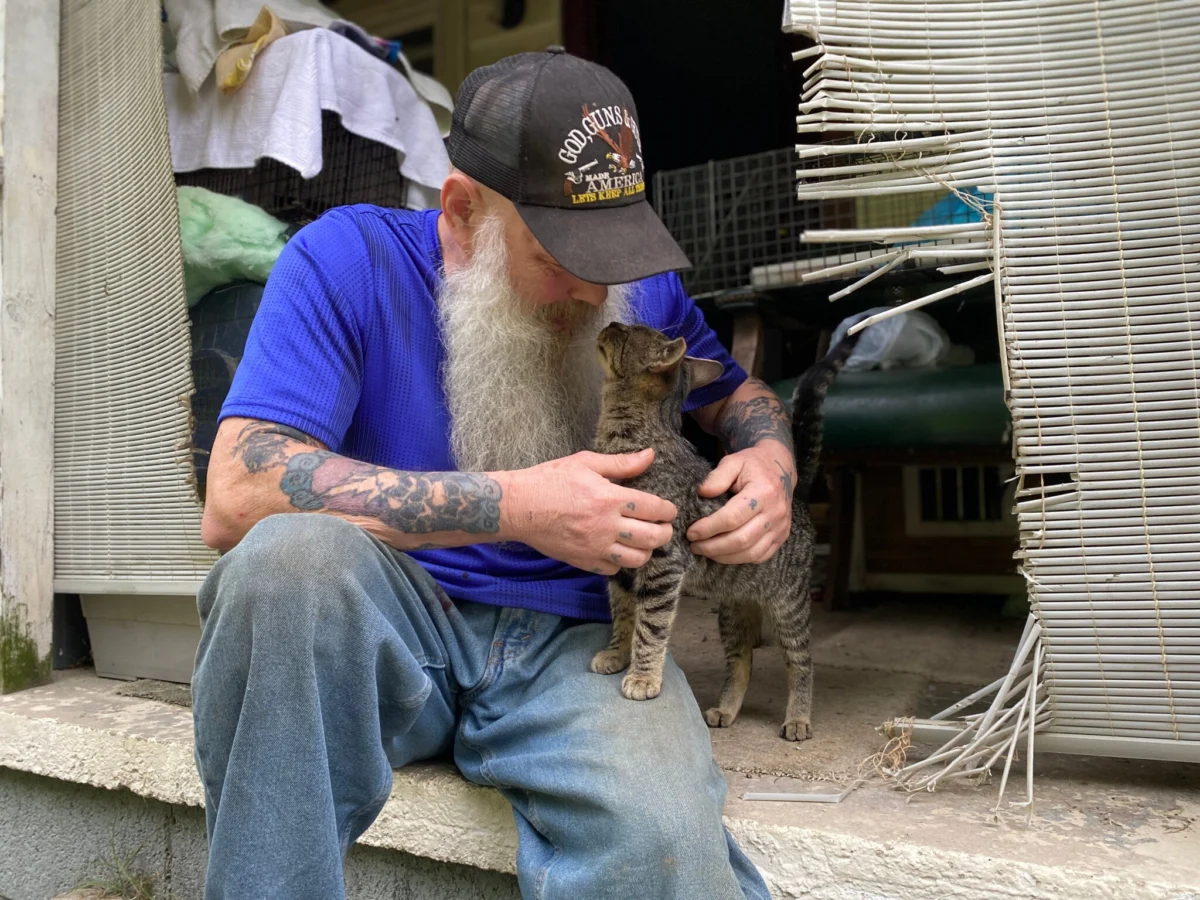
The People for the Ethical Treatment of Animals (PETA) Community Animal Project (CAP) recently executed a multi-stage rescue operation in rural southeastern Virginia, highlighting the ongoing challenges of animal welfare in underserved regions. The operation, which centered on a property where a local resident had become overwhelmed by a growing population of free-roaming cats, resulted in the successful rehabilitation of two kittens, now identified as Kylian and Leo. This case serves as a poignant example of the complexities surrounding community animal management, the critical nature of early veterinary intervention, and the efficacy of mobile surgical clinics in addressing the companion animal overpopulation crisis.
The Scope of the Rural Animal Welfare Challenge
In many rural sectors of the United States, particularly within the Commonwealth of Virginia, access to affordable veterinary care remains a significant barrier to responsible animal guardianship. For the resident in this recent case, a well-intentioned effort to provide sustenance for local stray cats quickly escalated into an unmanageable situation. This phenomenon, often referred to by animal welfare experts as "unintentional hoarding" or "colony explosion," occurs when a lack of sterilization leads to exponential population growth within a localized area.
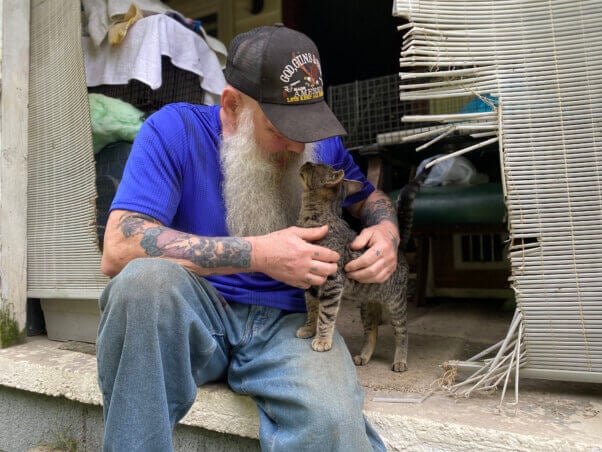
PETA’s Community Animal Project fieldworkers, who operate year-round in the Hampton Roads area and surrounding rural counties, were alerted to the situation. Upon arrival, they discovered a bearded guardian who, despite his affinity for the animals, lacked the resources and facilities to provide necessary medical care or to curb the breeding cycle. The interaction between the fieldworkers and the guardian underscored a vital component of modern animal advocacy: the building of trust within communities that may hold different cultural or political views. By focusing on the shared goal of animal health, CAP was able to establish a cooperative relationship, eventually providing the guardian with resources and education, while facilitating the rescue of the most vulnerable animals on the property.
Chronology of the Rescue: Leo and Kylian
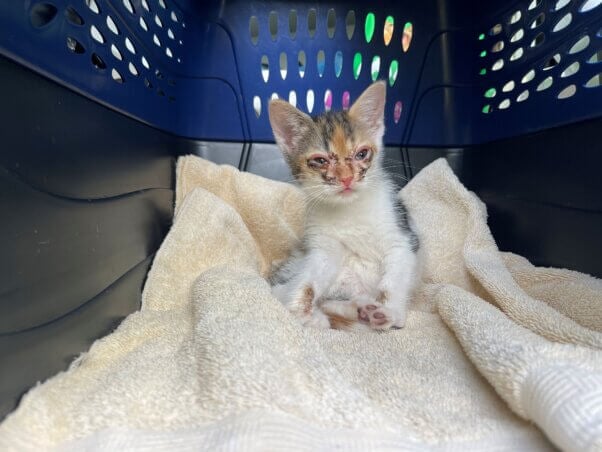
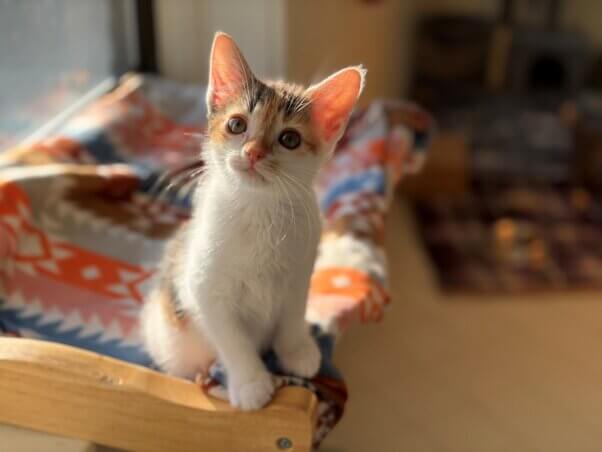
The rescue operation unfolded over several days in late June 2026. The first animal identified as being in critical need was Leo, a six-week-old calico kitten. Fieldworkers observed that Leo was suffering from a severe upper respiratory infection (URI), a condition that is frequently fatal in neonatal and pediatric felines if left untreated. Her eyes were heavily congested with purulent discharge, a symptom that, if neglected, can lead to permanent corneal scarring or the loss of the eye entirely. Recognizing that he could not provide the intensive, indoor supervision required for her recovery, the guardian relinquished custody of Leo to PETA for immediate clinical intervention.
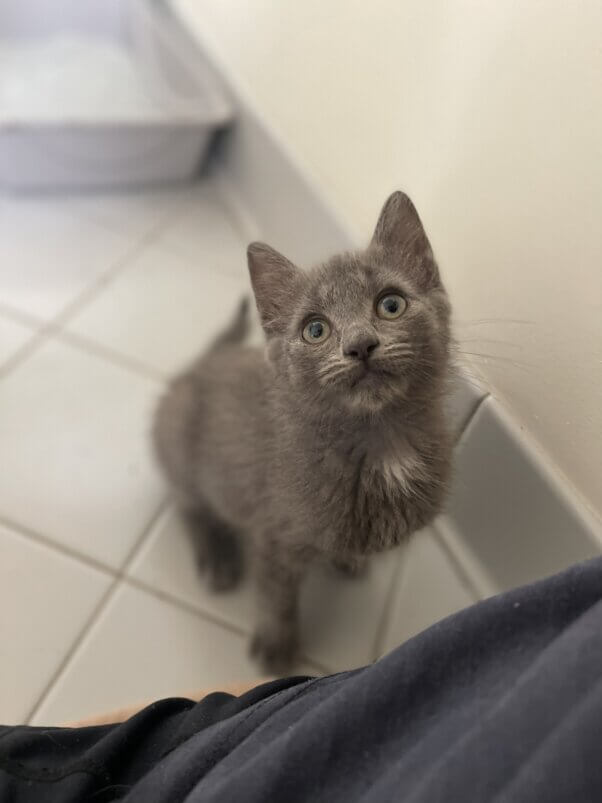
Less than 48 hours after Leo’s intake, the guardian contacted CAP’s emergency pager regarding a second kitten, Kylian. Kylian, a seven-week-old solid-gray male, exhibited even more distressing symptoms. According to field reports, the kitten’s breathing was labored and audible, a sign of advanced respiratory distress. Like Leo, Kylian was surrendered to the care of PETA’s veterinary team to undergo a regimen of antibiotics and supportive care.
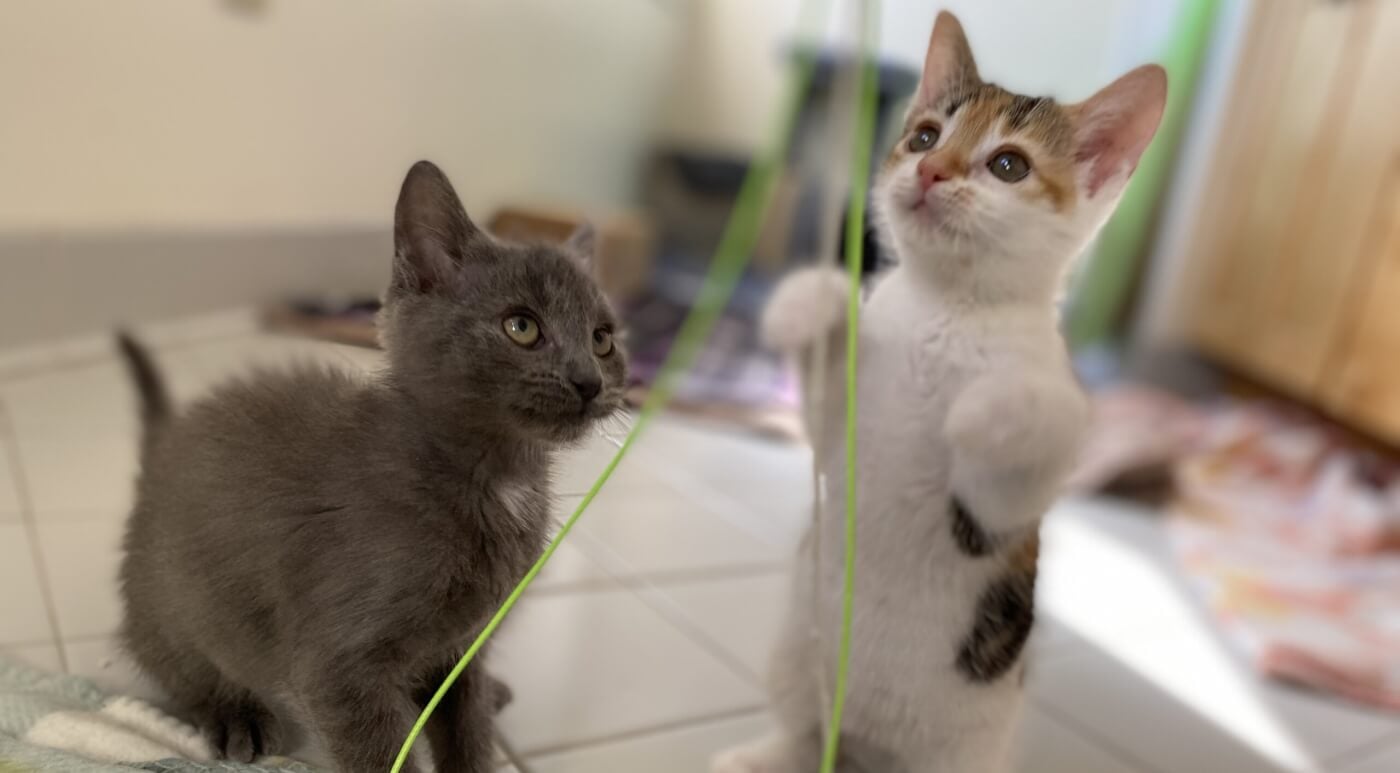
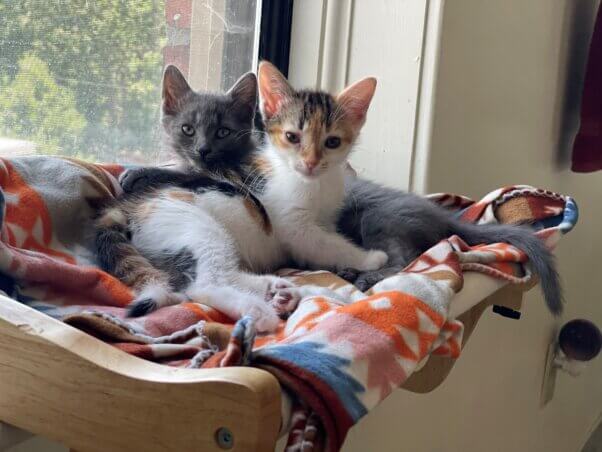
The two kittens were placed into a specialized foster care environment. Interestingly, while the kittens originated from the same property, they had not been closely bonded prior to their rescue. However, during their convalescence, they formed a strong social bond. Veterinary staff noted that the presence of a peer significantly improved the kittens’ response to treatment, as the social interaction reduced stress levels and encouraged normal developmental behaviors.
Clinical Analysis: The Impact of Upper Respiratory Infections (URI)
The medical challenges faced by Kylian and Leo are representative of a broader epidemiological issue within feral and outdoor cat colonies. Feline Upper Respiratory Infection is a complex of diseases, most commonly caused by Feline Herpesvirus-1 (FHV-1) or Feline Calicivirus (FCV). In environments where cats are not vaccinated and live in close proximity, these pathogens spread rapidly.
For kittens as young as Kylian and Leo, a URI is not merely a "cold." It often leads to:
- Anorexia: Because cats rely on their sense of smell to stimulate their appetite, nasal congestion can lead to a refusal to eat, resulting in rapid dehydration and malnutrition.
- Secondary Bacterial Infections: Viral infections often pave the way for bacteria like Bordetella bronchiseptica or Chlamydia felis, which can cause pneumonia.
- Ocular Complications: As seen in Leo’s case, conjunctivitis can lead to symblepharon (adhesion of the eyelid to the eyeball) if not treated with topical ophthalmic antibiotics.
The recovery of these kittens was attributed to a combination of systemic antibiotics, nebulization therapy to clear their airways, and high-calorie nutritional supplementation. After a period of intensive care, both kittens were cleared of infection and deemed fit for sterilization—the final step before becoming eligible for permanent adoption.
The Role of Mobile Clinics and Spay/Neuter Initiatives
A critical component of the intervention on the Virginia property was the deployment of PETA’s mobile clinics. These "clinics on wheels" are designed to bring high-volume, low-cost (or free) spay and neuter services directly to the communities that need them most. During this specific operation, CAP fieldworkers transported several adult cats from the property to the mobile unit.
The sterilization of the adult population is the only scientifically proven method to halt the cycle of homelessness. According to data from the American Society for the Prevention of Cruelty to Animals (ASPCA), a single unspayed female cat and her offspring can theoretically produce hundreds of descendants in just a few years. By providing these surgeries at no cost to the rural guardian, PETA addressed the root cause of the overwhelming situation, preventing future generations of kittens from being born into a life of illness and neglect.
Broader Implications: The Companion Animal Overpopulation Crisis
The story of Kylian and Leo is a microcosm of a national crisis. Statistics from the National Environmental Health Association and various animal rights organizations suggest that between 6 million and 8 million animals enter U.S. shelters annually. Approximately half of these animals are cats. In rural areas, where "barn cats" and free-roaming colonies are common, the numbers are often higher and more difficult to track.
This case also highlights the ethical debate surrounding the sale of animals in retail environments. PETA and other advocacy groups argue that as long as millions of cats like Kylian and Leo are waiting in shelters or suffering in rural colonies, the commercial breeding and sale of animals—such as parakeets at PetSmart or dolphins at marine parks—remains a systemic failure of animal welfare policy. The organization maintains that the "pet industry" contributes to the perception of animals as disposable commodities rather than sentient beings deserving of lifelong care.
Official Responses and Future Outlook
Representatives from PETA’s Community Animal Project emphasized that the success of this rescue was dependent on community cooperation. "Our goal is never to judge a guardian who has fallen on hard times or found themselves overwhelmed," a CAP spokesperson stated. "Our goal is to provide a safety net. Whether that means providing a sturdy doghouse, straw bedding in the winter, or, in the case of Kylian and Leo, a path to a permanent indoor home, we are committed to the individual animal."
The organization has also signaled its intent to continue its work in rural Virginia, citing the need for more robust local ordinances regarding animal care and the mandatory sterilization of outdoor colonies.
As of late June 2026, Kylian and Leo have completed their vaccinations and are scheduled for their spay/neuter surgeries. PETA has announced that they are seeking a "bonded pair" adoption, meaning the two kittens must be placed in a home together. This decision is based on behavioral assessments showing that the pair relies on each other for emotional security.
Conclusion
The transition of Kylian and Leo from sickly, outdoor kittens to healthy, adoptable companions is a testament to the efficacy of targeted animal welfare interventions. By addressing the immediate medical needs of the kittens while simultaneously providing long-term sterilization solutions for the remaining adult cats, the Community Animal Project has improved the trajectory of an entire colony.
This case serves as a reminder to the public of the importance of the "Adopt, Don’t Shop" philosophy. For every kitten rescued from a rural property, a home must be found—a task that is made significantly more difficult by the continued commercial production of companion animals. As Kylian and Leo await their "forever castle," their journey stands as a call to action for increased support of mobile veterinary services and community-based animal advocacy.
Interested parties who wish to apply for the adoption of Kylian and Leo, or who wish to support the Community Animal Project’s ongoing efforts in rural Virginia, are encouraged to contact PETA’s adoption department directly. The organization continues to advocate for a world where every animal is afforded the dignity of a safe, healthy, and respected life.

