


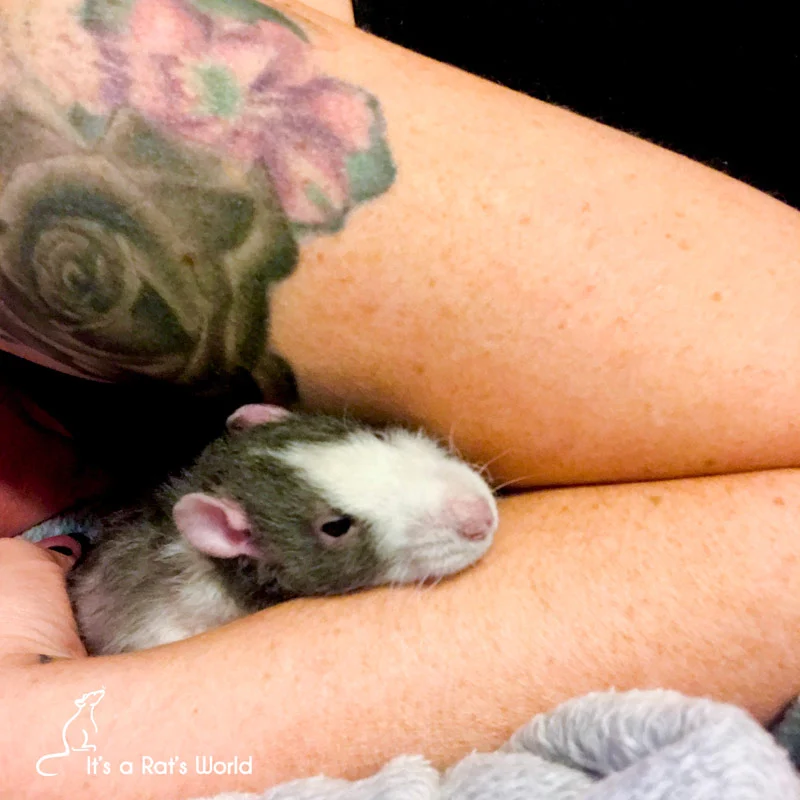
The profound connection between humans and their animal companions is a well-documented phenomenon, offering solace, joy, and a unique form of emotional support. For many, this bond transcends species, with rats emerging as particularly adept at forging deep and meaningful relationships with their human caretakers. However, achieving this level of intimacy with these often misunderstood creatures can present unique challenges, particularly when dealing with fear and apprehension. This article delves into the intricacies of building trust and fostering a lasting bond with pet rats, exploring the journey from initial caution to profound companionship, drawing insights from experienced rat enthusiasts and experts.
The Unique Allure of Rat Companionship
For Brandi Saxton, a dedicated rat advocate and proprietor of "It’s A Rat’s World," the absence of rats in her life represents a significant void. "What makes being ratless so torturous is that I do not currently share a special bond with an animal," she states, highlighting a sentiment shared by many devoted pet owners. This isn’t merely about cohabitation; it’s about a deeply ingrained connection. While her household may include other pets, Saxton emphasizes that the specific nature of the rat-human relationship is unparalleled.
The allure of rats as pets lies in their remarkable intelligence, social complexity, and capacity for affection. Unlike some more common household pets, rats often exhibit a nuanced emotional range and a remarkable ability to recognize and respond to their owners. Saxton elaborates on the cherished everyday moments: "snuggling on the couch while watching movies, sweet rattie kisses and groom sessions on my hands, rats rushing to their cage door and dancing around in excitement when they saw me approach, jealousy of my attention that caused someone to push a brother out of the way so they could get the head scritches instead, or rats stretched out in my lap or next to me while I worked, and so much more." These seemingly small interactions, imbued with genuine reciprocity, form the bedrock of the rat-human bond.

Overcoming Initial Hesitation: Building Trust from the Ground Up
For new rat owners or those considering adopting, the aspiration is often to achieve the same depth of connection Saxton describes. However, the path to this intimacy is not always linear. Saxton acknowledges the common hurdle: "But what if you find it isn’t happening? What if your rats are skittish or aloof, and show little interest in interacting with you? Does this mean that forming a bond with them is hopeless?" The answer, she asserts, is a resounding "definitely not!"
A primary obstacle for many new owners is the initial timidity of their rats. Saxton explains that this skittishness can often trigger a "fear of them biting" reflex in humans, inadvertently creating a feedback loop of apprehension. "Most rats just need time acclimating to their new environment. And some, especially if they’ve experienced trauma, require extra work and patience to settle in," she notes. The lack of understanding regarding rat behavior and adjustment can exacerbate their fear, leading to further withdrawal. Saxton’s resource, the article "Helping A Scared Pet Rat," aims to demystify these behaviors, offering guidance on identifying the root causes of fear and providing a roadmap for earning a rat’s trust.
Understanding the Nuance: Trust vs. Bonding
It is crucial to differentiate between earning a rat’s trust and forging a true bond. Saxton defines trust as a rat’s belief that their human is not a threat. This is the foundational step. Bonding, however, signifies a mutual desire for companionship and a deeper emotional connection. A rat’s past experiences and inherent personality play a significant role in this progression. When a rat feels unsafe or is in a constant state of self-preservation, their capacity for forming affectionate attachments is severely limited. It is only when they begin to feel secure and at ease that they can perceive the value in their human interactions.
Decoding Rat Personalities: A Spectrum of Connection
Rats, much like humans, exhibit a wide spectrum of personalities, influencing their approach to human interaction. Saxton categorizes these into distinct types:
-
The Extrovert: These rats are the most straightforward to bond with. They adapt quickly to new surroundings and people, often displaying immediate affection and a willingness to engage. "Whenever I had a large group of rats, I always had at least one extrovert that showed immediate faith in me," Saxton recalls. These individuals might approach their owners with an almost instantaneous sense of trust, demanding attention and interaction from the outset.
-
The Apprehensive Rat: At the other end of the spectrum are rats whose fear is so pronounced that they perceive humans as predators. For these animals, breaking through this ingrained barrier is the paramount objective. While some may never fully shed their apprehension, achieving a state where they recognize and accept their owner as a caregiver is a monumental accomplishment. The depth of the subsequent relationship is then a testament to the ongoing effort invested by the owner.
-
The Middle Ground: The majority of rats fall between these two extremes. While they may exhibit initial nervousness, consistent positive interaction and a sense of security typically lead to them feeling safe and receptive to bonding.
The Cornerstone of Connection: Providing Quality Time
The most critical element in cultivating a relationship with any pet, including rats, is consistent, quality engagement. Saxton stresses that this involves being a "constant presence," talking to them, petting them, holding them, and playing with them. This daily interaction is not merely beneficial; it is "absolutely necessary" for forging a genuine connection and understanding each rat’s unique characteristics.

Integrating rats into the owner’s daily life, perhaps by housing them in a room where the owner spends a significant amount of time, allows them to become accustomed to the owner’s voice and scent. This proximity fosters a sense of inclusion in their routine.
Furthermore, providing ample "out-of-cage" time is essential. Saxton recommends at least one to two hours daily for exercise and exploration. This time should be dedicated to meaningful interaction, whether it’s "on a couch, on a bed, or in a rat-proofed room." The focus should be on "concentrated cuddling time," engaging in activities together like watching movies or reading. Crucially, owners must learn their rat’s individual preferences for being held and petted, identifying their favorite spots for affection.
Specialized tools can also aid in this process, particularly for timid rats. Bonding pouches and rat-sized blankets can provide a sense of security, allowing rats to feel safe and comforted while remaining close to their owner. Their natural inclination to burrow makes these items ideal for encouraging snuggle sessions.
Even passive interaction, such as talking to rats while they are in their cage, can be highly beneficial. This familiarizes them with the owner’s voice without the immediate pressure of physical interaction, reducing the likelihood of them becoming fearful upon approach. The physiological benefits of petting extend to both human and rat, releasing stress-relieving endorphins. Gentle strokes along their back or head while conversing can initiate this positive feedback loop.

For owners who find direct interaction challenging, or if a rat continues to resist attention, Saxton advises consulting her article "Honoring Your Rat’s Personal Space." Recognizing and respecting individual boundaries is paramount to successful bonding, preventing inadvertent sabotage of trust-building efforts.
The Power of Positive Reinforcement: Food and Treats as Bonding Agents
Food serves as one of the most effective tools for both trust training and bonding. Saxton humorously admits that the enthusiastic greeting she received from her rats might have been partly driven by the anticipation of treats. Regardless of the primary motivation, the excitement itself was a positive indicator of their developing bond.
Making mealtimes a significant event helps rats associate their owner with the provision of sustenance, thereby earning their favor. Introducing a specific, healthy treat and always announcing its arrival with a unique phrase or tone creates a powerful association with happiness. Saxton’s personal cue, "Treats, Treats, Treats!" delivered in a rising pitch, was universally recognized by her rats, prompting an eager response from even the deepest sleepers. This enthusiastic reaction, with rats pushing and jostling for position, signaled significant progress in her bonding efforts, particularly with previously standoffish individuals.
Advancing the Relationship: Enrichment and Shared Experiences
For those seeking to deepen their rat friendships further, engaging in activities like teaching tricks or creating mazes offers a novel way to interact and observe their personalities. While Saxton has limited personal experience in these areas, she notes the abundance of resources available online for owners interested in such advanced engagement.
Travel can also be a surprisingly effective bonding experience. Saxton recounts how road trips with her rats consistently resulted in stronger bonds, with even timid rats becoming more cuddly. This suggests that navigating unfamiliar environments together reinforces their reliance on and trust in their human companion.
Managing Expectations: The Individual Nature of Rat Bonds
The journey of bonding with a rat is inherently individual. Each rat offers a unique relationship, with some bonds forming effortlessly and others requiring sustained effort. Saxton emphasizes the importance of continuous effort and the need to avoid comparing one’s own progress to the curated portrayals often seen on social media. Discouragement is a natural response when a rat seems less responsive, but it’s crucial to remember that "every rat is uniquely themselves."
Saxton’s personal experiences illustrate this diversity, ranging from "soulmate status" to a more pragmatic "you’re the human I dislike the least, so I’m willing to tolerate you." Even the latter, she notes, felt special due to the significant hurdles overcome to achieve it. The moment a frightened rat finally lowers its guard and accepts its owner’s presence is a profound honor.
Ultimately, the endeavor of building a bond with any rat is worthwhile. When their lives conclude, it is the shared connection and the precious memories forged from those interactions that endure, living on forever in the heart of their human companion. This enduring legacy underscores the profound impact these small creatures can have on our lives.

