


The challenge of transitioning a beloved pet bird from a seed-heavy diet to a more nutritionally complete pelleted and fresh food regimen is a common concern for avian caregivers. Many parrots, cockatiels, budgies, conures, African greys, Amazons, and cockatoos develop a strong preference, often described as an addiction, to seeds. While owners understand that pellets and fresh foods lay a better dietary foundation, encouraging a bird to accept these new items is frequently far from simple. Some birds display natural curiosity, needing only gentle encouragement. Others are cautious, thriving on routine and predictability. Then there are the "seed-focused masterminds" – birds that skillfully pick around pellets, overturn food bowls, or simply wait for their human companions to relent and provide the familiar, less healthy seeds. This inherent variability in avian behavior underscores why a one-size-fits-all approach to pellet conversion is often ineffective and potentially unsafe. The most prudent and effective strategy involves selecting a pellet conversion method that is specifically tailored to the individual bird’s personality and behavioral patterns.
This comprehensive guide delves into three evidence-based bird diet conversion methods: Birdie’s Choice, Slow and Steady, and Tough Love. This article serves as a method-selector, helping owners identify the most appropriate strategy for their feathered companion. For those primarily concerned with the critical question, "Will my bird starve if I switch to pellets?", it is advisable to first consult a pellet-refusal guide to understand the safety parameters before returning here to choose a specific conversion methodology.
The Nutritional Imperative: Why Pellets Matter
For decades, the standard diet for many pet birds consisted predominantly of seeds. While seeds are a natural food source for wild birds, a captive diet composed solely or primarily of seeds is inherently imbalanced. Wild birds forage across a diverse landscape, consuming a wide variety of seeds, fruits, vegetables, insects, and plant matter, ensuring a broad spectrum of nutrients. In contrast, commercially available seed mixes for pet birds, even those labeled "fortified," are often high in fat and deficient in essential vitamins (like Vitamin A, D, and E), minerals (such as calcium), and amino acids. This nutritional imbalance is a leading cause of health problems in companion birds, contributing to conditions like obesity, liver disease (hepatic lipidosis), kidney dysfunction, feather plucking, poor feather quality, weakened immune systems, and chronic vitamin deficiencies.
The development of pelleted diets in the latter half of the 20th century revolutionized avian nutrition. Formulated by avian veterinarians and nutritionists, pellets are engineered to provide a complete and balanced diet in every bite. They eliminate selective eating, where birds pick out their favorite, often fattiest, seeds and leave the rest. The shift to a pelleted diet, supplemented with fresh vegetables, fruits, and other appropriate items, is widely regarded by avian health professionals as the single most impactful change an owner can make to improve their bird’s long-term health and well-being.
Understanding the Challenge: Avian Behavioral Patterns in Diet Transition
Birds are intelligent and creatures of habit. Their strong preference for seeds is not merely a taste issue but often a deeply ingrained behavioral pattern. The texture, smell, and visual cues of seeds are highly familiar and comforting. Introducing a new, unfamiliar food like pellets can trigger neophobia – a fear of new things – which is a natural survival instinct in the wild.
Avian experts recognize several distinct behavioral profiles that emerge during diet conversion:
- The Curious Explorer: These birds are often socially engaged, finger-tame, and show interest in new objects, especially when their human caregiver interacts with them. They might tentatively investigate new foods, making them prime candidates for interactive conversion methods.
- The Cautious Observer: Less tame or more naturally wary birds tend to be routine-driven and can be easily overwhelmed by sudden changes. They require a predictable and gradual introduction to new foods, minimizing perceived threats and building trust over time.
- The Selective Strategist: These are the "masterminds" mentioned earlier. Healthy, intelligent birds who have learned to manipulate their environment (and their owners) to get their preferred seeds. They will often skillfully pick around pellets, dump bowls in protest, or simply "hold out" for familiar food, testing their owner’s resolve. This behavior often requires a more assertive, yet carefully monitored, approach.
Understanding these individual differences is paramount. Attempting a gentle, interactive method with a highly selective bird might lead to prolonged frustration and minimal progress, while a "tough love" approach for a fearful bird could induce severe stress and health risks.
The Evidence-Based Framework: A Scientific Foundation for Conversion
The foundation for these three distinct conversion methods is rooted in published avian research. A significant study by Cummings, Hess, Spielvogel, & Kottwitz (2022) evaluated Birdie’s Choice, Slow and Steady, and Tough Love as pellet conversion methods for seed-fed psittacine birds. The study’s core objective was not to force birds to eat, but to assess the efficacy and safety of structured conversion methods while rigorously monitoring crucial health indicators: appetite, droppings, activity levels, body weight, and body condition. This scientific backing provides a robust framework, moving beyond anecdotal advice to offer owners strategies that have been systematically evaluated for safety and effectiveness.
Choosing Your Path: Matching Method to Bird
The process begins by carefully observing your bird’s reactions to new foods and its general temperament. The goal is to pick a method before you start altering food bowls, providing a consistent structure for both you and your bird. Randomly mixing pellets into seeds, or erratically removing and reintroducing seeds, can confuse the bird and prolong the conversion process, often leading to owner frustration and accidental reinforcement of undesirable behaviors.
1. Birdie’s Choice: The Interactive and Encouraging Method
- Best For: Curious, social, finger-tame birds who enjoy attention, exploration, and flock-style encouragement. This method often works exceptionally well for smaller ground-feeding birds like budgies and cockatiels who are receptive to human interaction.
- Not Best For: Fearful, aggressive, untameable birds, or owners who cannot provide close, consistent supervision. If a bird refuses to engage or becomes stressed by interaction, a different method is advisable.
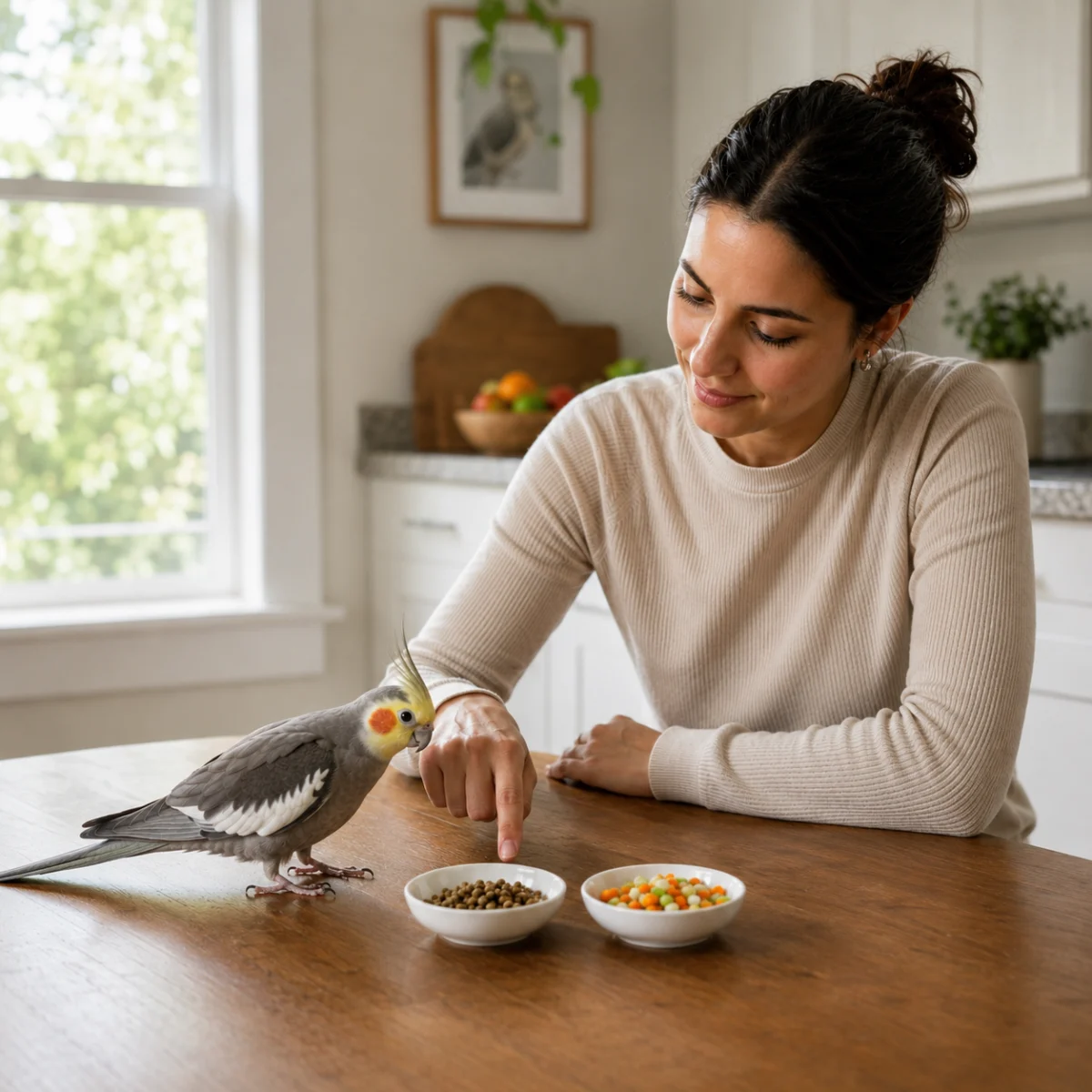
- How it Works: This is the most interactive method. The owner offers a few different pellet choices in a low-pressure, engaging environment, such as on a tabletop during supervised out-of-cage time. The owner encourages the bird with praise, gentle attention, and social modeling – pretending to show interest in the pellets themselves (e.g., tapping near them, making "eating" sounds). The bird’s interactions are closely observed; the pellet type it shows the most interest in or attempts to taste becomes the primary pellet introduced into the regular feeding area. This method leverages the bird’s natural curiosity and social instincts, making the new food seem safe and desirable.
2. Slow and Steady: The Routine-Driven Transition
- Best For: Cautious, routine-driven, less tame birds who need predictable pellet exposure and can be overwhelmed by sudden changes. This method can also be less stressful for owners who are nervous about rapid dietary shifts.
- Not Best For: Birds who have learned to "wait out" their owner for seeds, or owners who, out of fear, consistently add familiar seeds back, thereby undermining the method’s structure.
- How it Works: This method relies on timed pellet exposure. Pellets are offered at key times of day when the bird is naturally inclined to forage (e.g., first thing in the morning, before bed, after a nap). Familiar seed is offered in smaller, controlled portions, gradually reduced over time. Pellets remain continuously available and fresh in the main food bowl, allowing the bird repeated, low-pressure encounters with the new food. The key to success is strict adherence to the timing and tapering plan for familiar food, preventing the bird from learning that refusal leads to more seeds.
3. Tough Love: The Assertive, Controlled Exposure Method
- Best For: Healthy, selective birds who skillfully pick around pellets, dump bowls, or hold out for seeds. This method is also suitable for birds that already eat a variety of fresh foods but specifically refuse pellets. The goal is to make pellets harder to avoid and integrate them seamlessly into the bird’s routine.
- Not Best For: Sick, underweight, elderly, very tiny, egg-bound, or medically fragile birds. This method should never be attempted without direct guidance from an avian veterinarian for vulnerable birds. It is also challenging for owners who may panic and repeatedly reintroduce seeds, thus negating the method’s effectiveness.
- How it Works: In this context, "Tough Love" emphasizes maximum pellet exposure, not starvation. Pellets are strategically placed in multiple locations the bird frequently uses within its cage, making them highly accessible. A very small, controlled amount of familiar seed is offered in a less preferred location (e.g., a dish at the bottom of the cage, or only for a very short, timed period). This method requires calm consistency and meticulous monitoring of the bird’s health parameters. The objective is to make pellets the primary, most convenient food source, thereby encouraging acceptance through constant exposure.
Critical Safety Protocols and Veterinary Oversight
Regardless of the chosen method, rigorous safety monitoring is non-negotiable. Avian veterinarians universally stress the importance of careful observation during any diet transition.
- Pre-Conversion Vet Check: For any bird, especially those that are sick, underweight, elderly, egg-laying, very tiny, or medically fragile, a thorough check-up with an avian veterinarian before initiating a diet conversion is strongly recommended. A vet can assess the bird’s current health status and advise on the safest pace and method.
- Weight Monitoring: The most critical safety indicator is body weight. Owners must use a sensitive gram scale (the same one consistently) to weigh their bird daily, ideally at the same time each day (e.g., first thing in the morning before feeding).
- Red Flags: Stop the conversion and contact an avian vet immediately if your bird loses more than 3% of its body weight in one week, or more than 10% of its total body weight during the entire conversion process. For small birds, even a few grams can be significant.
- Dropping Analysis: Monitor the frequency, volume, and consistency of droppings. A significant reduction in droppings indicates reduced food intake. Normal droppings should contain a fecal component (solid, often green or brown), a urate component (white paste), and a liquid urine component.
- Activity and Behavior: Watch for any signs of illness or weakness: fluffing, lethargy, decreased activity, increased sleepiness, shaking, sitting low on the perch, changes in vocalization, vomiting, or labored breathing. These are not normal signs of "pellet conversion" and warrant immediate veterinary attention.
- Water Intake: Ensure your bird continues to drink water normally.
"Pausing is Not Failing": It is crucial for owners to understand that if safety thresholds are crossed, pausing or slowing down the conversion is not a failure. It means the bird needs a safer pace, a different method, a different type or brand of pellet, or veterinary support. The ultimate mission is improved nutrition without compromising the bird’s health or well-being.
Addressing Common Challenges and Misconceptions
- The Ineffectiveness of Mixing Seeds and Pellets: Many owners initially try mixing pellets into their bird’s seed bowl, hoping the bird will inadvertently consume them. However, birds are highly selective eaters. They are experts at picking out the seeds and leaving the pellets untouched. A bowl that looks balanced can mask a diet that is still predominantly seed-based, providing a false sense of security. Structured methods, with separate placement and controlled access to familiar food, allow owners to accurately monitor what their bird is actually eating.
- The "Starvation" Fallacy: A common fear is that the bird will starve rather than eat pellets. While some birds can refuse unfamiliar food long enough to lose unsafe weight, this is precisely why structured methods emphasize careful monitoring, not reliance on hunger as the primary driver. The goal is to encourage acceptance, not to force it through deprivation. The scientific study supporting these methods specifically monitored health indicators to prevent this outcome.
- Speed vs. Safety: While some birds convert rapidly (within days), others require weeks or even months. The fastest method is not always the best method. The ideal timeline is one that allows the bird to transition safely, maintaining weight, droppings, appetite, and energy levels. Consistency and patience from the owner are far more important than speed.
Beyond Pellets: Integrating Fresh Foods (Chop and Vegetables)
While pellets form the cornerstone of a balanced diet, they are not the sole component. Birds thrive on a varied diet that includes appropriate fresh vegetables, greens, sprouts, and a small amount of fruit. These items provide essential micronutrients, hydration, fiber, and crucial mental enrichment through foraging.
The same learning principles applied to pellet conversion can be highly effective for introducing fresh foods:
- Exposure and Routine: Offer fresh chop (a finely diced mixture of vegetables) regularly, perhaps in a separate dish during specific times of the day.
- Modeling: Allow your bird to see you "eating" or showing interest in the fresh foods.
- Texture and Presentation: Experiment with different textures (finely minced, grated, steamed, raw, large pieces for shredding) and presentation (hanging items, skewers, foraging toys). A bird that rejects wet chop might enjoy clipped greens or warm sweet potato.
- Patience: Like pellets, fresh foods may take time for a bird to accept. Consistent, low-pressure offerings are key.
It is vital to remember that while fresh foods are important, they should complement a pelleted base, not replace it entirely, unless specifically advised and formulated by an avian veterinarian for a particular medical condition.
Implications and Long-Term Benefits
Successfully converting a bird to a pelleted diet with fresh food supplementation has profound long-term implications for its health and quality of life. Owners can expect:
- Improved Health Outcomes: A significantly reduced risk of diet-related illnesses, leading to fewer veterinary visits for preventable conditions.
- Enhanced Vitality: Birds often display increased energy, brighter feathering, stronger immune systems, and overall improved physical condition.
- Better Behavior: A nutritionally sound diet can positively impact a bird’s temperament, potentially reducing feather destructive behaviors, aggression, or lethargy often linked to poor nutrition.
- Strengthened Bond: The process of patient, positive diet conversion, especially with interactive methods, can deepen the bond between owner and bird, fostering trust and understanding.
In conclusion, moving a seed-addicted bird to a healthier diet is a critical act of responsible pet ownership. It is not a battle of wills, but a strategic and empathetic process. By understanding avian behavior, utilizing evidence-based methods, and adhering to strict safety monitoring, owners can confidently guide their birds toward a diet that supports a long, healthy, and vibrant life. The choice of method, meticulously matched to the bird’s unique personality, coupled with unwavering vigilance, forms the bedrock of a successful and safe dietary transformation.
FAQ: Pellet Conversion Methods
-
Which pellet conversion method should I try first?
- For curious, social, finger-tame birds, Birdie’s Choice is often the best starting point.
- For cautious, routine-driven, or less tame birds, Slow and Steady is typically more suitable.
- Tough Love should only be considered for healthy, selective, seed-focused birds who actively avoid pellets, and always with diligent monitoring.
-
Is Tough Love safe for birds?
- Tough Love, when correctly implemented, means maximum pellet exposure, not starvation. It can be safe for the right bird (healthy, non-fragile) when accompanied by consistent monitoring of weight, droppings, and behavior. It is strictly contraindicated for sick, underweight, elderly, very tiny, or medically fragile birds without explicit avian veterinary guidance.
-
Should I mix pellets into seed?
- Mixing pellets into seed is generally ineffective. Birds are highly selective and will typically pick out the seeds, leaving the pellets behind. Structured methods involving separate pellet placement, timed exposure, and controlled access to familiar food are far more effective in ensuring actual pellet intake.
FAQ: Safety and Weight Loss
-
Can a bird starve instead of eating pellets?
- Yes, some birds can refuse unfamiliar food long enough to experience unsafe weight loss. This underscores the critical importance of not relying solely on hunger as a conversion strategy. Daily weight monitoring with a gram scale, observing droppings and appetite, and immediate contact with an avian vet if weight drops or the bird appears unwell are essential.
-
How much weight loss is too much during pellet conversion?
- Any weight loss during conversion should be a concern. Contact an avian vet immediately if your bird loses more than 3% of its body weight within a single week, or more than 10% of its total body weight over the entire conversion period. For smaller birds, even minor weight fluctuations in grams can be critical.
-
Do I need an avian vet before changing my bird’s diet?
- While a healthy adult bird may not always require a vet visit before every minor diet improvement, a consultation with an avian vet is strongly recommended if your bird is sick, underweight, elderly, egg-laying, medically fragile, or exhibiting any symptoms of illness. A vet can provide crucial guidance on the safest conversion pace and method, and intervene if weight loss or illness arises.
FAQ: Pellets, Chop, and Next Steps
-
Can I use these methods to introduce vegetables too?
- Yes, the core principles of exposure, routine, modeling, and patience are equally applicable to introducing vegetables, greens, sprouts, and "chop." Experiment with different textures and presentations to find what your bird prefers. Remember, fresh foods are a vital supplement, with pellets typically forming the balanced dietary base.
-
How long does pellet conversion usually take?
- The duration varies significantly by individual bird. Some may accept pellets within days, while others require weeks or even months of consistent effort. The key is adherence to a clear, structured plan and prioritizing safety over speed. A successful conversion is one where the bird transitions without panic, weight loss, or health complications.
-
What if my bird refuses every pellet?
- If your bird consistently refuses all pellet types despite following a chosen method, first ensure its safety (stable weight, normal droppings, good activity level). Then, reassess the chosen method, consider trying different pellet brands, sizes, or textures, and re-evaluate placement and timing. Persistent refusal warrants a consultation with an avian veterinarian to rule out underlying health issues or to explore alternative strategies.
References
Cummings, A. M., Hess, L. R., Spielvogel, C. F., & Kottwitz, J. J. (2022). An evaluation of three diet conversion methods in psittacine birds converting from seed-based diets to pelleted diets. Journal of Avian Medicine and Surgery, 36(2), 145–152. https://doi.org/10.1647/21-00025

