


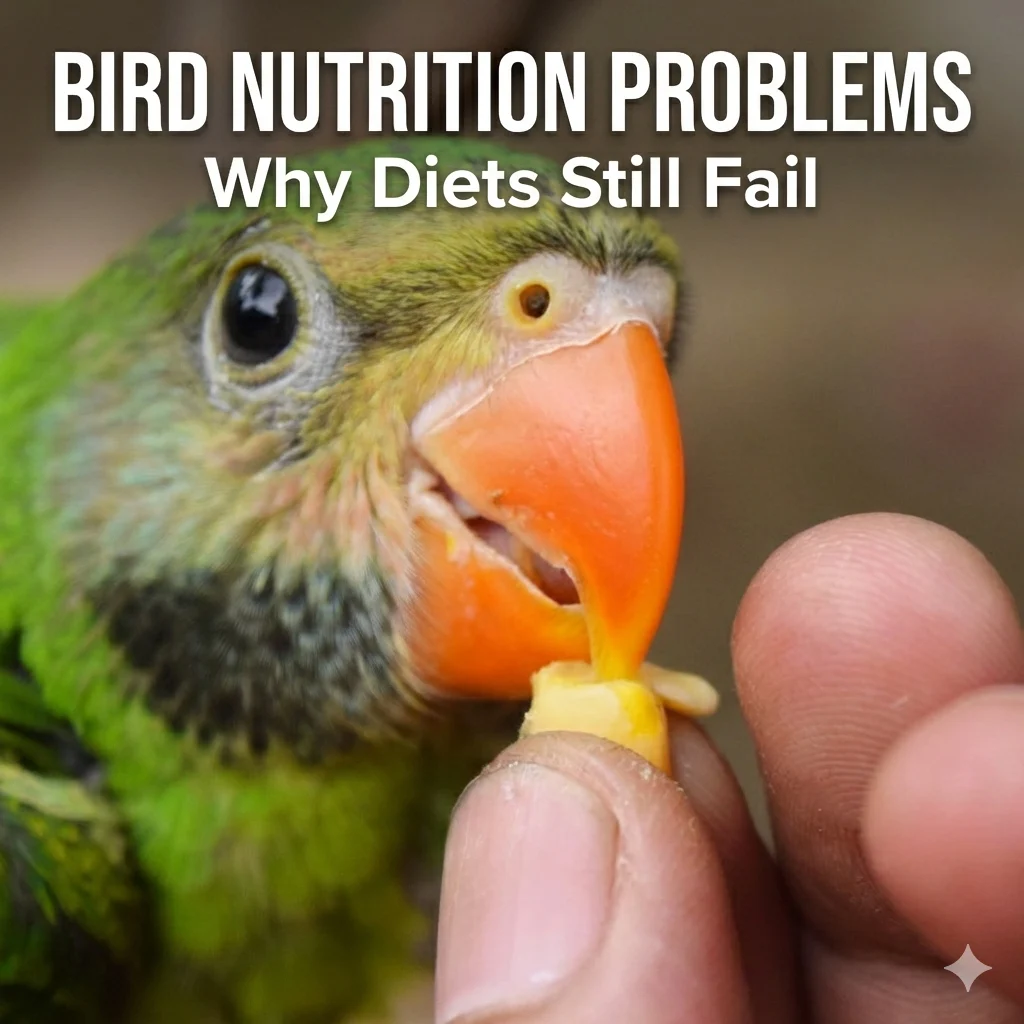
Despite diligent efforts by devoted pet bird owners, many parrots still exhibit signs of weakness, dull plumage, or subtle behavioral changes, even when seemingly provided with high-quality diets. This perplexing situation often stems not from a lack of nutritious food in the bowl, but from a breakdown in the complex metabolic journey that transforms dietary intake into usable biological components. The critical triumvirate of intake, absorption, and activation must function seamlessly for optimal avian health; a failure in any one of these stages can lead to insidious deficiencies that compromise a bird’s well-being. Avian experts consistently highlight that a "good diet" on paper does not automatically translate to a "good diet" at the cellular level, particularly for species with specific physiological needs and behavioral patterns that complicate nutritional management.
The Unseen Barriers: Why Nutrients Don’t Always Reach Their Target
The fundamental question, "My bird eats well – so why do they still look weak?" underscores a common misconception. Eating enough does not inherently guarantee that nutrients are being absorbed and utilized effectively. The journey of a nutrient from the food bowl to the bird’s cells is fraught with potential pitfalls. For instance, calcium, a cornerstone of avian health, must be absorbed through the intestinal wall and into the bloodstream. This intricate process is heavily dependent on the presence of adequate vitamin D3. Without proper environmental factors, such as sufficient ultraviolet B (UVB) light exposure, or direct dietary D3 supplementation, calcium cannot efficiently move into the bloodstream, irrespective of how much is consumed. This metabolic bottleneck can lead to a cascade of subtle yet debilitating health issues.
The Pillars of Avian Health: Calcium, Amino Acids, and Trace Minerals
Understanding the specific roles of key nutrients illuminates why their absence or impaired utilization can have profound effects.
-
Calcium + D3: Beyond Bone and Egg Security: This duo is paramount for far more than just strong bones and robust eggshells. Calcium plays a direct and critical role in nerve signaling, muscle contraction, and maintaining a stable heartbeat. It’s involved in blood clotting and even supports immune system function. When circulating calcium levels are marginal due to poor absorption, neuromuscular control is often the first system to show weakness. Owners might initially observe subtle signs like slipping toes, difficulty stabilizing on a perch, or a reduced grip strength, often before any overt illness manifests. For breeding hens, inadequate calcium and D3 can lead to thin-shelled or soft-shelled eggs, egg binding, and severe reproductive distress. Avian veterinary research has increasingly focused on the synergistic relationship between calcium and vitamin D3, emphasizing that supplementation without addressing D3 levels or UVB exposure is largely ineffective.
-
Amino Acids: The Building Blocks of Total Body Vitality: Amino acids are the fundamental components of proteins, essential for virtually every physiological process. They are crucial for feather growth and quality, muscle development and repair, enzyme production, hormone synthesis, and a robust immune response. A diet deficient in essential amino acids, common in seed-heavy regimens, can lead to poor feather condition (dullness, stress bars, delayed molting), compromised organ function, and a weakened immune system. Even birds on high-quality pellets might show compromised feather condition if underlying amino acid metabolism or absorption is inefficient, indicating a broader issue with protein synthesis or utilization.
-
Trace Minerals: Orchestrators of Hormonal Balance: While required in smaller quantities, trace minerals like zinc, selenium, iodine, and copper are indispensable cofactors for hundreds of enzymatic reactions and play a vital role in hormonal regulation, immune function, and cellular metabolism. For example, iodine is crucial for thyroid function, impacting metabolism and energy levels, while zinc is essential for skin, feather, and immune health. Deficiencies in these minerals can manifest as hormonal imbalances, leading to behavioral issues, reproductive problems, poor immune response, and overall reduced vitality. The complex interplay of these micronutrients means that a deficit in one can impact the efficacy of others, creating a domino effect on health.
Navigating the Pellet Predicament: Conversion Challenges and Seed Addiction
A frequent lament among bird owners is, "My bird won’t eat pellets. Will they starve?" This concern is valid and highlights a significant behavioral hurdle: avian neophobia. Parrots, particularly those raised on seeds, are "neophobic," meaning they exhibit a strong aversion to new or unfamiliar foods. This is an evolutionary survival trait; in the wild, unfamiliar foods could be toxic. Consequently, attempting a "cold turkey" pellet swap is not only ineffective but can be dangerous, as birds may choose starvation over consuming an unknown food item.
A successful dietary transition isn’t about simply withholding old food; it’s about building trust and understanding. Birds do not automatically recognize pellets as food if they were raised on seeds. Sudden removal of familiar food triggers food refusal and rapid weight loss because parrots are routine-driven eaters. Avian behavioral specialists and veterinarians advise a gradual transition, mixing small amounts of pellets into the existing diet while meticulously monitoring the bird’s weight and droppings to confirm actual intake. A gram scale becomes an indispensable tool during this period, with a drop of more than 3-5% body weight signaling inadequate intake, necessitating a slower transition. Caloric stability must always take precedence over immediate nutritional optimization.
The allure of seeds is another challenge. Seed-only diets, while seemingly satisfying to birds due to their high fat and caloric content, are notoriously deficient in bioavailable calcium, vitamin A, and essential amino acids. Birds on such diets often appear energetic, masking a slow development of nutrient imbalances that profoundly affect feathers, immunity, and bone strength. The preference for seeds is a learned feeding behavior driven by texture and fat content, not nutritional wisdom. This "seed addiction" creates a significant hurdle for owners trying to introduce a more balanced diet. The ideal approach, as advocated by leading avian nutritionists, combines a formulated pellet foundation (providing structured micronutrient balance) with measured fresh vegetables (offering phytonutrients and hydration) and controlled, limited seed use. This structured approach prevents the slow nutrient drift that seed-heavy diets inevitably create.
Beyond Intake: The Critical Role of Absorption and Activation
Even when birds consume pellets and fresh vegetables, health issues can persist, leading owners to question, "They eat pellets and veggies – so why isn’t it working?" The answer often lies in the concepts of nutrient absorption and activation. As previously discussed, calcium in the bowl does not equate to calcium in the bloodstream. Vitamin D3 is the critical activator, initiating the intestinal transport proteins that move calcium across the gut wall and into circulation. Without adequate D3, dietary calcium largely passes through the digestive system unutilized.
For many indoor birds, this is a significant problem. While window light may appear bright, ordinary window glass effectively blocks the beneficial UVB rays necessary for birds to synthesize vitamin D3 in their skin. This means indoor birds, despite eating a "good" diet, can remain metabolically "under-activated." Research published in the Journal of Avian Medicine and Surgery consistently highlights the prevalence of subclinical vitamin D3 deficiency in indoor pet birds lacking appropriate UVB exposure.
This lack of natural light also contributes to the phenomenon of "Why does everything get worse in winter?" Most parrots evolved in tropical regions where daylight length and intensity remain relatively stable year-round. In northern climates, winter brings dramatically shorter days and weaker sunlight, severely reducing natural UVB exposure. Reduced UVB directly translates to reduced D3 synthesis, which in turn impairs calcium utilization, even if dietary intake remains constant. Furthermore, light exposure regulates a bird’s circadian rhythm, hormone signaling, and overall metabolic stability. Inconsistent or shortened photoperiods can trigger irritability, reduced activity, weaker grip strength, delayed or poor-quality molts, and even reproductive issues. When environmental light shifts dramatically, but a bird’s physiology expects tropical consistency, behavior and structural strength often decline together.
The Efficacy of Supplementation: Food vs. Water and Targeted Support
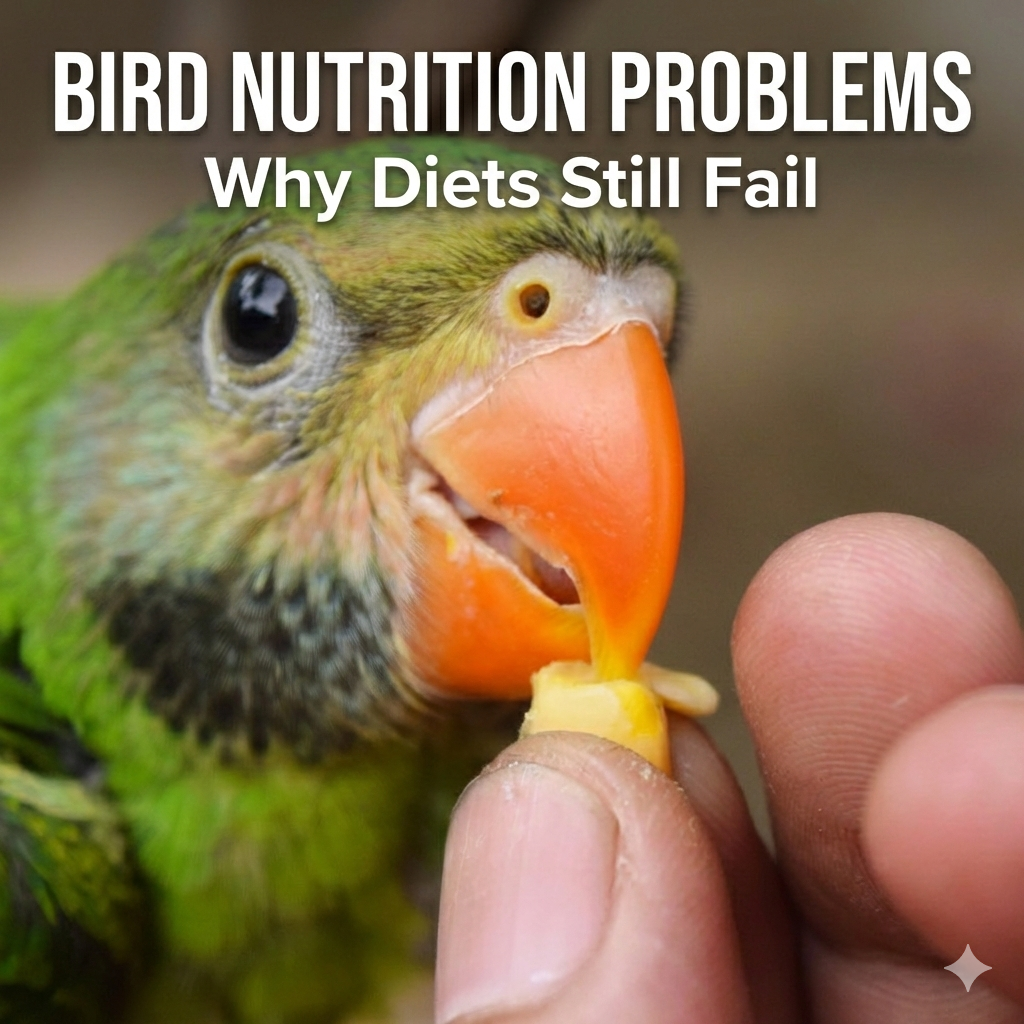
When considering supplements, owners often ask, "Do supplements in water actually work?" The answer is nuanced: water supplements can be effective, but only when specific variables are controlled – ingredient stability, consistent intake, and bioavailability. Water-soluble nutrients can degrade rapidly when exposed to light or warm water. Moreover, the actual dose a bird receives depends entirely on its daily water intake, which fluctuates considerably. This variability makes reliable dosing challenging and results unpredictable.
Food-based delivery, conversely, generally improves dose reliability because intake is more measurable. When a supplement is mixed into a known portion of chop or soft food, owners can more confidently confirm consumption, rather than estimating water intake. For nutrients like calcium, magnesium, biotin, or calming amino acids that require consistent dosing, controlled food application significantly reduces the risk of underdosing or waste.
A bird’s need for a calcium supplement is typically indicated by indoor housing without consistent UVB exposure, egg-laying hens (especially during breeding season), birds exhibiting weak grip strength, seasonal neuromuscular decline, or recurring thin-shelled eggs. However, supplementation should not be a haphazard endeavor. A properly formulated combination of calcium, magnesium, and D3 is crucial, as these nutrients work synergistically. Calcium alone is insufficient; D3 activates its absorption, and magnesium supports neuromuscular signaling and proper calcium regulation. Over-supplementation, particularly with synthetic vitamin A or calcium, can be detrimental, leading to liver stress, soft tissue mineralization, kidney strain, and metabolic imbalances. Intentional, species-appropriate dosing under veterinary guidance is paramount.
Decoding the Warning Signs: Deficiency or Something Worse?
Distinguishing between nutritional deficiencies and other illnesses is critical, leading to the question, "Is this Vitamin A deficiency, calcium deficiency – or something worse?" It is vital to emphasize that while Vitamin A and calcium imbalances are among the most common nutrition-related problems in parrots, the signs are educational, not diagnostic. Both critically low and excessively high levels of these nutrients can cause serious health complications and often mimic other diseases. Bloodwork and diagnostic imaging performed by an avian veterinarian are the only reliable ways to confirm a deficiency, toxicity, or underlying illness.
-
Signs of Vitamin A Deficiency: Vitamin A maintains the healthy epithelial lining in the mouth, sinuses, and respiratory tract. When deficient, this tissue thickens and loses its protective function, making it susceptible to bacterial colonization and infection. Visible changes can include dull or swollen nares (nostrils), poor feather quality, flaky skin, oral lesions (whitish plaques inside the beak), eye discharge, and respiratory issues (sneezing, wheezing). These changes often appear before lab abnormalities are detected and can be mistaken for "just getting older" or a chronic infection.
-
Signs of Hypocalcemia (Calcium Deficiency): Calcium regulates nerve transmission and muscle contraction. When circulating calcium levels drop, neuromuscular weakness appears first, often subtly, before progressing to a crisis. Symptoms can include reduced grip strength, inability to perch properly, tremors, seizures, difficulty breathing, reproductive problems (egg binding, soft-shelled eggs), and bone fragility. Acute calcium crashes are medical emergencies requiring immediate veterinary intervention.
When to Call an Avian Vet Immediately: Certain symptoms warrant immediate veterinary attention and are not "watch and wait" situations. These include:
- Sudden onset of seizures or tremors.
- Acute weakness or inability to stand/perch.
- Severe breathing difficulties (gasping, labored breathing).
- Prolonged lethargy or unresponsiveness.
- Visible oral lesions or persistent nasal discharge.
- Any sign of egg binding in a hen.
These signs can indicate acute calcium crashes, severe secondary infections due to vitamin A deficiency, or other unrelated systemic illnesses that can progress rapidly. An avian veterinarian can perform crucial diagnostic tests like blood calcium testing, radiographs, and provide supportive treatment that cannot be safely replicated at home. Documenting weight, grip strength, appetite, and behavioral changes is crucial information to provide your vet.
Implementing Solutions: A Holistic Approach
Ultimately, "What actually fixes the problem?" The solution hinges on identifying and correcting the weak link: intake, absorption, or activation. Optimal outcomes arise from a structured dietary approach, appropriate environmental light exposure, and targeted nutritional support when medically indicated, with progress tracked through behavioral observations and weight monitoring. Correcting one variable while ignoring others often leads to only partial improvement.
-
Correcting Vitamin A Deficiency: This primarily involves transitioning to a pellet-based diet that provides balanced, bioavailable vitamin A, complemented by dark leafy greens and orange/yellow vegetables. Improvement is often seen first in oral tissue color and reduction of nasal debris, not instantly in feathers. Dietary correction must be consistent; sporadic vegetable intake does not rebuild depleted tissue stores. Caution is advised against excessive synthetic vitamin A supplementation, as it can burden the liver.
-
Installing a Safe UVB Bird Light: Since glass blocks UVB, window light is insufficient. Installing a full-spectrum UVB bird light allows the skin to synthesize vitamin D3, enabling intestinal calcium absorption. Consistency of exposure (e.g., 8-12 hours daily during daylight hours) matters more than intensity; irregular exposure does not stabilize metabolism. It is crucial to replace UVB bulbs according to the manufacturer’s schedule, as their UVB output degrades over time, even if they still appear bright.
-
Using Calcium, Magnesium & D3 Together: For birds showing weak grip, seasonal decline, egg-laying stress, or indoor-only housing, an integrated supplement providing calcium, magnesium, and vitamin D3 is often required. This synergistic approach supports nerve signaling, muscle contraction, and bone stability. However, over-supplementation can stress kidneys and soft tissues, necessitating measured, species-appropriate dosing under professional guidance.
In conclusion, avian health is a delicate balance of intake, absorption, and activation. When these three fundamental stages are aligned, a bird’s strength returns, grip improves, feathers regain structure and sheen, and energy stabilizes. Pet birds do not fail because their owners lack care; they fail when one critical link in their metabolic chain is compromised. Understanding these complex interactions empowers owners to provide truly holistic care, ensuring their feathered companions thrive.

