


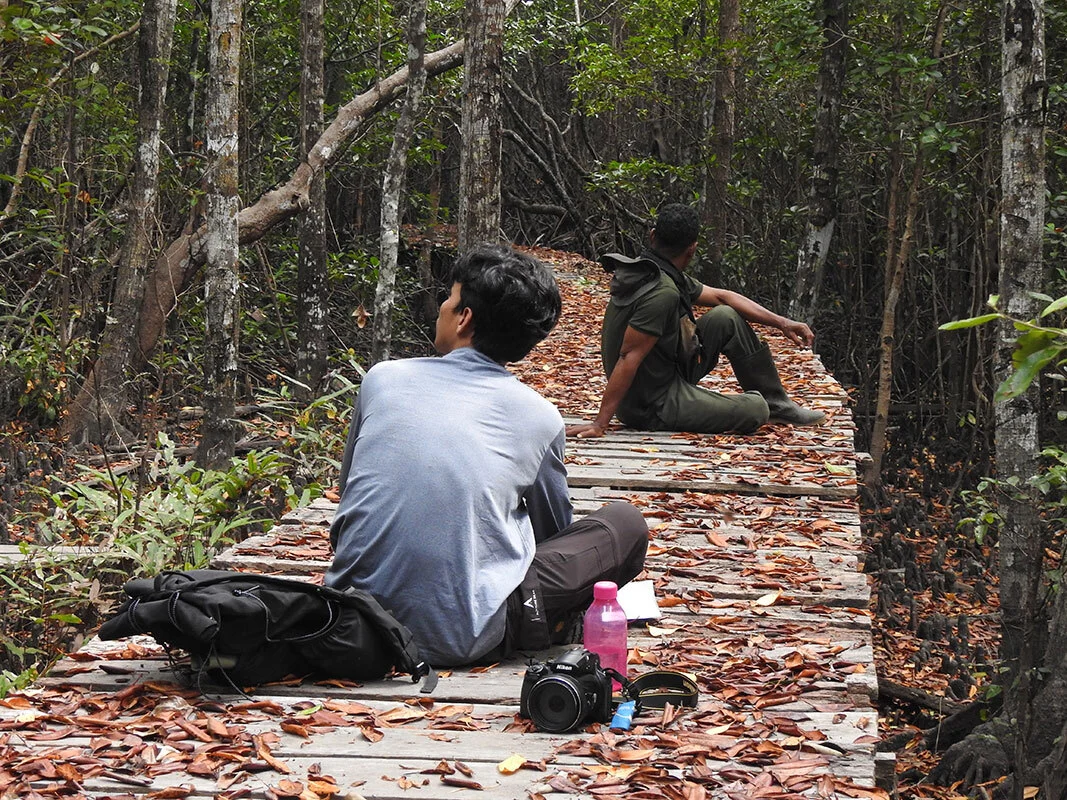
The pristine forests of Indonesia’s Maluku islands are currently facing an unprecedented environmental crisis as a series of intense wildfires sweep through the region, decimating the critical habitats of some of the world’s most iconic and endangered avian species. From the majestic Moluccan cockatoo to the vibrant red lory, the biological diversity of this eastern archipelago is under siege. As the smoke clears, conservationists and local authorities are beginning to quantify the profound ecological damage, which threatens not only the individual survival of these birds but the long-term viability of entire ecosystems that have taken centuries to evolve.
A Chronology of Destruction: The September-October 2026 Fire Crisis
The current wildfire outbreak has been marked by a staggering frequency of ignition points, particularly concentrated in the latter half of 2026. Local authorities in Ambon, the capital of the Maluku province, reported a alarming spike in fire activity between late September and mid-October. Within this narrow three-week window, officials documented at least 34 separate fire incidents.
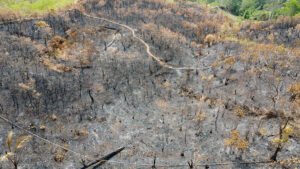
The progression of these fires has been rapid, fueled by a combination of seasonal dryness and, in many instances, land-clearing practices that spiral out of control. By mid-October, reports from the Forest Management Unit (KPH) indicated that the East Seram Regency had suffered the most severe impact, with approximately 10,258 hectares of forest and land reduced to ash. This loss is not merely a statistical figure; it represents the systematic destruction of high-canopy forests that serve as the primary life-support system for local fauna.
The Ecological Toll: Beyond the Flames
The immediate impact of a forest fire is devastating to ground-dwelling species, including reptiles and amphibians, which lack the mobility to escape the rapidly advancing heat. However, for avian species like the Moluccan cockatoo, the tragedy is more insidious. Even if the birds successfully take flight to escape the smoke and heat, they return to a landscape that is no longer capable of sustaining them.
Forests are intricate, multi-layered networks. Parrots, in particular, are specialized feeders and nesters. They rely on mature, old-growth trees for their caloric intake—seeds, fruits, and nuts—and for their reproductive success. Many of these species require large, ancient tree hollows for nesting, which can take decades or even centuries to form. When a fire sweeps through a canopy, it destroys the current food source and eliminates the possibility of future breeding for generations. The removal of these nesting sites creates a "bottleneck" effect, where population growth is stifled even if adult mortality remains relatively low.
The Vulnerability of Manusela National Park
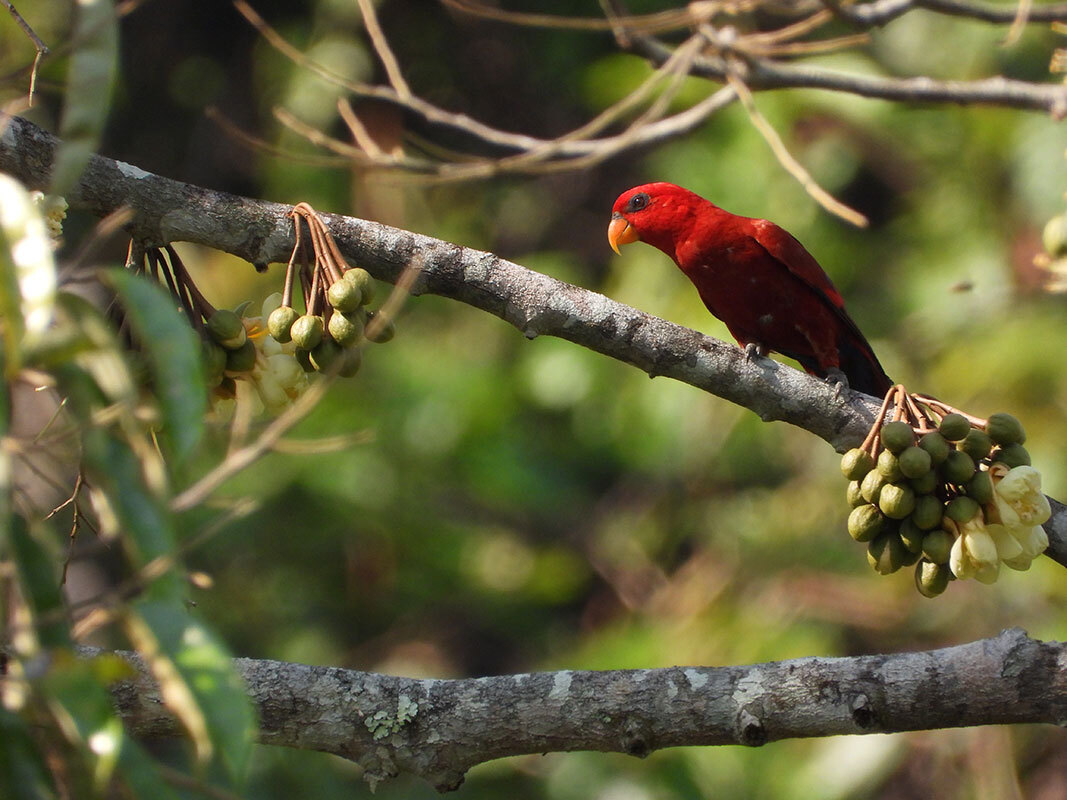
One of the most concerning aspects of the current crisis is the proximity of these fires to protected areas, most notably Manusela National Park. As a stronghold for biodiversity in the region, the park provides a refuge for at least 11 unique parrot species. According to research and monitoring efforts led by the Perkumpulan Konservasi Kakatua Indonesia (KKI), the list of at-risk species includes the Salmon-crested Cockatoo, the Moluccan Eclectus Parrot, the Moluccan King Parrot, the Red Lory, the Purple-naped Lory, the Coconut Lorikeet, the Blue-eared Lory, the Red-cheeked Parrot, the Red-flanked Lorikeet, the Red-breasted Pygmy Parrot, and the Great-billed Parrot.
Dwi Agustina, representing KKI, emphasized the difficulty in establishing a precise census of affected birds during the active phase of the disaster. "Regarding the recent fires, we still do not have reliable data on how many parrots have been affected," Agustina stated. "However, the burned areas include habitats for 11 parrot species within Manusela National Park. Although we cannot yet confirm the direct impact on these species, the potential consequences are a serious concern. Collecting field data is essential to determine the extent of the damage and guide appropriate conservation responses."
Scientific and Conservation Response
The scientific community is currently grappling with the multi-dimensional challenge of recovery. It is not sufficient to simply extinguish the fires; restoration ecology must be applied to prevent the collapse of local bird populations. The KKI team is currently focusing on three key areas of investigation:
- Direct Mortality Assessment: Determining the scale of immediate loss among both adult populations and nestlings.
- Habitat Fragmentation Analysis: Mapping how the loss of forest corridors affects the daily movement and foraging behavior of the flocks.
- Resource Availability: Assessing the survival rate of essential food-bearing trees and nesting sites within the perimeter of the burnt zones.
The integration of local community knowledge with scientific methodology has proven to be the most effective strategy. Indigenous residents and local land users are often the first to identify the ignition of a fire, providing early-warning data that can be used by the KPH and other regional authorities to mobilize fire-suppression efforts.
The Socio-Economic Drivers of Forest Loss
The recurrence of these fires in Maluku is deeply tied to the broader socio-economic landscape of Indonesia. Land-use policies, agricultural expansion, and the traditional practice of "slash-and-burn" agriculture—often intensified by climate-driven drought conditions—create a volatile environment. The 2026 fire season, in particular, highlights the friction between the need for regional economic development and the imperative of environmental conservation.
Data suggests that as the climate continues to shift, these fires are likely to increase in frequency and intensity. This creates a "feedback loop": as forests are burned, the regional microclimate becomes drier, which in turn makes the remaining forest patches more susceptible to future fires. Breaking this cycle requires a fundamental shift in how forest management is approached, moving from reactive fire-fighting to proactive landscape management.
Moving Toward Long-Term Solutions
The path forward requires a unified approach involving the Indonesian government, international conservation NGOs, and local stakeholders. Funding, such as the recent donation provided by Lafeber to KKI, is essential for equipping field teams with the necessary tools for monitoring, surveillance, and habitat restoration.
Experts suggest that future conservation efforts must prioritize:
- Enhanced Satellite Monitoring: Implementing real-time remote sensing to detect fires before they spread beyond manageable limits.
- Community Fire Brigades: Empowering local villages with training and equipment to suppress fires in their early stages.
- Reforestation of Buffer Zones: Creating "green firebreaks" around protected areas like Manusela National Park to minimize the risk of fire encroachment.
The situation in Maluku serves as a microcosm for the global struggle to protect endangered species in the face of climate-driven disasters. For the Moluccan cockatoo and its avian counterparts, the forest is not just a home; it is an irreplaceable biological legacy. The current crisis is a stark reminder that the protection of these species is inextricably linked to the protection of the forests themselves.
As the KKI continues its monitoring work in the aftermath of the recent blazes, the international community watches with concern. The loss of 10,258 hectares in a single regency is a profound blow to biodiversity, but it also serves as a rallying point for conservationists. If immediate and sustained action is taken, there remains a window of opportunity to mitigate the long-term impact on these unique parrot populations.
Those interested in supporting these efforts or contributing to the research and protection initiatives of the KKI are encouraged to reach out to the organization directly. By bridging the gap between local field research and global conservation support, there is a tangible hope that the vibrant colors of the red lory and the unique calls of the cockatoo will continue to echo through the canopies of Maluku for generations to come. The crisis of 2026 may be a dark chapter in the region’s history, but it is also a catalyst for a more robust and unified approach to environmental stewardship in the Indonesian archipelago.

