


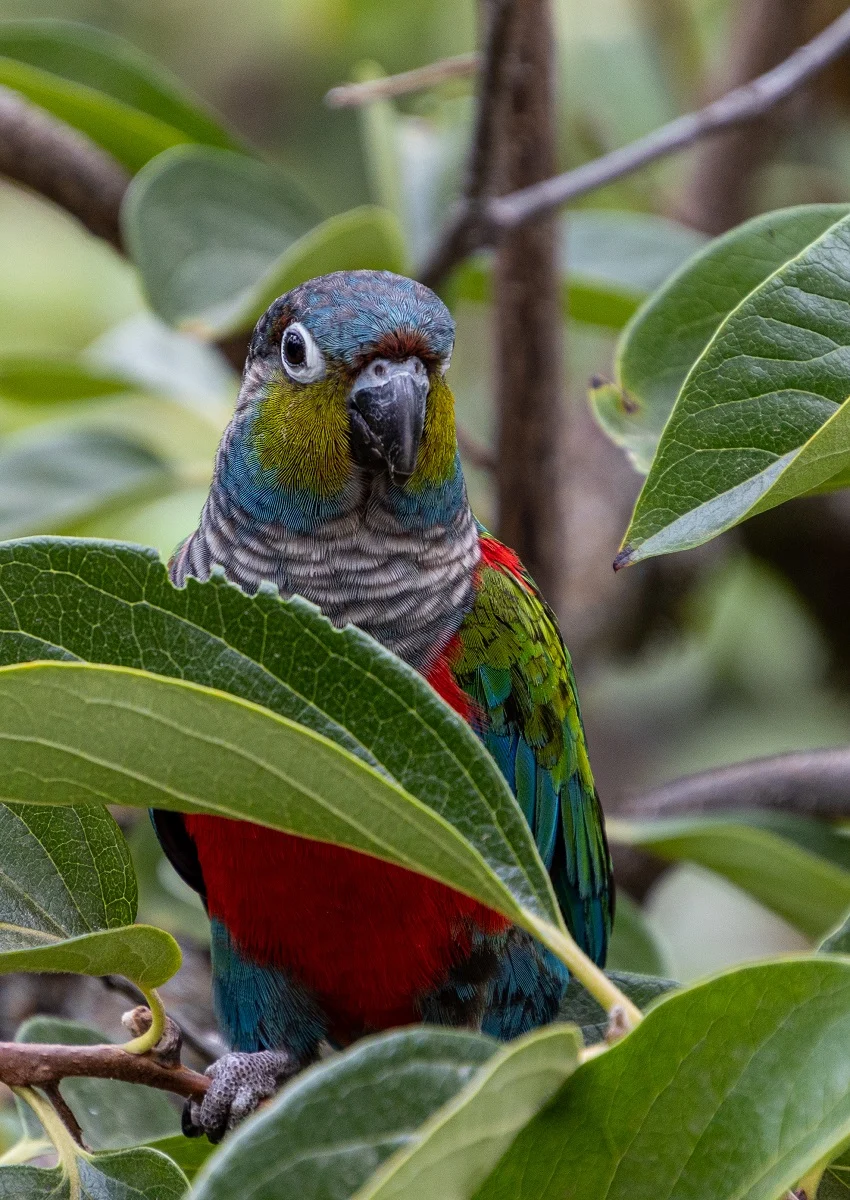
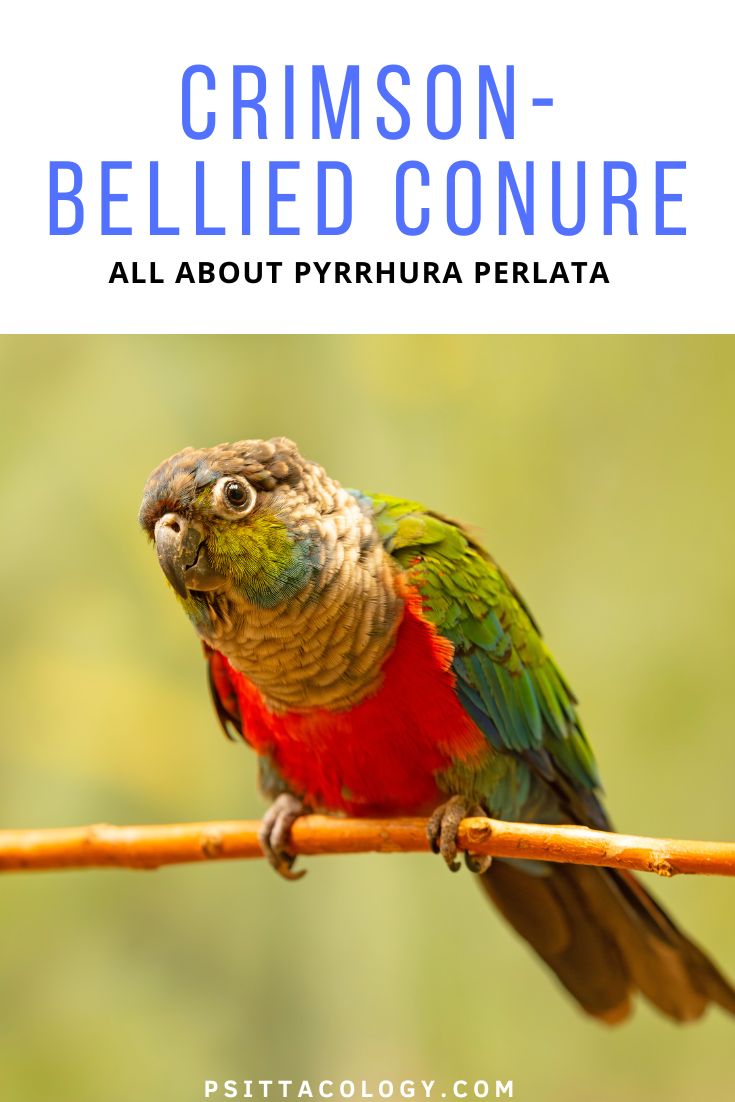
The crimson-bellied conure, scientifically classified as Pyrrhura perlata and frequently referred to in aviculture as the crimson-bellied parakeet, represents one of the most vividly marked yet manageable companion parrot species available to modern bird enthusiasts. Originating from the dense, biodiverse rainforests of the central South American tropics—predominantly within the Brazilian Amazon basin and stretching down into northern Bolivia—this small psittacine has steadily transitioned from a regional wild species into a sought-after household pet. Reaching a modest adult size of approximately 10 inches (25 centimeters) in length and weighing up to 90 grams, the species strikes an optimal balance for owners seeking an intelligent, interactive avian companion without the immense spatial and acoustic demands associated with larger cockatoos or macaws.
To fully understand the husbandry requirements and behavioral profile of Pyrrhura perlata, prospective owners must examine its natural evolutionary background, nutritional adaptations, cognitive needs, and long-term maintenance protocols. Avian veterinarians and conservation biologists alike emphasize that bringing a crimson-bellied conure into a domestic environment requires a comprehensive understanding of the species’ biological imperatives, ensuring that captive welfare meets or exceeds the stimulation found in their native habitats.
Taxonomy, Physical Characteristics, and Morphological Development
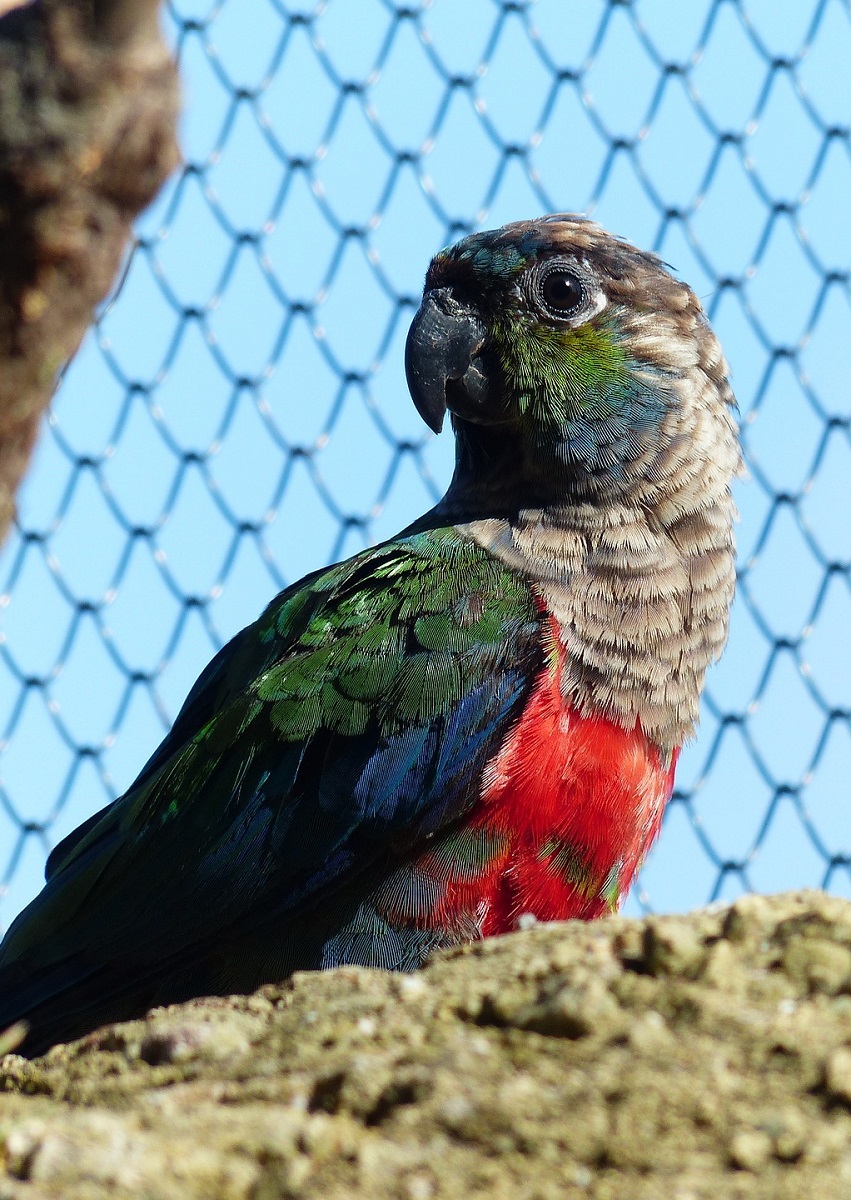
The taxonomy of Pyrrhura perlata places it within the genus Pyrrhura, a group of long-tailed, predominantly green-bodied conures native to Central and South America. Visually, the species is distinguished by an extraordinary palette of colors that sets it apart from more common conure variants, such as the green-cheeked conure. The namesake crimson belly features a rich, iridescent red that develops gradually as the bird matures. Juvenile birds typically lack the full intensity of this coloration, requiring up to a full calendar year of post-fledging development before their characteristic bright red plumage completely manifests.
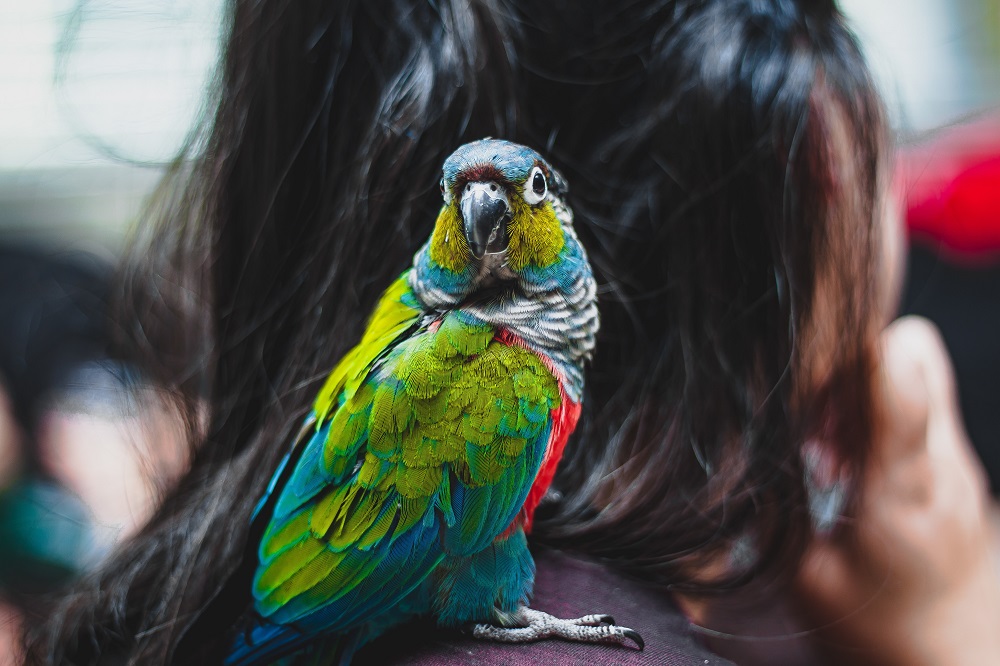
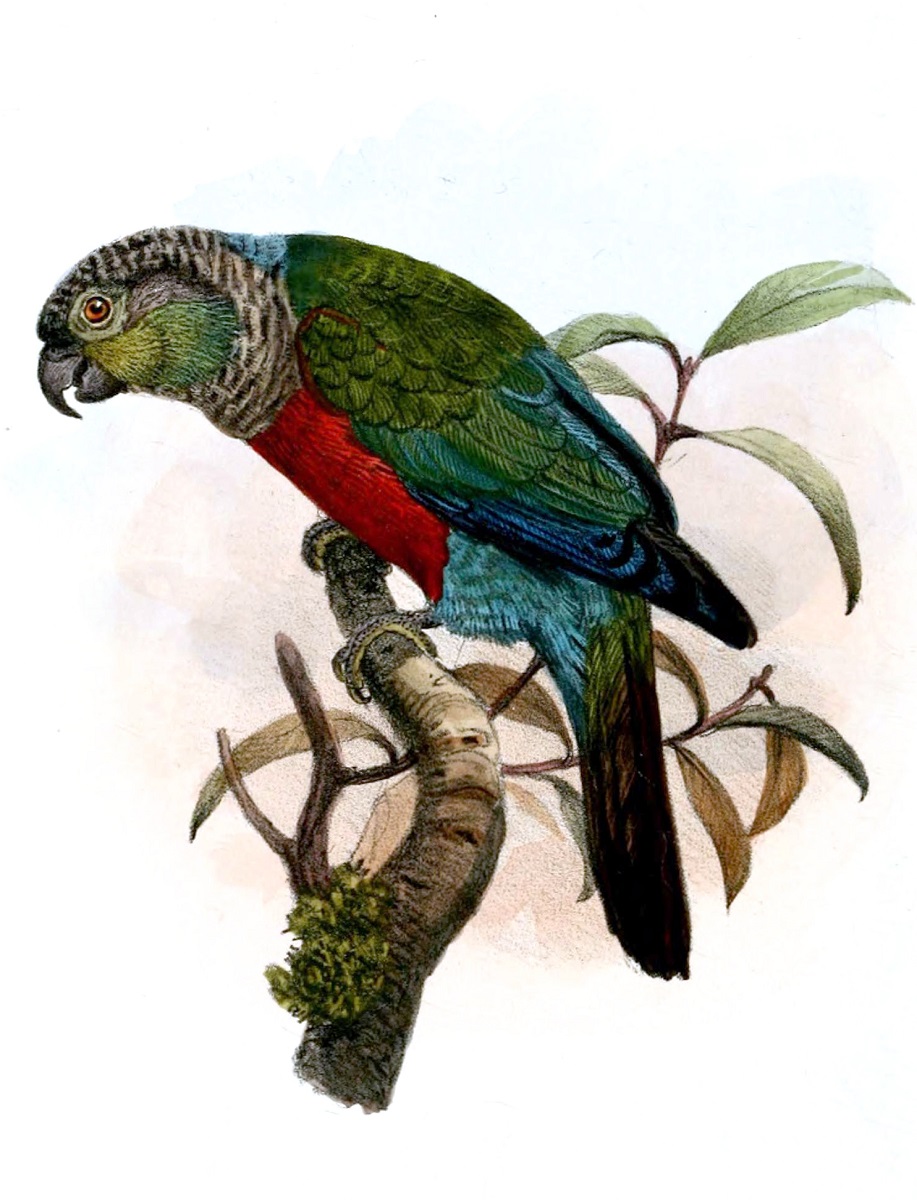
Beyond the red abdomen, the crimson-bellied conure displays striking blue primary wing feathers, a grayish-brown head, and intricate scalloping across the chest and neck. The species is further characterized by distinctive white orbital eye rings framing dark eyes, a sharp black beak designed for husking seeds and cracking hard-shelled nuts, and a long, graduated tail. In terms of sexual dimorphism, the species is visually monomorphic. External physical observation alone cannot determine the sex of an individual specimen, necessitating molecular DNA testing via feather or blood samples for accurate gender identification.
Natural Habitat, Geographic Distribution, and Conservation Status
In the wild, the geographic range of Pyrrhura perlata is primarily centered in the Brazilian Amazon basin, with significant populations documented in the state of Rondônia and extending southward into the northern reaches of Bolivia. Their preferred ecological niche consists of primary and secondary terra firme forests—lush rainforest environments that remain unaffected by seasonal flooding. These birds rarely inhabit flooded varzea forests, instead favoring the dense canopies, forest edges, and transitional zones where a high density of fruit-bearing trees and hollow-bearing timber exists.
Wild crimson-bellied conures operate primarily in small, highly social flocks ranging from a half-dozen to twenty individuals. These flocks frequently intermingle with related species, such as the painted conure, while foraging through the upper strata of the canopy. For nesting, the species relies exclusively on natural tree hollows, excavating or utilizing pre-existing cavities high above the forest floor to lay and incubate clutches of eggs.
From a conservation standpoint, the International Union for Conservation of Nature (IUCN) currently lists Pyrrhura perlata as a species of Least Concern. However, wildlife biologists and conservation monitoring groups emphasize that wild populations are experiencing a steady, observable decline. This negative demographic trend is directly attributed to widespread anthropogenic pressures, specifically intensive deforestation within the Amazon basin for agriculture and logging, alongside localized capture for the international pet trade. Sustainable captive breeding programs and strict regulatory frameworks, such as CITES protections, play a crucial role in mitigating the demand for wild-caught specimens, ensuring that the pet trade relies entirely on captive-bred generations.
Nutritional Requirements: Wild Diet Versus Captive Husbandry
The dietary habits of the crimson-bellied conure reflect its adaptation to the hyper-diverse flora of the Amazon rainforest. In their natural ecosystem, these birds consume a wide array of seasonal fruits, wild figs, floral blossoms, and developing catkins. A notable behavioral adaptation observed in wild populations is geophagy—the deliberate ingestion of mineral-rich soil found at natural clay licks. Avian scientists note that this behavior allows wild parrots to absorb vital micronutrients, neutralize plant-based toxins consumed during foraging, and supplement essential mineral intake.
Translating these complex nutritional needs into a domestic setting requires careful dietary planning. Historical practices of feeding companion parrots an exclusively seed-based diet have been soundly rejected by contemporary avian veterinarians, including resident experts at avian health institutions. Seed-heavy diets are notoriously deficient in essential vitamins, minerals, and amino acids, predisposing captive conures to severe malnutrition, hepatic lipidosis (fatty liver disease), and shortened lifespans.
To ensure optimal health, a captive crimson-bellied conure’s daily nutritional intake should be structured around the following framework:
- Staple Diet: High-quality, commercially formulated parrot pellets designed to provide a balanced baseline of macronutrients and micronutrients.
- Fresh Produce: Daily portions of fresh, washed vegetables rich in beta-carotene and calcium (such as dark leafy greens, carrots, and squash), supplemented regularly with safe, low-sugar fruits.
- Complex Carbohydrates and Forage: Occasional additions of cooked whole grains like brown rice, quinoa, and rolled oats, alongside foraged, pesticide-free grasses.
- Hydration: Unrestricted, 24-hour access to clean, fresh drinking water, ideally refreshed multiple times daily across multiple hydration stations within the enclosure.
Housing, Spatial Dynamics, and Environmental Setup

Despite their relatively small physical stature—measuring roughly 10 inches and weighing up to 90 grams—crimson-bellied conures possess high metabolic rates and an abundance of physical energy. Consequently, spatial constraints in captivity can lead to sedentary behavior, obesity, and psychological distress.
Avian husbandry guidelines dictate that housing must be as large as practically possible. For a bird that spends a significant portion of the day secured inside its enclosure, a cage width of at least 36 inches (90 centimeters) is recommended to allow for short flights, wing flapping, and climbing maneuvers. If the cage door remains open for the majority of the day to grant the bird free-roaming privileges within a bird-proofed room, a slightly smaller primary enclosure may suffice. Conversely, if the conure must remain housed for extended periods, an indoor aviary setup is strongly advised.
Internal enclosure design is equally critical. Traditional plastic or smooth wooden dowel perches should be avoided, as uniform pressure on the footpads can cause bumblefoot and pressure sores over time. Instead, enclosures must be outfitted with a diverse array of natural wood perches varying in diameter and texture, which promotes foot health and exercises different muscle groups. Furthermore, the incorporation of varied perching angles and secure hanging hardware prevents territorial guarding and encourages natural movement.
Cognitive Enrichment, Behavioral Health, and Socialization
Possessing high levels of avian intelligence, crimson-bellied conures require continuous mental stimulation to prevent the onset of chronic boredom. In captive environments, a lack of enrichment frequently triggers severe behavioral pathologies, including excessive vocalization, stereotypic feather-plucking, stress-induced aggression, and self-mutilation.
To mitigate these risks, owners must implement a dynamic environmental enrichment program. Key strategies include:
- Foraging Toys: Hiding food items inside cardboard boxes, paper twists, or puzzle feeders to simulate the natural time-budget expenditure wild birds spend searching for sustenance.
- Chewable Materials: Providing safe, untreated soft woods, balsa blocks, and woven vine balls to satisfy the conure’s biological urge to chew and strip bark.
- Social Interaction: Engaging in daily out-of-cage interaction, target training, and socialization exercises, as Pyrrhura conures form strong bonds with their human caretakers.
- Environmental Variation: Periodically rearranging toys and introducing novel objects within the enclosure to stimulate curiosity and prevent habituation.
Any room accessible to the conure must undergo rigorous "bird-proofing." This involves eliminating hazards such as toxic houseplants, non-stick cookware coatings (which emit lethal polytetrafluoroethylene fumes when overheated), open water sources, and exposed electrical wiring.
Temperament, Vocalizations, and Human Integration
Within the avicultural community, conures of the genus Pyrrhura are widely celebrated for their playful, affectionate, and occasionally mischievous disposition. Often characterized by experienced keepers as "lovable rogues," crimson-bellied conures exhibit high levels of curiosity and a clownish demeanor. A well-socialized individual typically enjoys physical contact, frequently seeking out its owner’s shoulder for resting or accepting gentle head scratches. However, their high intelligence also means they can test boundaries, occasionally using their beaks to playfully test or nip at human skin if social cues are misread.
Regarding vocalization, crimson-bellied conures occupy a moderate position on the acoustic spectrum. While significantly quieter than larger conure species (such as the Nanday or Patagonian conure) and far less disruptive than macaws or cockatoos, they are by no means silent. Owners should anticipate sharp, high-pitched contact calls when the bird becomes excited, startled, or demands attention. Before acquisition, prospective owners are advised to audit recorded vocalizations or visit established breeders to ensure their living arrangements can accommodate the species’ natural call volume.
In terms of mimicry, Pyrrhura conures possess a limited capacity for human speech. While exceptional individuals may learn to articulate a handful of distinct words or phrases, the species is far more inclined to mimic common household noises—such as microwave chimes, telephone rings, or creaking doors—rather than engage in fluent human conversation.
Longevity and Long-Term Commitment
A critical factor that must be evaluated prior to acquiring a crimson-bellied conure is its exceptional lifespan. Supported by proper veterinary care, a balanced, species-appropriate diet, and a stimulating psychological environment, Pyrrhura perlata routinely achieves a lifespan exceeding 20 years in captivity. Consequently, adopting one of these colorful South American parrots represents a multi-decade responsibility comparable to the commitment required for a dog or cat. Prospective owners must account for long-term lifestyle stability, veterinary emergency funds, and future care arrangements to ensure the bird’s well-being throughout its entire life cycle.

