


The ethical implications of the live-animal retail industry have returned to the forefront of national discourse following a comprehensive three-month undercover investigation into the supply chain of Petco, one of the largest pet specialty retailers in the United States. The investigation, conducted by People for the Ethical Treatment of Animals (PETA), focused on Creekside Birds, a massive parakeet breeding facility that serves as a primary supplier for Petco. The findings, which have led to citations for thousands of violations of the federal Animal Welfare Act (AWA), document a pattern of extreme neglect and physical abuse that has sparked a nationwide campaign to end the sale of birds in retail environments.
The Scope of the Undercover Investigation
The investigation into Creekside Birds began in early 2026, with an undercover operative documenting daily operations within the facility. The resulting report alleges that the facility maintained approximately 10,000 parakeets in conditions characterized by severe overcrowding and lack of sanitation. Over a period of just 27 days, the investigator recorded nearly 1,400 avian deaths, suggesting a mortality rate that animal welfare experts describe as catastrophic.
Evidence gathered during the three-month period includes video footage and testimony regarding the treatment of sick and injured animals. According to the investigation, a co-owner and a senior employee were observed utilizing lethal force on birds in a manner that violates standard veterinary euthanasia protocols. Documentation suggests that live birds were subjected to decapitation and the crushing of their necks. Furthermore, the report indicates that thousands of birds were denied veterinary care for various ailments and injuries, left instead to languish in cramped, unsanitary enclosures.
The United States Department of Agriculture (USDA), which is responsible for enforcing the Animal Welfare Act, has reportedly issued a series of citations following the disclosure of these findings. These citations address not only the physical treatment of the animals but also the systemic failure to provide a habitat that meets basic federal standards for health and safety.
Chronology of Public Advocacy and Corporate Confrontation
The release of the investigation’s findings in June 2026 triggered a rapid escalation of public demonstrations and corporate pressure. The timeline of events reflects a strategic effort to hold Petco executives accountable during high-visibility corporate milestones.
Early June 2026: Initial Disclosure and Local Protests
Following the publication of the investigative report, advocates organized a series of demonstrations at retail locations. In Chicago, protesters gathered outside a prominent Petco store, utilizing large-scale imagery of the conditions found at Creekside Birds. The demonstration aimed to bridge the gap between the polished retail environment and the industrial breeding facilities that supply it. Advocates cited whistleblower reports from former Petco employees, including one account of a parakeet being pecked to death by stressed cagemates, an incident attributed to the high-density housing of birds in retail stores.
Mid-June 2026: Direct Action at Corporate Headquarters
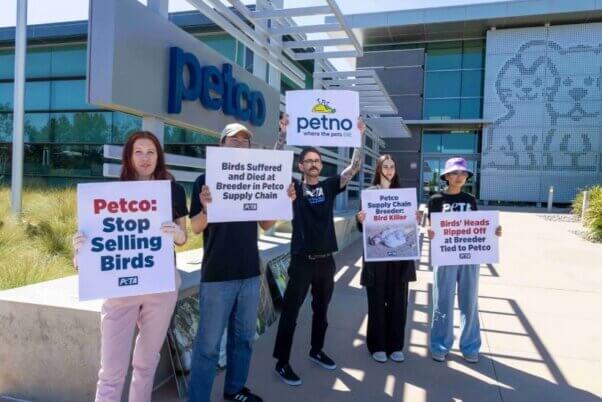
One week after the footage was made public, more than 30 activists gathered at Petco’s corporate headquarters in San Diego. The protest was notable for its attempt to bring the evidence directly to corporate leadership. A group of advocates entered the building with the intention of screening the investigative footage for executives. While corporate staff declined to view the evidence and requested the group’s departure, the demonstration continued on the public sidewalk, drawing significant attention from local commuters and employees.
June 30, 2026: The Annual Shareholder Meeting
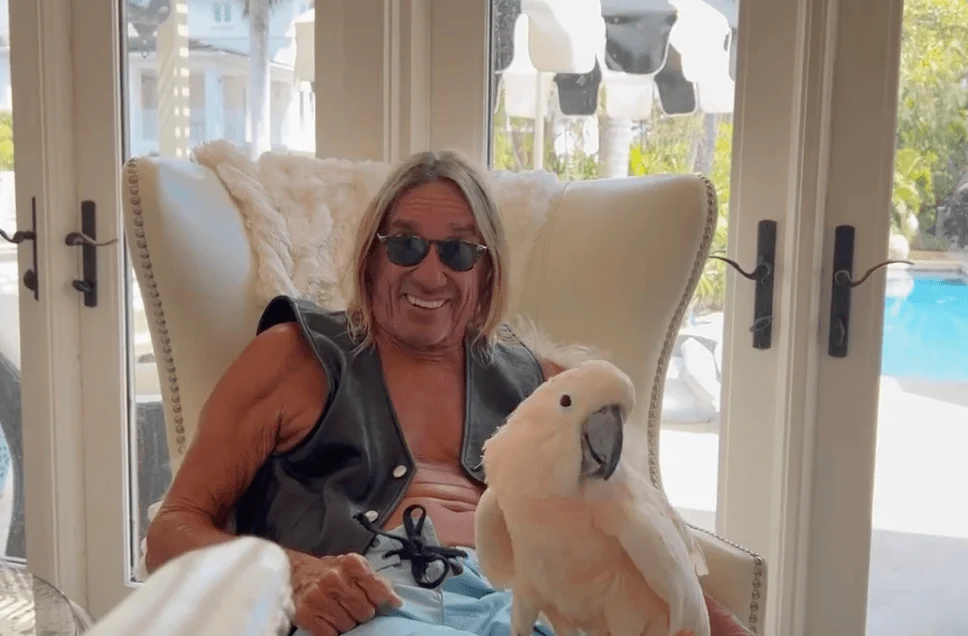
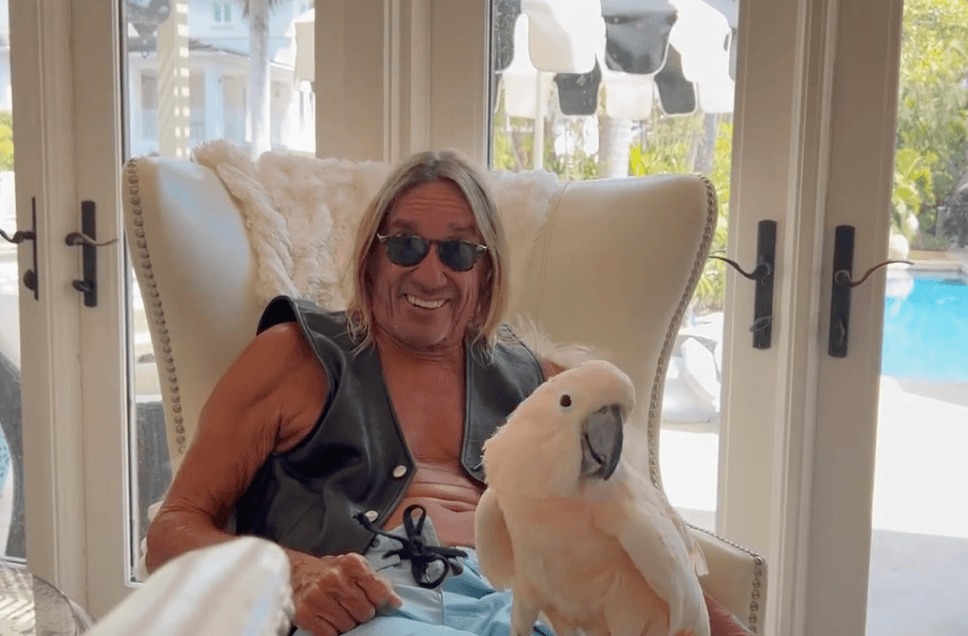
The campaign reached a peak during Petco’s annual shareholder meeting. PETA utilized its status as a shareholder to gain access to the meeting, where they were represented by iconic musician and animal advocate Iggy Pop. The artist, known for his public bond with his cockatoo, Biggy Pop, addressed the board of directors directly. He questioned the board on the company’s timeline for ending the sale of birds, citing the inherent difficulty of ensuring humane treatment within a mass-production supply chain.
Outside the meeting, supporters utilized mobile screens to broadcast the undercover footage to attendees and passersby, maintaining a presence that emphasized the disconnect between the company’s "pet wellness" branding and the findings of the investigation.
Biological and Ecological Context of Avian Welfare
The controversy surrounding the sale of parakeets—specifically budgerigars—is rooted in the complex biological needs of these animals. Parakeets are small parrots native to the arid regions of Australia. In their natural habitat, they are highly social, migratory birds that live in large flocks. They are known to fly significant distances daily in search of food and water, engaging in complex social behaviors such as mutual preening and cooperative foraging.
Ethologists argue that the retail model for bird sales is fundamentally incompatible with these needs. In nature, parakeets are monogamous and mate for life, exhibiting high levels of emotional intelligence. In the industrial breeding environment, however, birds are often treated as interchangeable units of merchandise. The confinement of thousands of birds in small cages prevents the expression of natural behaviors, leading to psychological stress, feather plucking, and increased aggression among cagemates.
The high mortality rates documented at Creekside Birds are, according to welfare advocates, a direct consequence of prioritizing volume over individual care. When animals are produced at such a scale, the cost of individual veterinary intervention often exceeds the retail value of the animal, creating a financial incentive for neglect or improper euthanasia.
Analysis of the Regulatory and Retail Landscape
The citations issued against Creekside Birds highlight a broader issue within the regulatory oversight of the "pocket pet" and avian industry. While the Animal Welfare Act provides a framework for the treatment of animals in commercial facilities, enforcement is often hampered by limited USDA resources and the sheer number of facilities in operation.
Petco has previously made concessions regarding the sale of large avian species. Following previous negotiations and public pressure, the company ceased the sale of large parrots, including Macaws, Cockatoos, and Amazon parrots. These species were deemed too complex and long-lived for the traditional retail environment. However, the company has continued the sale of smaller birds like parakeets and finches, which remain a significant segment of the live-animal market.
Market analysts suggest that the retail industry is currently at a crossroads. There is a growing trend toward "adoption-only" models for dogs and cats in major retail chains, a shift driven by both legislative changes and consumer demand for ethical sourcing. The current investigation into the bird supply chain may accelerate a similar shift for avian and exotic species.
Official Responses and Industry Implications
In response to the allegations, Petco has historically maintained that it holds its suppliers to high standards of animal care through its "Petco Certified" program. This program involves audits and inspections intended to ensure compliance with welfare standards. However, the findings at Creekside Birds suggest a failure in the auditing process, as the facility was able to maintain its status as a supplier despite thousands of alleged AWA violations.
The fallout from this investigation is expected to have several long-term implications:
- Increased Transparency Demands: Consumers are increasingly demanding "gate-to-shelf" transparency regarding the origins of live animals sold in stores.
- Legislative Pressure: The documentation of decapitation and lack of veterinary care may provide ammunition for state and local governments to introduce bans on the retail sale of birds, similar to existing bans on "puppy mill" dogs.
- Corporate Policy Shifts: As celebrity advocates like Iggy Pop bring these issues to shareholder meetings, corporate boards must weigh the reputational risk of live-animal sales against the profit margins those sales generate.
- Shift to Rescue Models: There is a potential for retailers to pivot toward partnering with bird rescues and sanctuaries for adoptions, rather than sourcing from industrial breeders.
As of late June 2026, Petco has not officially announced a ban on all bird sales, but the intensity of the current campaign and the volume of federal citations suggest that the company is facing unprecedented pressure to reform its sourcing practices. The outcome of this dispute will likely set a precedent for the entire pet retail industry, determining whether the sale of mass-bred birds remains a viable business model in an increasingly ethics-conscious market.

