
By Diane Burroughs
Published: Sep 20, 2026
Last updated: Sep 20, 2026
The integration of nutritional supplements into the diets of companion birds is a frequent point of contention for avian owners. While veterinarians often prescribe vitamins, calcium, or joint support to address specific wellness concerns, the inherent neophobia—or fear of the new—found in many psittacine species can lead to significant feeding challenges. When a bird detects a change in the sensory profile of its diet, it often reacts with immediate rejection, creating a barrier to effective care. Addressing this requires a transition from viewing supplementation as a forced addition to viewing it as a structured behavioral training process.
Understanding Avian Dietary Neophobia
Birds possess highly developed sensory systems, particularly in their ability to detect subtle variations in the appearance, odor, and texture of their food. Research in avian nutrition indicates that parrots, in particular, are biologically predisposed to be wary of novel food items as a survival mechanism against potential toxins in the wild. When a caretaker introduces a powdered supplement to a familiar bowl of chop or pellets, the avian subject perceives an anomaly.
Rather than viewing this as a simple refusal, behavioral experts suggest that owners should classify this resistance as a standard psychological reaction. The objective is not to mask the supplement through deception, but to facilitate a process of habituation and positive reinforcement. This methodology aligns with established practices in captive animal management, where enrichment and behavioral shaping are used to improve medical compliance without inducing stress.
Chronology of a Successful Supplement Introduction
The process of introducing a supplement should follow a predictable, low-pressure timeline. For most birds, the transition period spans several days to two weeks, depending on the individual’s temperament.
Phase 1: Initial Exposure (Days 1–3)
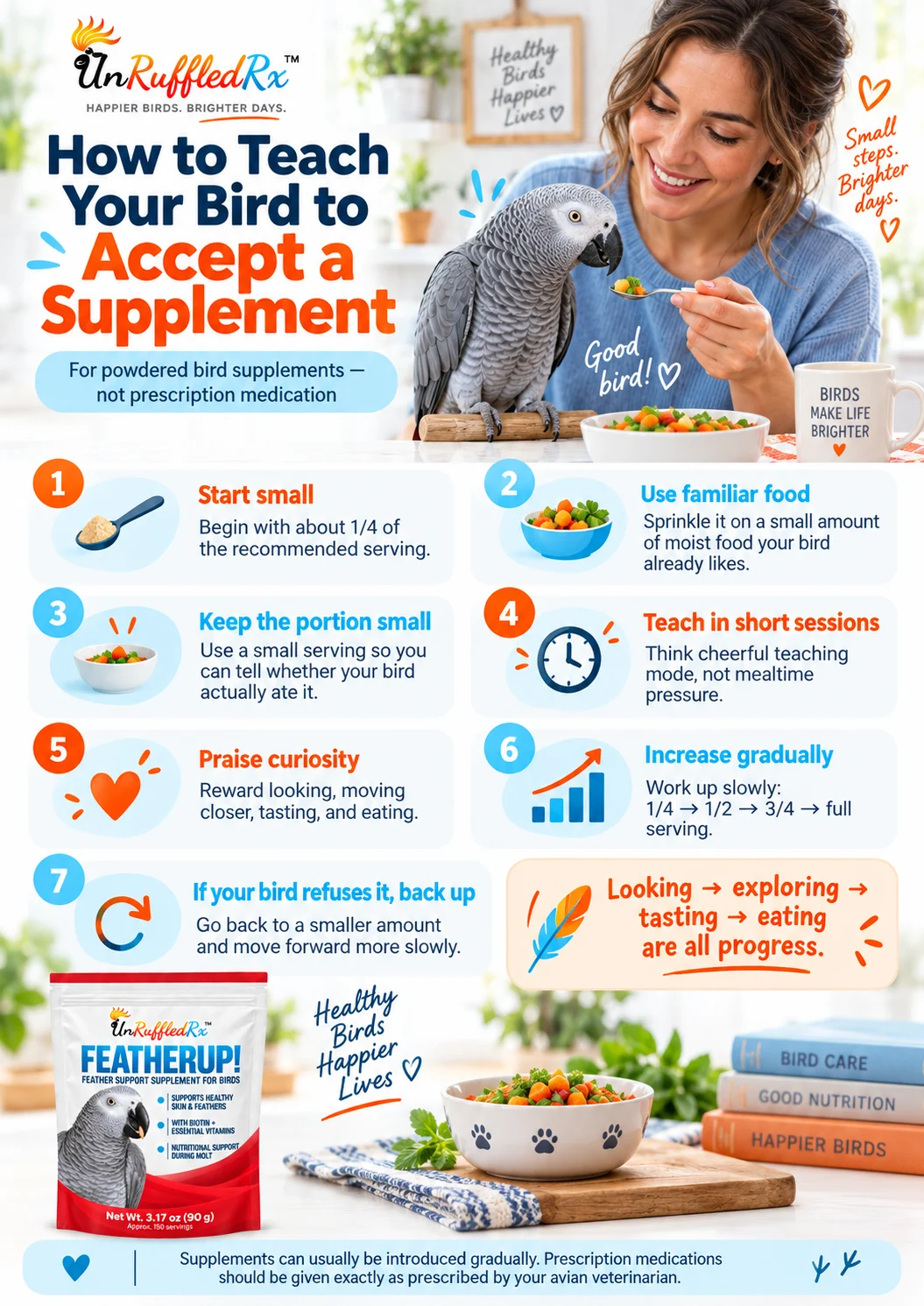
The process begins with an extremely conservative dose—often one-quarter of the veterinarian-recommended serving size. The primary goal during this stage is not nutritional saturation, but rather the bird’s acceptance of the food’s slightly altered texture. By keeping the portion size small, owners minimize food waste and allow for closer observation of the bird’s feeding patterns.
Phase 2: Reinforcement and Shaping (Days 4–7)
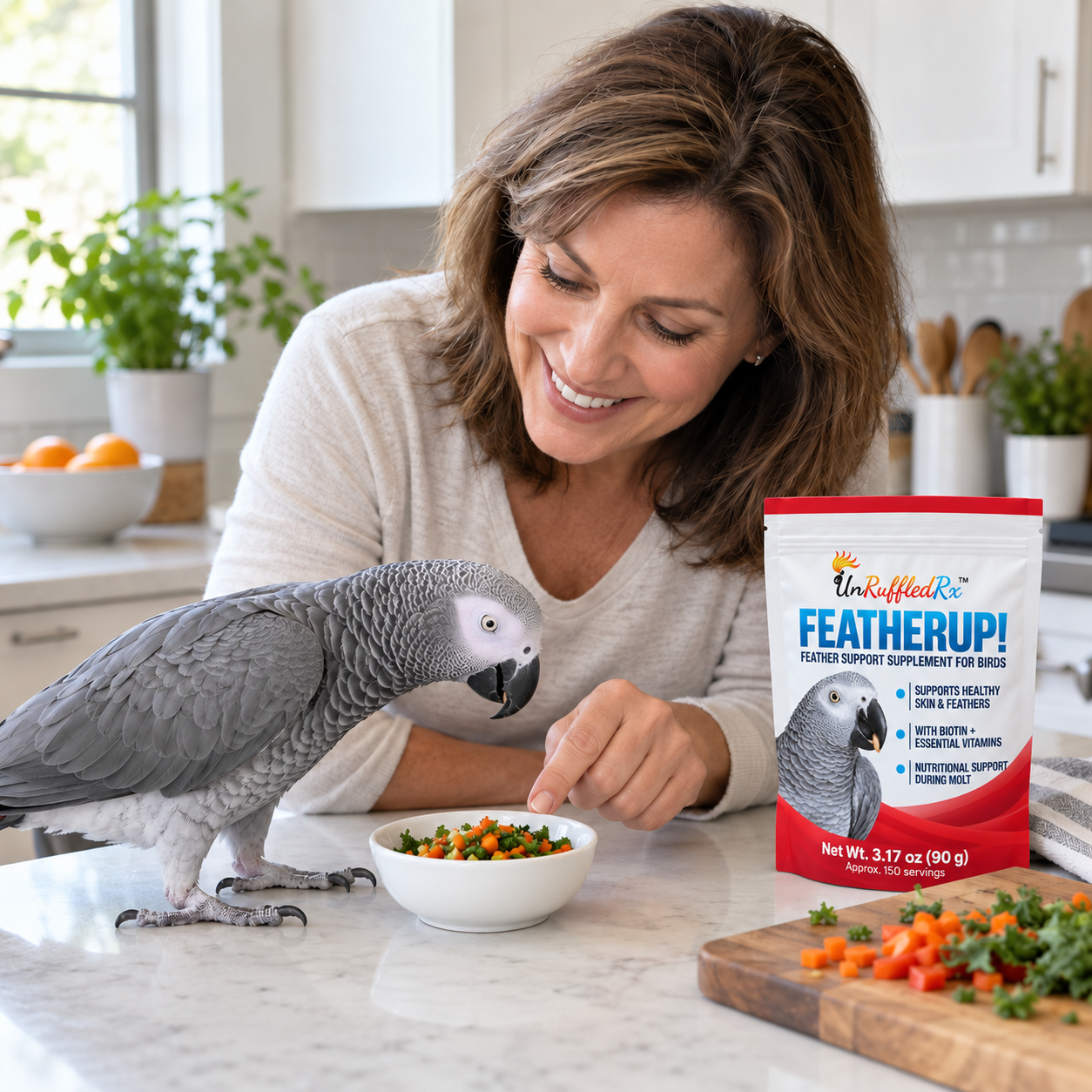
Once the bird consistently consumes the initial dose, the owner should engage in short, structured "training sessions." Placing the bird in a neutral environment, such as a training perch or a tabletop, allows the owner to reward curiosity. Positive reinforcement—such as verbal praise or a secondary, high-value treat—is provided when the bird leans toward, tastes, or consumes the supplemented food. This phase reinforces the idea that interacting with the dish is a rewarding activity.
Phase 3: Scaling to Therapeutic Levels (Day 8 and beyond)
Once comfort is established, the supplement dosage is incrementally increased. A standard progression follows a quarterly scale: moving from 25% to 50%, then 75%, and finally to the full recommended dosage. If at any point the bird displays a decrease in intake, the protocol dictates an immediate return to the previous, tolerated level, effectively resetting the pace of the introduction.
Supporting Data and Behavioral Science
The reliance on a teaching-based approach is supported by longitudinal research into diet conversion. A 2022 study published in the Journal of Avian Medicine and Surgery (Cummings et al.) analyzed diet conversion methods in psittacine birds transitioning from seed-based to pelleted diets. While the study focused on primary food sources, its findings on reward-based interactions are directly applicable to supplement administration. The research demonstrated that birds exposed to structured, positive interactions with new food items on a neutral surface showed significantly higher rates of acceptance compared to those subjected to sudden, non-reinforced dietary changes.
The implications for veterinary medicine are profound. When owners are unable to administer supplements due to a bird’s refusal, the health consequences can be severe. Calcium deficiencies, for instance, can lead to metabolic bone disease, while vitamin deficiencies can compromise feather health and immune function. By utilizing a training-based approach, owners can ensure that birds receive critical nutrients, thereby reducing the need for more invasive interventions, such as forced oral administration or hospitalization.
Crucial Distinctions: Supplements vs. Medication
It is imperative that owners distinguish between nutritional supplements and prescription medication. Medical directives from an avian veterinarian must be followed with strict adherence to dosage and timing. Unlike supplements, which allow for a gradual introduction period, medications often require immediate and consistent administration to combat active illness or infection. In cases where a bird refuses a prescribed medication, the owner should consult their veterinarian immediately to discuss alternative administration techniques or compounding options, rather than attempting to self-manage the timeline.
Common Pitfalls and Best Practices
One of the most frequent errors reported by avian keepers is the practice of mixing supplements into large volumes of food. This often results in the powder settling at the bottom of the bowl or the bird selectively foraging around the supplemented portions. To mitigate this, experts recommend mixing the supplement into a small amount of moist food, such as finely chopped vegetables or cooked grains. The moisture provides a binding agent that ensures the supplement is consumed alongside the primary diet.
Furthermore, owners are cautioned against the indiscriminate use of multiple supplements. Over-supplementation can lead to toxicity, particularly concerning fat-soluble vitamins (A, D, E, and K) and calcium. When multiple products are involved, the risk of overlapping ingredients increases, necessitating professional oversight. A clear dialogue with an avian veterinarian remains the gold standard for ensuring that a supplementation regimen is both safe and effective.
Strategic Implications for Long-term Care
The shift toward a training-based model of supplementation represents a broader trend in companion animal husbandry—the move toward "low-stress" veterinary care. This approach acknowledges that the bird is an active participant in its own health management. By fostering a positive association with new dietary inputs, owners are not only solving an immediate nutritional gap but are also strengthening the human-animal bond.
This proactive strategy requires patience. As noted in clinical observations, the "success" of a supplementation program should be measured in small, incremental wins rather than an overnight transition. By respecting the bird’s natural apprehension and rewarding progress, owners can effectively implement necessary wellness programs.
Conclusion: A Framework for Success
Ultimately, the successful integration of supplements into a bird’s diet is a matter of behavioral engineering. The core tenets—starting with minimal doses, maintaining a consistent and familiar base diet, and using positive reinforcement—provide a robust framework for owners. As the industry continues to evolve, the focus on behavioral health as a component of physical nutrition will remain vital. For the bird owner, the process is less about tricking the animal and more about teaching them that a change in their diet is, quite literally, for their own good. With consistent practice, most birds can be successfully transitioned to necessary supplements, thereby supporting long-term health and preventing the onset of diet-related ailments.

