


The transition period following the adoption of pet rats is a critical phase that dictates the long-term health and temperament of these highly social rodents. As owners navigate the initial days of integration, understanding the biological and psychological needs of rats—which are intelligent, social, and sensitive animals—is essential for fostering a stable environment. Whether acquiring rats from a professional rescue or a private breeder, the first 72 hours are foundational to establishing trust, mitigating stress-induced health issues, and creating a sustainable care routine.
The Biological Context of Rodent Stress
Rats are prey animals by nature, a biological reality that governs their behavior in new environments. When relocated, rats experience an immediate spike in cortisol levels, which can lead to suppressed immune function. This is often why respiratory distress, such as mycoplasmosis flare-ups, frequently appears within the first two weeks of adoption.
Experts in small animal welfare emphasize that the "settling-in" phase requires a balance between environmental enrichment and minimal disruption. While owners often feel an urge to handle their new pets immediately, animal behaviorists suggest that a period of acclimation is safer for the animal. During the first few hours, the focus should remain on environmental stability—ensuring the cage is placed in a quiet area away from direct sunlight, drafts, and high-frequency household noise.

Establishing the Initial Care Timeline
A structured approach to the first week of ownership can significantly reduce the likelihood of behavioral issues or illness.
- Hours 1–4 (The Introduction): The focus is on the habitat. Rats should be placed directly into their pre-configured, multi-level cage. Providing a "base of operations"—such as an igloo, fabric hammock, or soft bedding—allows the rats to feel secure. During this time, owners should minimize external stimuli while remaining nearby to allow the rats to associate their presence with safety.
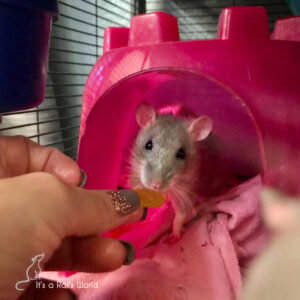
- Days 1–3 (Acclimation): Consistent, short-duration interactions are recommended. Offering treats by hand or speaking in low, steady tones helps the rats recognize the owner as a non-threatening entity. This is not the time for forced handling, but rather for "passive socialization."
- Days 4–7 (Engagement): Once the rats show signs of curiosity—such as approaching the cage door or grooming in the presence of the owner—out-of-cage play sessions can begin. These sessions should be conducted in secure, "rat-proofed" areas to prevent escape or injury.
Nutritional Requirements and Feeding Protocols
Pet rats possess a high metabolic rate, requiring consistent access to nutrient-dense food. A standard diet for a healthy adult rat should be composed of high-quality lab blocks supplemented with fresh produce. Research suggests that dividing the daily caloric intake into two feedings—morning and evening—prevents the hoarding of perishable food and assists in monitoring the animals’ appetites.
Veterinary nutritionists advise against relying solely on loose seed mixes, which can encourage selective feeding and lead to nutritional deficiencies. Fresh vegetables, such as kale, peas, or carrots, should constitute roughly 10% to 20% of their daily diet. Furthermore, the introduction of new foods must be gradual to prevent gastrointestinal upset, a common issue in stressed, newly adopted rodents.
The Role of Veterinary Preventative Care
The decision to seek veterinary care immediately after adoption is often contingent upon the source of the animals. Rats adopted through accredited rescues generally undergo a health evaluation, including parasite treatment and respiratory assessment. Conversely, rats obtained from pet stores or private parties with unknown histories require a baseline wellness exam.
Clinical indicators that necessitate an immediate veterinary visit include:
- Porphyrin discharge: Reddish staining around the eyes or nose, which, while sometimes stress-related, can indicate chronic respiratory illness.
- Audible respiratory sounds: Clicking, wheezing, or rattling during inhalation.
- Lethargy or changes in grooming patterns: A healthy rat is fastidious; a coat that appears unkempt or oily can signal underlying distress or infection.
Environmental Maintenance and Sanitation
The cleanliness of the enclosure is directly linked to the respiratory health of the rats. Rats produce significant amounts of ammonia in their urine, which, if not managed, can cause chronic irritation of the delicate lung tissues.
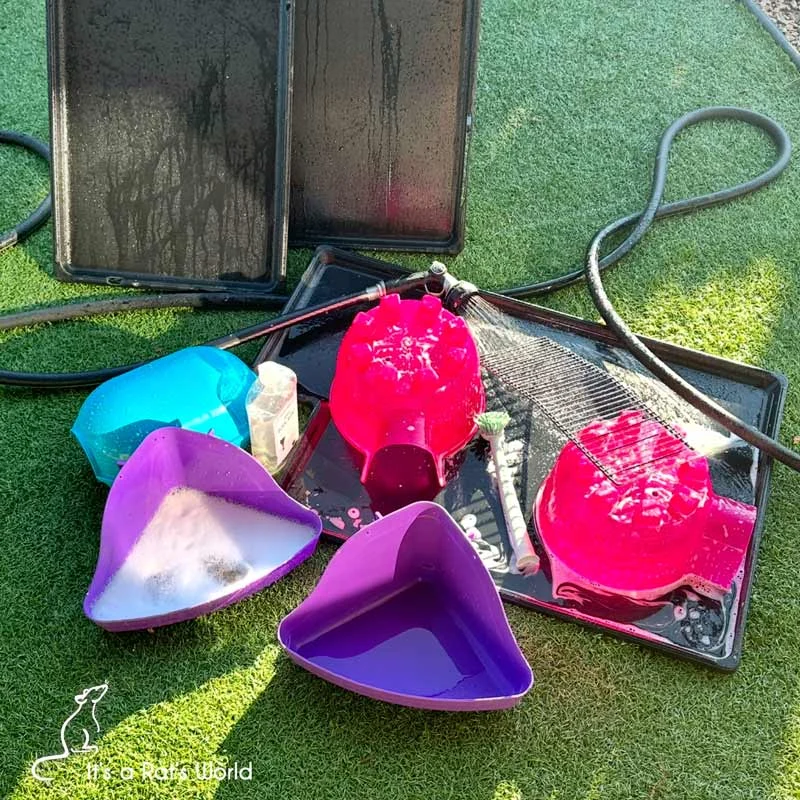
A dual-layered cleaning approach is most effective. Daily "spot cleaning"—removing soiled bedding, wiping down platforms, and refreshing litter boxes—prevents the accumulation of waste. A deep, comprehensive cleaning of the cage, including all accessories and fabric hammocks, should be conducted weekly. Using fragrance-free, animal-safe cleaning agents is paramount, as the olfactory systems of rodents are highly sensitive to strong chemical fumes, which can trigger severe respiratory reactions.
Behavioral Nuances and Socialization
One of the most common points of confusion for new owners is the "nipping" behavior, particularly directed at fabric. While this can be alarming, it is rarely an act of aggression. Rats explore their world through tactile interaction; they often mistake the texture of socks or soft shoes for nesting material. Understanding that this is a natural, albeit annoying, curiosity helps owners remain calm. Punitive measures are counterproductive and can damage the human-animal bond.
Instead, positive reinforcement is the industry standard for behavior modification. Providing a varied environment with tunnels, climbing structures, and foraging toys allows rats to express their natural behaviors in a constructive way.
Socio-Economic Implications of Small Animal Ownership
The rise in the popularity of "pocket pets" has led to an increase in the availability of resources, yet it has also highlighted a gap in owner preparedness. The financial commitment of owning rats is frequently underestimated. Beyond the initial purchase, prospective owners must budget for "exotic animal" veterinary fees, which are typically higher than those for standard household pets like cats or dogs.
Furthermore, the social nature of the species dictates that they should never be kept in isolation. Scientific literature consistently demonstrates that solitary rats suffer from significant psychological distress, leading to self-mutilation and shortened lifespans. Ensuring that rats are housed in groups of at least two, preferably three or more, is considered the ethical standard by animal welfare organizations worldwide.
Conclusion: Long-Term Commitment
The first month of rat ownership serves as the blueprint for the duration of the animals’ lives. By prioritizing consistent, patient interaction and maintaining a hygienic, enriching environment, owners can overcome the initial challenges of the transition. As the rats gain confidence and familiarity with their new human companions, the relationship typically shifts from one of cautious observation to active, affectionate engagement. Success in this endeavor is measured not by the speed of the bonding process, but by the ongoing commitment to the welfare and psychological enrichment of these highly social creatures. Through diligent research and a commitment to evidence-based care, new owners can ensure that their rats lead healthy, fulfilled lives.

