


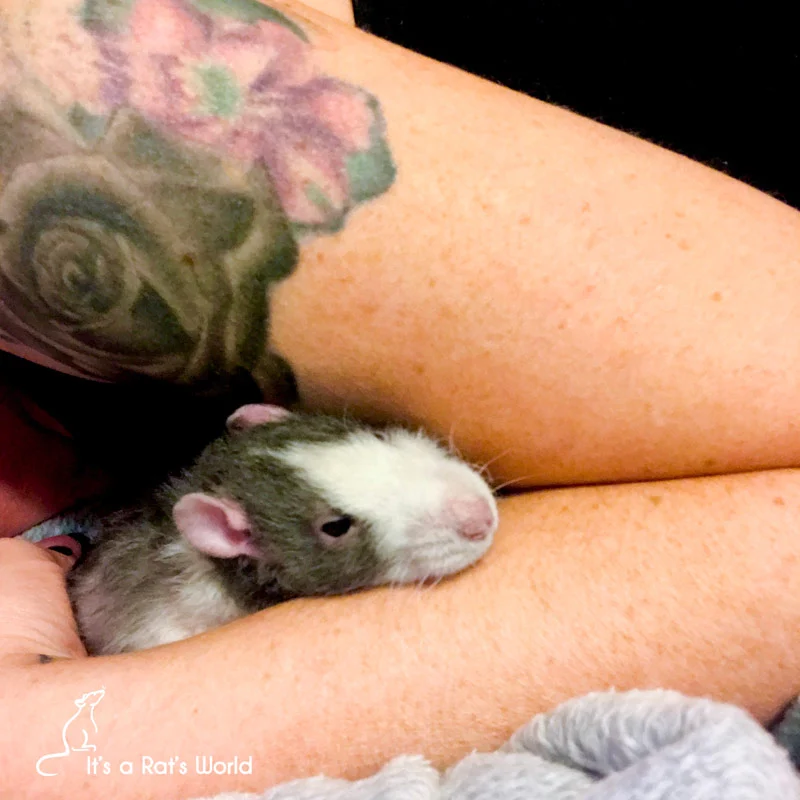
The contemporary landscape of domestic animal companionship often focuses on traditional pets like canines and felines, yet a significant segment of the population finds profound, scientifically supported emotional fulfillment in the stewardship of fancy rats (Rattus norvegicus domestica). For many owners, the absence of this specific human-animal bond creates a palpable void, even in households already occupied by other species. This phenomenon is rooted in the unique cognitive and social architecture of the rat, an animal that, despite historical biases, has been proven through behavioral studies to possess high levels of intelligence, empathy, and social complexity.
The Behavioral Science of Rodent Companionship
Rats are highly social, pack-oriented mammals. In a domestic setting, the formation of a bond between a human and a rat is not merely a byproduct of proximity but a result of deliberate, trust-based interaction. Research in the field of ethology suggests that rats exhibit "pro-social" behavior, meaning they are capable of altruistic actions and emotional contagion. When a rat engages in grooming, soft vocalizations (often ultrasonic, occurring at 50 kHz), and physical proximity, they are signaling a state of relaxation and trust.

For the new owner, the transition from acquisition to companionship follows a distinct chronological trajectory. In the first phase—the acclimation period—the animal is primarily focused on safety and environmental assessment. Data indicates that stress levels in small rodents are significantly higher during the first 72 to 168 hours post-relocation. During this time, the rat’s focus is on self-preservation. It is only after this period, provided the environment is stable and predictable, that the animal shifts its focus toward developing a relationship with its human caregiver.
Chronology of Trust: Building a Lasting Connection
The process of building a bond with a rat is categorized by animal behaviorists into four distinct stages:
- Environmental Security: The animal identifies the cage and the immediate surrounding area as a "safe zone."
- Recognition: The animal distinguishes the owner’s scent, voice, and visual silhouette from other environmental stimuli.
- Engagement: The animal begins to initiate interaction, often through curiosity or the seeking of physical contact.
- Integration: The animal views the owner as an extension of their social group, allowing for co-sleeping, shoulder-perching, and complex interactive play.
This progression requires a consistent, low-stress approach. Owners who attempt to force physical contact during the early stages often inadvertently trigger the "fight-or-flight" response, which can lead to defensive biting or chronic withdrawal. Experts recommend a "hands-off" initial approach, where the human provides presence without physical intrusion, allowing the rat to dictate the pace of the relationship.
Comparative Data and Physiological Impacts
The impact of animal companionship on human health is well-documented. The American Heart Association and various mental health organizations have noted that interactions with pets—including small mammals—can lead to a decrease in cortisol levels and a reduction in blood pressure. The act of tactile stimulation, such as petting or grooming a rat, triggers the release of oxytocin, a neuropeptide associated with social bonding and stress reduction.
Unlike dogs, which may be perceived as "pack-dependent" on their human leaders, rats offer a unique dynamic characterized by mutual exploration. Because rats are crepuscular (active at dawn and dusk), their peak engagement hours often coincide with the typical human schedule, making them highly effective companions for individuals seeking evening interaction.
Addressing Behavioral Extremes: Extroversion and Introversion
Similar to human personality types, individual rats display a range of temperaments. Behavioral assessments often classify them along a spectrum:

- The Extroverted Rat: These individuals often display high levels of curiosity and low neophobia (fear of new things). They are characterized by rapid bonding, often showing an interest in human interaction within hours of introduction.
- The Introverted or Traumatized Rat: These individuals require a more nuanced approach. In cases where the animal has experienced previous neglect or trauma, the "rehabilitation" timeline can extend from weeks to months. Establishing trust here is an achievement of patience; it requires the owner to work within the animal’s comfort zone, utilizing positive reinforcement rather than confrontation.
Practical Methodologies for Strengthening Bonds
Effective bonding strategies are supported by consistent routines. The following practices are considered standard in the responsible ownership of fancy rats:
- Auditory Conditioning: Regularly speaking to the rats in a soft, steady tone helps the animals categorize the human voice as a non-threatening environmental constant.
- Olfactory Familiarization: Allowing the rats to interact with items that carry the owner’s scent—such as an old shirt or a small piece of fabric—can accelerate the process of the animal identifying the owner as a safe presence.
- Nutritional Reinforcement: Utilizing high-value treats to create a positive association with the human presence is a standard behavioral training technique. However, it is essential to ensure these treats do not compromise the animal’s balanced nutritional requirements.
- Structured Out-of-Cage Time: Providing one to two hours of daily, safe "free-range" time allows the rat to exercise its natural instinct to explore while maintaining a social connection with the owner.
The Ethical Imperative of Respecting Boundaries
A common failure in the bonding process is the disregard for the animal’s autonomy. Even well-intentioned owners can sabotage the bond by failing to recognize subtle body language cues. A rat that flinches, keeps its ears pinned back, or attempts to retreat to a hideaway is signaling a need for space. Respecting these boundaries is not a sign of defeat; rather, it is the most effective way to foster long-term trust. When an animal learns that its "no" is respected, it is significantly more likely to initiate contact later.
Broader Implications and Long-Term Value
The loss of a bond with a companion animal represents a significant emotional event. While some may trivialize the death or loss of a small mammal, the psychological impact on the owner is often profound. The bond formed with a rat is unique in its intimacy—these animals are small enough to be held against the chest, where they can sense the human heartbeat, a rhythmic sound that serves as a powerful soothing mechanism for both parties.

As pet ownership trends shift toward urban living, the importance of smaller, high-interaction pets like rats is expected to rise. Their relatively small space requirements, combined with their capacity for complex emotional connection, make them ideal companions for modern living environments. However, this convenience should not be mistaken for "low-maintenance" care. The emotional intelligence of the rat demands a high level of cognitive and social investment from the owner.
In conclusion, the pursuit of a deep, meaningful connection with a pet rat is a journey of patience and observation. It is a relationship defined not by the animal’s utility, but by its capacity for affection and the owner’s willingness to foster a safe, stimulating environment. For those who invest the necessary time and emotional labor, the result is a rewarding, multi-year companionship that challenges traditional notions of what it means to be "bonded" to a non-human animal. Whether the rat is an extrovert seeking constant interaction or an introvert requiring a gentle, patient hand, the core principle remains the same: the depth of the connection is a direct reflection of the respect, consistency, and kindness provided by the human partner.

