


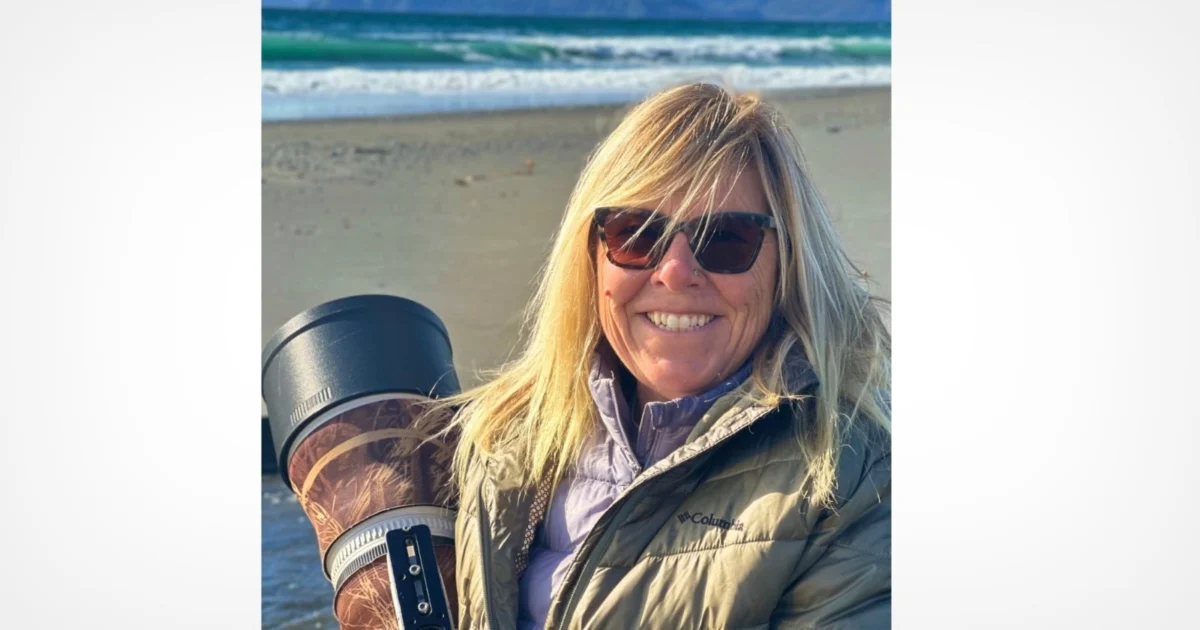
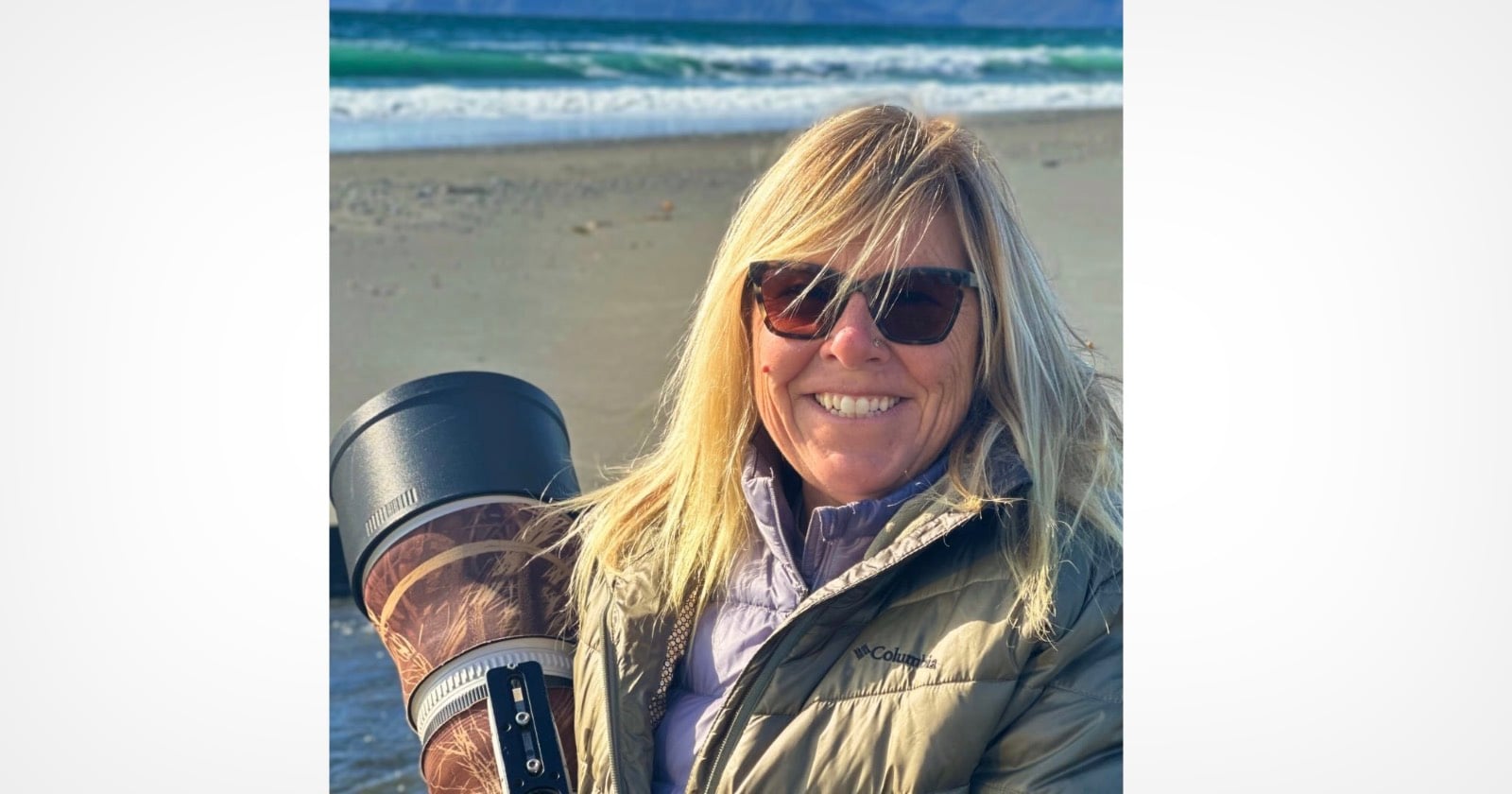
The photography community and the conservationist circles surrounding Yellowstone National Park are mourning the loss of Sylvia Borgonovo, a dedicated wildlife photographer and activist whose lens captured some of the most intimate moments of the park’s apex predators. Borgonovo passed away on September 15, 2026, following a brief and aggressive battle with small-cell lung cancer. She was 65 years old and would have celebrated her 66th birthday on October 7. Her husband, David, confirmed the news, noting that the illness was particularly sudden and devastating, having metastasized to her spine despite her history as a nonsmoker.
Borgonovo’s contributions to wildlife documentation were defined by her patience, her intimate knowledge of pack dynamics, and her commitment to the philosophy that every creature, no matter how small, plays an essential role in the ecological tapestry of the American West. Her legacy is perhaps best anchored by her extensive photographic documentation of wolf 1090F, the alpha female of the legendary Mollie’s Pack, whose survival and dominance in the park have been a focal point for researchers and enthusiasts alike.
A Life Defined by the Lens
Sylvia Borgonovo’s journey into the world of professional wildlife photography was not a lifelong career path but rather a passion that ignited during a family excursion to Alaska in 1997. It was there, while observing and photographing bears in their natural habitat, that she discovered a profound connection to the wilderness. This experience shifted her perspective on the natural world, prompting a transition from casual observer to a dedicated chronicler of wildlife behavior.
After relocating to Missoula, Montana, Borgonovo and her husband began to frequent Yellowstone National Park. Their affinity for the landscape grew into an annual pilgrimage; for years, the couple rented an apartment in West Yellowstone, residing there from May 1 through October 31. This seasonal dedication allowed them to embed themselves within the local photography and advocacy community, fostering deep relationships with fellow enthusiasts who were equally committed to the park’s preservation.
While their early interest in the park was sparked by the charismatic grizzly bears that roam the Lamar and Hayden Valleys, Borgonovo’s focus eventually shifted to the wolves. She became a fixture in the wolf-watching community, known for her ability to track, anticipate, and document the movements of packs that are notoriously elusive to the casual tourist.
The Chronicle of 1090F
Central to Borgonovo’s recent work was 1090F, an alpha female of the Mollie’s Pack. To understand the significance of Borgonovo’s work, one must understand the history of the pack itself. The Mollie’s Pack is widely considered to be one of the most resilient groups in the park, tracing its lineage back to the initial reintroduction of wolves to Yellowstone in the mid-1990s.
Wolf 1090F, a 12-year-old matriarch, has defied the odds in a landscape where life expectancy for a wild wolf is significantly lower. She currently ranks as the fifth-oldest known wolf in the history of Yellowstone National Park. For years, Borgonovo followed 1090F, documenting her leadership, her survival through harsh winters, and her tactical maneuvers against rival packs.
In 2025, Borgonovo captured a series of photographs that garnered national attention. The images depicted a high-stakes territorial encounter between the Mollie’s Pack and the Junction Butte Wolf Pack. The documentation showed the Mollie’s Pack moving into contested territory, with 1090F leading the charge to push the rival pack back without resulting in a fatal conflict. Borgonovo’s commentary on the event highlighted her respect for the animals: “Any Mollie’s Pack wolf looks bigger than other wolves,” she remarked during an interview. Her images did more than document a struggle; they provided researchers and the public with a visual record of how pack dominance is asserted through posture and presence rather than constant violence.
The Philosophy of Purpose
David Borgonovo, reflecting on his wife’s life and work, noted that Sylvia’s photography was never merely about the aesthetic appeal of a high-resolution image. Instead, it was an educational tool intended to bridge the gap between the public and the complex, often misunderstood reality of wild animals.
“I think it was important to her that people understand that everything has a purpose, and there’s a reason why that animal is there,” David stated. “Or that tree or that insect.” This holistic view informed her approach to activism. She advocated for the protection of habitats, often utilizing her platform to share the stories of the animals she photographed, encouraging a greater sense of stewardship among those who visited the park. Her work emphasized that the health of the ecosystem depends on the survival of its most prominent predators, as they regulate prey populations and influence the entire environment, from river banks to willow groves.
Broader Implications and Conservation Impact
The passing of Sylvia Borgonovo serves as a poignant reminder of the role that citizen scientists and wildlife photographers play in modern conservation. In recent years, the intersection of photography and wildlife management has become increasingly critical. Data collected by amateur photographers—who spend significantly more time in the field than agency biologists—often provides key insights into the life cycles, health, and social structures of species like the gray wolf.
Her work, particularly concerning 1090F, has contributed to a broader public understanding of the longevity and resilience of wolves in the wild. As Yellowstone continues to navigate the challenges of climate change, fluctuating prey availability, and human-wildlife conflict, the visual record provided by photographers like Borgonovo remains an invaluable resource.
The threats faced by 1090F—including the ever-present danger of territorial skirmishes and the natural decline associated with aging—mirror the vulnerabilities of the park’s wolf population at large. By documenting these individual stories, Borgonovo helped humanize the scientific data, making the struggles of a wolf pack accessible to a general audience.
A Legacy in the Field
The grief expressed by the community of wildlife enthusiasts following her death underscores the tight-knit nature of the Yellowstone observer network. For many, Borgonovo was not just a photographer; she was a reliable source of information, a mentor to newcomers, and a fierce defender of the park’s integrity.
Her death leaves a void in the landscape of Yellowstone photography. However, the thousands of images she produced remain a testament to a life spent in pursuit of understanding the natural world. From her early days in Alaska to her final seasons in the valleys of Montana and Wyoming, her trajectory reflects a lifelong dedication to the belief that to photograph a creature is to honor its existence.
As the park enters the changing seasons, the wolves of the Mollie’s Pack will continue their cycles, and the photographers will continue to line the roadsides of the Lamar Valley. Yet, the absence of Borgonovo will be felt among those who knew her, and her images will stand as a lasting archive of the resilience of one of Yellowstone’s most iconic animals.
The loss of a voice like hers serves as a call to action for the preservation of the wild spaces she so dearly loved. As she once noted regarding the longevity of 1090F, “To have lived this long, that’s pretty damn good.” For those who knew Sylvia Borgonovo, her own life—filled with exploration, advocacy, and a deep, abiding respect for the natural world—was, by any measure, a life exceptionally well-lived.

