


When a parrot’s eye appears puffy, enlarged, or physically altered, it represents a significant clinical indicator that necessitates immediate observation and, in many instances, professional veterinary assessment. Because birds are biologically predisposed to mask signs of illness as a survival mechanism in the wild, ocular swelling—even when mild—often suggests that an underlying physiological issue has progressed beyond the bird’s ability to compensate.
The Anatomy of Ocular Swelling in Avian Species
To address the concern effectively, owners must first identify the precise location of the swelling. In avian medicine, the term "swollen eye" is often a misnomer; the inflammation frequently involves the infraorbital sinuses, the eyelids (palpebrae), or the surrounding periorbital tissue rather than the eyeball (globe) itself.
The avian respiratory system is intricately connected to the ocular region. Parrots possess a complex series of air sacs and sinuses that extend into the skull near the eye. Consequently, upper respiratory infections (URI), sinus blockages, or inflammation of the choana—the slit in the roof of the mouth—often manifest as unilateral or bilateral swelling around the eyes. Because these structures are proximal, congestion in the sinuses exerts physical pressure on the ocular orbit, leading to the clinical appearance of a "swollen eye."
Chronology of Symptom Progression
Understanding the timeline of ocular distress is vital for diagnostic accuracy. Veterinary clinical data suggests that sudden, acute onset of swelling is frequently linked to environmental trauma, such as a physical collision with a window, a bite or scratch from a cage mate, or the introduction of a foreign body (e.g., dust, dander, or synthetic particles) into the conjunctival sac.
Conversely, chronic, progressive swelling often indicates long-term nutritional deficiencies—specifically hypovitaminosis A—or persistent, low-grade infectious agents. When a bird presents with swelling that fluctuates in severity, it may indicate a cyclical inflammatory process where the sinus structures become obstructed, clear slightly, and then re-inflame as bacterial or fungal colonies proliferate.
Clinical Data and Risk Factors
Research into avian health indicates that birds on a "seed-only" diet are significantly more prone to ocular complications. Seeds are typically deficient in Vitamin A, a nutrient essential for maintaining the epithelial integrity of the mucous membranes. When these membranes, which line the respiratory and ocular tracts, break down due to nutritional deficits, the bird becomes highly susceptible to opportunistic pathogens.
According to avian veterinary standards, the following diagnostic indicators require urgent attention:
- Presence of Ocular Discharge: Serous (clear), mucoid (thick), or purulent (pus-like) discharge is a primary indicator of infection.
- Behavioral Changes: A bird that is "fluffed" (a sign of thermal regulation distress), lethargic, or showing a decrease in appetite is displaying systemic signs of illness.
- Cloudiness or Corneal Opacity: Changes to the surface of the eye itself suggest damage to the cornea, which can lead to permanent vision loss if not addressed with antibiotic or anti-inflammatory ophthalmic medication.
- Respiratory Distress: Audible clicking, wheezing, or frequent sneezing accompanying ocular swelling points toward a respiratory infection that requires immediate systemic intervention.
Veterinary Protocols and Diagnostic Procedures
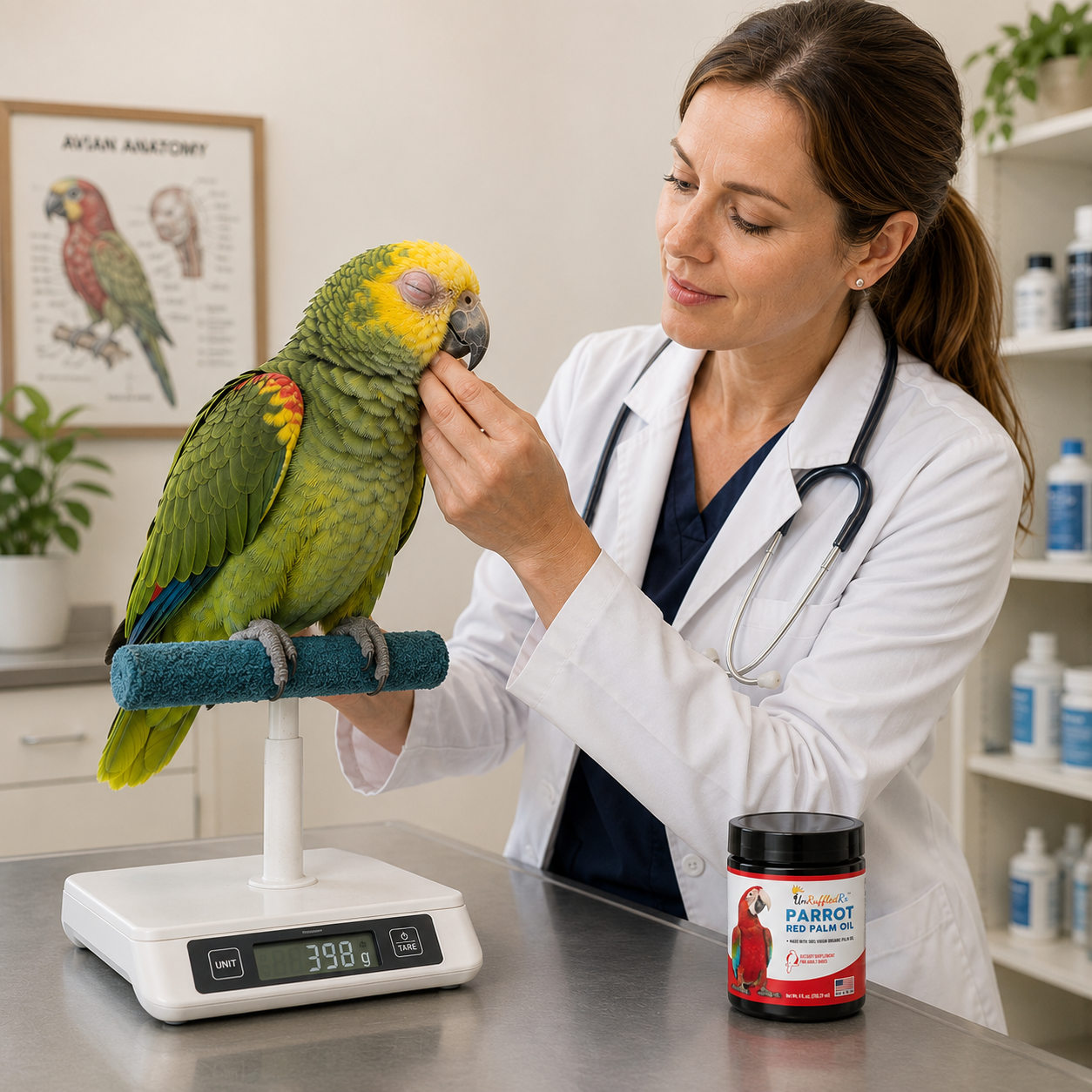
When a bird is brought to an avian veterinarian for ocular swelling, the practitioner follows a standardized diagnostic protocol. This typically begins with a physical examination to rule out systemic illness. The veterinarian will often utilize magnification to inspect for foreign bodies, such as trapped seeds or debris, and may perform a fluorescein stain test to check for corneal ulcers or abrasions.
If the ocular issues are determined to be secondary to sinus disease, the veterinarian may recommend a choanal swab for culture and sensitivity testing. This allows the clinical team to identify the specific pathogen—be it bacterial, fungal, or viral—and prescribe the precise antimicrobial therapy required. In cases where the bird is severely dehydrated or anorexic, hospitalization for supportive care, including fluid therapy and nebulization, may be mandatory.
Addressing Nutritional Deficiencies
While medical intervention is non-negotiable for acute cases, long-term health stabilization often requires an overhaul of the bird’s nutritional intake. As noted in clinical avian nutrition guidelines, the transition from a seed-based diet to a balanced, formulated pellet diet is the single most effective way to prevent recurring sinus and ocular issues.
For birds currently undergoing the transition to a healthier diet, supplementation can play a supportive role, provided it is done under veterinary guidance. Ingredients such as red palm oil, which is high in carotenoids, are often suggested to support the health of the mucous membranes. However, it must be emphasized that these supplements are nutritional aids, not medical treatments. They cannot resolve a bacterial infection or heal a traumatic injury.

Urgent Action Steps for Owners
If an owner observes swelling around their bird’s eye, the following steps are recommended to stabilize the situation before reaching the clinic:
- Document and Observe: Capture high-resolution photographs and short video clips of the eye from multiple angles. This provides the veterinarian with a baseline of the swelling’s severity.
- Environmental Sanitization: Immediately remove potential irritants from the environment, such as aerosol sprays, scented candles, heavy dust, or high-traffic areas where the bird may have sustained an injury.
- Prevent Self-Trauma: If the bird is aggressively rubbing the eye, a temporary, appropriately sized Elizabethan collar (e-collar) may be necessary to prevent further damage to the ocular surface, provided the bird does not become overly stressed by the device.
- Avoid Home Remedies: Do not attempt to use leftover human eye drops or over-the-counter medications. Many human formulations contain steroids or preservatives that are toxic to avian eyes and can exacerbate corneal ulcers or mask the progression of a serious infection.
Broader Implications for Avian Wellness
The eyes of a parrot are highly sophisticated organs, and their health is a window into the bird’s overall systemic well-being. A swollen eye is rarely an isolated incident; it is frequently the "canary in the coal mine" for a broader health issue, ranging from nutritional deficits to environmental toxicity.
The trend toward increasing avian longevity through better care standards underscores the importance of proactive, rather than reactive, health management. By understanding the link between respiratory health, diet, and ocular integrity, owners are better positioned to provide the specialized care required for these highly sensitive animals.
Summary of Diagnostic Urgency
The decision to seek veterinary care should not be contingent upon the bird’s ability to continue eating. Birds are masters of concealing illness; by the time a bird stops eating, the infection or injury is likely in an advanced stage. Owners are advised to prioritize a consultation with an avian-certified veterinarian if any ocular changes persist for more than 24 hours, or immediately if the swelling is accompanied by discharge, head shaking, or changes in respiratory effort.
Professional veterinary guidance remains the only safe course of action. With early detection and appropriate treatment, most cases of ocular inflammation can be managed successfully, preserving the bird’s vision and long-term health. Given the complexity of avian physiology, the most responsible action is always to err on the side of caution, prioritizing a professional assessment over the uncertainty of home observation.

